
The White House Press Secretary holds one of the most visible and challenging roles in American politics, serving as the principal spokesperson for the President of the United States and the Executive Branch. Far more than just a talking head, this individual is a critical conduit between the administration and the world, tasked with articulating policy, defending decisions, and shaping public perception in an increasingly complex and hyper-connected global landscape. Their work is a delicate balance of strategy, communication, and crisis management, profoundly influenced by technological advancements, deeply tied to the branding of the presidency, and often tasked with explaining policies that have significant financial ramifications.
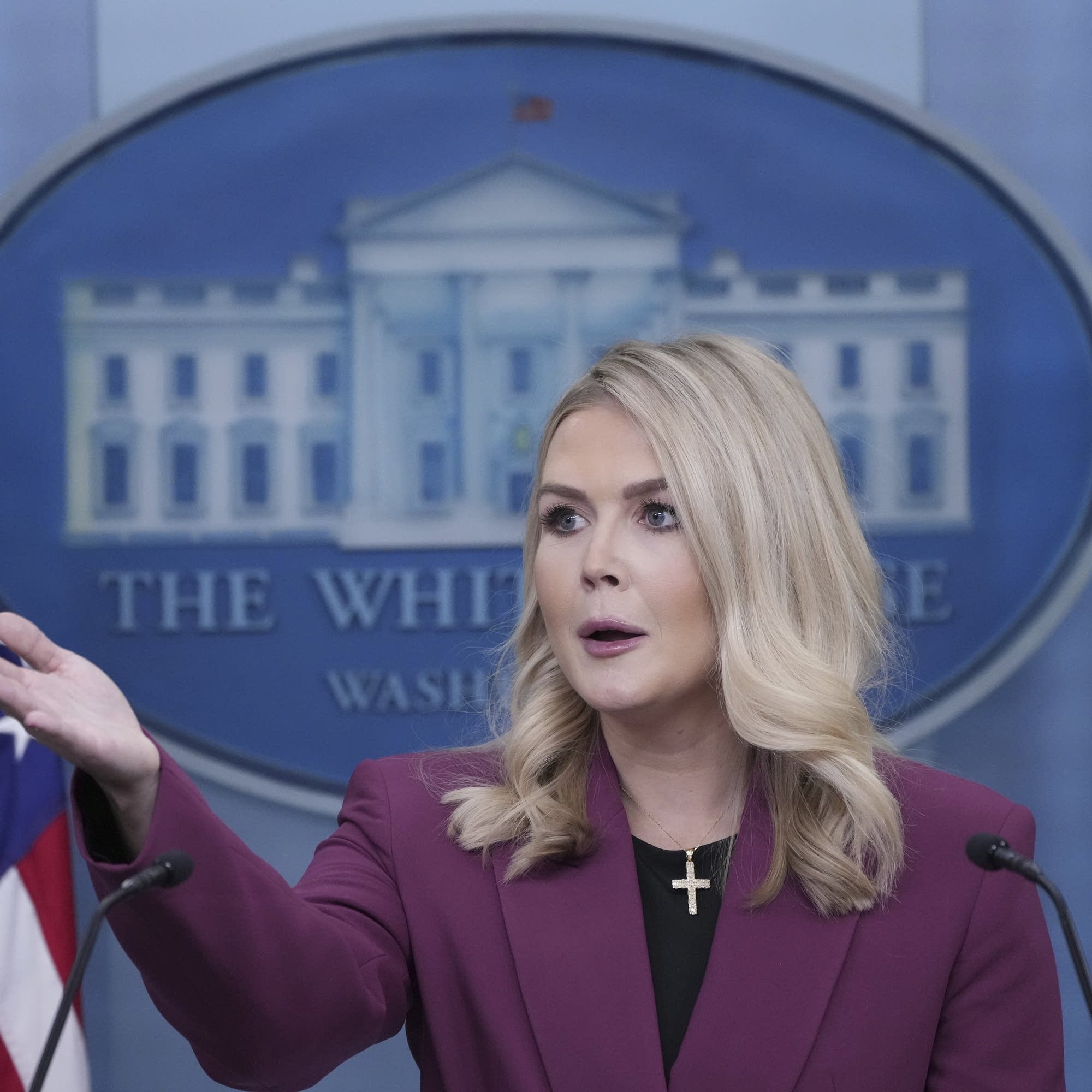
At its core, the Press Secretary’s duty is to inform. They are the voice that translates the intricate workings of government into understandable messages for the press corps, and by extension, for the American people and the international community. This role demands not only an encyclopedic knowledge of current events and administration policies but also an innate ability to think on one’s feet, navigate intense scrutiny, and maintain composure under immense pressure. It’s a job that has evolved dramatically over the decades, moving from occasional briefings to a constant, 24/7 engagement with media cycles driven by instantaneous digital dissemination.
The Linchpin of Public Communication
The Press Secretary’s office is the nerve center of public relations for the most powerful office in the world. Their daily responsibilities are multifaceted, demanding a strategic mind and an unwavering commitment to the administration’s agenda.
The Daily Briefing: A Public Spectacle
Perhaps the most iconic aspect of the Press Secretary’s job is the daily White House Press Briefing, a ritual that has become a fixture of American political discourse. Held in the James S. Brady Press Briefing Room, this event is often televised live, offering a direct window into the administration’s daily narrative. Here, the Press Secretary stands before a room full of seasoned journalists from around the globe, ready to deliver opening statements, announce significant policy changes, and, most crucially, field a barrage of questions on everything from domestic policy and international relations to the President’s daily schedule.
These briefings are more than just informational sessions; they are highly choreographed performances. The Press Secretary must anticipate questions, frame answers strategically, and consistently reinforce the administration’s talking points. Each word is scrutinized, each gesture analyzed, and any perceived misstep can quickly become a national headline. The advent of technology has amplified the reach and intensity of these briefings; live streaming on multiple platforms, immediate social media dissemination of clips and quotes, and rapid fact-checking by online audiences mean that every moment is captured, dissected, and debated in real-time. This digital omnipresence adds layers of complexity, requiring the Press Secretary to be acutely aware not only of the room but also of the vast, invisible audience consuming the content globally.
Crafting and Controlling the Narrative
Beyond the daily performance, a significant portion of the Press Secretary’s work involves the meticulous crafting and control of the administration’s narrative. This isn’t just about answering questions but about proactively shaping public understanding of the President’s agenda and actions. They work closely with other senior White House staff, including the Communications Director, policy advisors, and speechwriters, to ensure a unified message. This process involves drafting press releases, preparing talking points for various officials, coordinating interviews, and often managing the President’s direct communications, such as social media posts or official statements.
The objective is to maintain a consistent brand for the President and the administration. This involves highlighting successes, explaining complex policy decisions in an accessible manner, and responding decisively to criticism or misinformation. In an era saturated with information, establishing and maintaining a coherent narrative is paramount to influencing public opinion and securing support for presidential initiatives. It’s a continuous exercise in strategic communication, requiring foresight, adaptability, and an understanding of media dynamics.
Beyond the Podium: Behind-the-Scenes Strategy
While the public sees the Press Secretary at the podium, much of their crucial work happens behind the scenes. This includes extensive research and preparation for briefings, often involving deep dives into policy details with subject matter experts across various government agencies. They also engage in ongoing dialogues with journalists, cultivating relationships to better understand media perspectives while simultaneously advocating for the administration’s viewpoint. This off-the-record engagement is vital for gauging public sentiment, correcting inaccuracies before they spread, and ensuring that the media has access to information necessary for accurate reporting.
Furthermore, the Press Secretary plays a key role in internal communications, ensuring that all government departments and agencies are aligned with the White House’s messaging. This strategic coordination is essential to prevent conflicting statements and to present a united front, further solidifying the administration’s brand and message consistency. They are not merely messengers but active participants in the strategic development and execution of the President’s agenda through the lens of public perception.
Technology as a Force Multiplier and a Challenge
The digital age has fundamentally reshaped the role of the White House Press Secretary, transforming both the tools at their disposal and the challenges they face. Technology is no longer just an aid; it’s an intrinsic part of how the administration communicates and how the public consumes information.
Embracing Digital Platforms for Broader Reach
The modern Press Secretary leverages a vast array of digital platforms to extend the reach of the White House beyond traditional media outlets. Official White House websites, social media channels like X (formerly Twitter), Facebook, and Instagram, and video platforms such as YouTube are critical for direct communication with the public. Press briefings are live-streamed and archived, making them accessible to anyone with an internet connection. Digital press kits, complete with fact sheets, policy summaries, and multimedia content, can be instantly distributed to journalists worldwide, accelerating the news cycle and ensuring a consistent flow of information.
Furthermore, the use of AI tools is beginning to emerge, with potential applications ranging from analyzing public sentiment around specific policies to assisting in the drafting of initial statements or summaries. While human oversight remains paramount, these tools offer opportunities to enhance productivity and tailor messages more effectively to diverse audiences. The goal is to bypass traditional gatekeepers and deliver messages directly, allowing the administration to control its narrative more tightly and engage with citizens in a more immediate and personalized manner.
Navigating the Information Ecosystem: From Fake News to Data Analytics
While technology offers unprecedented reach, it also presents significant hurdles. The proliferation of misinformation, disinformation, and “fake news” on social media platforms is a constant battle for the Press Secretary. Rapid response strategies are essential to counter false narratives before they gain traction, requiring a sophisticated understanding of online trends and quick deployment of accurate information. This necessitates not just reactive measures but proactive campaigns to educate the public and build trust.
Moreover, digital security is a paramount concern. The Press Secretary’s office handles sensitive information, and secure communication channels, encrypted digital tools, and robust cybersecurity protocols are vital to protect against espionage, leaks, and cyberattacks that could compromise the integrity of official communications. The threat landscape is constantly evolving, demanding continuous vigilance and adaptation in technological infrastructure.
On the other hand, data analytics tools provide the Press Office with invaluable insights. By tracking media coverage, social media engagement, and public sentiment, the Press Secretary and their team can better understand what messages resonate, which audiences are being reached, and where communication gaps exist. This data-driven approach allows for more targeted and effective communication strategies, continuously refining how the administration engages with the public and the press.
Enhancing Productivity and Security with Tech Tools

Beyond public-facing platforms, various technological tools enhance the internal productivity and security of the Press Secretary’s office. Secure messaging applications, project management software, and collaborative document editing platforms streamline internal coordination and accelerate information flow among staff. Productivity is boosted by automation of routine tasks, allowing the team to focus on strategic communication rather than administrative overhead.
Furthermore, the use of sophisticated teleprompters, audio-visual equipment, and remote conferencing tools ensures that the Press Secretary can communicate effectively whether in the briefing room, traveling with the President, or participating in virtual events. These tools are critical for maintaining the high standard of professionalism and accessibility expected of the White House communications operation, enabling rapid response and seamless delivery of critical messages across various formats.
Shaping the Brand of the Presidency
The Press Secretary is a chief architect and guardian of the President’s and the administration’s brand. This involves managing perception, building credibility, and consistently reinforcing the identity and values that the White House seeks to project.
Personal Branding and Credibility in the Role
The effectiveness of a Press Secretary is inextricably linked to their own personal brand and credibility. Journalists, politicians, and the public scrutinize not only what they say but how they say it. A Press Secretary who is perceived as trustworthy, knowledgeable, and honest can significantly enhance the administration’s message. Conversely, a loss of credibility can undermine efforts to communicate effectively, leading to increased skepticism and a more hostile press environment.
Therefore, the Press Secretary must carefully cultivate their public image, demonstrating mastery of the facts, unwavering loyalty to the President, and a calm, authoritative demeanor. Their ability to remain unflappable under pressure, articulate complex policies clearly, and engage respectfully with dissenting questions all contribute to their personal brand, which in turn reflects directly on the White House. This personal brand becomes an extension of the presidential brand, influencing how every statement and policy is received.
The White House as a Brand: Consistency and Perception
The White House, and by extension the current administration, operates as a powerful global brand. The Press Secretary is a key figure in defining and maintaining this corporate identity. Every message, every policy announcement, every response to a crisis must align with the overarching narrative and values that the President wishes to convey. Consistency is paramount; conflicting messages from different officials can erode public trust and confuse the brand identity.
This brand strategy involves highlighting the administration’s achievements, articulating its vision for the future, and positioning the President as a decisive and effective leader. The Press Secretary works to create a cohesive image that resonates with key constituencies, strengthens public support, and projects an image of stability and competence both domestically and internationally. This “marketing” of the presidency is a continuous effort, adjusting to current events while remaining true to the core tenets of the administration.
Crisis Communications: Protecting the Reputation
One of the most demanding aspects of the Press Secretary’s job is managing crisis communications. Whether it’s a natural disaster, a foreign policy incident, an economic downturn, or a scandal, the Press Secretary is often the first and most prominent voice addressing the issue. In these moments, their ability to communicate clearly, empathetically, and decisively can be crucial in protecting the administration’s reputation and mitigating negative impacts.
Effective crisis communication involves quickly gathering accurate information, crafting messages that acknowledge the severity of the situation while reassuring the public, and providing regular updates. The goal is to control the narrative, prevent rumors from spreading, and demonstrate that the administration is responsive and in control. Failure to manage a crisis effectively can have long-lasting damage to the President’s image and public trust, making the Press Secretary’s role during such times particularly critical to the overall brand integrity of the White House.
Communicating Economic Policy and Financial Implications
While not a financial advisor, the White House Press Secretary plays a crucial role in communicating the administration’s economic policies and their money implications. These announcements often have direct impacts on markets, businesses, and the personal finances of citizens.
Translating Complex Financial Policies
Economic policy can be incredibly complex, filled with jargon and intricate details that are difficult for the average person to understand. The Press Secretary is tasked with translating these complex financial concepts into accessible language. This includes explaining the rationale behind budget proposals, tax reforms, trade agreements, and fiscal stimulus packages. They must clarify how these policies are intended to affect jobs, inflation, investment, and the overall economy.
This often involves collaborating closely with the Council of Economic Advisers, the Treasury Department, and other financial experts to ensure accuracy and clarity. The challenge lies not only in simplifying the message but also in anticipating how various stakeholders—from Wall Street investors to small business owners and everyday consumers—will interpret and react to the news. The way economic news is framed by the Press Secretary can influence market sentiment and public confidence.
The Link Between Communication and Economic Stability
During times of economic uncertainty or crisis, the Press Secretary’s role becomes even more critical. Clear, consistent, and reassuring communication from the White House can help stabilize markets and prevent panic. For instance, during a financial downturn, messages about government intervention, plans for recovery, and assurances about the resilience of the economy can significantly influence investor confidence and consumer spending. In this sense, the Press Secretary’s communication strategy has tangible money implications, impacting everything from stock market performance to consumer credit.
Conversely, vague, contradictory, or overly alarmist statements can exacerbate economic instability, leading to market volatility and a loss of public trust in the administration’s ability to manage the economy. Therefore, the Press Secretary’s messaging regarding financial matters is not merely informational but directly contributes to the perception of economic stability and the President’s credibility on financial matters.

The Fiscal Responsibilities of the Press Office
While the Press Secretary’s primary role isn’t managing budgets for the entire government, their office itself operates with a specific budget, encompassing staff salaries, technology infrastructure, travel expenses, and operational costs. These financial tools and resources enable the Press Office to function effectively, from maintaining state-of-the-art broadcasting equipment to securing communication channels.
Furthermore, the Press Secretary is often called upon to justify the fiscal aspects of administration policies, explaining to the public how taxpayer money will be spent, the projected returns on investment for government programs, and the overall financial impact of proposed legislation. This involves connecting policy decisions to their financial outcomes, reinforcing the administration’s fiscal responsibility, and demonstrating the value proposition of its agenda. The transparent communication of these financial aspects is crucial for maintaining public accountability and demonstrating sound economic governance.
In conclusion, the White House Press Secretary is a unique and indispensable figure in the American political landscape. Their role, while rooted in traditional communication, is constantly being redefined by the rapid pace of technology, the imperative of sophisticated brand management, and the need to clearly articulate policies with profound money implications. More than a spokesperson, they are a strategic communicator, a guardian of reputation, and a crucial link in the democratic process, shaping how the world understands the actions and intentions of the President of the United States.
aViewFromTheCave is a participant in the Amazon Services LLC Associates Program, an affiliate advertising program designed to provide a means for sites to earn advertising fees by advertising and linking to Amazon.com. Amazon, the Amazon logo, AmazonSupply, and the AmazonSupply logo are trademarks of Amazon.com, Inc. or its affiliates. As an Amazon Associate we earn affiliate commissions from qualifying purchases.