
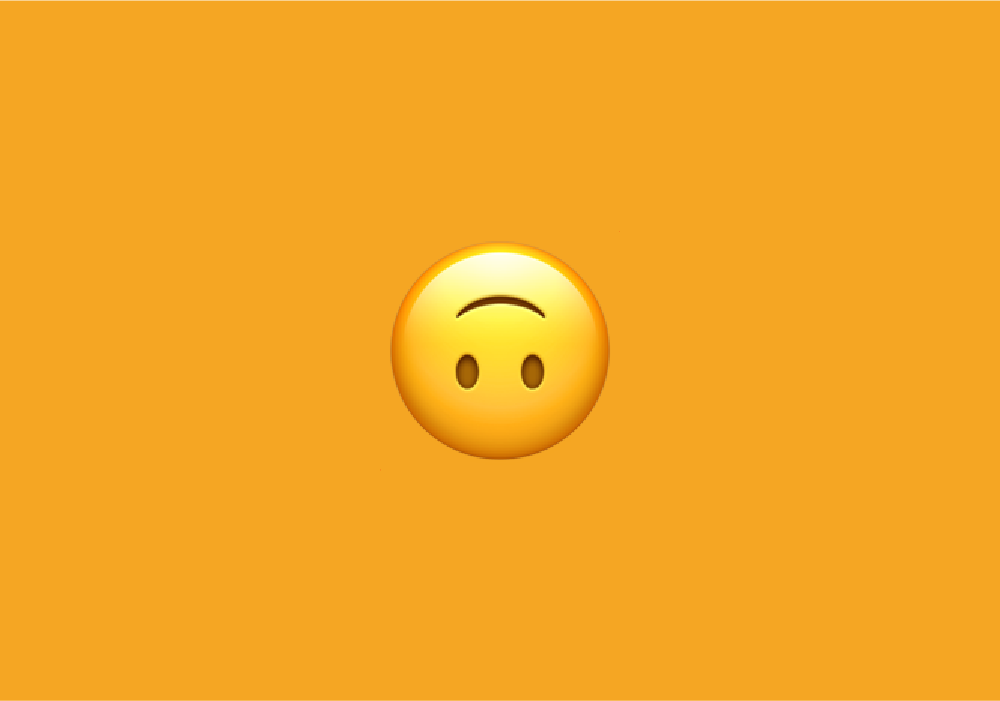
The world of digital communication is a fascinating tapestry woven with words, images, and symbols. Among the most ubiquitous of these symbols are emojis, those small, pictographic icons that inject nuance, emotion, and personality into our text-based conversations. While many emojis carry clear, universally understood meanings – the red heart for love, the thumbs-up for approval, the crying face for sadness – others are more ambiguous, their interpretations evolving with cultural shifts and user adoption. One such emoji that has garnered significant attention and often sparks debate is the upside down smile face: . Its seemingly simple inversion belies a complex and multifaceted range of meanings, making it a surprisingly powerful tool in the digital communicator’s arsenal. This article delves into the nuanced interpretation of the upside down smile emoji, exploring its various applications within the realm of technology and digital communication.
The Inherent Ambiguity and Versatility of the Upside Down Smile
At its core, the upside down smile emoji ( ), also known as the “Slightly Smiling Face,” presents a visual paradox. The fundamental visual cue of a smile is upturned lips, signifying happiness or contentment. Inverting this immediately introduces a layer of doubt or uncertainty. This inherent ambiguity is precisely what grants the emoji its remarkable versatility. It’s a chameleon in the emoji landscape, capable of adapting to a wide array of contexts and conveying a spectrum of subtle emotional states that a straightforward smile simply cannot capture.
The Spectrum of Sarcasm and Irony
Perhaps the most widely recognized and frequently employed meaning of the upside down smile is its use to convey sarcasm or irony. When someone says something positive but the context suggests a negative underlying sentiment, the can serve as a crucial disambiguator. It signals to the recipient that the preceding statement should not be taken at face value.
Detecting the Undercurrent of Disbelief
Consider a situation where a friend tells you about an incredibly lucky, almost unbelievable event. A straightforward “Wow, that’s amazing!” might be interpreted as genuine awe. However, appending a to that same statement subtly injects a note of skepticism or incredulity. It’s a digital wink, implying, “I hear what you’re saying, and while I’m acknowledging it, a part of me is questioning its veracity.” This is particularly useful in online interactions where tone of voice is absent. The allows users to express a gentle, non-confrontational form of doubt, preventing potential misunderstandings that could arise from a blunt, literal interpretation of positive words.
Amplifying Dry Humor
Dry humor often relies on understatement or the juxtaposition of contrasting elements. The upside down smile is a perfect companion to this style of comedy. When a user makes a witty observation that is slightly absurd or understated, the can enhance the humorous effect. It’s like saying, “I’m being funny, but I’m not going to hit you over the head with it.” This can be seen in responses to minor inconveniences or relatable everyday struggles. For example, a post detailing a frustrating but ultimately minor technological glitch might be met with a comment like, “My Wi-Fi decided to take a vacation for an hour. ” Here, the emoji acknowledges the annoyance without being overly dramatic, highlighting the humor in the situation.
Beyond Sarcasm: The Nuances of Awkwardness and Resignation
While sarcasm is a dominant interpretation, the upside down smile extends its reach to encompass a broader emotional territory, particularly in the realm of awkwardness and a subtle, almost passive resignation. These are states that are often difficult to articulate with words alone, and the provides a concise visual shorthand.
Navigating Socially Awkward Encounters
In the digital sphere, social interactions can often feel stilted or prone to misinterpretation. The upside down smile can be deployed to acknowledge an awkward moment or a slightly uncomfortable social exchange. Imagine receiving a message that is polite but a little too formal for the context, or a response that is technically correct but lacks warmth. Responding with a can convey a sense of mild discomfort or an acknowledgment of the social dissonance without causing offense. It’s a way of saying, “This is a bit awkward, but we’re both here, so let’s just roll with it.” This is especially relevant in professional or semi-professional digital interactions where maintaining politeness is crucial, but an underlying awareness of social nuances needs to be communicated.
Expressing Gentle Frustration or Mild Annoyance
The can also be a tool for expressing mild frustration or annoyance without resorting to overtly negative emojis. This is not about genuine anger, but rather a sense of being slightly inconvenienced or exasperated by a minor issue. For instance, if a software update takes longer than expected, or if a website is slow to load, a user might express this with a simple caption like, “Waiting for this download to finish… .” The emoji softens the complaint, indicating that while there’s a slight inconvenience, it’s not a cause for major distress. It communicates a feeling of passive acceptance of a mildly irritating situation.
The Subtle Art of Self-Deprecation
Self-deprecating humor is a powerful social lubricant, and the upside down smile can play a significant role in its expression. When someone makes a lighthearted jab at their own minor failings or a humorous mistake they’ve made, the can reinforce the self-aware and humorous nature of the comment. For example, after admitting to a silly oversight, a user might add, “I completely forgot about the meeting until it started. ” This signals that they recognize their own fallibility and are able to laugh about it, making them more relatable and approachable.
The Role of Context and User Intent
It is crucial to reiterate that the meaning of the upside down smile emoji is not fixed but is heavily contingent on the surrounding context and the intent of the sender. What one user intends as gentle sarcasm, another might interpret as genuine bewilderment. This is the inherent challenge and beauty of emojis – they rely on shared understanding and a degree of interpretive flexibility.
Visual Cues and Surrounding Text
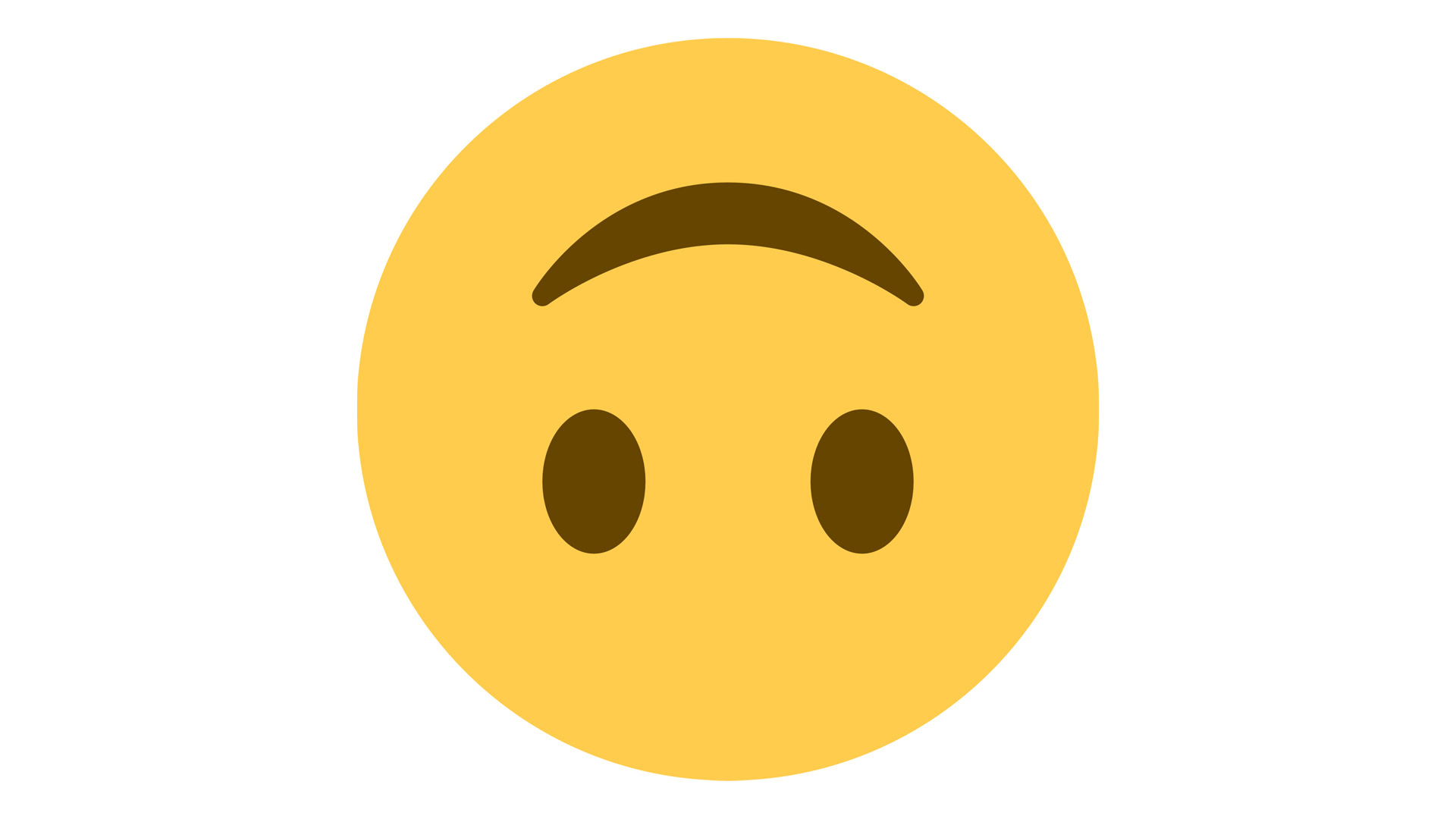
The words that accompany the are paramount in deciphering its intended meaning. If the surrounding text is overtly positive or congratulatory, the likely injects sarcasm. Conversely, if the text describes a challenging or slightly negative situation, the might indicate resignation or a stoic acceptance of the circumstances. The overall tone of the conversation also plays a critical role. In a lighthearted chat among friends, the will likely be perceived differently than in a formal professional email thread.
Platform and Community Norms
Different digital platforms and online communities develop their own unique communication norms and emoji lexicons. Within certain gaming communities, for instance, the might have a specific connotation related to in-game events or player interactions. Similarly, the way emojis are used on platforms like Twitter, Instagram, or Slack can vary. Understanding these platform-specific nuances is key to accurately interpreting and effectively using the upside down smile. What is common usage on TikTok might be seen as unusual on LinkedIn.
The Evolving Nature of Digital Language
Emojis are a dynamic aspect of our digital language, constantly evolving as new ones are introduced and existing ones gain new meanings. The upside down smile emoji is a prime example of this evolution. Its journey from a simple graphical representation to a nuanced tool for conveying complex emotions underscores the adaptability of digital communication. As technology progresses and our interactions become increasingly mediated by screens, the ability to effectively wield these visual cues will only become more important.
Practical Applications in Digital Communication
Understanding the diverse meanings of the upside down smile allows for more precise and effective communication in various digital contexts. Its application can range from enhancing the clarity of messages to fostering a more nuanced and engaging online persona.
Enhancing Clarity in Text-Based Communication
In scenarios where tone is difficult to convey, the acts as a vital signal. It helps to prevent misinterpretations that could lead to unnecessary conflict or confusion. For example, if you are sharing a mildly inconvenient but ultimately funny anecdote, adding the ensures that your audience understands you are not genuinely upset. This precision is invaluable in maintaining positive relationships and fostering clear communication.
Preventing Misunderstandings in Professional Settings
While caution is advised when using informal emojis in highly formal professional settings, the can sometimes be used judiciously to convey a lighthearted, self-aware tone when appropriate. For instance, if a minor technical glitch occurs during a remote meeting, a quick, apologetic follow-up with a can acknowledge the issue with a touch of grace. However, it’s essential to gauge the specific professional environment and relationship with the recipient before deploying it.
Building Rapport and Expressing Empathy
In casual conversations, the can be used to express empathy or understanding in a relatable way. If a friend shares a minor struggle, a response like, “Oh no, that sounds frustrating! ” can convey a sense of shared experience and understanding without being overly dramatic. It acknowledges the difficulty while also implying a gentle, accepting perspective on the situation.
Crafting a Nuanced Online Persona
Beyond simply conveying specific meanings, the strategic use of the upside down smile can contribute to a user’s overall online persona. It suggests a degree of wit, self-awareness, and an understanding of the subtle cues of digital communication.
Demonstrating Wit and Intelligence
Consistently and appropriately using the to convey sarcasm or dry humor can position a user as witty and intelligent. It shows an ability to engage with language in a more sophisticated way, appreciating the layered meanings and playful ambiguities of digital expression.
Projecting Approachability and Relatability
By using the to express mild frustrations or awkwardness, users can project an image of being relatable and down-to-earth. It humanizes their online presence, showing that they are not immune to minor inconveniences and can navigate them with a sense of humor. This can foster stronger connections with others who share similar experiences.
Conclusion: The Enduring Power of the Inverted Smile
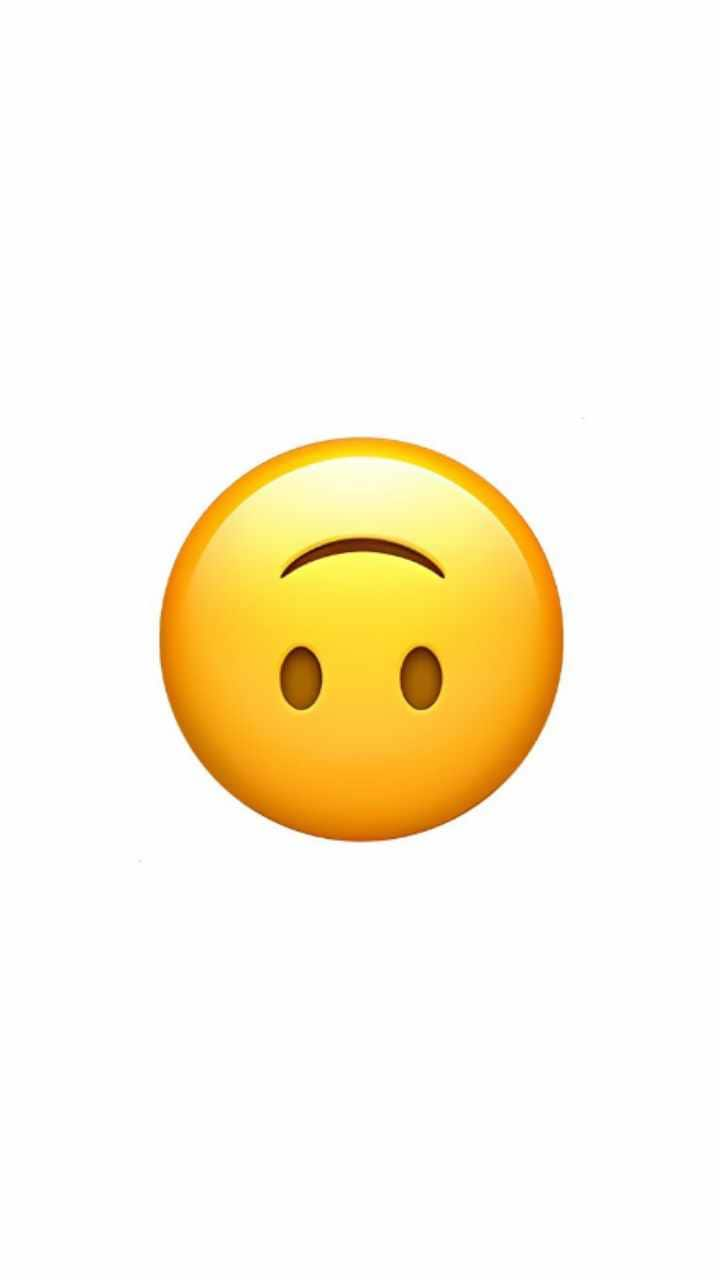
The upside down smile emoji, , is far more than just a flipped smiley face. It is a testament to the evolving nature of language and the creative ways humans adapt to new communication mediums. Its power lies in its inherent ambiguity, allowing it to seamlessly transition between conveying sarcasm, irony, awkwardness, resignation, and gentle frustration. By understanding the crucial role of context, surrounding text, and platform norms, users can effectively wield this versatile emoji to enhance clarity, build rapport, and craft a nuanced online persona. In the ever-expanding lexicon of digital communication, the upside down smile stands as a small yet potent symbol, reminding us that sometimes, the most effective way to express a feeling is not by showing a clear smile, but by acknowledging its subtle, inverted counterpart. Its continued prevalence in our digital conversations underscores its enduring significance as a tool for nuanced expression in the modern technological landscape.
aViewFromTheCave is a participant in the Amazon Services LLC Associates Program, an affiliate advertising program designed to provide a means for sites to earn advertising fees by advertising and linking to Amazon.com. Amazon, the Amazon logo, AmazonSupply, and the AmazonSupply logo are trademarks of Amazon.com, Inc. or its affiliates. As an Amazon Associate we earn affiliate commissions from qualifying purchases.