
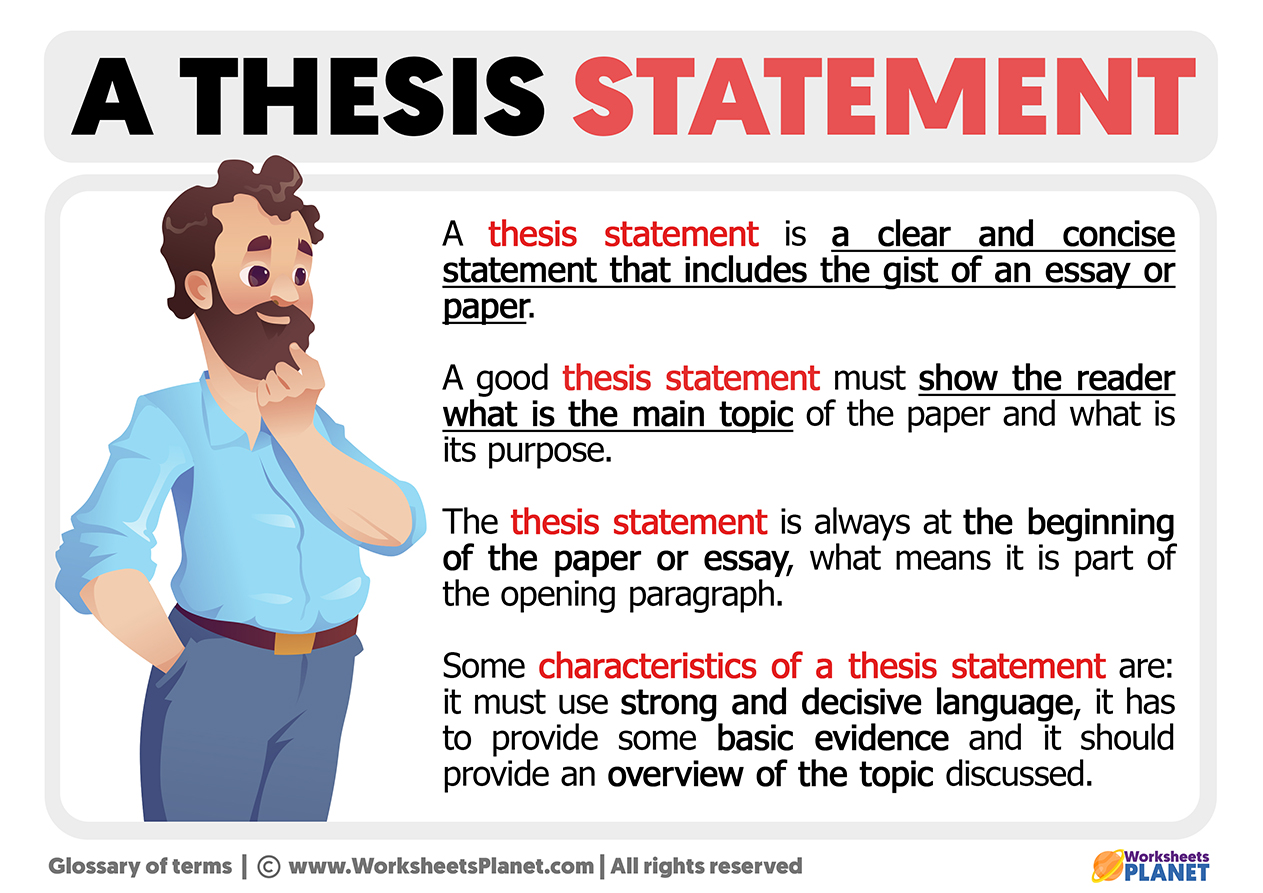
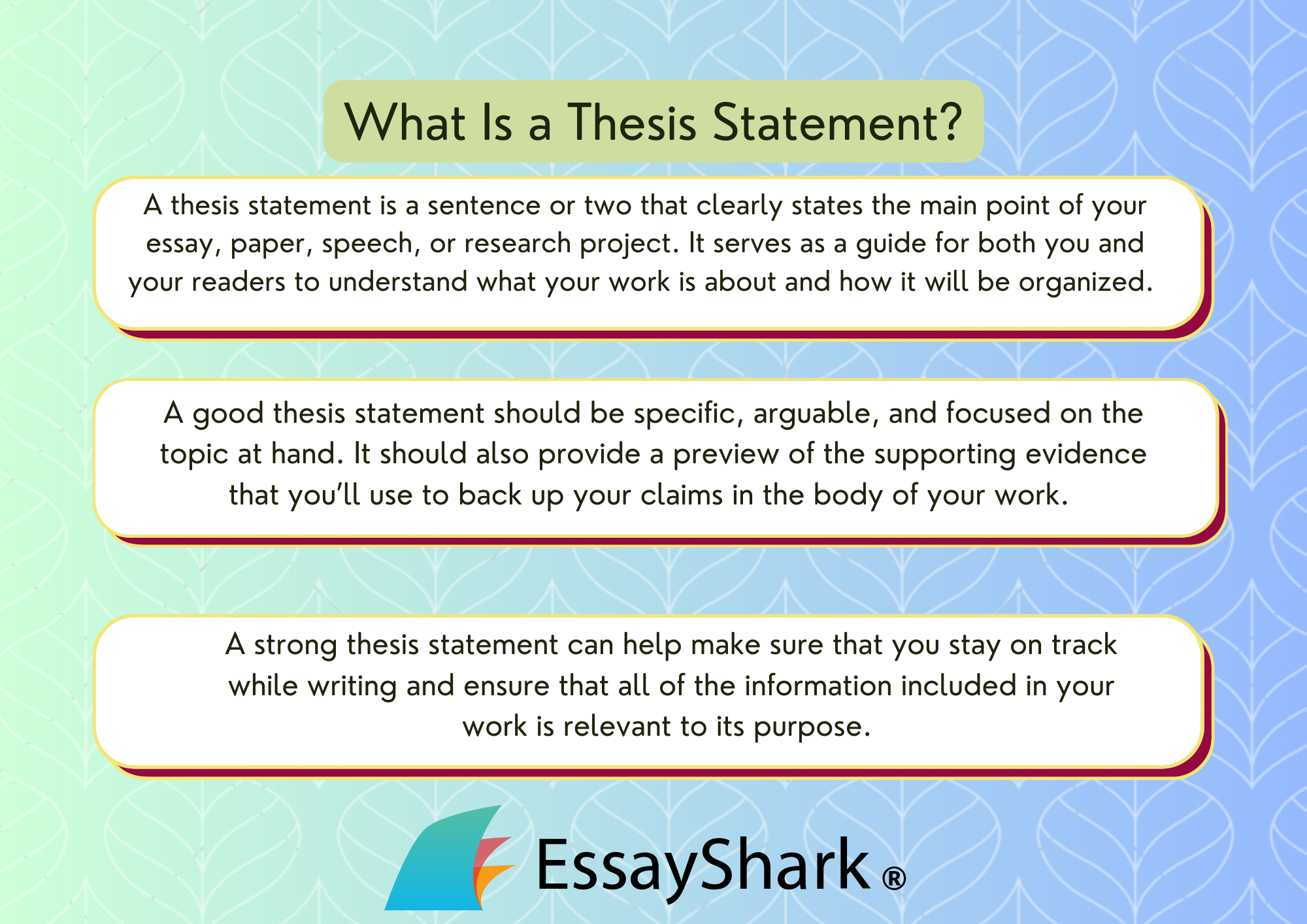
In the traditional academic sense, a thesis statement serves as the backbone of an essay—a concise summary of the main point or claim. However, when we transition from the classroom to the boardroom, the concept of a “thesis statement” takes on a powerful new life within brand strategy. In the world of marketing and corporate identity, a brand thesis is the foundational argument for a company’s existence. It is the definitive declaration of what a brand stands for, why it matters, and how it intends to change the landscape for its consumers.

Understanding what the thesis statement means in a branding context is essential for any entrepreneur, creative director, or marketing executive. It is not merely a slogan or a mission statement; it is the strategic north star that guides every visual choice, every communication, and every product development decision.
Decoding the Brand Thesis: More Than Just a Slogan
To understand the brand thesis, one must first distinguish it from the more common elements of a brand’s “About Us” page. While a slogan is designed for memorability and a mission statement is designed for operational direction, the brand thesis is designed for ideological positioning.
Defining the Core Identity
A brand thesis is an assertive proposition about the world. For instance, if a brand sells sustainable footwear, its thesis isn’t “we sell recycled shoes.” Its thesis might be: “The fashion industry’s current lifecycle is ecologically unsustainable, and high-performance aesthetics must be decoupled from environmental degradation.”
This “thesis” provides a philosophical anchor. It moves the brand from being a mere vendor of goods to being a participant in a cultural or economic conversation. When a brand identifies its thesis, it is essentially stating its “argument” for why it deserves a place in the consumer’s life. This identity becomes the filter through which all brand assets are created, ensuring that the brand’s voice remains consistent across different platforms.
The Difference Between Mission, Vision, and Thesis
It is common to confuse these terms, but the distinctions are vital for strategic clarity.
- The Mission is the “What” and “How” (e.g., “To provide the best customer service”).
- The Vision is the “Where” (e.g., “To be the leading provider of tech in Europe”).
- The Thesis, however, is the “Why” and the “Argument.”
The thesis statement explains the logic behind the brand’s existence. It identifies a gap in the market or a flaw in the status quo and presents the brand as the logical solution. Without a thesis, a brand is often adrift, reacting to trends rather than setting them. With a strong thesis, a brand becomes a thought leader in its niche.
The Strategic Functions of a Brand Thesis
A well-defined thesis statement does not just sit in a brand manual; it works. It serves several high-level functions that contribute directly to a company’s competitive advantage and long-term viability.
Aligning Internal Culture
One of the most significant challenges for growing organizations is maintaining a cohesive culture. As teams scale, the original intent of the founders can become diluted. A clear brand thesis acts as a cultural touchstone. When employees understand the “argument” the brand is making, they are empowered to make decisions that align with that logic.
If the thesis of a software company is that “Complexity is the enemy of productivity,” then every developer, designer, and customer support representative knows that their primary goal is simplification. Internal alignment reduces friction and ensures that the brand’s promise is delivered at every touchpoint, from the back-end code to the front-facing marketing materials.
Differentiating in a Crowded Marketplace
In almost every industry, the “functional” gap between products is shrinking. Most smartphones work well; most coffee shops serve decent coffee. Differentiation, therefore, must happen at the level of the “thesis.”
When a brand has a strong thesis statement, it stops competing on price or features alone and starts competing on values and perspective. Consumers today are increasingly “belief-driven.” They don’t just buy what you do; they buy why you do it. By asserting a unique thesis, a brand carves out a specific psychological space in the consumer’s mind that competitors cannot easily replicate.
Crafting a Compelling Brand Thesis Statement
Developing a brand thesis requires deep introspection and a keen understanding of the market. It is not something that should be rushed or assigned to a junior copywriter; it is a fundamental strategic exercise.
The Anatomy of a High-Impact Thesis
A powerful brand thesis generally consists of three parts: the observation, the tension, and the resolution.
- The Observation: A factual statement about the current state of the industry or consumer behavior.
- The Tension: A problem or contradiction within that observation that causes friction for the consumer.
- The Resolution: How the brand’s specific approach resolves that tension.
For example, a luxury skincare brand might have a thesis like this: “The beauty industry prioritizes immediate chemical results (Observation), but these often compromise long-term skin health (Tension). We believe true radiance is a byproduct of biological harmony, achieved through regenerative botanical science (Resolution).” This isn’t just a marketing blurb; it’s a strategic framework that dictates everything from ingredient sourcing to packaging design.
Avoiding the Trap of Genericism
The greatest enemy of a brand thesis is the “generic positive.” Statements like “We believe in quality” or “Customer first” are not theses; they are table stakes. A true thesis must be debatable. It should take a stand that someone else could reasonably disagree with.
If your thesis is “Quality is important,” no one will disagree, but no one will be inspired either. However, if your thesis is “Durability is more important than seasonal trends,” you are taking a stand. You might lose the “fast-fashion” crowd, but you will win the loyalty of the “buy-it-for-life” community. A strong brand thesis is a magnet: it pulls the right people in and pushes the wrong people away.
Case Studies: Brand Thesis Statements in Action
To see what the thesis statement means in a practical sense, we can look at some of the world’s most successful brands. These companies have moved beyond products to embody a specific ideological argument.
The Disruptor’s Thesis: Airbnb
When Airbnb first launched, their thesis wasn’t just “renting out spare rooms.” It was a radical argument against the sterile, isolated nature of traditional hospitality. Their thesis could be summarized as: “Travel has become a transaction of rooms rather than a connection of people; belonging anywhere is the fundamental human need that modern travel has forgotten.”
This thesis allowed Airbnb to expand far beyond its original “air mattress” concept. Because their thesis was about belonging, they could move into “Experiences,” “Adventures,” and long-term stays. Their thesis provided a roadmap for growth that a simple product description never could have.
The Legacy Thesis: Apple’s Shift from Product to Experience
Apple provides a masterclass in the evolving brand thesis. In the late 90s, their thesis was “Think Different”—an argument that computers were not just beige boxes for business, but tools for creative rebellion. As they matured into a global powerhouse, their thesis shifted toward the seamless integration of life and technology.
Today, Apple’s thesis is centered on the idea that “Technology is most powerful when it disappears into the user experience.” This argument justifies their closed ecosystem, their focus on privacy, and their minimalist industrial design. Every “Keynote” is essentially a defense of this thesis.
Evaluating and Evolving Your Brand Thesis
A brand thesis is not static. While the core values should remain stable, the “argument” must evolve as the world changes. A brand that clings to a thesis that is no longer relevant risks becoming a relic.
Measuring Resonance and Sentiment
How do you know if your brand thesis is working? You look at brand sentiment and community engagement. Are your customers defending your brand in comments sections? Are they using your brand as a shorthand for their own identity?
In the digital age, a brand thesis is tested every day on social media. If the “argument” you are making resonates, your audience will become your ambassadors. They will adopt your thesis as part of their own personal branding. If the thesis is weak or hypocritical, the market will quickly identify the “authenticity gap,” leading to a loss of brand equity.
When to Pivot the Thesis
There are moments in a company’s lifecycle where the original thesis no longer holds weight. This might be due to technological shifts, changes in social values, or new competitive pressures. Re-evaluating what your thesis statement means in a new context is the hallmark of a resilient brand.
A pivot doesn’t mean abandoning your roots; it means updating your argument for the modern era. For example, many automotive brands are currently shifting their thesis from “The joy of the machine” to “The responsibility of mobility.” This evolution allows them to maintain their heritage of engineering while addressing the modern necessity of sustainability.
In conclusion, the question “what does the thesis statement mean” finds its most potent answer in the realm of brand strategy. It is the soul of the brand—the intellectual and emotional foundation upon which all marketing, design, and corporate identity are built. By defining a clear, bold, and debatable thesis, a brand transforms from a commodity into a movement, ensuring not just survival, but dominance in an ever-shifting marketplace.
aViewFromTheCave is a participant in the Amazon Services LLC Associates Program, an affiliate advertising program designed to provide a means for sites to earn advertising fees by advertising and linking to Amazon.com. Amazon, the Amazon logo, AmazonSupply, and the AmazonSupply logo are trademarks of Amazon.com, Inc. or its affiliates. As an Amazon Associate we earn affiliate commissions from qualifying purchases.