
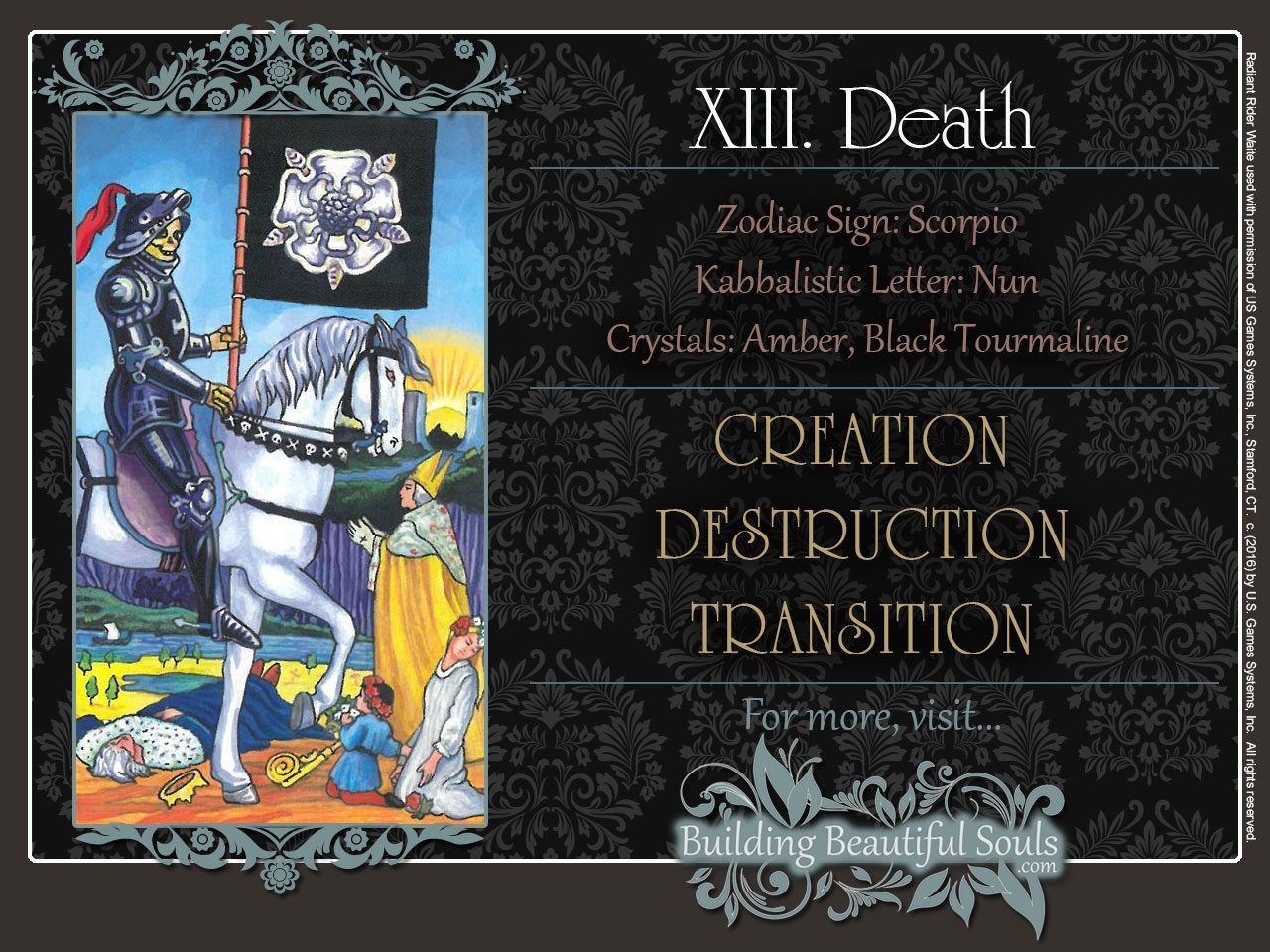
In the world of tarot, the Death card is perhaps the most misunderstood symbol in the deck. While a novice might recoil at the sight of the skeleton and scythe, a seasoned reader knows that Card XIII rarely signals a literal end. Instead, it represents transformation, the clearing of old paths, and the necessary conclusion of a cycle to make room for something superior. In the context of brand strategy, drawing the “Death card” is not a funeral notice for a business; it is a strategic mandate for radical evolution.

For brand architects and corporate strategists, the concept of “Death” is the ultimate tool for survival. Markets are not static, and consumer loyalty is not a permanent contract. To remain relevant, a brand must periodically undergo a process of creative destruction—systematically dismantling the elements of its identity that no longer serve the current landscape. Understanding what the Death card means for your brand strategy is about mastering the art of the pivot, the rebrand, and the rebirth.
The Symbolism of Transformation: Why Every Brand Needs a “Death” Phase
In tarot iconography, the Death card often depicts a rising sun on the horizon, signaling that every sunset is followed by a new dawn. In branding, this reflects the lifecycle of a corporate identity. No brand can exist in its original form forever without succumbing to the weight of its own obsolescence. The “Death” phase is a conscious decision to let go of legacy thinking to embrace the future.
Breaking the Fear of the End
The greatest hurdle to brand longevity is the fear of losing what has been built. Stakeholders often cling to outdated logos, stagnant product lines, or archaic messaging because these elements represent “the way things have always been.” However, the Death card teaches us that holding onto a dying system only accelerates its decline. Strategic “death” is a proactive choice. It involves recognizing that a specific brand narrative has reached its natural conclusion. By accepting this end, a brand gains the freedom to innovate without being tethered to the ghosts of past successes.
The Cycle of Innovation and Obsolescence
Economist Joseph Schumpeter famously coined the term “creative destruction” to describe the process of industrial mutation that incessantly revolutionizes the economic structure from within. In brand strategy, this is the literal application of the Death card. Innovation is not merely adding new features; it is often the act of making your own previous products or strategies obsolete. If you do not “kill” your own outdated brand pillars, your competitors will do it for you. The Death card in your strategy means identifying the “zombie” elements of your brand—those aspects that are moving but lack soul or relevance—and putting them to rest.
Identifying the Signs: When Your Current Identity Must Die
Knowing when to draw the Death card is a matter of strategic intuition and rigorous data analysis. A brand does not die overnight; it undergoes a slow erosion of trust, relevance, and market share. Recognizing these signals early allows a brand to manage its transformation on its own terms rather than being forced into a reactive crisis.
Cultural Misalignment
One of the most prominent signs that a brand identity needs to “die” is a fundamental misalignment with the cultural zeitgeist. Brands are cultural artifacts; they exist within a specific context of social values, aesthetics, and ethics. When a brand’s core message begins to clash with the evolving values of its target demographic, the friction creates a brand “debt” that eventually becomes unpayable. Whether it is an issue of inclusivity, environmental responsibility, or simply aesthetic taste, a brand that feels like a relic from a different era must undergo a symbolic death to reconnect with the modern consumer.
Stagnation and Technical Debt in Branding
In the tech and SaaS sectors, we often talk about “technical debt”—the implied cost of additional rework caused by choosing an easy solution now instead of using a better approach that would take longer. Brands accumulate “strategic debt” in much the same way. This happens when a company relies on temporary marketing hacks, inconsistent visual identities, or fragmented messaging to get through a quarter. Over time, these inconsistencies build up until the brand becomes a confusing patchwork of ideas. At this point, minor adjustments are insufficient. The Death card signifies that the brand must be stripped down to its core essence and rebuilt with a clean, cohesive architecture.
The Rebirth Process: Navigating the Transition from Old to New

If the Death card represents the end of the old, the period immediately following it is the most critical for a brand’s future. This is the transition phase—the space between the “no longer” and the “not yet.” Successfully navigating this requires a balance of ruthlessness and vision.
Strategic Deconstruction
The first step in a brand rebirth is a thorough audit of what stays and what goes. This is not just about changing a logo; it is about deconstructing the brand’s value proposition. A brand strategist must ask: If we were starting this company today, with our current knowledge and resources, what would it look like? This allows the team to separate the brand’s “eternal soul”—its core purpose—from its “physical body”—the specific products, names, and visuals that carry that purpose. The body can die, but the soul must be rehoused in a more modern vessel.
Managing Stakeholder Grief
One often overlooked aspect of a radical brand pivot is the psychological impact on internal and external stakeholders. Employees, investors, and long-term customers often have an emotional attachment to the old brand identity. They may view the change as a loss of heritage. A professional brand strategy must include a “grief management” component, which involves clearly communicating why the old brand had to die. By framing the change as an evolution rather than a failure, strategists can transform resistance into excitement for the new chapter.
Case Studies: Brands That Successfully Drew the Death Card
Looking at corporate history, we see that the most successful companies are those that were willing to let their old selves die to become something greater. These are brands that saw the Death card not as a threat, but as a blueprint for the future.
The Pivot from Physical to Digital
Consider the evolution of Netflix. At one point, the brand was synonymous with red envelopes and physical DVDs. The “Death” of their DVD-by-mail dominance was not a failure; it was a calculated move to kill their own successful business model to dominate the streaming landscape. Had they clung to the DVD model out of a sense of brand tradition, they would have followed Blockbuster into literal extinction. Instead, they embraced the Death card, pivoted their entire brand identity toward “on-demand digital entertainment,” and were reborn as a global content powerhouse.
Reclaiming Relevance through Radical Shifts
Apple in the late 1990s is another classic example of the Death card in action. Upon Steve Jobs’ return, the company had to “kill” dozens of product lines and a fragmented corporate identity that was losing millions. The “Think Different” campaign was a symbolic death and rebirth. It killed the image of Apple as a struggling computer manufacturer and gave birth to Apple as a lifestyle and design brand. They didn’t just change their marketing; they murdered their old way of doing business to make room for the iMac, the iPod, and eventually the iPhone.
Future-Proofing: Embracing Continuous Evolution
The final lesson of the Death card in brand strategy is that transformation is not a one-time event. In the modern business environment, the cycle of birth, death, and rebirth is accelerating. To be “future-proof” is to be in a constant state of evolution.
Building a Resilient Brand Architecture
A resilient brand is one that is built to change. This means creating a brand architecture that is modular rather than monolithic. When your brand is modular, you can “kill off” specific sub-brands or product identities without compromising the integrity of the parent organization. It allows for experimentation and failure. In this framework, the Death card is drawn frequently on a small scale, preventing the need for a massive, traumatic “death” of the entire corporation later on.
The Death card, therefore, is the strategist’s greatest ally. It serves as a reminder that stagnation is the only true end. By embracing the principles of transition, clearing away the obsolete, and focusing on the “rising sun” of new opportunities, a brand can achieve a form of immortality—not by staying the same, but by having the courage to die and be reborn as many times as the market demands.
aViewFromTheCave is a participant in the Amazon Services LLC Associates Program, an affiliate advertising program designed to provide a means for sites to earn advertising fees by advertising and linking to Amazon.com. Amazon, the Amazon logo, AmazonSupply, and the AmazonSupply logo are trademarks of Amazon.com, Inc. or its affiliates. As an Amazon Associate we earn affiliate commissions from qualifying purchases.