
In an increasingly digitized world, where our lives and livelihoods are intertwined with technology, the importance of safeguarding our physical environments has never been more critical. From bustling offices filled with high-value electronics to sprawling data centers housing indispensable digital assets, the threat of fire looms as a constant, catastrophic risk. While advanced fire suppression systems and smoke detectors play a vital role, the immediate, human-controlled response often hinges on a device that has remained fundamentally unchanged for decades: the fire extinguisher. Yet, for all its ubiquitous presence, the true power and effective application of a fire extinguisher lie not just in its availability, but in the immediate and accurate interpretation of the cryptic symbols adorning its side. These symbols are not mere decorative marks; they form a universal language, a critical tutorial for preventing disaster and protecting lives and technological investments. Understanding them is a fundamental aspect of comprehensive safety protocols, effectively serving as an analog interface for a critical safety gadget.
The Universal Language of Fire Classification
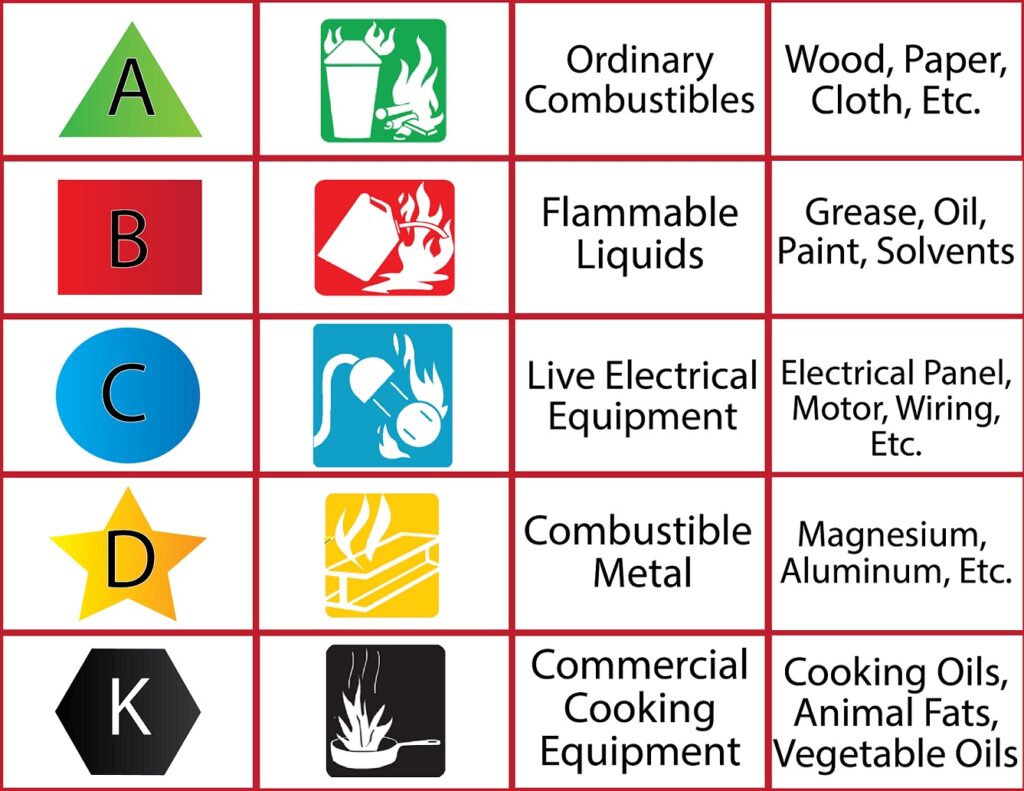
The first and most crucial step in effectively combating a fire, especially in environments rich with technology, is to understand its nature. Not all fires are created equal, and attempting to extinguish the wrong type of fire with an unsuitable agent can exacerbate the situation, causing more damage, injury, or even spreading the blaze. This is why international standards have established a universal system of fire classification, represented by distinct symbols.
Understanding Fire Classes (A, B, C, D, K)
Different fire classes indicate the type of fuel source involved, guiding the user to select the appropriate extinguishing agent.
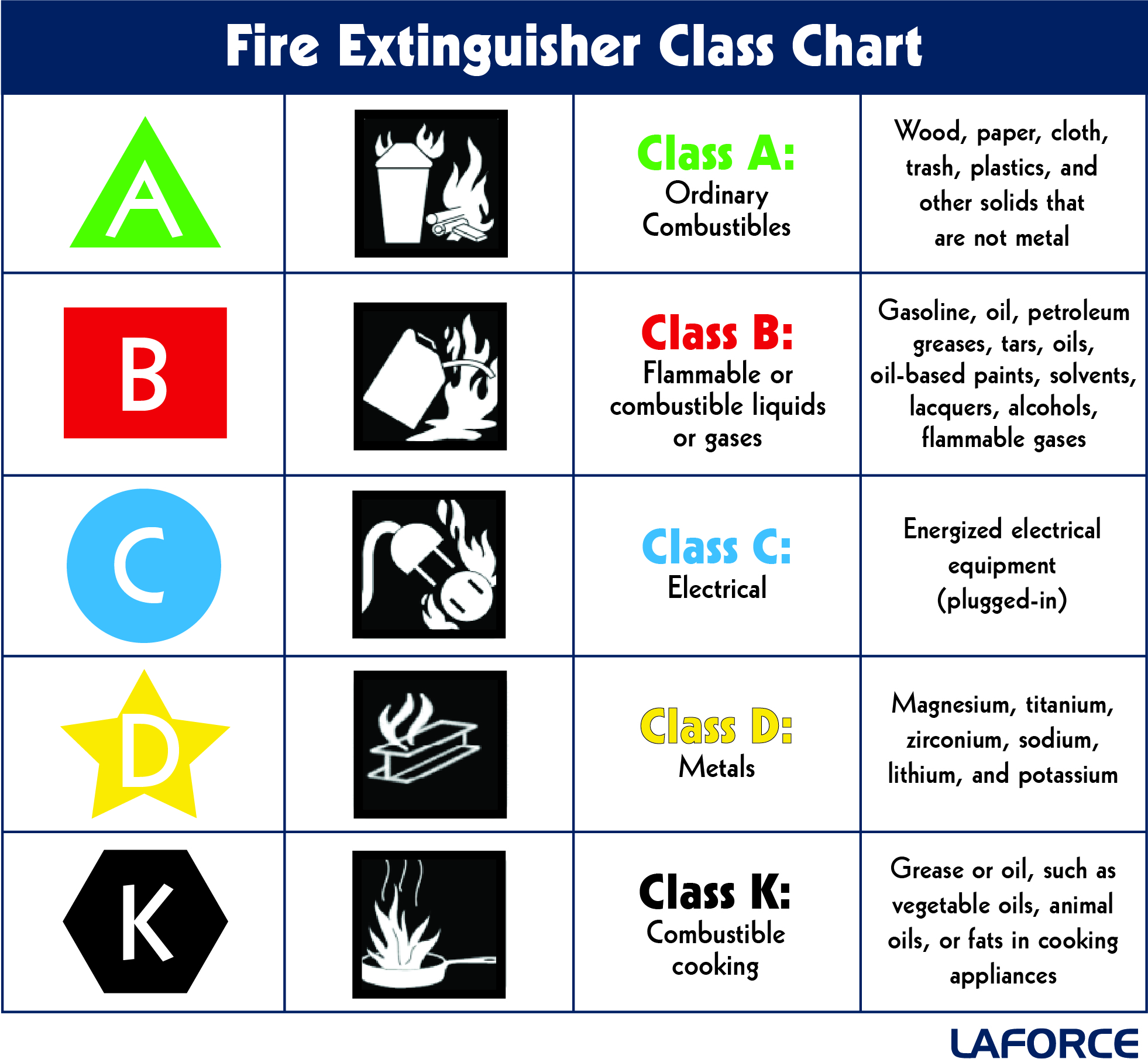
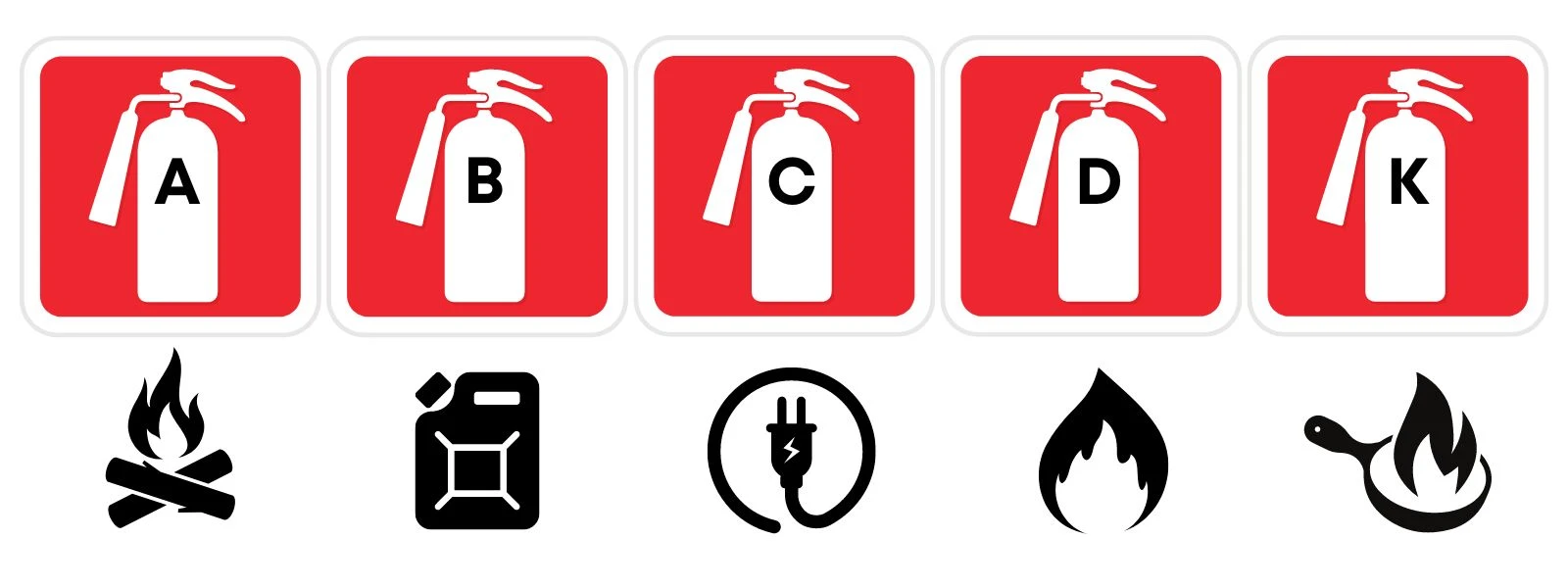
- Class A Fires (Combustible Solids): Represented by a green triangle with the letter ‘A’ inside, these fires involve ordinary combustible materials such as wood, paper, cloth, rubber, and plastics. In a tech environment, this could include office furniture, packaging materials, or even the plastic casing of older equipment. Water-based extinguishers are typically effective here.
- Class B Fires (Flammable Liquids & Gases): Identified by a red square with the letter ‘B’ inside, these fires involve flammable liquids like gasoline, oil, paint, solvents, and flammable gases. While less common in typical office spaces, these can occur in workshops, maintenance areas, or near fuel storage for backup generators. Foam or dry chemical extinguishers are usually recommended.
- Class C Fires (Energized Electrical Equipment): Crucially important for any tech-centric organization, Class C fires are depicted by a blue circle with the letter ‘C’ inside. These fires involve energized electrical equipment, wiring, and appliances. The critical distinction here is the energized component; once power is cut, it reverts to a Class A fire. Using water on a live electrical fire is extremely dangerous and ineffective. Carbon dioxide (CO2) or dry chemical extinguishers are standard for these types of fires as they are non-conductive.
- Class D Fires (Combustible Metals): Indicated by a yellow star with the letter ‘D’ inside, these are highly specialized fires involving combustible metals such as magnesium, titanium, zirconium, sodium, and potassium. These are rare in most commercial or tech settings but could be found in highly specific industrial or research environments. Special dry powder agents are required.
- Class K Fires (Cooking Oils & Fats): Represented by a black hexagon with the letter ‘K’ inside, these fires involve high-temperature cooking oils and fats typically found in commercial kitchens. While not directly relevant to server rooms, offices with large cafeterias or food service facilities should be equipped with Class K extinguishers.
Why Classification Matters for Tech Safety
For technology-intensive environments, the Class C designation is paramount. A server rack, a complex network switch, or a high-powered workstation all present potential sources of electrical fires. An accidental electrical short circuit, an overloaded power strip, or faulty wiring can quickly ignite surrounding components. Deploying the wrong extinguisher, such as a water-based one, on an energized Class C fire would not only be ineffective in controlling the blaze but would also risk electrocution for the operator and potentially spread the fire by conducting electricity. Furthermore, the corrosive residue from some dry chemical extinguishers can cause significant collateral damage to sensitive electronics, even if the fire is put out. This nuanced understanding, derived directly from the fire class symbols, is a cornerstone of digital asset protection and operational continuity.
Deciphering Extinguisher Type Symbols and Ratings
Beyond knowing the type of fire, understanding which extinguishing agent is inside the cylinder is equally vital. Each agent has specific properties that make it suitable for certain fire classes and unsuitable—or even dangerous—for others. Fire extinguishers also come with ratings that indicate their extinguishing capacity.
Common Extinguisher Agent Symbols
The type of extinguishing agent is often indicated by a pictogram or sometimes the full name of the agent on the label.
- Water (H2O): Often depicted with a picture of a water spray or stream. Suitable only for Class A fires. Absolutely not to be used on Class B, C, D, or K fires due to spreading flammable liquids, conducting electricity, or reacting with metals/fats.
- Foam: Usually shown with a picture of foam being discharged. Effective on Class A and Class B fires by cooling and blanketing the fuel. Can be safely used on some Class A components of a de-energized Class C fire but is conductive and should be avoided on live electrical equipment.
- Dry Chemical (ABC/BC): Commonly represented by a generic chemical powder symbol.
- ABC Dry Chemical: Contains monoammonium phosphate, effective on Class A, B, and C fires. It works by interrupting the chemical reaction of the fire. While versatile for Class C, its powdery residue can be highly corrosive and damaging to sensitive electronics, requiring extensive clean-up and potentially irreversible damage to circuits and hard drives. This is a trade-off in tech environments.
- BC Dry Chemical: Contains sodium bicarbonate or potassium bicarbonate. Effective on Class B and C fires. Less damaging than ABC residue but still messy.
- Carbon Dioxide (CO2): Often indicated by a symbol of CO2 gas or sometimes a snow-like discharge. Ideal for Class B and C fires. CO2 displaces oxygen and cools the fire. Crucially, it leaves no residue, making it the preferred choice for fires involving sensitive electronic equipment, data centers, server rooms, and control panels. However, it offers no residual protection against re-ignition and requires proper ventilation due to oxygen displacement.
- Clean Agent (e.g., Halon alternatives like Halotron I, FM-200, Novec 1230): While Halon is largely phased out due to environmental concerns, modern “clean agents” are designed to be non-conductive, non-corrosive, and leave no residue. They are highly effective on Class B and C fires and often rated for Class A components as well. These are the gold standard for protecting critical data and electronics, though often more expensive. Symbols vary but might include a chemical flask or a specific brand logo.
Navigating UL/FM Ratings and Their Implications
Beyond fire class compatibility, fire extinguishers carry numerical and alphabetical ratings from testing laboratories like Underwriters Laboratories (UL) or Factory Mutual (FM).
- Numerical Rating (e.g., 2A, 10B): The number preceding ‘A’ indicates the water equivalency (1 unit of ‘A’ rating is equivalent to 1.25 gallons of water). For Class B, the number indicates the square footage of fire that can be extinguished (e.g., 10B means it can extinguish 10 square feet of Class B fire). A higher number means greater extinguishing capacity.
- Alphabetical Rating (e.g., C, K): ‘C’ indicates suitability for Class C fires, ‘K’ for Class K, without a numerical rating as effectiveness is based on non-conductivity or specific chemical reaction rather than volume/area.
A typical rating like “2A:10B:C” means the extinguisher has the equivalent extinguishing power of 2.5 gallons of water on Class A fires, can extinguish 10 square feet of Class B flammable liquid fire, and is safe for use on Class C energized electrical fires. For tech environments, understanding these ratings ensures that the selected extinguisher is not just compatible with the fire class but also possesses sufficient power to tackle potential blazes in server racks, electrical closets, or office spaces. Strategic placement requires considering both fire class suitability and the scale of potential fires in that specific area.
Operational Indicators: Beyond the Fire Type
Once the appropriate extinguisher is identified, operational readiness and proper usage are paramount. Fire extinguishers also feature symbols and indicators that convey their functional status and provide crucial instructions for safe and effective deployment.
Pressure Gauges and Their Significance
Most stored-pressure fire extinguishers (excluding CO2 units which use weight) feature a pressure gauge. This gauge is a simple yet critical indicator of the extinguisher’s readiness.
- Green Zone: The needle should always point within the green section of the gauge, indicating that the extinguisher is properly pressurized and ready for use.
- Red Zones (Under or Over-Pressurized): If the needle is in the red zone (either too low or too high), the extinguisher is compromised. An under-pressurized unit will not discharge effectively, while an over-pressurized unit could be dangerous. In either case, it needs to be serviced immediately.
Regular checks of pressure gauges are a fundamental aspect of facility maintenance and a key component of a proactive physical security strategy for any tech-dependent operation. A non-functional extinguisher is as good as no extinguisher at all.
Pictograms for Use and Safety
Beyond the pressure gauge, many extinguishers feature universal pictograms designed to quickly convey crucial usage instructions and warnings, especially important in high-stress situations or for users who may not speak the local language.
- P.A.S.S. Method: While not always a symbol on the extinguisher, the P.A.S.S. method (Pull, Aim, Squeeze, Sweep) is often taught alongside extinguisher training. Some extinguishers might have simplified visual instructions depicting this sequence.
- “Do Not Use On” Symbols: Extinguishers specifically not suitable for certain fire classes might have a crossed-out pictogram indicating what they cannot be used on (e.g., a crossed-out electrical bolt on a water extinguisher).
- Safety Pin/Seal: A visual indicator of a tamper-proof seal and safety pin is often depicted, emphasizing that the pin must be pulled before operation.
- Discharge Horn/Nozzle: The design of the nozzle often indicates the agent type (e.g., a large, flared horn for CO2 to dissipate the cold gas safely, or a simple hose for water).
These visual cues are designed to reduce cognitive load during an emergency, enabling quick and correct action, protecting both the user and the assets at risk.
Integrating Fire Extinguisher Knowledge into a Holistic Safety Strategy
Understanding fire extinguisher symbols is not merely an isolated piece of information; it is a critical component of a comprehensive safety and security strategy, particularly pertinent in the realm of technology. For businesses and individuals relying heavily on electronic infrastructure, this knowledge contributes directly to resilience and continuity.
Training and Awareness in Modern Workplaces
In any modern workplace, especially those with significant IT infrastructure or sensitive electronics, regular fire safety training is indispensable. This training should go beyond basic evacuation drills to include hands-on instruction in selecting and operating the correct fire extinguisher. Employees, particularly those working in or managing server rooms, data centers, or electrical closets, must be fully conversant with fire classifications, extinguisher types, and operational procedures. Integrating this knowledge into routine safety briefings reinforces the importance of immediate, informed action, thereby protecting both human lives and valuable technological assets from devastating fire damage. This forms a critical part of physical security, complementing digital security measures.
Strategic Placement and Maintenance for Tech Environments
The proper placement of fire extinguishers, guided by an understanding of their symbols and ratings, is as important as their presence. Extinguishers suitable for Class C fires (like CO2 or clean agent) should be strategically located near server racks, electrical panels, network hubs, and uninterruptible power supply (UPS) systems. Locations where Class A materials (paper, cardboard) are prevalent, or where flammable liquids (Class B) might be stored, also require appropriate extinguishers.
Regular inspection and maintenance routines, including checking pressure gauges, seals, and physical condition, are non-negotiable. An extinguisher that isn’t regularly serviced is a liability, not an asset. Integrating these checks into broader facility management and security audits ensures that these vital tools remain ready for deployment when circumstances demand. This meticulous approach to physical safety underpins the reliability and security of digital operations.
Conclusion
The unassuming fire extinguisher, with its array of symbols and labels, is a potent guardian against one of the most destructive forces known to humanity. In an age where technology underpins virtually every aspect of our lives, understanding what these symbols indicate transcends basic safety; it becomes a fundamental aspect of asset protection, business continuity, and overall organizational resilience. From decoding fire classifications and extinguisher types to interpreting operational indicators and integrating this knowledge into a robust safety strategy, proficiency in this “analog interface” is a professional imperative. By empowering ourselves and our teams with this crucial understanding, we don’t just equip them with a tool; we arm them with the knowledge to safeguard lives, protect invaluable technological investments, and maintain the uninterrupted flow of our digital world.
aViewFromTheCave is a participant in the Amazon Services LLC Associates Program, an affiliate advertising program designed to provide a means for sites to earn advertising fees by advertising and linking to Amazon.com. Amazon, the Amazon logo, AmazonSupply, and the AmazonSupply logo are trademarks of Amazon.com, Inc. or its affiliates. As an Amazon Associate we earn affiliate commissions from qualifying purchases.