
The stock market, often perceived as a complex, esoteric realm, is in essence a fundamental engine of modern economies. Far from being a mere gambling arena, it serves several critical functions that underpin economic growth, facilitate wealth creation, and provide a barometer for financial health. At its core, the stock market is a sophisticated marketplace where ownership stakes in public companies are bought and sold, linking capital seekers with capital providers. Understanding its multifaceted role is crucial for anyone engaging with personal finance, business, or simply observing the global economic landscape.
The Core Function: Fueling Growth and Facilitating Capital
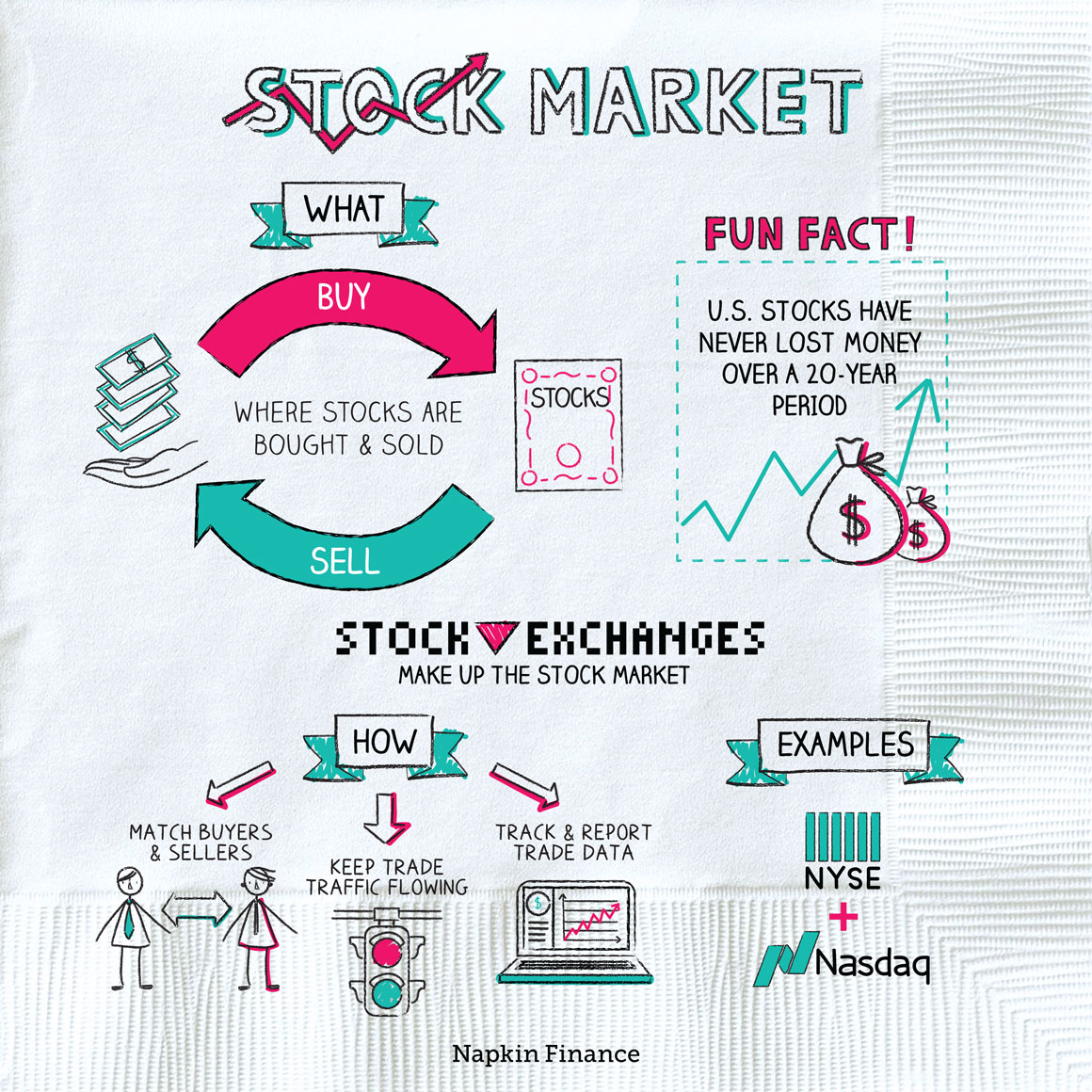
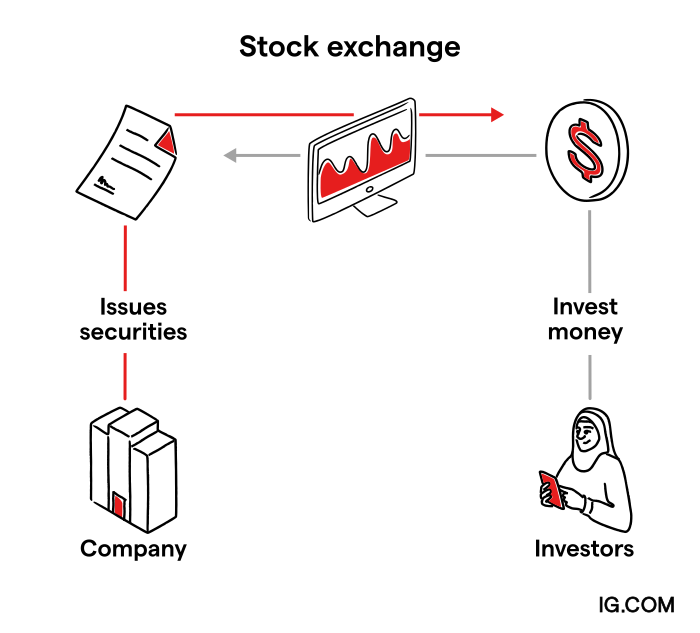
The primary purpose of the stock market is to facilitate the flow of capital from those who have it (investors) to those who need it (businesses). This fundamental exchange is vital for economic dynamism and innovation.
Connecting Capital with Opportunity
For companies, the stock market is a crucial source of funding. When a private company decides to “go public” through an Initial Public Offering (IPO), it sells shares of ownership to investors in exchange for capital. This influx of cash allows companies to expand operations, invest in research and development, acquire other businesses, pay down debt, or simply fund day-to-day activities. Without access to such large-scale capital, many innovative ventures and expansions would be impossible, stifling job creation and economic progress.
Conversely, for investors—whether individuals, pension funds, or endowments—the stock market offers an opportunity to put their savings to work. By purchasing shares, investors become part-owners of companies, hoping to profit from the company’s future success through capital appreciation (the increase in the stock’s value) and/or dividends (a portion of the company’s profits distributed to shareholders). This mechanism allows individuals to participate in the growth of leading businesses, potentially building substantial wealth over time.
Facilitating Capital Formation and Liquidity
The stock market is a prime example of a capital market, specifically designed for capital formation. It provides an efficient, transparent, and regulated environment for companies to raise significant amounts of long-term capital that might not be available through traditional bank loans or private funding rounds. The IPO is the most direct way for a company to access public capital, but even after a company is listed, it can issue additional shares through secondary offerings to raise more funds for new projects or acquisitions.
Equally important is the liquidity the stock market provides. For investors, liquidity means the ability to easily buy or sell their shares without significantly affecting the asset’s price. This ease of entry and exit makes investing in stocks attractive, as individuals and institutions can adjust their portfolios as their financial situations or market views change. Without this liquidity, investors would be hesitant to commit capital, as they might find it difficult to retrieve their funds when needed, thus undermining the entire capital formation process.
Mechanics of Operation: How Trades Happen
The seemingly chaotic daily fluctuations of stock prices are governed by a well-defined set of mechanisms, exchanges, and participants. Understanding these mechanics demystifies the process of how ownership changes hands and how prices are determined.
The Role of Stock Exchanges
At the heart of the stock market are stock exchanges like the New York Stock Exchange (NYSE) and NASDAQ. These are regulated marketplaces where securities (stocks, bonds, options, etc.) are listed and traded. Historically, exchanges were physical locations with trading floors, but increasingly, they operate primarily through electronic networks. These exchanges provide the infrastructure for buyers and sellers to connect, ensuring that transactions are executed efficiently and transparently. They set rules for listing companies, ensuring a certain level of financial stability and disclosure, and enforce regulations to maintain fair trading practices.
Understanding Stocks and Shares
A “stock” represents a fractional ownership interest in a corporation. When a company issues stock, it divides its ownership into many small units called “shares.” Each share entitles its holder to a claim on the company’s assets and earnings, proportionate to the number of shares owned. For instance, owning 1% of a company’s outstanding shares means you own 1% of that company. This ownership often comes with voting rights at shareholder meetings, allowing investors to influence company management decisions, albeit typically in proportion to their ownership stake.
Market Participants and Price Discovery
The stock market is a dynamic interaction between various participants. Investors place orders to buy or sell shares, typically through brokerage firms. These orders specify the stock, the number of shares, and often the price at which they wish to trade (e.g., a “market order” to buy/sell at the best available price or a “limit order” to buy/sell at a specific price or better).
Market makers, often large financial institutions, play a crucial role by continuously quoting both a “bid” price (the price at which they are willing to buy) and an “ask” price (the price at which they are willing to sell) for a given stock. This ensures there’s always a market for investors, providing liquidity.
Stock prices are ultimately determined by the forces of supply and demand. If more investors want to buy a stock than sell it, its price will generally rise. Conversely, if more investors want to sell a stock than buy it, its price will fall. This “price discovery” mechanism reflects investor sentiment, company performance, economic news, interest rate changes, geopolitical events, and a myriad of other factors, making stock prices a real-time reflection of perceived value and future expectations.
Key Players and Their Roles: A Diverse Ecosystem
The stock market ecosystem is populated by a diverse group of entities, each playing a distinct and crucial role in its operation and integrity.

Companies (Issuers)
These are the corporations that issue shares to the public to raise capital. From fledgling startups going through their IPOs to established multinational giants, companies rely on the stock market to fund their growth and operations. Their performance, strategic decisions, and financial health directly influence the value of their shares and, consequently, investor returns.
Investors (Buyers and Sellers)
Investors are the lifeblood of the stock market, providing the capital and liquidity necessary for its function. They can be broadly categorized:
- Individual Investors (Retail Investors): Everyday people who invest their personal savings in stocks, typically through online brokerage accounts. They might be saving for retirement, a down payment on a house, or other long-term financial goals.
- Institutional Investors: These are large organizations that manage money on behalf of others. This group includes pension funds, mutual funds, hedge funds, insurance companies, and university endowments. They often invest vast sums of money and can have a significant impact on stock prices due to the sheer volume of their trades.
Brokers and Financial Advisors
Brokerage firms act as intermediaries between investors and the stock exchanges. They execute buy and sell orders on behalf of their clients, often providing research, trading platforms, and customer service. Modern online brokers have democratized access to the stock market, making it easy for almost anyone to invest.
Financial advisors provide personalized guidance to investors, helping them set financial goals, create investment strategies, and manage their portfolios. They assess risk tolerance, time horizons, and financial needs to recommend suitable investments, which often include stocks.
Regulators
Government bodies and self-regulatory organizations play a vital role in ensuring the fairness, transparency, and integrity of the stock market. In the United States, the Securities and Exchange Commission (SEC) is the primary federal agency responsible for enforcing securities laws, protecting investors, and maintaining fair and orderly markets. Organizations like the Financial Industry Regulatory Authority (FINRA) also establish and enforce rules governing brokerage firms and brokers. These regulators aim to prevent fraud, insider trading, and market manipulation, building investor confidence and protecting the public from financial harm.
Economic Impact and Significance: Beyond Individual Portfolios
The stock market’s influence extends far beyond the individual investor’s portfolio, profoundly impacting national economies and global financial stability.
Indicator of Economic Health
The performance of the stock market is often viewed as a leading indicator of economic health. Rising stock prices can signal investor optimism about future corporate earnings and economic growth, while falling prices may indicate concerns about recessions or other economic challenges. While not a perfect predictor, market trends are closely watched by economists, policymakers, and businesses as they reflect collective expectations about the future.
Wealth Creation and Distribution
Over the long term, investing in the stock market has historically been one of the most effective ways for individuals to build wealth and outpace inflation. Through capital appreciation and dividends, stock ownership allows investors to grow their assets, contributing to retirement savings, educational funds, and overall financial security. This wealth creation can have a trickle-down effect, boosting consumer spending and investment in other sectors of the economy.
Efficient Allocation of Capital
The stock market directs capital towards its most productive uses. Companies with strong business models, innovative products, and good growth prospects tend to attract more investment, allowing them to expand further. Conversely, struggling companies may see their stock prices fall, making it harder for them to raise additional capital. This mechanism helps to allocate societal resources efficiently, rewarding successful enterprises and encouraging innovation.
Corporate Governance and Accountability
Publicly traded companies are subject to more stringent reporting requirements and public scrutiny than private companies. They must disclose financial results, executive compensation, and other pertinent information, fostering transparency and accountability. This often leads to better corporate governance practices, as management is answerable to a broad base of shareholders, who can exert influence through voting rights and investor activism.
Navigating the Stock Market: Principles for Participation
For individuals considering entering the stock market, understanding its core principles and adopting a disciplined approach are crucial for success.
Understanding Risk and Volatility
The stock market is inherently volatile, meaning prices can fluctuate significantly in short periods. There’s always a risk that an investment could lose value. Investors must understand their own risk tolerance—how much risk they are comfortable taking—and align their investments accordingly. Higher returns typically come with higher risk, and vice versa.
Diversification
A cornerstone of prudent investing is diversification. This involves spreading investments across different companies, industries, asset classes (e.g., stocks, bonds, real estate), and geographical regions. Diversification helps to mitigate risk by ensuring that the poor performance of one investment does not disproportionately harm the entire portfolio.
Long-Term Perspective vs. Short-Term Speculation
While short-term trading and speculation exist, the stock market’s true power for wealth creation lies in a long-term investment horizon. Holding quality investments for many years allows investors to benefit from compounding returns and to ride out short-term market fluctuations. Attempting to time the market or engage in frequent trading often leads to underperformance due to transaction costs and emotional decision-making.
Research and Due Diligence
Before investing in any stock, it is crucial to conduct thorough research. This includes understanding the company’s business model, financial health (e.g., revenue, earnings, debt), management team, competitive landscape, and future growth prospects. Basing investment decisions on solid fundamentals, rather than hype or rumors, significantly improves the chances of success.
In conclusion, the stock market is a powerful and intricate mechanism that drives capital formation, fosters economic growth, facilitates wealth creation, and acts as a vital indicator of economic health. While it presents opportunities for significant returns, it also carries inherent risks. A foundational understanding of its functions, participants, and operational principles, combined with a disciplined, long-term investment strategy, is essential for anyone seeking to navigate this indispensable pillar of the global financial system.
aViewFromTheCave is a participant in the Amazon Services LLC Associates Program, an affiliate advertising program designed to provide a means for sites to earn advertising fees by advertising and linking to Amazon.com. Amazon, the Amazon logo, AmazonSupply, and the AmazonSupply logo are trademarks of Amazon.com, Inc. or its affiliates. As an Amazon Associate we earn affiliate commissions from qualifying purchases.