
A stock market crash is one of the most unsettling events in the financial world, often sending ripples of panic and uncertainty through investors, businesses, and the broader economy. While the term itself evokes images of catastrophic losses and economic downturns, understanding what a crash truly entails—its causes, implications, and how to navigate its turbulent waters—is crucial for anyone involved in investing or personal finance. Far from being a mere blip, a significant market crash represents a complex confluence of economic factors, psychological reactions, and systemic vulnerabilities that can reshape financial landscapes for years to come.

At its core, a stock market crash is characterized by a sudden, steep, and often unexpected drop in stock prices across a major market index, such as the S&P 500 or the Dow Jones Industrial Average. While there’s no universally agreed-upon percentage, a drop of 10% or more within a single trading day, or a rapid succession of such drops over a very short period (days or weeks), is generally considered indicative of a crash. This dramatic decline is often fueled by a cascade of selling, driven by fear, forced liquidations, and a loss of confidence in the market’s future stability.
Understanding the Anatomy of a Market Crash
To truly grasp the meaning of a stock market crash, one must delve into its definitions, differentiate it from other market downturns, and identify the common catalysts that often precipitate such events. It’s a phenomenon that, while seemingly chaotic, often follows predictable patterns of build-up and collapse.
Defining a Stock Market Crash
A stock market crash is more than just a bad day for investors; it’s a profound systemic shock. Unlike a gradual decline, a crash is marked by its speed and severity. The precipitous fall typically exceeds what normal market volatility would account for, leading to widespread wealth destruction in paper terms. This isn’t just about individual stocks falling; it’s about a broad market index experiencing a significant and rapid devaluation. The psychological impact of such events often outweighs the immediate financial losses, as investor confidence can evaporate overnight, creating a self-reinforcing cycle of selling. The fear of further losses can lead to panic, causing investors to liquidate positions at any price, thereby exacerbating the downturn.
Distinguishing Crashes from Corrections and Bear Markets
It’s important to differentiate a crash from other market downturns, as each carries different implications and recovery trajectories.
- Market Correction: A market correction is typically defined as a decline of 10% or more from a recent peak in a broad market index. Corrections are common and often healthy, helping to reset valuations and prevent overheating. They are usually shorter in duration, lasting a few weeks to a few months, and do not necessarily signal a broader economic crisis.
- Bear Market: A bear market is a more prolonged and significant decline, generally defined as a drop of 20% or more from recent highs. Bear markets can last for months or even years and are often associated with economic recessions or slowdowns. While a crash can initiate a bear market, not all bear markets begin with a crash. A bear market implies a sustained period of pessimism and declining asset prices.
- Stock Market Crash: As mentioned, a crash is a rapid, severe, and often unforeseen drop, typically 10% or more in a day, or a very sharp decline over a few days/weeks, marking an extreme event. It’s the speed and magnitude over a very short period that distinguishes it from a more gradual correction or the sustained decline of a bear market. A crash is usually a catalyst for, or an intensification of, a bear market.
Common Triggers and Underlying Causes
Stock market crashes rarely occur in a vacuum. They are often the culmination of various interconnected factors, sometimes building slowly, other times emerging suddenly.
- Economic Bubbles Bursting: Periods of irrational exuberance can lead to asset bubbles, where prices detach from underlying fundamentals. When these bubbles burst (e.g., dot-com bubble, housing bubble), the resulting crash can be severe.
- Systemic Financial Risks: Issues within the financial system itself, such as excessive leverage, complex derivatives, or a crisis in one segment (e.g., banking), can trigger widespread panic and collapse. The 2008 global financial crisis is a prime example.
- Geopolitical Events: Major international conflicts, terrorist attacks, or significant political instability can create immense uncertainty, causing investors to flee risk assets.
- Sudden Economic Shocks: Unforeseen events like natural disasters, pandemics (e.g., COVID-19), or sudden shifts in commodity prices (e.g., oil shocks) can disrupt supply chains, depress demand, and trigger market downturns.
- High Interest Rates and Inflation: Rapid increases in interest rates by central banks to combat inflation can make borrowing more expensive, dampen economic activity, and make equity investments less attractive compared to bonds.
- Technological Malfunctions or Flash Crashes: While less common for sustained crashes, algorithmic trading errors or significant technological failures can cause ultra-rapid, temporary drops that feed into broader market anxiety.
- Loss of Confidence: Ultimately, many crashes are exacerbated by a loss of investor confidence. If investors believe that companies’ future earnings will decline or that the economy is heading into a recession, they will sell their holdings, regardless of current valuations.
The Far-Reaching Impact on Investors and the Economy
A stock market crash is not merely an abstract event; its consequences are tangible and deeply felt, extending from individual portfolios to the fabric of national and global economies.
Immediate Financial Consequences for Portfolios
For individual investors, the most immediate and painful consequence of a crash is the swift depreciation of their investment portfolios. Retirement accounts (401(k)s, IRAs), brokerage accounts, and college savings plans can see significant declines in value in a very short period. This can be particularly devastating for those nearing retirement, as they have less time to recover from losses. Paper losses, while not realized until assets are sold, can erode confidence and trigger emotional responses that lead to suboptimal decisions. Investors who are highly leveraged, meaning they’ve borrowed money to invest, can face margin calls, forcing them to sell assets at a loss or inject more capital, further fueling the downward spiral.
Psychological Toll and Investor Behavior
Beyond the financial hit, a market crash exacts a considerable psychological toll. Fear and panic become dominant emotions, overriding rational decision-making. Investors, driven by the instinct to protect remaining capital, often make the mistake of selling at the bottom, locking in losses that would have otherwise recovered over time. This “capitulation” phase is often a hallmark of a crash. The psychological impact can also lead to a general aversion to risk for an extended period, even after the market begins to recover, causing individuals to miss out on subsequent gains. Media sensationalism during a crash can further amplify these fears, creating a feedback loop of negative sentiment.
Broader Economic Repercussions and Recessionary Fears
The impact of a stock market crash extends far beyond the investing community. It can have profound implications for the broader economy.
- Consumer Confidence and Spending: A significant drop in stock values makes individuals feel poorer, a phenomenon known as the “wealth effect.” This can lead to reduced consumer spending, as people tighten their belts, fearing for their financial future. Since consumer spending is a major driver of economic growth, this slowdown can quickly contribute to a recession.
- Business Investment and Expansion: Companies rely on healthy capital markets to raise funds for expansion, research and development, and hiring. During a crash, raising capital becomes more difficult and expensive, leading businesses to cut back on investments, postpone projects, and even lay off employees.
- Credit Crunch: Banks and other financial institutions, which often hold significant investments in the market, may become more risk-averse. This can lead to a tightening of lending standards, making it harder for individuals and businesses to access credit, further stifling economic activity.
- Global Contagion: In an interconnected global economy, a crash in one major market can quickly spread to others, as international investors withdraw funds, and global trade and finance are disrupted.
Impact on Different Asset Classes
While stocks bear the brunt of a crash, other asset classes are also affected, though often differently.
- Bonds: Government bonds, especially those from stable economies (like U.S. Treasuries), often act as a “safe haven” during crashes. As investors flee stocks, they typically move into bonds, driving up bond prices and pushing down yields. However, corporate bonds can also suffer if companies face increased default risk.
- Real Estate: The impact on real estate can be more lagged. A stock market crash can reduce consumer wealth and confidence, leading to a decrease in demand for housing and commercial properties, potentially causing real estate prices to stagnate or decline.
- Commodities: Commodities like oil and industrial metals often see their prices fall during a crash, as economic slowdowns reduce industrial demand. Precious metals like gold, however, frequently act as a safe haven, similar to government bonds, and may see their prices rise as investors seek stability.
Navigating the Storm: Strategies for Investors
While market crashes are inevitable and can be frightening, a well-prepared and disciplined investor can not only survive but potentially thrive during such periods. The key is to avoid emotional reactions and stick to a robust financial plan.

The Importance of a Long-Term Perspective
Perhaps the most critical strategy during a crash is to maintain a long-term perspective. Historically, every single stock market crash has been followed by a recovery and subsequent new highs. Markets are cyclical. Those who panic and sell often lock in their losses, missing out on the eventual rebound. Long-term investors, particularly those with decades until retirement, have the advantage of time, allowing their portfolios to recover and grow. Focus on your long-term financial goals rather than the day-to-day fluctuations.
Diversification as Your First Line of Defense
A diversified portfolio is designed to mitigate risk across different asset classes, industries, and geographies. When one sector or asset class is suffering, others might perform better or at least hold their ground. Holding a mix of stocks, bonds, and potentially real estate or commodities can help cushion the blow of a crash. Diversification doesn’t guarantee against losses, but it significantly reduces the concentration of risk. For instance, during a stock market downturn, bonds often perform well, providing a valuable ballast.
Rebalancing and Dollar-Cost Averaging
- Rebalancing: Regularly rebalancing your portfolio means adjusting your asset allocation back to your target percentages. During a crash, stocks become a smaller percentage of your portfolio. Rebalancing would involve selling some of your relatively higher-performing assets (e.g., bonds) and buying more of the underperforming assets (stocks). This counter-intuitive strategy forces you to “buy low and sell high” automatically.
- Dollar-Cost Averaging: This strategy involves investing a fixed amount of money at regular intervals, regardless of market conditions. During a crash, your fixed investment buys more shares at lower prices. This reduces your average cost per share over time and removes the emotion from trying to “time the market.” It’s an incredibly effective strategy for long-term wealth accumulation, especially during volatile periods.
Avoiding Panic Selling and Seizing Opportunities
The greatest danger during a crash is panic selling. Giving in to fear and liquidating your holdings often means selling at or near the bottom, cementing losses that would otherwise be temporary. Instead, view a crash as an opportunity. For those with available cash, a market downturn can present a chance to buy high-quality companies at significantly reduced prices. Many successful investors have built fortunes by “buying when there’s blood in the streets,” as the old adage goes. However, this requires careful research and a strong stomach.
Reviewing Your Financial Plan
A market crash is an excellent time to revisit your overall financial plan.
- Emergency Fund: Ensure you have a robust emergency fund (3-6 months of living expenses) in a liquid, low-risk account. This prevents you from being forced to sell investments at a loss to cover unexpected expenses.
- Risk Tolerance: Reassess whether your current investment allocation aligns with your true risk tolerance. If the crash has made you intensely uncomfortable, you might consider a slightly more conservative approach moving forward, but implement changes thoughtfully, not reactively.
- Debt Management: Prioritize paying down high-interest debt, as this reduces financial pressure during economic uncertainty.
Historical Context and Lessons Learned
History is replete with examples of stock market crashes, each unique in its triggers but consistent in its aftermath: eventual recovery. Understanding this historical context provides perspective and reinforces the long-term view.
A Look Back at Notable Crashes
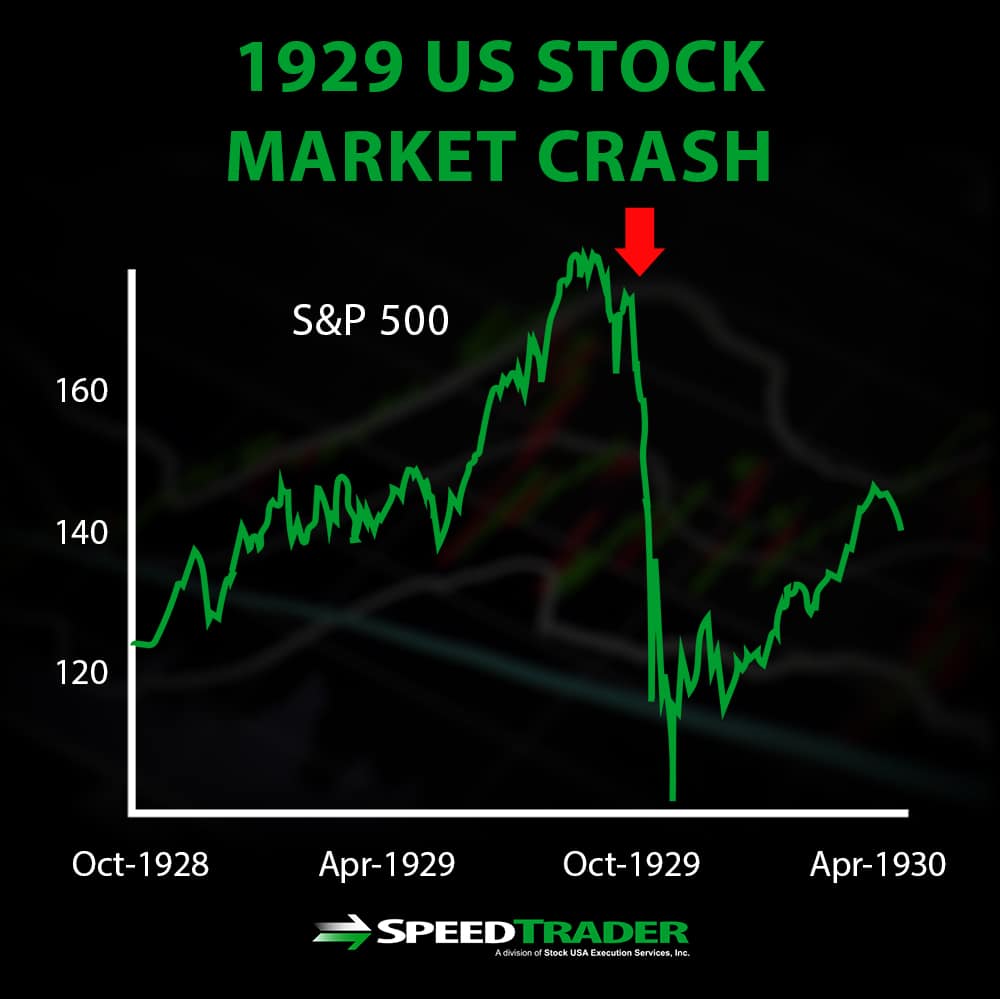
- The Great Depression (1929): The most famous crash, beginning with “Black Tuesday,” led to a decade-long economic depression. It highlighted the dangers of excessive speculation, leverage, and inadequate financial regulation.
- Black Monday (1987): A sudden, unexplained crash saw the Dow Jones Industrial Average drop 22.6% in a single day. While terrifying, it didn’t lead to a sustained recession, demonstrating market resilience.
- Dot-Com Bubble Burst (2000): The overvaluation of internet companies led to a multi-year bear market, particularly impacting tech stocks, but the broader economy recovered relatively quickly.
- Global Financial Crisis (2008): Triggered by the subprime mortgage crisis, this crash revealed systemic risks in the banking sector and led to a severe global recession. Government intervention and quantitative easing played a significant role in the recovery.
- COVID-19 Crash (2020): A sudden, pandemic-induced shutdown of global economies caused a swift, sharp crash. However, unprecedented fiscal and monetary stimulus led to an equally swift market recovery, illustrating the power of government intervention in modern markets.
The Inevitability of Market Cycles
These historical events underscore a fundamental truth: stock market cycles are inevitable. Periods of expansion and growth (bull markets) are always followed by periods of contraction and decline (bear markets or corrections), which sometimes include crashes. These cycles are driven by a complex interplay of economic fundamentals, corporate earnings, interest rates, investor sentiment, and geopolitical events. Accepting this cyclical nature helps investors prepare mentally and financially for downturns, viewing them as a normal, albeit uncomfortable, part of the investment landscape.
Market Resilience and Recovery Patterns
A crucial lesson from history is the market’s remarkable resilience. While crashes are devastating in the short term, markets have always recovered and eventually reached new highs. The duration and speed of recovery vary greatly depending on the underlying causes and policy responses, but the trend of long-term growth in equity markets remains unbroken. This is fundamentally linked to human innovation, economic adaptation, and the ability of businesses to create value over time.
Beyond the Headlines: The Opportunity in Adversity
While the immediate experience of a stock market crash is undoubtedly negative, a forward-looking perspective reveals opportunities that can arise from such adversity.
Identifying Undervalued Assets
For astute investors with capital on the sidelines, a crash presents a rare chance to acquire shares in fundamentally strong companies at discounted prices. Companies that were perhaps overvalued during the preceding bull market may suddenly become attractive. This requires thorough research into a company’s balance sheet, earnings potential, and competitive advantages, separating the truly resilient businesses from those facing existential threats. Buying during these periods, when fear is highest, can lead to substantial long-term returns.
The Role of Innovation and Economic Adaptation
Crashes often act as a cleansing mechanism, weeding out less efficient or overly leveraged companies. They can also spur innovation and economic adaptation. Businesses are forced to become more agile, efficient, and focused on core strengths. New technologies and industries can emerge from the ashes of older ones, laying the groundwork for the next wave of economic growth. Governments and central banks also learn lessons, often implementing new regulations or policies designed to prevent similar crises, although these are not always perfectly effective.
Preparing for the Next Upturn
Ultimately, understanding what a stock market crash means is about empowering oneself to navigate financial uncertainty. It’s about preparedness—having an emergency fund, a diversified portfolio, a long-term strategy, and the discipline to stick to it. While a crash may feel like the end of the world for your portfolio, it historically signals an opportunity for the patient and strategic investor. By understanding the cycles, maintaining composure, and making informed decisions, investors can position themselves to benefit from the inevitable recovery and the subsequent upturn in the market, transforming a period of adversity into a foundation for future financial growth.
aViewFromTheCave is a participant in the Amazon Services LLC Associates Program, an affiliate advertising program designed to provide a means for sites to earn advertising fees by advertising and linking to Amazon.com. Amazon, the Amazon logo, AmazonSupply, and the AmazonSupply logo are trademarks of Amazon.com, Inc. or its affiliates. As an Amazon Associate we earn affiliate commissions from qualifying purchases.