
In the landscape of modern fitness technology, few machines possess the iconic status and intimidating reputation of the StairMaster. While the casual gym-goer might view it simply as a set of rotating stairs, a deeper look into its architecture reveals a sophisticated blend of electromechanical engineering, biometric data processing, and integrated software ecosystems. When we ask, “What does the StairMaster do?” from a tech-centric perspective, we are not just looking at physical movement; we are examining how hardware and software converge to simulate one of the most metabolically demanding activities known to human kinematics.
Since its inception in the early 1980s, the StairMaster has evolved from a rudimentary hydraulic system into a high-tech data hub. Today’s iterations are equipped with advanced sensors, cloud connectivity, and precision-engineered resistance mechanisms that make them a cornerstone of the “connected gym” era.
The Engineering of Vertical Motion: Mechanics and Biometrics
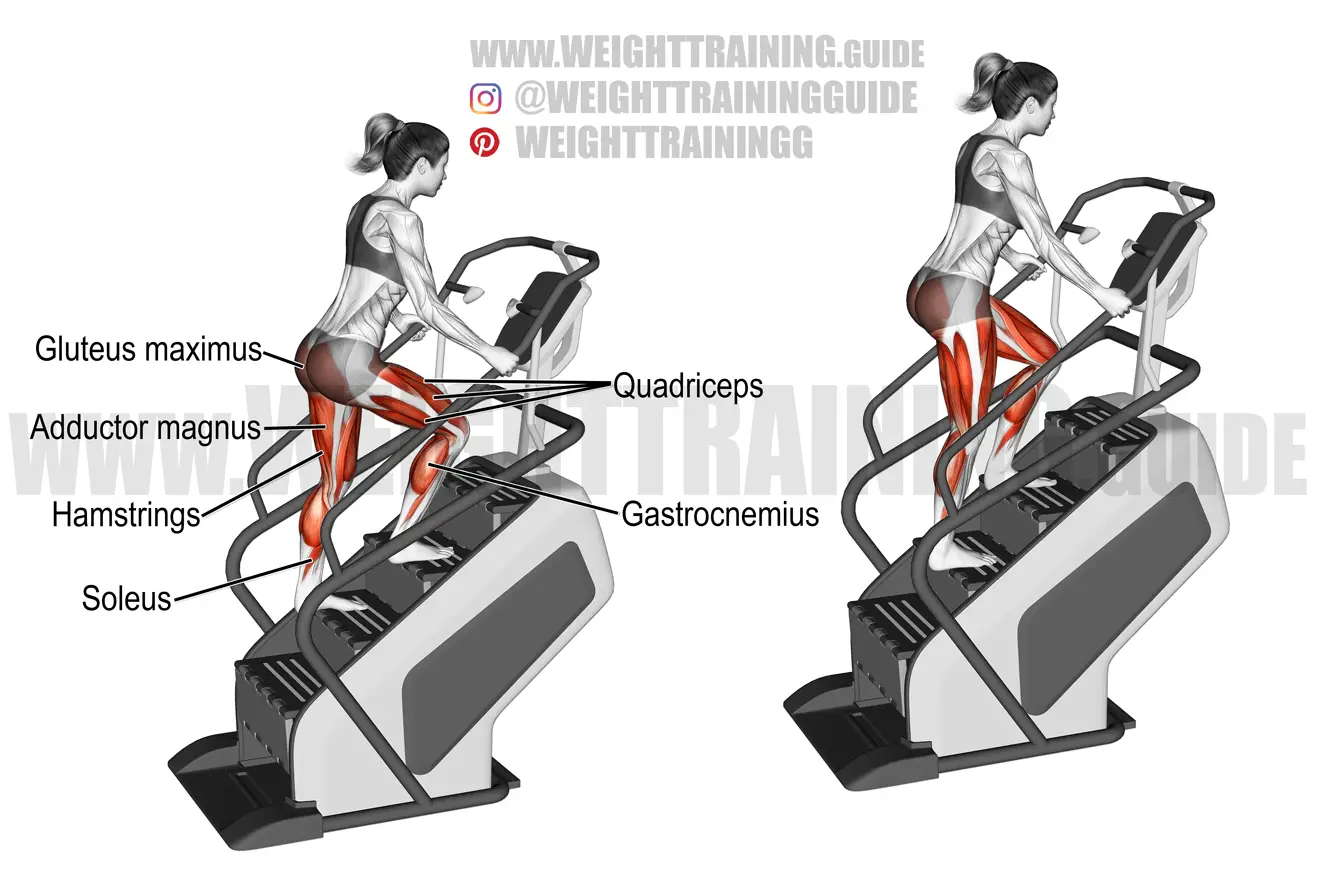
At its core, the modern StairMaster is a masterpiece of industrial design. Unlike a treadmill, which relies on a motorized belt to pull the user’s feet backward, the “StepMill” variety of the StairMaster uses a revolving staircase that forces the user to move against gravity constantly. This fundamental difference requires a complex internal drive system to ensure safety, consistency, and durability.
The Core Mechanism: Alternator-Driven Resistance
Modern StairMasters do not simply “spin.” They utilize an alternator-based braking system, similar to what you might find in an automobile, to regulate speed. When a user selects a level on the console, the machine’s software communicates with an electromagnetic brake or an alternator to provide a specific amount of resistance. This tech ensures that whether the user weighs 150 lbs or 250 lbs, the stairs rotate at the exact speed requested. The precision of these electronic controls allows for micro-adjustments in cadence, providing a smooth transition between “rest” and “sprint” intervals that manual systems could never achieve.
Biomechanical Alignment and User Safety Sensors
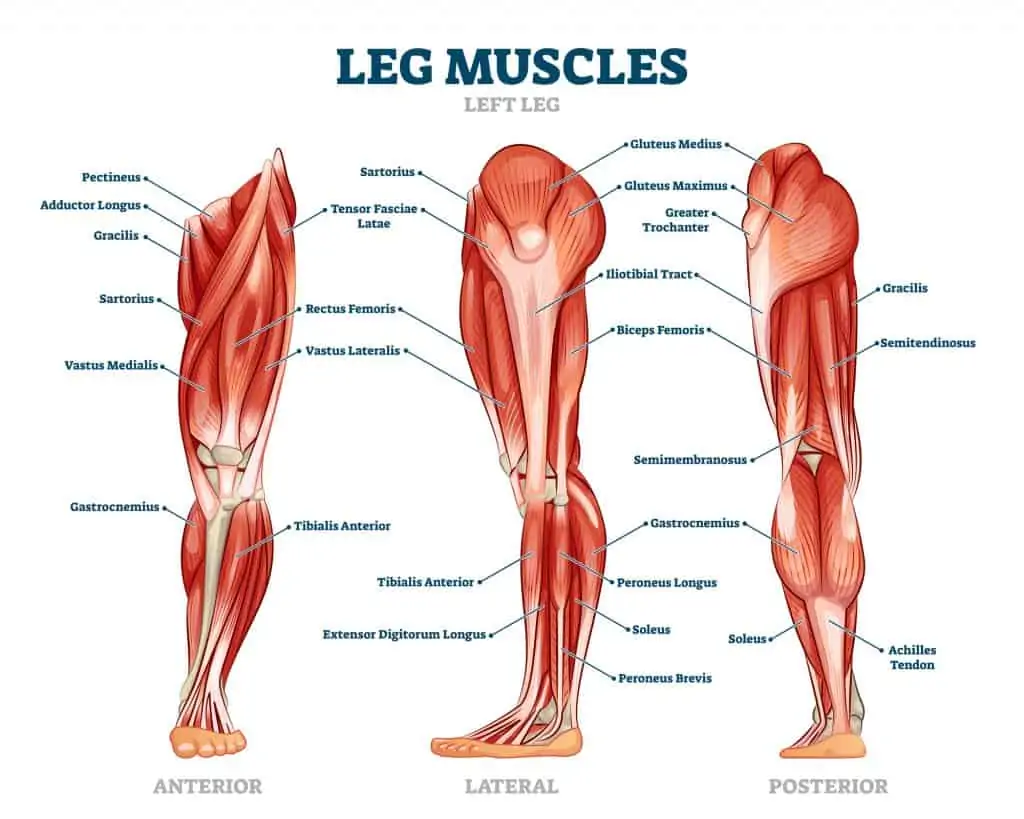
From a hardware perspective, the StairMaster is designed to protect the user’s joints through synchronized geometry. The “Step-up” height and “Step-down” depth are calculated using ergonomic software to minimize impact on the patellofemoral joint. Furthermore, the inclusion of infrared (IR) safety sensors is a critical tech feature. These sensors are typically located at the base of the revolving stairs; if they detect an obstruction or if a user slips toward the bottom of the mill, the software triggers an immediate mechanical override to freeze the stairs, preventing injury.
The Digital Ecosystem: Software Integration and User Interface
The transition from the “analog” gym to the “smart” gym has transformed the StairMaster’s console into a powerful computer. What the machine “does” now extends far beyond physical resistance; it serves as a portal for data aggregation and digital entertainment.
Open API and App Synchronization
Today’s high-end StairMaster units, such as those in the Gauntlet series, are built with connectivity as a priority. Through Bluetooth Low Energy (BLE) and Near Field Communication (NFC), these machines sync seamlessly with Apple Health, Google Fit, Garmin, and Strava. This “open ecosystem” approach allows the machine to transmit real-time data—including heart rate, steps climbed, and floors transcended—directly to a user’s wearable device. This eliminates the “data silo” problem that plagued older fitness tech, ensuring that every watt of energy expended is logged in the user’s broader digital health profile.
Virtual Landscapes and Gamified Cardio
To combat the psychological fatigue associated with high-intensity vertical training, manufacturers have integrated immersive software. High-definition touchscreens now offer “Landmark Challenges.” Using GPS data and high-resolution rendering, the software simulates climbing the Eiffel Tower, the Burj Khalifa, or the Statue of Liberty. This isn’t just a video loop; the software is synced to the machine’s motor. As the “virtual climb” gets steeper or the user nears the “summit,” the UI provides haptic-style feedback and visual cues that incentivize the user to maintain their pace, effectively gamifying the workout experience to increase user retention.
Advanced Resistance Algorithms and Electronic Braking Systems
The sophistication of a StairMaster lies in its ability to handle “load.” In the world of tech, load management usually refers to servers, but in fitness tech, it refers to the weight of the human body interacting with a motor.
The Role of Electromagnetic Resistance
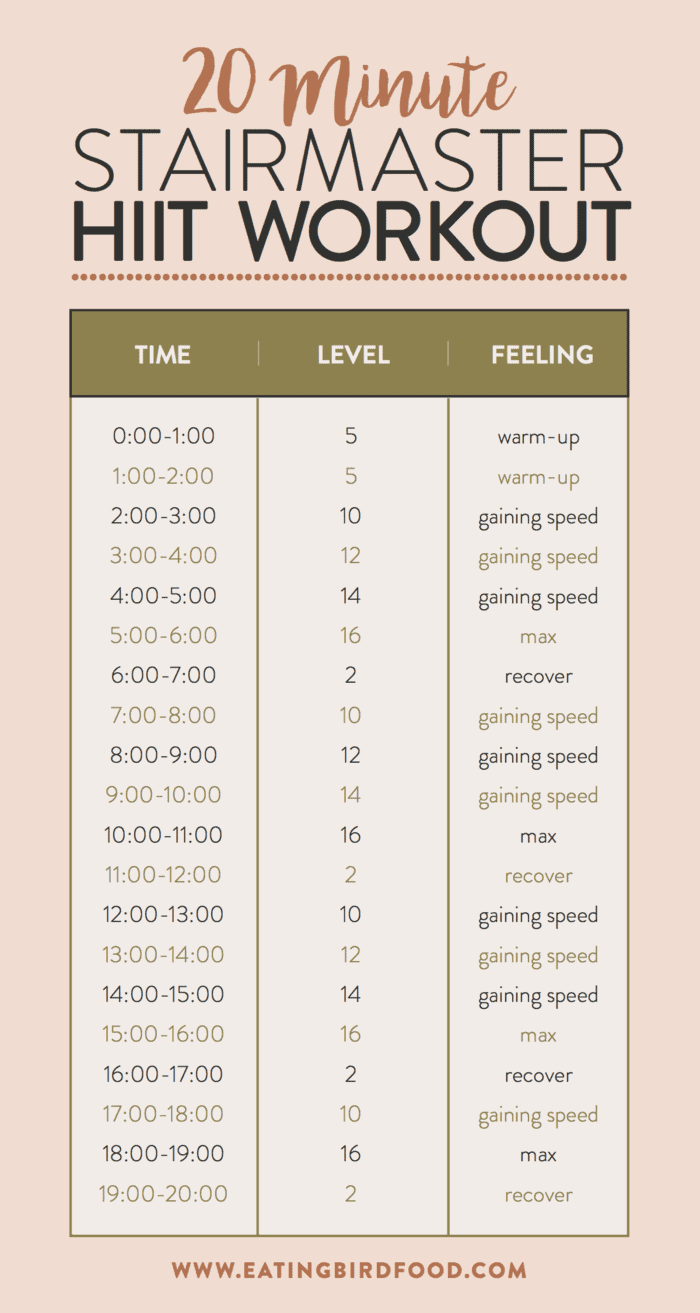
Older stair-climbing machines used hydraulic pistons which would overheat and lose consistency over time. Modern tech has replaced these with eddy current brakes and electromagnetic induction. This allows for nearly silent operation and, more importantly, digitized precision. The software can calculate the exact amount of “drag” needed to simulate different intensities. This allows for the implementation of High-Intensity Interval Training (HIIT) protocols directly into the machine’s firmware, where the resistance can spike and drop in milliseconds based on a pre-programmed algorithm.
AI-Driven Adaptive Workouts
Some of the newest entries in the vertical climbing market are experimenting with AI-driven adaptation. By monitoring a user’s heart rate via chest strap or hand-grip pulse sensors, the machine’s onboard processor can determine if the user is in their target anaerobic zone. If the heart rate exceeds a safe threshold, the software autonomously slows the revolutions per minute (RPM). Conversely, if the user’s heart rate suggests they are not being sufficiently challenged, the machine can suggest a “power play” to increase the resistance. This level of automated coaching represents the future of autonomous fitness gadgets.
Data Analytics: Quantifying Human Output
In the age of Big Data, the StairMaster has become a tool for granular performance analysis. For athletes and researchers, the machine is less about “climbing stairs” and more about “measuring output.”
Metrics That Matter: VO2 Max and METs
The onboard computers of modern StairMasters are calibrated to calculate METs (Metabolic Equivalents) and estimated VO2 Max. This is achieved through complex mathematical models that factor in the user’s age, weight, and the vertical distance covered. For a tech-savvy user, these metrics are more valuable than a simple “calories burned” counter, which is often an overestimation. By analyzing METs, the software provides a standardized way to compare the intensity of a StairMaster session with other activities like cycling or rowing, allowing for a more scientific approach to cross-training.
Cloud-Based Asset Management for Fleet Owners
For gym owners, the “tech” of the StairMaster includes the “OpenHub” or similar cloud-based management systems. Each machine is a node on a network. The software tracks “miles” climbed and identifies when the drive chain or the alternator is reaching its failure point based on historical data. This predictive maintenance tech ensures that the machines remain operational, sending alerts to technicians before a breakdown occurs. In a commercial setting, this IoT (Internet of Things) integration is essential for maintaining a high-functioning digital facility.
The Future of Vertical Training: IoT and Beyond
As we look forward, the question of “what the StairMaster does” will continue to be answered by advancements in software and connectivity. We are already seeing the integration of streaming services like Netflix and Spotify directly into the console, but the next frontier is likely Augmented Reality (AR).
Imagine a StairMaster paired with AR glasses where the user isn’t just looking at a screen of the Grand Canyon but is virtually “stepping” through it, with the machine’s resistance perfectly synced to the virtual terrain’s incline. Furthermore, as wearable tech becomes more adept at measuring lactic acid thresholds and oxygen saturation, we can expect StairMasters to communicate even more deeply with our biological data, adjusting the “stairs” in real-time to optimize for fat oxidation or cardiovascular endurance.
In conclusion, the StairMaster is far more than a staple of the “cardio floor.” It is a sophisticated piece of technology that utilizes electromagnetic physics, complex algorithms, and cloud connectivity to provide a controlled, measurable, and highly efficient vertical training experience. It bridges the gap between old-school grit and new-age data, proving that even the most basic human movement—climbing—can be revolutionized by the right tech stack.
aViewFromTheCave is a participant in the Amazon Services LLC Associates Program, an affiliate advertising program designed to provide a means for sites to earn advertising fees by advertising and linking to Amazon.com. Amazon, the Amazon logo, AmazonSupply, and the AmazonSupply logo are trademarks of Amazon.com, Inc. or its affiliates. As an Amazon Associate we earn affiliate commissions from qualifying purchases.