
The “sell by” date emblazoned on our groceries is a common sight, a seemingly simple directive that influences our purchasing and consumption habits. While its primary purpose is to guide retailers on inventory management and product freshness, understanding its financial implications is crucial for both consumers and businesses. Beyond simply indicating when food is no longer at its peak quality, the “sell by” date has a tangible impact on our wallets, contributes to significant financial losses through waste, and shapes the very economics of the food industry. From strategic purchasing decisions to the cost of food waste, deciphering the true meaning of “sell by” offers a valuable lens through which to view our personal finances and the broader business landscape.

The Consumer’s Purse: Navigating “Sell By” Dates for Smarter Spending
For the individual consumer, the “sell by” date is often misconstrued as a hard deadline for consumption, leading to unnecessary food waste and, consequently, increased grocery bills. A clear understanding of what these dates actually signify can empower shoppers to make more informed decisions, reduce spoilage, and stretch their food budgets further.
“Sell By” vs. “Use By” vs. “Best By”: Decoding the Labels and Their Financial Ramifications
The confusion surrounding food expiration dates is a significant driver of waste. Understanding the subtle but important distinctions between “sell by,” “use by,” and “best by” dates is the first step towards financial prudence.
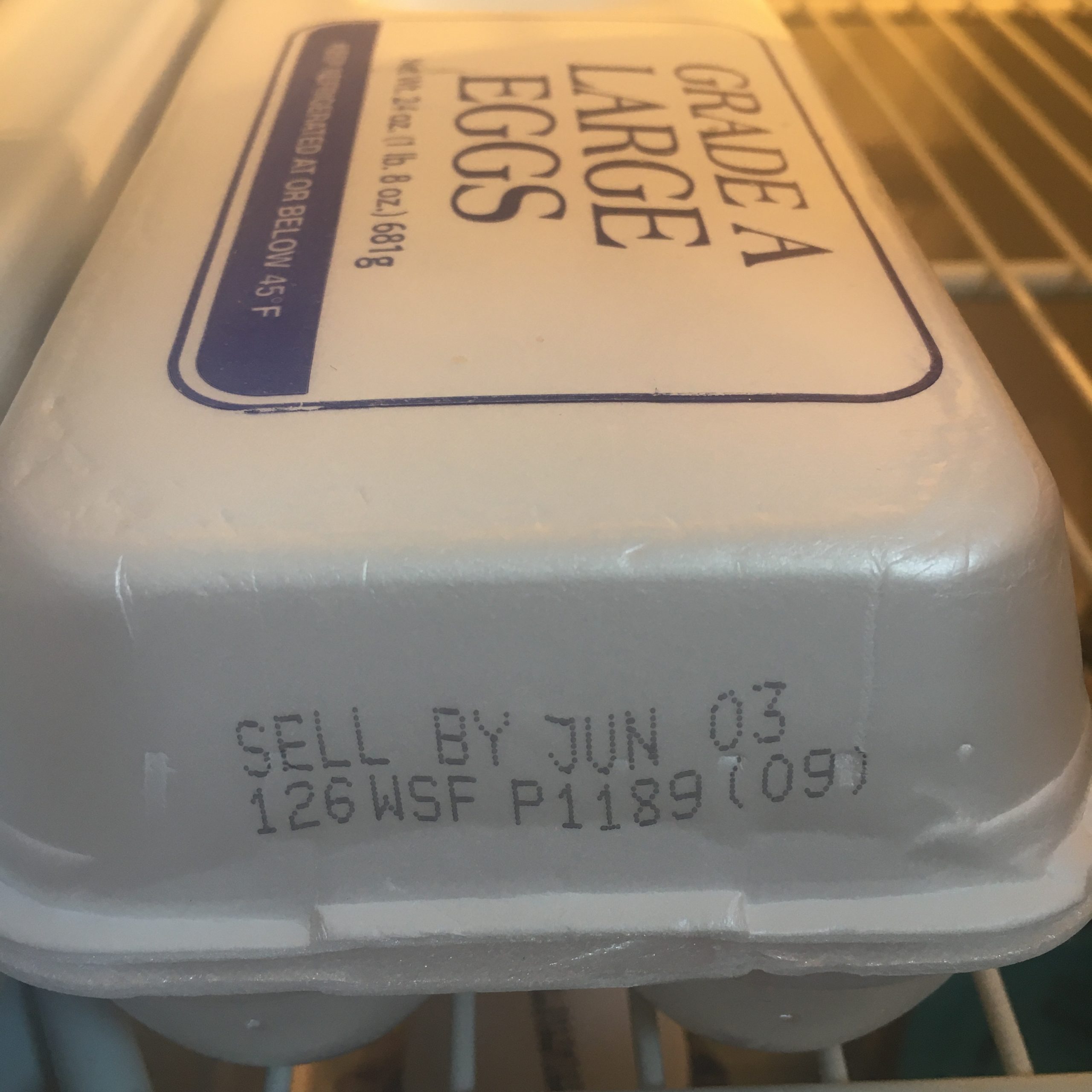
- “Sell By” Dates: These dates are primarily for the retailer. They indicate the last day a store should sell a product to ensure it’s at optimal quality for consumers. The product is typically still safe and of good quality for a period after this date, provided it’s been stored correctly. For consumers, this date offers a buffer. Buying items nearing their “sell by” date can sometimes lead to discounts, a smart strategy for budget-conscious shoppers looking to stock up on non-perishables or items that will be consumed quickly. However, it’s essential to assess the product’s condition visually and by smell to ensure it’s still suitable for purchase.
- “Use By” Dates: This is the most critical date for consumer safety. It typically applies to highly perishable foods like meat, fish, and pre-prepared salads. After the “use by” date, the food may no longer be safe to eat, even if it looks and smells fine. Consuming food past its “use by” date can lead to foodborne illnesses, resulting in medical expenses and lost productivity – a direct financial cost. Conversely, discarding perfectly good food simply because it’s a day past its “use by” date represents a significant financial loss for the household.
- “Best By” or “Best If Used By” Dates: These dates relate to the product’s quality, not its safety. They indicate when a product is expected to be at its best flavor or texture. Foods past their “best by” date are generally still safe to consume, although their taste or texture might have slightly diminished. For example, a box of crackers might be a bit less crisp or a jar of jam might have a slightly less vibrant flavor after its “best by” date, but it remains perfectly edible and safe. Over-reliance on these dates can lead to discarding perfectly good food, directly impacting a household’s grocery expenditure.
By internalizing these distinctions, consumers can confidently purchase items that might be approaching their “sell by” date, potentially securing them at a reduced price, while also exercising caution with items past their “use by” date. This nuanced approach minimizes unnecessary spending and reduces the financial impact of discarding edible food.
Strategic Stockpiling and “Sell By” Dates: Maximizing Value, Minimizing Waste
The “sell by” date can be a powerful tool for strategic grocery shopping, enabling consumers to maximize the value they receive for their food budget. This involves understanding the typical shelf life of products beyond their “sell by” date and planning purchases accordingly.

- The Discount Advantage: Grocery stores often discount products nearing their “sell by” date to move inventory. Savvy shoppers can exploit this by purchasing these items for meals they plan to consume within a few days or by freezing them for later use. This is particularly effective for staples like bread, dairy products, and even some meats. The savings accumulated over time can be substantial, directly contributing to a healthier personal finance situation.
- Freezing as a Financial Shield: Many foods that are nearing their “sell by” date can be frozen to extend their usability significantly. Meats, fruits, vegetables, and even baked goods can be safely frozen, effectively pausing their expiration. This strategy prevents perfectly good food from being discarded and allows consumers to take advantage of bulk purchases or sales, further optimizing their grocery spending. Proper freezing techniques ensure that the quality is maintained, and the financial benefit of not having to repurchase is realized.
- Understanding Product Lifecycles: Beyond the printed date, consumers can learn about the typical safe consumption period for various food types after their “sell by” date. For instance, milk might be good for a few days after the “sell by” date if stored properly. Canned goods, when stored in a cool, dry place, can often remain safe and edible for years past their “best by” dates. This knowledge empowers consumers to make informed decisions about whether to consume or discard, preventing premature disposal and saving money.
By treating “sell by” dates not as absolute cutoffs but as indicators within a broader context of food safety and quality, consumers can transform their grocery shopping from a routine expense into a financially strategic endeavor.
The Business Bottom Line: “Sell By” Dates and the Economics of Food Retail
For food businesses, the “sell by” date is a cornerstone of inventory management and plays a pivotal role in their financial health. Mismanagement of these dates can lead to significant financial losses through spoilage, markdowns, and ultimately, a dent in profitability.
Inventory Management and Shrinkage: The Financial Drain of Outdated Stock
The efficient management of inventory is a critical factor in the profitability of any food-related business. “Sell by” dates directly influence this process, and any inefficiencies can translate into substantial financial “shrinkage.”
- The Cost of Overstocking: When businesses overorder products that are nearing their “sell by” date, they risk having to discard a significant portion of that inventory. This discarded product represents a direct financial loss – the cost of goods sold that generated no revenue. For large retailers, this can amount to millions of dollars annually. Implementing robust forecasting and inventory tracking systems is essential to minimize this financial drain.
- The Impact of Markdowns: To mitigate the financial losses from expired or soon-to-expire inventory, businesses often resort to markdowns. While this can recover some of the cost of goods, it significantly reduces profit margins. The more frequently a business has to implement deep discounts due to poor “sell by” date management, the lower its overall profitability will be. This can create a cycle where lower profit margins necessitate more aggressive sales, potentially leading to further inventory challenges.
- “Shrinkage” and its Financial Manifestation: In retail, “shrinkage” refers to the loss of inventory due to various factors, including spoilage, theft, and damage. Products expiring past their “sell by” date are a significant contributor to shrinkage. The financial impact of this shrinkage directly reduces a business’s net profit. Effective inventory rotation (First-In, First-Out or FIFO) and careful monitoring of “sell by” dates are crucial strategies to minimize this financial leakage.
Supply Chain Optimization and “Sell By” Dates: Ensuring Profitability from Farm to Fork
The “sell by” date is not just a concern at the retail level; it permeates the entire food supply chain. Efficient management of these dates throughout the chain is essential for minimizing waste and maximizing financial returns for all stakeholders.
- Producer and Distributor Challenges: Producers and distributors are under pressure to move products quickly to retailers before their “sell by” dates expire. Delays in transportation, unforeseen demand fluctuations, or inefficient logistics can lead to products expiring in transit or at distribution centers, resulting in significant financial losses for these entities. Investment in cold chain technology and optimized routing can help mitigate these risks.
- The Role of Technology in Tracking: Modern businesses are increasingly leveraging technology to better manage “sell by” dates. Advanced inventory management software, barcode scanning systems, and data analytics can provide real-time visibility into product stock, expiration dates, and sales trends. This data allows for more accurate forecasting, proactive markdowns, and informed purchasing decisions, ultimately reducing waste and improving financial performance. For instance, AI-powered systems can predict demand with greater accuracy, leading to more efficient ordering and reduced spoilage.
- Minimizing Food Waste, Maximizing Financial Efficiency: Globally, food waste represents a colossal financial burden. When businesses implement strategies to effectively manage “sell by” dates, they not only reduce their own financial losses but also contribute to a more sustainable and economically efficient food system. This can involve partnerships with food banks to donate near-expiry products, or investing in technologies that extend shelf life, all of which have positive financial implications.
By viewing “sell by” dates through a financial lens, both consumers and businesses can unlock significant savings, reduce waste, and foster a more economically sound approach to food consumption and distribution. It’s a simple label, but its impact on our financial well-being is far-reaching.
aViewFromTheCave is a participant in the Amazon Services LLC Associates Program, an affiliate advertising program designed to provide a means for sites to earn advertising fees by advertising and linking to Amazon.com. Amazon, the Amazon logo, AmazonSupply, and the AmazonSupply logo are trademarks of Amazon.com, Inc. or its affiliates. As an Amazon Associate we earn affiliate commissions from qualifying purchases.