
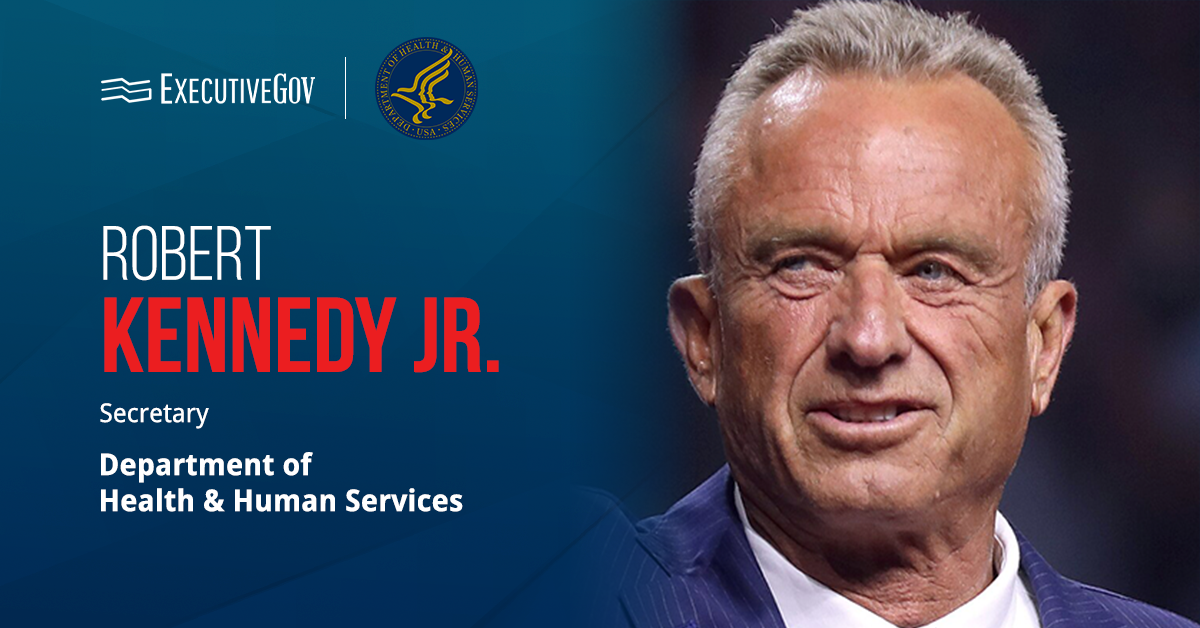
When most citizens consider the role of the Secretary of Health and Human Services (HHS), they visualize a figurehead concerned primarily with hospital protocols, disease control, and public health messaging. While these are critical components of the job, a closer examination through a financial lens reveals a different reality: the Secretary of HHS is arguably the most influential financial officer in the federal government outside of the Treasury.
Managing a budget that exceeds $1.7 trillion—a figure larger than the entire GDP of many developed nations—the Secretary sits at the center of the American economy. This role dictates the flow of capital into the private sector, influences the solvency of the nation’s largest entitlement programs, and shapes the financial stability of millions of American households. To understand what the Secretary of Health and Human Services does is to understand the mechanics of the largest economic engine in the United States.

1. Orchestrating the World’s Largest Budget
The primary function of the Secretary of HHS is the stewardship of a budget that accounts for nearly a quarter of all federal outlays. This isn’t merely administrative oversight; it is a complex exercise in fiscal management and resource allocation that affects every sector of the American economy.
The Trillion-Dollar Responsibility
The HHS budget is dominated by mandatory spending, primarily through the Centers for Medicare & Medicaid Services (CMS). The Secretary is responsible for the distribution of these funds, ensuring that the financial pipelines to healthcare providers, state governments, and pharmaceutical companies remain operational. When the Secretary proposes a budget or adjusts payment models, they are effectively shifting hundreds of billions of dollars. This level of capital movement dictates the profit margins of hospital systems and the investment strategies of healthcare real estate trusts.
Managing Medicare and Medicaid Solvency
Perhaps the most daunting financial task the Secretary faces is the long-term actuarial sustainability of Medicare. As the “chief trustee” of these funds in a practical sense, the Secretary must navigate the rising costs of care against a shrinking ratio of workers to retirees. Their decisions regarding “Value-Based Care”—moving away from fee-for-service models to outcome-based payments—are designed to curb the exponential growth of healthcare spending. This is a macro-economic necessity; if the Secretary cannot manage the internal inflation of healthcare costs, it threatens the broader fiscal health of the United States.
2. Market Influence and Corporate Impact
The Secretary of HHS does not just spend money; they move markets. Because the federal government is the single largest purchaser of healthcare services and products in the world, the policy decisions made at the top of HHS have immediate and profound effects on the private sector, particularly for those in the pharmaceutical and insurance industries.
Regulating the Pharmaceutical Economy
With the implementation of new legislative powers, such as the ability to negotiate drug prices for Medicare, the Secretary has become a central figure in the pharmaceutical marketplace. This isn’t just a health policy; it is a massive intervention in the business models of “Big Pharma.” By setting price caps or negotiating rebates, the Secretary directly impacts the R&D budgets and stock valuations of multi-billion dollar corporations. Investors watch the Secretary’s directives closely, as a single administrative change regarding drug reimbursement can wipe out or create billions in market capitalization overnight.
Impact on Private Insurance Markets
Through the oversight of the Affordable Care Act (ACA) exchanges, the Secretary influences the competitive landscape of the private insurance industry. By adjusting “risk adjustment” programs and subsidy levels, the Secretary determines whether it is profitable for private insurers to enter or exit specific markets. This creates a ripple effect throughout the financial sector, affecting everything from corporate earnings reports to the premiums that small businesses must pay to cover their employees. The Secretary essentially acts as a market maker, balancing the financial viability of private entities with the public need for affordable coverage.
3. The Business of Public Health and Innovation
While the majority of the HHS budget goes toward direct care, the Secretary also oversees the financial catalysts for the next generation of economic growth: biomedical research and development. Through agencies like the National Institutes of Health (NIH) and the Biomedical Advanced Research and Development Authority (BARDA), the Secretary manages a portfolio of high-risk, high-reward investments.
Funding the NIH and Biomedical Research
The Secretary oversees the distribution of approximately $48 billion in annual funding through the NIH. This is not “charity”; it is foundational capital for the biotechnology industry. A significant percentage of the most profitable drugs and medical devices on the market today originated from NIH-funded research. By prioritizing certain areas—such as genomics, AI in diagnostics, or neuroscience—the Secretary signals to venture capitalists and private equity firms where the next “boom” in health-tech will occur. This creates a public-private synergy that fuels the American competitive advantage in the global life sciences market.
Grant Allocation and Economic Stimulus
Beyond pure research, the Secretary manages the distribution of grants to community health centers, rural clinics, and social service providers. In many American towns, the local healthcare facility is the largest employer. By directing federal funds toward these institutions, the Secretary acts as a regional economic stabilizer. During public health emergencies, the Secretary’s power to release “Provider Relief Funds” acts as a massive stimulus package, preventing a cascade of bankruptcies in the healthcare sector that would otherwise lead to massive unemployment and localized economic depressions.
4. Personal Finance and the American Household
Ultimately, the Secretary’s decisions filter down to the “kitchen table” level of finance. Healthcare is the leading cause of bankruptcy in the United States, and the Secretary’s role in controlling costs is the government’s most direct tool for protecting the personal wealth of its citizens.
Reducing Healthcare Costs for Consumers
The Secretary works to lower the “out-of-pocket” maximums and eliminate “surprise billing,” which are direct protections for consumer savings. By enforcing transparency in hospital pricing, the Secretary empowers individuals to act as informed consumers, fostering a more competitive marketplace that theoretically lowers costs. For the average American, the Secretary’s success in these areas determines whether they can save for retirement or if their wealth will be consumed by medical debt.
Long-term Financial Planning and HHS Policy
As the population ages, the financial burden of long-term care becomes a primary concern for middle-class families. The Secretary’s oversight of Medicaid’s long-term care provisions and the regulation of private long-term care insurance determines how families plan for the end of life. When the Secretary introduces policies that support “aging in place” or home-based care, they are essentially providing a financial roadmap for families to preserve their assets. The intersection of HHS policy and personal estate planning is profound; the Secretary’s hand is effectively on the ledger of every family attempting to navigate the high costs of eldercare.
Conclusion: The Fiscal Weight of the Office
The Secretary of Health and Human Services is often discussed in the context of medicine, but their true power is rooted in finance. By managing a budget that rivals the world’s largest economies, influencing the stock prices of global corporations, and protecting the personal solvency of American families, the Secretary functions as a central architect of the nation’s economic stability.
Whether it is through the negotiation of drug prices, the funding of multi-billion dollar research initiatives, or the management of the Medicare trust funds, the Secretary’s actions dictate the movement of capital across the globe. For those interested in the intersection of policy and money, the HHS isn’t just a department of health; it is the epicenter of the American financial landscape. To understand the role of the Secretary is to recognize that in the modern era, public health and public wealth are inextricably linked.
aViewFromTheCave is a participant in the Amazon Services LLC Associates Program, an affiliate advertising program designed to provide a means for sites to earn advertising fees by advertising and linking to Amazon.com. Amazon, the Amazon logo, AmazonSupply, and the AmazonSupply logo are trademarks of Amazon.com, Inc. or its affiliates. As an Amazon Associate we earn affiliate commissions from qualifying purchases.