
In the intricate tapestry of brand identity and strategic marketing, symbols serve as potent communicators, conveying complex ideas and emotions without uttering a single word. Understanding the deep-seated meanings of ancient archetypes like the scarab beetle can provide invaluable insights for brands seeking to forge powerful connections with their audience, craft compelling narratives, and build enduring legacies. Far from being a mere insect, the scarab beetle holds a rich symbolic history that, when carefully understood and respectfully applied, offers a profound wellspring for brand strategy, design, and messaging.
Ancient Reverence: A Foundation for Modern Brand Semiotics
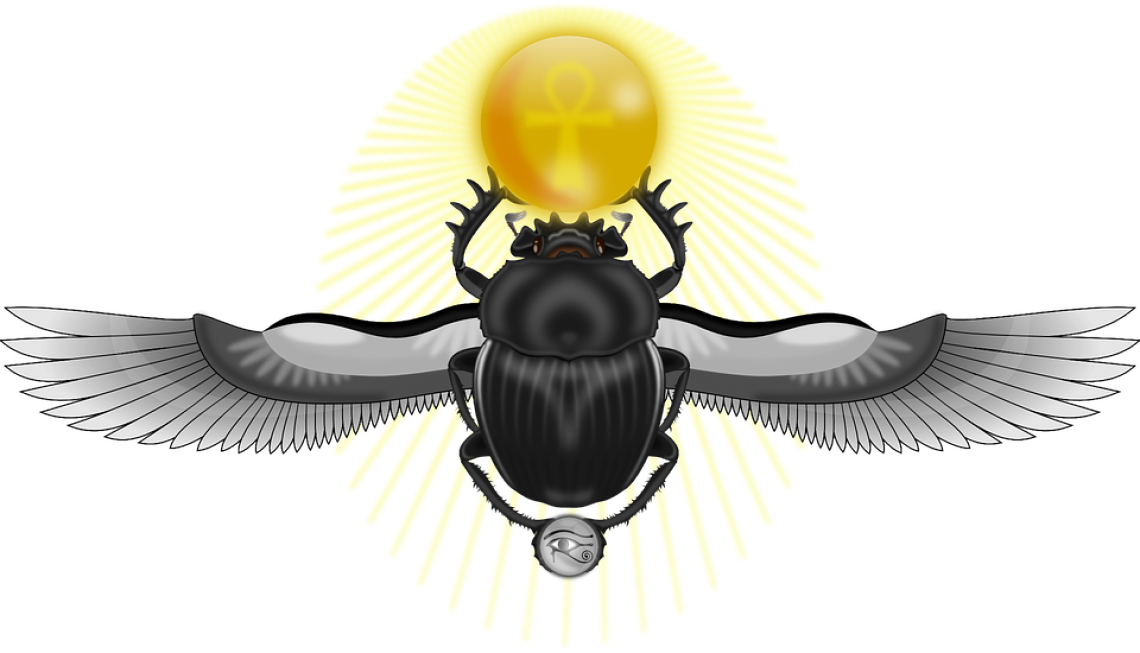
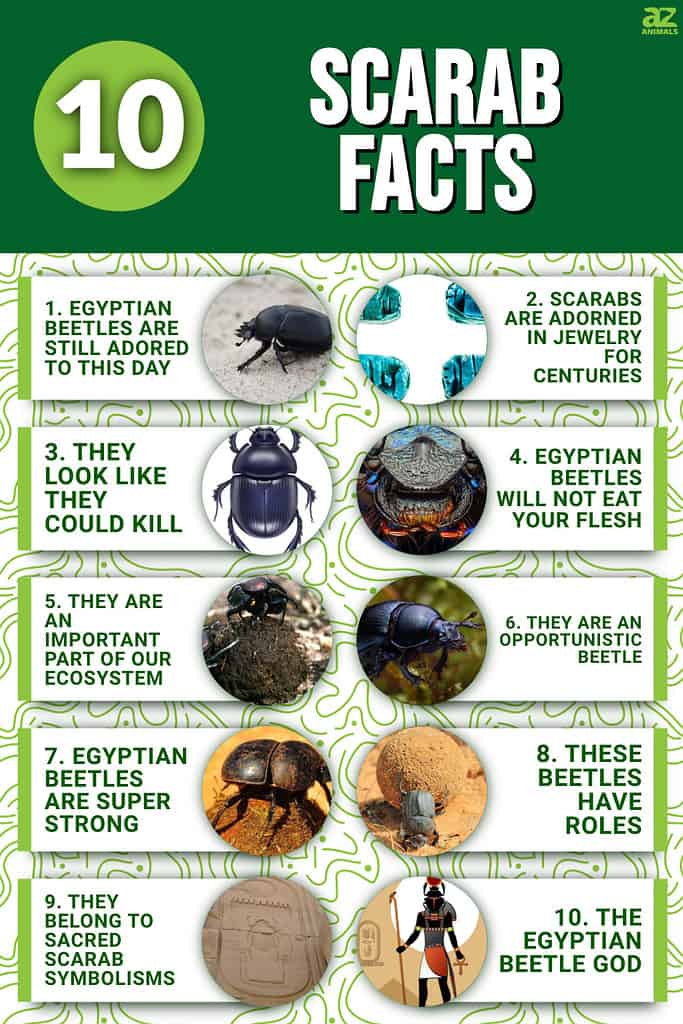
The scarab beetle, specifically the dung beetle Scarabaeus sacer, was a creature of immense sacred significance in ancient Egypt, a civilization renowned for its sophisticated use of symbolism. Its peculiar habit of rolling a ball of dung across the ground, laying its eggs within it, and then watching new life emerge from what appeared to be nothing, fascinated the Egyptians. This observation became the cornerstone of its powerful symbolic associations, which resonate even today in the collective unconscious and offer powerful archetypal foundations for modern brand identity.

Symbol of Creation and Renewal
For the ancient Egyptians, the scarab was a quintessential symbol of spontaneous creation and rebirth. They observed the young beetles emerging from the dung ball as if self-created, mirroring the sun god Ra’s daily journey of creation and renewal. This connection made the scarab an emblem of Khepri, the god of the rising sun, associated with regeneration, transformation, and the eternal cycle of life, death, and rebirth. For brands, this immediately brings forth themes of innovation, sustainable practices, and the continuous evolution of products or services. A brand embracing the scarab’s symbolism could position itself as a pioneer, constantly reinventing, or a company dedicated to cyclical processes and renewal.
The Journey of the Sun God
The act of the scarab rolling its ball of dung across the ground was likened to Khepri rolling the sun across the sky each day, bringing light and life to the world. This journey represented persistence, effort, and the triumphant return of light after darkness. In a branding context, this speaks to themes of endurance, unwavering commitment, and the pursuit of a grand vision. Brands that emphasize a journey, a transformation process, or a steadfast dedication to their mission can draw parallels to this aspect of scarab symbolism, conveying reliability, determination, and a purposeful trajectory.
Protection and Amuletic Power
Beyond creation and renewal, scarabs were widely used as amulets, often carved from stone and inscribed with hieroglyphs. These protective charms were believed to ward off evil, bring good luck, and ensure a safe passage into the afterlife. The scarab was seen as a guardian, a bearer of positive fortune, and a source of strength. From a branding perspective, this aspect translates into concepts of security, reliability, and trusted guardianship. Financial institutions, insurance providers, cybersecurity firms, or brands offering durable, long-lasting products could strategically align with the protective qualities of the scarab, promising safety, stability, and peace of mind to their clientele.
Decoding the Scarab’s Core Meanings for Brand Identity
The multifaceted symbolism of the scarab beetle offers a rich palette for brands to articulate their values, aspirations, and unique selling propositions. By understanding these core meanings, marketers and designers can strategically embed them into their corporate identity, product design, and communication strategies.
Resilience and Transformation: Messaging for Growth
The scarab’s association with rebirth and regeneration inherently speaks to resilience—the ability to emerge anew, stronger and transformed. This is a powerful message for brands operating in dynamic markets, those undergoing significant rebrands, or companies focused on personal development, education, or wellness. A brand could tell a story of overcoming challenges, adapting to new realities, or facilitating personal or systemic change for its users. The scarab symbolizes the positive outcome of a transformative process, making it ideal for brands that promise growth, evolution, and future-forward solutions.
Authority and Endurance: Building Trust and Legacy
The scarab’s connection to the sun god and its daily, unwavering journey bestows it with an aura of authority and endurance. Brands that wish to project stability, timelessness, and a deep-rooted legacy can leverage this symbolism. Think of luxury brands emphasizing heritage, companies with decades of proven reliability, or service providers promising long-term commitment. Incorporating elements reminiscent of the scarab can subtly communicate a brand’s established position, its steadfast quality, and its authoritative presence within its industry, fostering deep trust and respect among its target audience.
Prosperity and Good Fortune: Marketing for Aspiration
As an amulet for good luck and a symbol of life’s eternal cycle, the scarab carries connotations of prosperity and auspicious beginnings. For brands in sectors like finance, lifestyle, or luxury goods, tapping into this symbolism can evoke aspiration and positive outcomes. Marketing messages could subtly link the brand’s offerings to a desired future, suggesting that engagement with the brand brings forth positive change, abundance, or a favorable trajectory in life. It’s about selling not just a product, but an optimistic vision for the future, where challenges are overcome and opportunities abound.
Integrating Scarab Symbolism into Brand Strategy and Design
The application of scarab symbolism in branding is not merely about slapping a beetle image onto a logo. It involves a sophisticated understanding of its deeper meanings and how these can be interwoven into various aspects of brand strategy and design to create a cohesive and impactful identity.
Visual Identity: Logos, Icons, and Packaging
The most direct application is often in visual identity. A stylized scarab can form the basis of a logo, icon, or a recurring design motif in packaging. The key is to abstract the essence rather than literal replication, ensuring modern aesthetic appeal while retaining symbolic resonance. The form can be geometric, minimalist, or ornate, depending on the brand’s overall style guide. For example, a sleek, metallic scarab could evoke technological innovation and resilience, while an elegantly etched scarab on packaging could speak to luxury, heritage, and protective quality.
Brand Storytelling: Narratives of Rebirth and Journey
Beyond visual cues, scarab symbolism can profoundly influence a brand’s narrative. Brands can craft stories around their origins, their product development cycles, or their customer journey that echo the scarab’s themes of transformation, persistence, and new beginnings. A brand might describe its innovative process as a “rebirth” of an old idea, or its commitment to sustainability as a “cyclical journey” towards a better future. This narrative depth adds authenticity and emotional resonance, creating a more engaging and memorable brand experience.
Target Audience Resonance: Cultural Sensitivity and Impact
When incorporating ancient symbols, it is crucial for brands to exercise cultural sensitivity. While the scarab’s symbolism is broadly understood, its primary association remains with ancient Egypt. Brands must ensure that their use feels respectful, authentic, and not merely appropriative. Research into the target audience’s cultural context is paramount to ensure the symbol resonates positively and avoids misinterpretation or offense. The goal is to leverage universal archetypal power without alienating specific demographics.
Strategic Applications: When and How Brands Can Leverage Such Archetypes
Understanding what the scarab represents is only half the battle; knowing when and how to apply it strategically is what differentiates effective brand engagement.
Rebranding and Launch Campaigns
The scarab’s core association with rebirth and new beginnings makes it an exceptionally powerful archetype for rebranding initiatives or the launch of entirely new products or ventures. A brand transitioning to a more sustainable model, or a startup aiming to disrupt an industry, can harness this symbolism to communicate a fresh start, innovation, and a powerful trajectory forward. The messaging can emphasize shedding the old and embracing the new, promising renewed vitality and purpose.
Luxury and Heritage Brands
For luxury brands, the scarab’s association with ancient royalty, enduring quality, and protective amulets offers a strong narrative. It can subtly convey exclusivity, timelessness, and a deep-rooted heritage that transcends fleeting trends. Imagine a high-end jewelry brand featuring scarab motifs, or a prestigious real estate developer naming a project with reference to its auspicious protection. This taps into a desire for permanence, status, and objects imbued with historical significance.
Eco-Conscious and Transformative Services
Brands focused on environmental sustainability, recycling, or circular economy models find a natural ally in the scarab. Its association with cyclical processes, waste transformation (dung to life), and regeneration aligns perfectly with eco-conscious messaging. Similarly, brands offering transformative services, such as coaching, therapy, or educational programs, can leverage the scarab’s symbolism of personal growth, self-renewal, and emerging into a better version of oneself.
Avoiding Misappropriation: Authenticity and Respect
While powerful, the use of such significant symbols requires careful consideration. Brands must ensure their interpretation is authentic and respectful, avoiding superficial or cliché applications. The symbolism should genuinely align with the brand’s core values, mission, and offerings. Brands should invest in understanding the symbol’s full context and consider consulting cultural experts to ensure their application is not only effective but also ethically sound. When handled with care and insight, the scarab beetle ceases to be a mere historical curiosity and becomes a potent tool in the modern brand strategist’s arsenal, capable of conveying resilience, transformation, and enduring significance.
aViewFromTheCave is a participant in the Amazon Services LLC Associates Program, an affiliate advertising program designed to provide a means for sites to earn advertising fees by advertising and linking to Amazon.com. Amazon, the Amazon logo, AmazonSupply, and the AmazonSupply logo are trademarks of Amazon.com, Inc. or its affiliates. As an Amazon Associate we earn affiliate commissions from qualifying purchases.