
In the rapidly evolving landscape of social media, Snapchat has maintained its dominance among younger demographics by pioneering unique UX/UI elements that incentivize daily interaction. One of the most recognizable, and often stressful, symbols within the application is the sand timer emoji. While it may appear as a simple graphic, the sand timer is a sophisticated tool of engagement, representing a critical intersection of algorithmic timing, user psychology, and real-time data synchronization.
Understanding what the sand timer means requires a look beyond the surface level of “disappearing messages.” It is the visual manifestation of Snapchat’s “Snapstreak” logic—a gamified system designed to foster consistent communication between users. This article explores the technical nuances of the sand timer, the mechanics of Snapstreaks, and the broader implications of these design choices on digital behavior.
The Anatomy of a Snapstreak: The Foundation of the Sand Timer
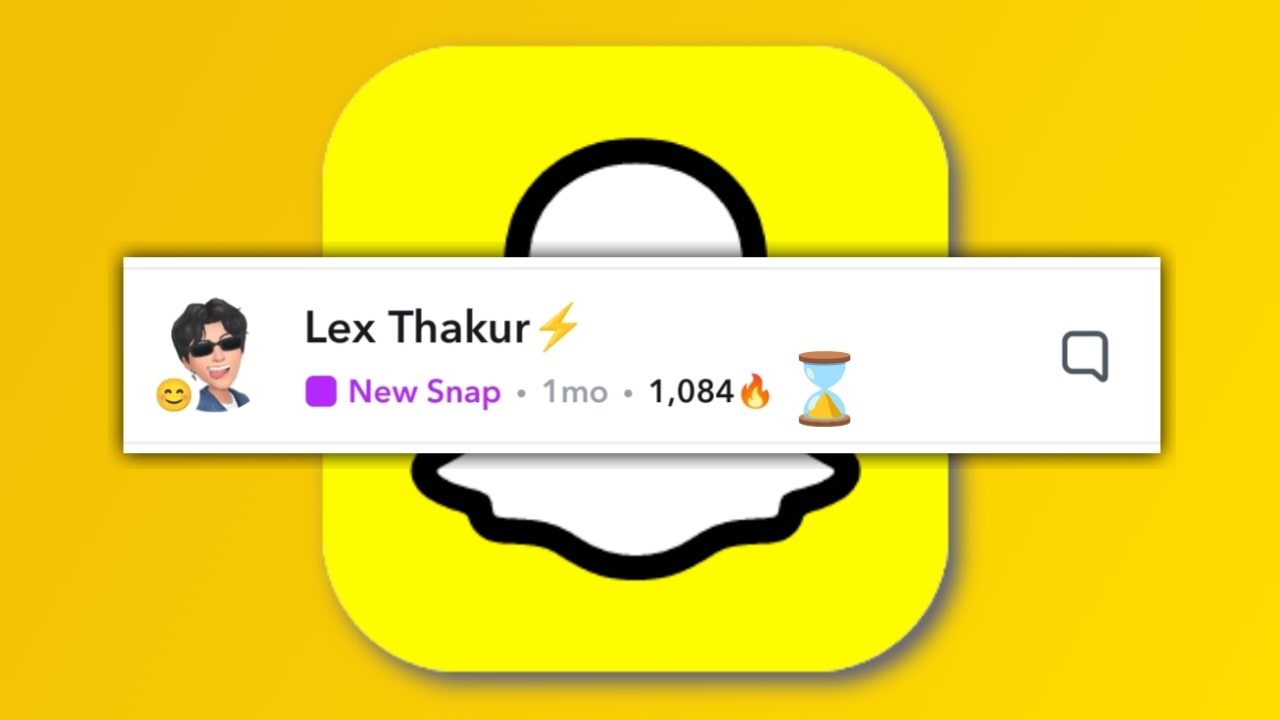
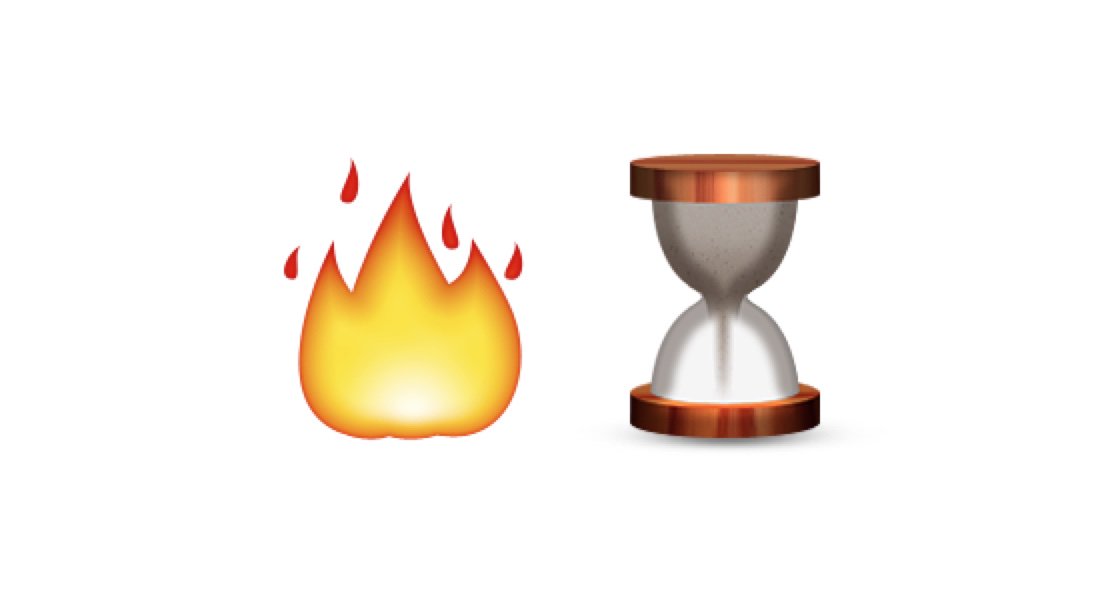
To comprehend the sand timer, one must first understand the “Snapstreak.” A Snapstreak is established when two users send direct “Snaps” (photos or videos) to each other for at least three consecutive days. Once this milestone is reached, a fire emoji ( ) appears next to the friend’s name, accompanied by a number indicating how many days the streak has lasted.
The 24-Hour Protocol
The fundamental rule governing Snapstreaks is the 24-hour window. For a streak to remain active, both participants must send at least one Snap to the other within a rolling 24-hour period. It is important to note that “Chat” messages, even those containing media from the camera roll, do not count toward maintaining a streak. Only Snaps taken via the Snapchat camera interface qualify. This technical distinction ensures that users are engaging with the app’s primary functional tool—the camera—rather than just using it as a standard text-based messenger.
The Role of the Fire Emoji
The fire emoji serves as a badge of digital commitment. As the number next to the flame grows, the perceived value of the streak increases. For many users, this number represents the “strength” of a friendship or a commitment to daily digital presence. However, this system creates a high-maintenance environment where a single day of inactivity can reset a multi-year count to zero.
Deciphering the Sand Timer Icon: The Final Countdown
The sand timer emoji (⏳) is essentially a warning system. It informs users that their Snapstreak is about to expire. Unlike the fire emoji, which celebrates longevity, the sand timer introduces a sense of urgency.
The Timing of the Appearance
Snapchat’s algorithm typically triggers the sand timer icon when approximately 20 hours have passed since the last exchange of Snaps. This leaves a narrow four-hour window for both parties to respond. Because the app does not provide a literal countdown clock, the appearance of the sand timer is the only indicator that the 24-hour window is closing.
The Requirement for Mutual Interaction
A common point of confusion is whether one or both users see the timer. If User A sends a Snap but User B has not yet replied, both users will eventually see the sand timer if the window nears its end. The streak is only “saved” once the person who hasn’t sent a Snap within that window finally hits the send button. This creates a social dynamic where one user often nudges the other via other platforms to “save the streak.”
Visual Cues and UI Placement
Snapchat places the sand timer directly next to the user’s name in the Chat feed. This strategic placement ensures that every time a user opens the app to check messages, the urgency of the expiring streak is front and center. It is a classic example of “loss aversion” in software design—users are more motivated to take action to prevent losing something (the streak) than they are to gain something new.
The Technical Infrastructure of Real-Time Engagement
While the sand timer looks like a simple emoji, it relies on complex server-side tracking to ensure accuracy across millions of global users.
Latency and Streak Synchronization
Snapchat’s servers must track billions of individual timers simultaneously. When a Snap is sent, the server timestamps the event and resets the 24-hour countdown for that specific relationship. However, discrepancies can occur due to network latency or server lag. Sometimes, a user may send a Snap just as the timer expires, leading to a “broken” streak. This technical edge case is why Snapchat has recently introduced more robust streak management tools.
Data Privacy and Metadata
The tracking of streaks requires the app to constantly monitor metadata—who you are talking to, how often, and at what time. From a software perspective, this data is invaluable for building user profiles and understanding engagement patterns. The sand timer is the “front-end” hook that keeps this data pipeline flowing consistently.
Restoring a Lost Streak: Tools and Technical Solutions
For years, if a Snapstreak broke due to a technical glitch or a forgotten day, it was gone forever. However, Snapchat recognized that the loss of a long-term streak could lead to “churn”—the phenomenon where users stop using an app out of frustration. To combat this, they introduced technical pathways for restoration.
The Snapchat Support Path
Historically, users had to navigate to the Snapchat Support website and fill out a form claiming a technical error occurred. This manual process allowed the company to verify if a server-side error was responsible. If approved, the support team would manually update the database to restore the fire emoji and the day count.
Paid Streak Restoration and In-App Features
In recent updates, Snapchat has productized streak restoration. Users can now often see a “Restore” button next to a broken streak. This is frequently offered as a limited free trial or a paid feature (often linked to Snapchat+). By turning streak restoration into a service, Snapchat has successfully monetized the psychological value users place on their digital milestones.
The Impact of Gamification on App UX and User Psychology
The sand timer is more than a utility; it is a masterclass in gamification. Gamification involves using game-design elements in non-game contexts to improve user engagement and loyalty.
The “Hooked” Model
The sand timer fits perfectly into the “Hooked” model of app design (Trigger, Action, Variable Reward, Investment).
- Trigger: The sand timer appears (External Trigger).
- Action: The user sends a Snap to save the streak.
- Variable Reward: The fire emoji remains, and the number increments.
- Investment: Every day the streak continues, the user has more “invested” in the app, making it harder to leave.
Digital Obligation and Behavioral Tech
Tech critics often point to the sand timer as an example of “persuasive technology.” It creates a sense of digital obligation. Users may feel compelled to interact with the app not because they have something to share, but because the software is demanding a response to maintain a status symbol. This shift from organic communication to algorithmic-driven interaction is a key study in modern software ethics.
Managing Digital Wellbeing in the Age of Streaks
As software becomes more adept at capturing our attention, the technical community and users alike have begun focusing on digital wellbeing. For some, the sand timer is a fun way to stay in touch; for others, it represents a source of digital anxiety.
Technical Settings for Notifications
Users can manage how they interact with these features through the app’s notification settings. While you cannot “turn off” the sand timer itself without ending the streak, you can mute notifications for specific friends to reduce the urgency. This allows for a more intentional use of the platform rather than a reactive one.
The Future of Snapchat UX
Snapchat continues to iterate on these features. We are seeing a move toward more “conscious” social media, where apps provide “Pause” features for streaks (often a feature of Snapchat+). This allows the technical system to accommodate human needs, such as vacations or digital detoxes, without punishing the user’s history on the platform.
Conclusion
The sand timer in Snapchat is a potent symbol of modern technology’s ability to influence human behavior. It is a bridge between a simple communication tool and a sophisticated engagement engine. By understanding the mechanics of the 24-hour window, the server-side logic of streak tracking, and the psychological principles of gamification, users can better navigate the app. Whether viewed as a helpful reminder or a demanding algorithm, the sand timer remains one of the most effective UI elements in the history of social media, proving that in the world of tech, even a small emoji can have a massive impact on user retention and daily habits.
aViewFromTheCave is a participant in the Amazon Services LLC Associates Program, an affiliate advertising program designed to provide a means for sites to earn advertising fees by advertising and linking to Amazon.com. Amazon, the Amazon logo, AmazonSupply, and the AmazonSupply logo are trademarks of Amazon.com, Inc. or its affiliates. As an Amazon Associate we earn affiliate commissions from qualifying purchases.