
In the vast landscape of financial institutions, certain names resonate with familiarity and trust. PNC Bank is undoubtedly one such entity, a ubiquitous presence across America’s financial sector. Yet, for many customers and observers, the origin of its distinctive three-letter acronym, “PNC,” remains a persistent question mark. It’s a curiosity that touches upon the very essence of corporate identity, brand evolution, and the strategic decisions that shape a major financial player. More than just a simple abbreviation, the story behind “PNC” is a compelling case study in brand strategy, illustrating how a name can transcend its literal origins to become a powerful, standalone symbol of stability, service, and innovation.

Understanding what PNC stands for isn’t merely about deciphering an acronym; it’s about peeling back the layers of corporate history, regional mergers, and the deliberate construction of a brand that needed to signify both continuity and a forward-looking vision. In the world of branding, a name is often the first touchpoint, a promise of what a company represents. For PNC, that promise has been meticulously crafted over decades, demonstrating how a foundational legacy can be leveraged to build a modern, adaptable brand identity.
The Genesis of an Acronym: A Tale of Two Banks
The story of PNC begins not with a single entity, but with the confluence of two distinct regional banking powerhouses, each deeply embedded in the economic fabric of their respective cities. Their merger in the early 1980s was a strategic move that necessitated a new corporate identity capable of honoring both legacies while projecting a unified, expanded future. The choice of an acronym, “PNC,” was a testament to the practical and strategic considerations of brand naming during a period of significant consolidation in the financial industry.
Pittsburgh National Corporation: The Roots in Steel City
One half of the PNC equation traces its lineage to the vibrant industrial heartland of Western Pennsylvania. Pittsburgh National Corporation was, as its name suggests, a prominent financial institution deeply intertwined with the economic lifeblood of Pittsburgh. Founded in 1864 as First National Bank of Pittsburgh, it grew alongside the city’s booming steel industry, becoming a cornerstone of regional commerce and finance. Its brand identity was strong within its geographical footprint, symbolizing stability, reliability, and a deep understanding of the local economy. For generations, Pittsburgh National served as a trusted partner for businesses and individuals, financing everything from steel mills to family homes. Its name proudly proclaimed its origin and its commitment to the community that fostered its growth.
Provident National Corporation: A Philadelphia Story
The other half of the merger hailed from the East, specifically from Philadelphia, the cradle of American independence and a major financial center. Provident National Corporation was a respected banking institution with a rich history dating back to 1847. Initially established as Provident Life and Trust Company, it evolved into a significant player in the Mid-Atlantic financial market, known for its conservative management, customer-centric approach, and a strong presence in the Philadelphia metropolitan area. Like Pittsburgh National, Provident National’s brand was regionally powerful, recognized for its commitment to prudent financial stewardship and its role in supporting the growth and prosperity of its local communities. Its name evoked a sense of foresight and care, fitting for a financial institution.
The 1983 Merger: Forging a New Identity
The year 1983 marked a pivotal moment in the history of both institutions: the strategic merger of Pittsburgh National Corporation and Provident National Corporation. This consolidation was driven by a desire to create a larger, more diversified financial services company capable of competing on a broader scale. However, with two strong, geographically distinct names, the challenge for the new entity was clear: how to forge a unified brand identity that honored both legacies without favoring one over the other, and without creating an unwieldy, hyphenated monstrosity.
The solution was ingenious in its simplicity and strategic foresight: an acronym. The new entity adopted the name PNC Financial Corporation, using the first letter from each of the merging banks’ names – Pittsburgh National and Provident National, and combining their initial “C” for Corporation. This clever construction achieved several critical branding objectives:
- Neutrality: It avoided naming the new bank after just one city or one legacy, ensuring neither Pittsburgh nor Philadelphia felt marginalized.
- Conciseness: “PNC” is short, easy to remember, and highly portable.
- Modernity: Acronyms were becoming increasingly popular in corporate naming, lending a sense of contemporary professionalism.
- Expansion Potential: A less geographically specific name would prove invaluable as the bank expanded beyond its original regional strongholds.
Thus, the letters “PNC” were born, initially as a practical solution to a branding dilemma, but destined to evolve into a powerful brand in its own right.
From Acronym to Brand Identity: More Than Just Letters
While “PNC” originated as a functional abbreviation, its journey didn’t end there. Over the decades, the acronym transcended its literal meaning, maturing into a comprehensive brand identity that communicates far more than just its historical components. This transformation is a testament to the deliberate efforts in marketing, customer experience, and strategic positioning that have built PNC into a recognized and trusted name in the financial sector.
Establishing Recognition and Trust
In the competitive world of finance, trust is the ultimate currency. Post-merger, the newly formed PNC Financial Corporation faced the task of not just introducing a new name, but imbuing it with the same level of trust and recognition that its predecessor banks had enjoyed for over a century. This involved consistent messaging, high-quality service delivery, and strategic marketing campaigns that emphasized the combined strengths of the merged entities – the stability of Pittsburgh National and the prudent management of Provident National.
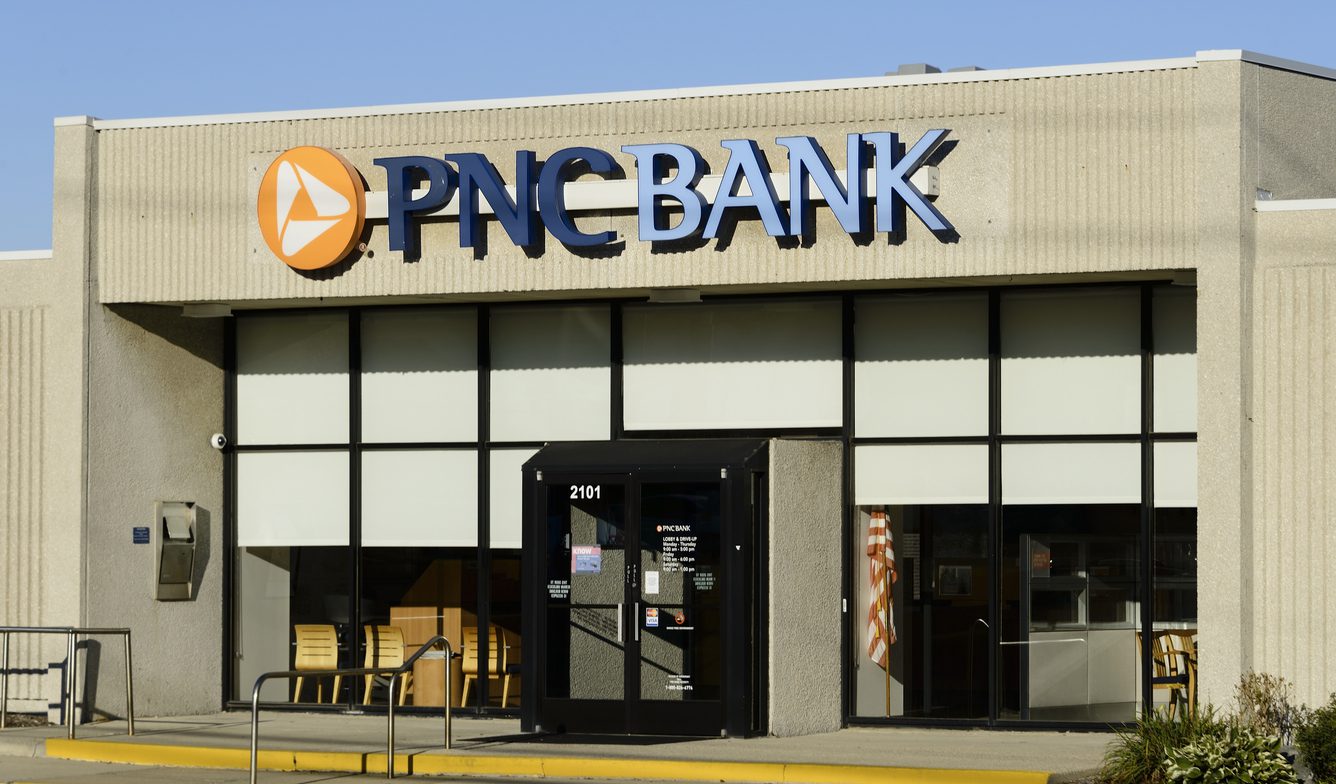
The visual identity of PNC, including its distinctive logo (often featuring geometric shapes or a unique font), played a crucial role. A well-designed logo, combined with a memorable name, helps to cement brand recognition. Over time, “PNC” became synonymous with a major financial institution, signaling a breadth of services and a widespread presence. The acronym, once an abbreviation, became a proper noun, a brand name that stood on its own merits.
Evolving the Visual Identity: Logos and Slogans
A brand’s visual identity and messaging are dynamic, evolving to reflect changing market conditions and corporate strategies. PNC’s journey is no exception. While the core acronym has remained constant, its visual representation – the logo, corporate colors, and associated slogans – has seen various iterations. Early logos might have subtly referenced its dual heritage or emphasized solidity. As the bank grew, its visual identity likely shifted towards a more universal, less regionally specific aesthetic, reflecting its national ambitions.
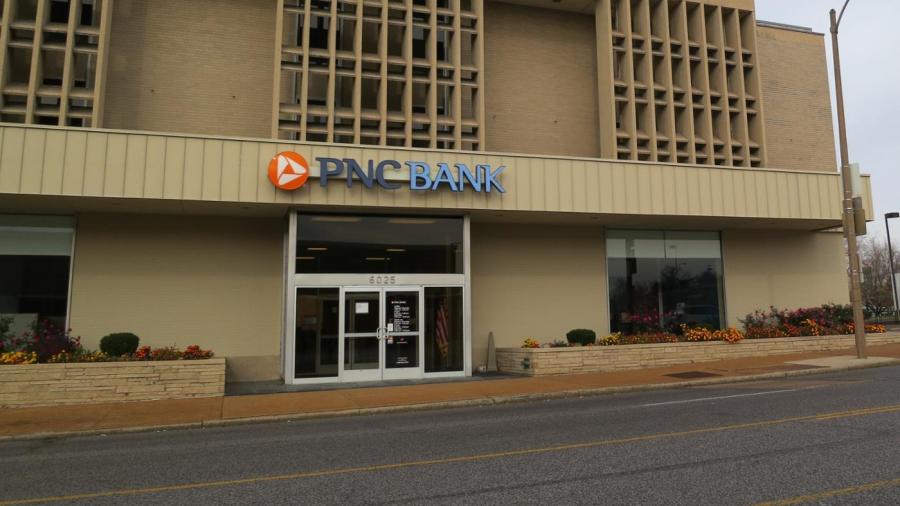
Slogans like “The Right Track” or those emphasizing financial well-being helped to articulate PNC’s brand promise and values. These linguistic tools, combined with the visual elements, reinforced what “PNC” stood for in the minds of consumers: not just a bank, but a partner in their financial journey, embodying stability, guidance, and forward momentum.
Brand Storytelling Through Heritage
Even with an abstract acronym, a successful brand leverages its heritage to build authenticity and connection. PNC, despite its modern name, skillfully weaves its foundational stories into its corporate narrative. Its roots in Pittsburgh and Philadelphia are not forgotten; they are celebrated as testaments to resilience, innovation, and community engagement. By acknowledging these deep historical ties, PNC can connect with customers on a more emotional level, grounding its contemporary brand in a rich legacy of service. This storytelling helps to humanize the institution, reminding stakeholders that behind the modern acronym lies a century and a half of banking tradition and commitment to communities.
The Strategic Advantage of an Abstract Brand Name
The decision to adopt an acronym like “PNC” might seem purely practical, but it carries significant strategic advantages in the long run, especially for a brand with aspirations for national and even international growth. An abstract or acronymic name can provide flexibility and resilience that more descriptive names often lack.
Overcoming Regional Limitations
One of the most significant advantages of an acronym derived from two regional banks was its ability to transcend geographical boundaries. Had the merged entity been named “Pittsburgh-Provident Bank,” it would have carried a strong regional connotation, potentially hindering expansion into new markets where those names held little or no recognition, or even evoked a sense of being an “outsider.” “PNC,” however, is geographically neutral. It allowed the bank to expand its footprint across the United States without being perceived as “the bank from Pittsburgh” or “the bank from Philadelphia.” This neutrality enabled a seamless entry into diverse communities, fostering a sense of local presence rather than external imposition.
Adaptability and Modernity
In the rapidly evolving financial services industry, brands need to be adaptable. A name like “PNC” offers inherent flexibility. It doesn’t tie the bank to a specific service (like “First Savings Bank”) or a particular historical era. This means PNC can expand its offerings, embrace new technologies, and even pivot its business model without its name becoming anachronistic or limiting. The letters themselves are timeless, allowing the brand to consistently project a modern, forward-thinking image, even as the financial landscape undergoes radical transformations due to digital innovation and changing consumer behaviors.
Memorability and Pronunciation
From a practical branding perspective, “PNC” is easy to remember, pronounce, and communicate. Short, punchy acronyms often stick in people’s minds more readily than longer, more complex names. This simplicity aids in advertising, word-of-mouth marketing, and overall brand recall. In an information-saturated world, the ability to quickly and clearly identify a brand is a distinct competitive advantage. The phonetic straightforwardness of “P-N-C” ensures consistent pronunciation, avoiding confusion and reinforcing the brand’s identity across different demographics and regions.
PNC Bank’s Brand Today: Beyond the Initials
Today, PNC Bank operates as one of the largest diversified financial services institutions in the United States, its brand identity firmly established far beyond the mere understanding of what its letters once stood for. The name “PNC” now evokes a complex set of brand values, customer perceptions, and strategic differentiators built over decades of operational excellence and thoughtful brand management.
Cultivating Brand Values and Customer Perception
A strong brand is ultimately defined by the values it embodies and how it is perceived by its customers. PNC has meticulously cultivated a brand image centered on several key pillars:
- Customer Focus: Emphasizing personalized service, innovative solutions, and financial guidance.
- Community Involvement: Active participation in local communities through philanthropic initiatives and economic development programs, leveraging its historical roots in Pittsburgh and Philadelphia as a model for community engagement nationwide.
- Innovation: Adopting new technologies and digital tools to enhance banking experiences, from advanced online banking platforms to mobile apps.
- Stability and Reliability: Drawing on its long history and financial strength to reassure customers and investors.
These cultivated values transform “PNC” from an acronym into a rich, meaningful brand experience, fostering loyalty and trust among its diverse clientele.
Differentiating in a Competitive Market
In a crowded market dominated by a handful of mega-banks and thousands of smaller institutions, effective brand differentiation is paramount. PNC uses its established brand, built on its unique heritage and modern values, to stand out. Its comprehensive suite of services – encompassing retail banking, corporate and institutional banking, asset management, and wealth management – is delivered under a unified brand promise. This allows PNC to present a consistent, integrated experience across all customer touchpoints, distinguishing itself through its blend of traditional reliability and contemporary innovation. The brand’s ability to balance its historical gravitas with a forward-looking approach is a key differentiator.
Future of the Brand: Innovation and Digital Transformation
The financial services industry is in a constant state of flux, driven by technological advancements and evolving customer expectations. For PNC, maintaining brand relevance means embracing digital transformation while staying true to its core values. The brand continues to invest heavily in digital platforms, AI-powered tools, and seamless mobile experiences, ensuring that “PNC” remains synonymous with convenience, efficiency, and cutting-edge financial solutions. This strategic focus on innovation ensures that the brand continues to appeal to younger generations while retaining the loyalty of its established customer base, illustrating that a legacy brand can be both enduring and dynamic.
In conclusion, while the letters “PNC” historically stood for Pittsburgh National Corporation and Provident National Corporation, their meaning today is far richer and more encompassing. The journey from a practical acronym to a powerful, national brand is a testament to shrewd brand strategy, consistent customer service, and a commitment to evolving with the times. PNC Bank exemplifies how a brand, born out of historical necessity, can transcend its origins to become a standalone symbol of trust, innovation, and enduring financial partnership in the modern world.
aViewFromTheCave is a participant in the Amazon Services LLC Associates Program, an affiliate advertising program designed to provide a means for sites to earn advertising fees by advertising and linking to Amazon.com. Amazon, the Amazon logo, AmazonSupply, and the AmazonSupply logo are trademarks of Amazon.com, Inc. or its affiliates. As an Amazon Associate we earn affiliate commissions from qualifying purchases.