
The Orthodox Church, with its roots stretching back to the early days of Christianity, presents a profound and enduring spiritual tradition. For many, the question “What does the Orthodox Church believe?” is an invitation to explore a rich tapestry of theology, practice, and community that has remained remarkably consistent through centuries of historical change. Unlike brands that constantly evolve their messaging and offerings to capture market share, the Orthodox Church’s “brand” is built on an unwavering commitment to ancient truth, articulated through a unique lens of divine-human encounter. This article will delve into the core tenets of Orthodox belief, examining them not merely as theological propositions, but as the foundational elements that define its distinct spiritual and cultural identity.
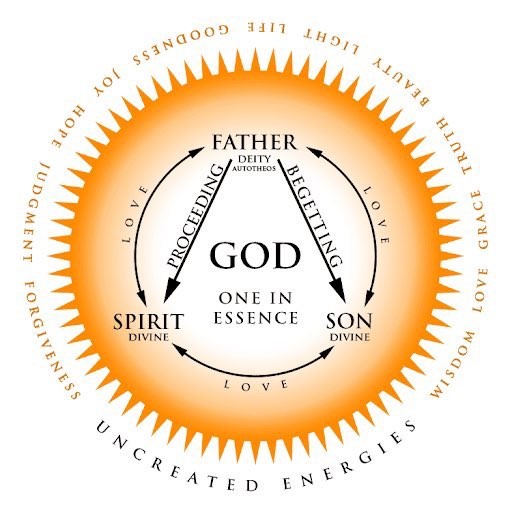
The Triune God: The Cornerstone of Orthodox Doctrine
At the absolute heart of Orthodox belief lies the unwavering conviction in the Holy Trinity. This is not simply a philosophical concept, but the very essence of God’s being and the foundation of all reality as understood by the Church. The Trinity is understood as one God in three co-equal, co-eternal Persons: the Father, the Son (Jesus Christ), and the Holy Spirit. This is the central “brand promise” of Orthodox Christianity – the revelation of God in His fullness, actively engaged with His creation.
One God, Three Persons: A Divine Mystery
Orthodox theology adamantly rejects any form of polytheism or tritheism. The God of Orthodox belief is one in essence (ousia) but three in hypostases (persons). This distinction is crucial. The Father is the unbegotten source, the Son is eternally begotten of the Father, and the Holy Spirit eternally proceeds from the Father. This understanding is not a matter of human logic attempting to fully comprehend the divine, but rather an acceptance of divine revelation as presented in Holy Scripture and the Tradition of the Church. This triune nature of God is reflected in the Church’s liturgical life, its prayers, and its understanding of salvation. The emphasis on this singular, yet distinctly relational, God is a defining characteristic of the Orthodox “brand.”
The Incarnation: God Becoming Man
Central to Orthodox belief is the doctrine of the Incarnation. They believe that in the fullness of time, God the Son, the second Person of the Trinity, took on human flesh, becoming fully God and fully man in the person of Jesus Christ. This is not an abstract theological idea, but a historical event that has profound implications for salvation and the nature of humanity. The Incarnation is seen as the ultimate act of divine love and the means by which humanity is reconciled with God. It underscores the Orthodox understanding of a God who is not distant and aloof, but intimately involved in the affairs of His creation, seeking to draw humanity back into communion with Himself. This unique emphasis on the Incarnation as the bridge between the divine and the human is a powerful differentiator in the spiritual marketplace.
Christology and Soteriology: The Person of Jesus and the Path to Salvation
The Orthodox Church’s understanding of Jesus Christ – His person and work – is inextricably linked to its concept of salvation. For the Orthodox, Jesus is not merely a moral teacher or a prophet, but the very God-man who has accomplished the salvation of humanity. This is a core aspect of their “brand narrative,” emphasizing a complete and transformative salvation, not just a partial or moralistic one.
Jesus Christ: True God and True Man
The Orthodox formulation of Christology is deeply rooted in the teachings of the early Church Councils, particularly the Council of Chalcedon. They affirm that Jesus Christ is one Person with two natures, divine and human, united without confusion, change, division, or separation. This understanding is vital because it means that in Christ, God Himself entered into human experience, suffered, died, and rose again. His divine nature allows Him to overcome death and sin, while His human nature makes His sacrifice and resurrection truly redemptive for humanity. The Incarnation, therefore, is not merely a demonstration of God’s power, but the very mechanism by which humanity can be deified.
Theosis: The Goal of Salvation
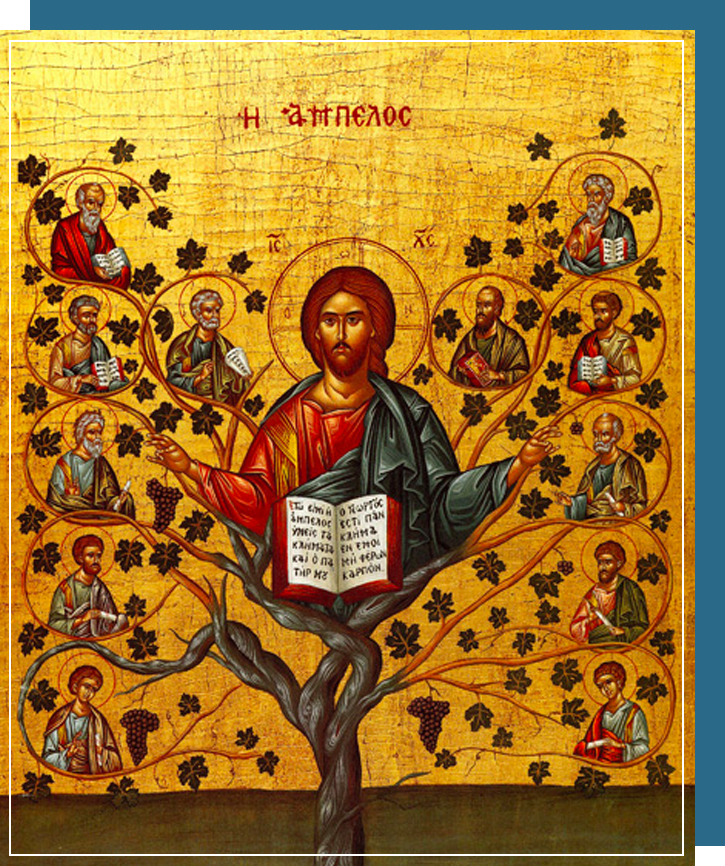
The ultimate goal of Orthodox Christian life is theosis, often translated as deification or divinization. This is the process by which believers, through grace and participation in the life of God, become more and more like God. It is not about becoming God in essence, but about partaking in the divine energies and becoming holy, transformed, and united with God. This concept profoundly shapes the Orthodox understanding of salvation, presenting it not as a legalistic acquittal from sin, but as a dynamic, lifelong journey of spiritual transformation. This emphasis on a transformative and participatory salvation is a distinctive element of the Orthodox “brand,” offering a vision of ultimate fulfillment and union with the divine.
Ecclesiology: The Nature and Mission of the Church
The Orthodox Church does not see itself as one denomination among many, but as the continuation of the one, holy, catholic, and apostolic Church founded by Jesus Christ and His Apostles. Its understanding of the Church, or ecclesiology, is a vital component of its identity and mission. This self-understanding is a powerful element of its enduring “brand” as the authentic bearer of Christ’s teachings and sacraments.
The Church as the Body of Christ
Orthodox teaching emphasizes that the Church is the Mystical Body of Christ. Christ is the Head of the Body, and all believers are its members. This organic unity means that the Church is not merely a social institution or a voluntary association, but a living, spiritual organism. The sacraments, especially the Divine Liturgy, are seen as the primary means through which this unity is experienced and strengthened. Within this understanding, the Church is the divinely established vessel for salvation, dispensing God’s grace through its sacraments and teachings. This focus on the Church as a divinely ordained and integral part of the salvific process is a cornerstone of its identity.
Apostolic Succession and Holy Tradition
A key aspect of the Orthodox understanding of the Church is its adherence to Apostolic Succession and Holy Tradition. The bishops of the Church are seen as the successors of the Apostles, preserving the faith passed down from Christ through an unbroken line of ordination. Holy Tradition encompasses not only Holy Scripture but also the teachings of the Church Fathers, the decrees of Ecumenical Councils, the liturgical texts, and the lived experience of the saints. This commitment to an unbroken lineage and a comprehensive body of teaching distinguishes the Orthodox Church’s “brand” as one that prioritizes historical continuity and the fullness of divine revelation over innovation or subjective interpretation. It presents a stable and authoritative voice in a world often characterized by flux and uncertainty.
Sacramental Life and Worship: The Experience of the Divine
The Orthodox Church’s beliefs are not confined to abstract theological formulations; they are vibrantly expressed and experienced through its rich sacramental life and its awe-inspiring worship. The Divine Liturgy, in particular, is considered the pinnacle of Orthodox experience, a foretaste of the heavenly kingdom. This experiential aspect is a powerful draw and a defining characteristic of the Orthodox “brand.”
The Sacraments: Channels of Grace
Orthodox Christians believe that the seven major sacraments (often called Mysteries) are divinely instituted means through which God’s grace is conveyed to believers. These include Baptism, Chrismation (Confirmation), Holy Communion (Eucharist), Repentance (Confession), Holy Orders, Matrimony, and Anointing of the Sick. Each sacrament is seen as a vital encounter with God, transforming the believer and strengthening their relationship with Him. The emphasis on these tangible encounters with the divine reinforces the Orthodox belief in a God who is actively working in the world and within His people.
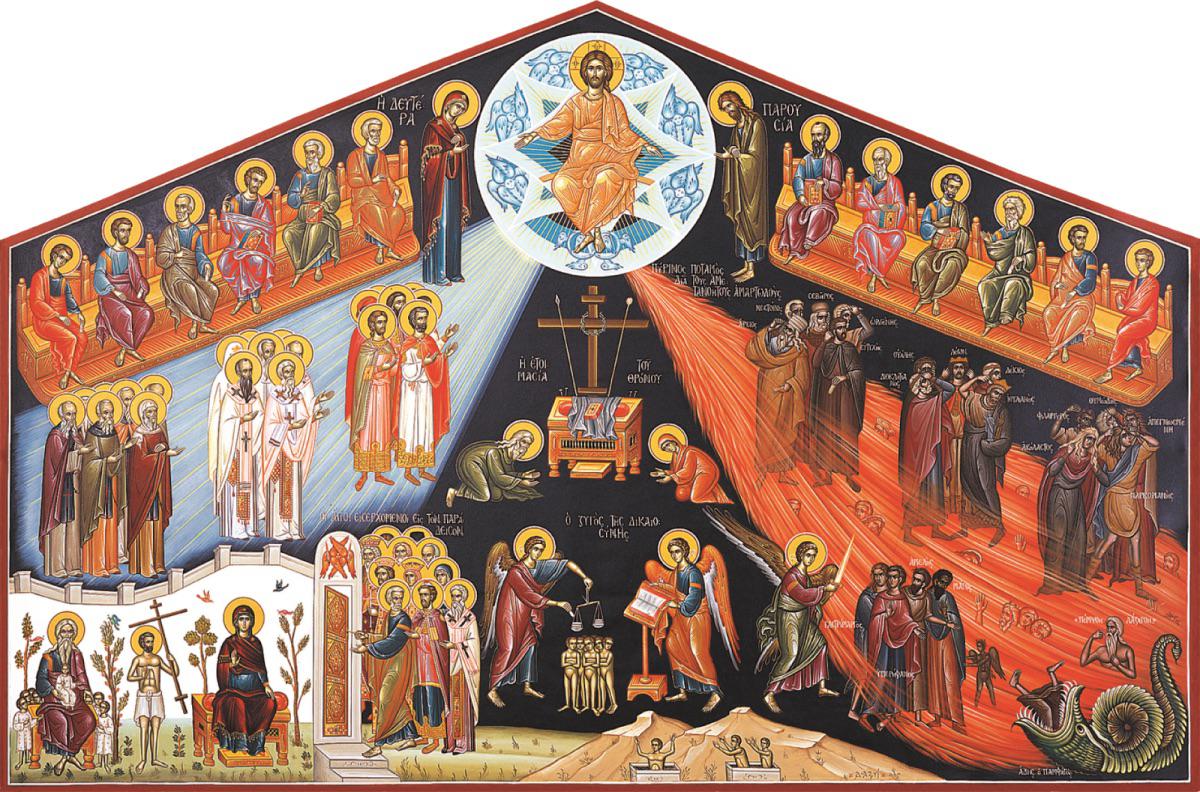
The Divine Liturgy: A Heavenly Encounter
The Divine Liturgy is the central act of Orthodox worship. It is understood not as a mere memorial or a congregational gathering, but as a participation in the heavenly liturgy, a communion with the angelic hosts and all the saints. The rich symbolism, the ancient chants, the veneration of icons, and the sacred rites all contribute to an atmosphere of reverence and awe, designed to elevate the worshipper’s mind and heart to God. This deeply immersive and transcendent worship experience is a hallmark of the Orthodox Church, offering a powerful contrast to more contemporary forms of worship and solidifying its unique spiritual “brand.”
In conclusion, understanding what the Orthodox Church believes is to grasp the essence of a brand that has successfully maintained its core identity for two millennia. Its unwavering commitment to the Triune God, its profound understanding of Christ’s person and work, its robust ecclesiology, and its deeply sacramental worship all converge to create a compelling spiritual offering. The Orthodox Church’s “brand” is one of continuity, authenticity, and transformative encounter with the divine – a timeless message for those seeking a deeper connection with God and a robust spiritual life.
aViewFromTheCave is a participant in the Amazon Services LLC Associates Program, an affiliate advertising program designed to provide a means for sites to earn advertising fees by advertising and linking to Amazon.com. Amazon, the Amazon logo, AmazonSupply, and the AmazonSupply logo are trademarks of Amazon.com, Inc. or its affiliates. As an Amazon Associate we earn affiliate commissions from qualifying purchases.