
In an increasingly digitized world, the human body is generating more data than ever before, and understanding these metrics is paramount to proactive health management. Among the most crucial of these is blood pressure, a fundamental indicator of cardiovascular health. While the underlying medical significance of blood pressure numbers is vital, the “meaning” in the context of modern life is often derived through the lens of technology – how we measure, track, interpret, and act upon these figures using a vast array of digital tools and innovations. From the earliest manual sphygmomanometers to today’s sophisticated smart devices, the journey to decode our blood pressure numbers has been inextricably linked to technological advancement, transforming abstract medical data into actionable personal insights. This article delves into how technology empowers us to understand and leverage our blood pressure readings, moving beyond simple measurement to comprehensive digital health management.
The Technological Revolution in Blood Pressure Monitoring
The evolution of blood pressure monitoring is a testament to relentless technological innovation, pushing the boundaries of accuracy, accessibility, and user convenience. Understanding “what the number means” today is fundamentally different from decades past, largely due to the pervasive influence of tech.
From Manual Cuffs to Smart Wearables: A Journey of Innovation
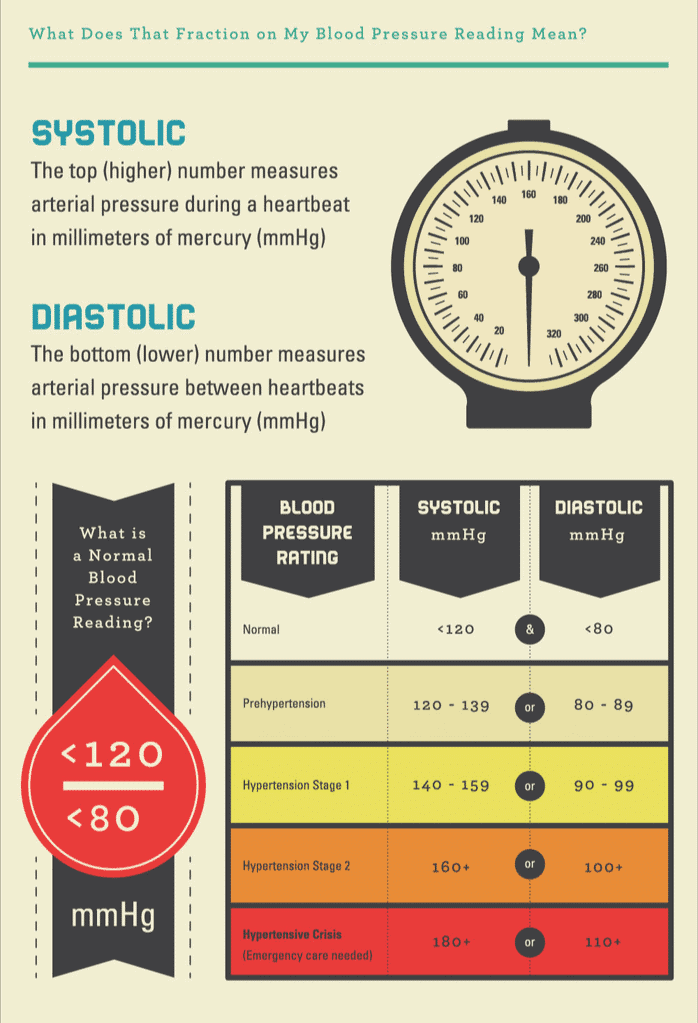
For generations, blood pressure measurement was primarily a clinical procedure, relying on the skilled application of a stethoscope and a manually inflated cuff. The numbers—systolic (the top number, reflecting pressure during heart contraction) and diastolic (the bottom number, indicating pressure when the heart rests between beats)—were recorded manually, often in a doctor’s chart. This method, while effective, offered only a snapshot in time and required professional interpretation.
The advent of digital blood pressure monitors in the late 20th century marked a significant leap. These devices automated the inflation and deflation process, digitally displaying the systolic and diastolic readings, along with pulse rate. This innovation democratized blood pressure monitoring, making it accessible for home use and enabling individuals to track their numbers more frequently. However, these early digital devices often lacked memory or connectivity, meaning users still had to manually record their readings, which could be prone to error or inconsistency.
Today, the landscape is dominated by “smart” blood pressure monitors and wearables. These devices seamlessly integrate with smartphones, tablets, and cloud-based health platforms. They use advanced algorithms to ensure accuracy, often performing multiple readings and averaging them to minimize variability. Some wearables, like smartwatches, are even exploring continuous or on-demand blood pressure measurement through novel sensor technologies, moving towards a future where fluctuations can be monitored throughout the day, providing a far richer dataset than traditional intermittent readings. This technological progression means that “what the number means” is no longer just a static value, but a dynamic data point within a continuous health narrative.
The Digital Transformation of Data Collection and Storage
The true power of modern blood pressure monitoring lies not just in the measurement itself, but in the sophisticated digital infrastructure that supports data collection, storage, and retrieval. Traditional blood pressure management often involved paper logs, which were easily lost, incomplete, or difficult to share with healthcare providers.
Contemporary smart blood pressure monitors synchronize readings wirelessly, typically via Bluetooth or Wi-Fi, to dedicated mobile applications. These apps serve as central repositories for all blood pressure data, automatically timestamping each reading and presenting it in an organized, visual format. Beyond simple storage, many of these apps are designed to securely upload data to cloud servers. This cloud integration serves multiple purposes: it backs up invaluable health data, makes it accessible across multiple devices, and, crucially, facilitates secure sharing with authorized healthcare professionals. Some advanced systems even integrate with Electronic Health Records (EHRs), streamlining the flow of information between personal devices and clinical databases. This digital transformation ensures that every blood pressure number contributes to a comprehensive, longitudinal record, enhancing its “meaning” by placing it within a broader context of individual health trends over time.
Decoding Your Readings: How Tech Enhances Understanding
The numbers themselves – 120/80 mmHg, for instance – are just raw data. It’s the technological interpretation and presentation that truly give them meaning for the average user. Modern tech tools bridge the gap between complex medical figures and actionable insights.
Real-time Feedback and Intuitive Dashboards
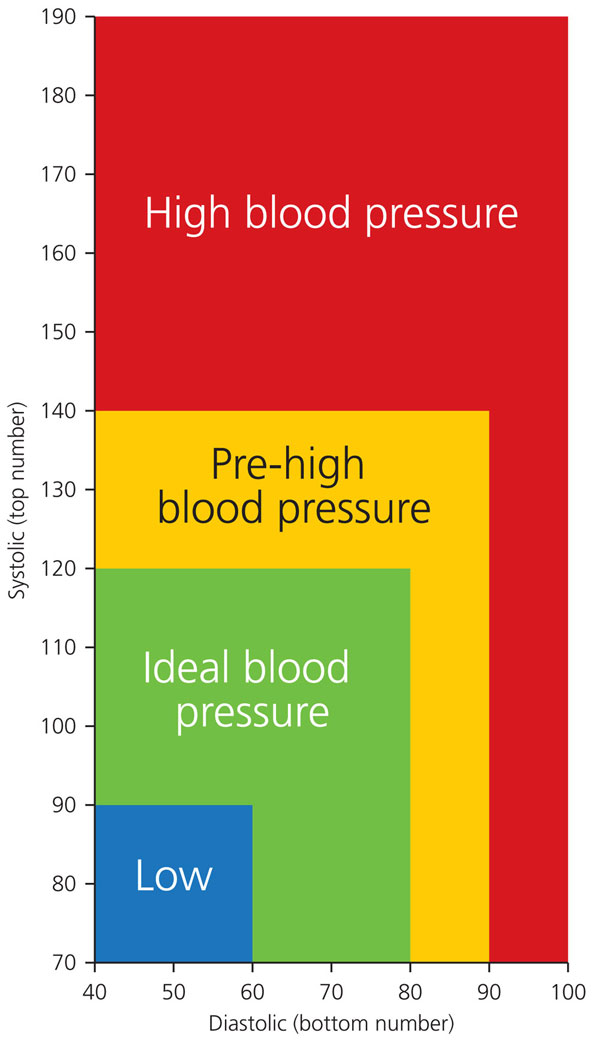
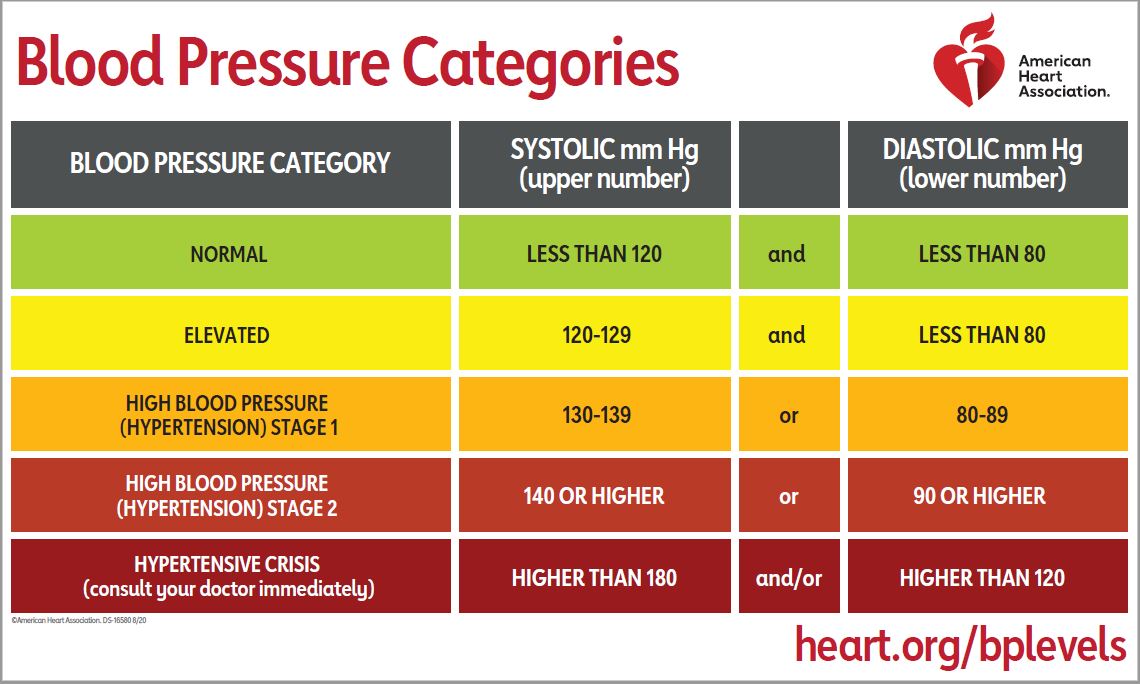
One of the most significant contributions of health tech to understanding blood pressure is the provision of immediate, comprehensible feedback. After a measurement, smart apps don’t just display the raw numbers; they often categorize them with color-coded indicators (e.g., green for normal, yellow for elevated, red for high blood pressure stages), instantly communicating the reading’s significance according to established medical guidelines (like those from the American Heart Association).
Furthermore, these apps transform raw data into intuitive dashboards. Users can view trends over days, weeks, or months through interactive graphs and charts. These visualizations make it easy to spot patterns, such as the effectiveness of lifestyle changes or medication, or identify times of day when blood pressure tends to be higher or lower. Statistical summaries, like average readings for the week or month, provide a macro-level understanding, while specific metrics like pulse pressure (the difference between systolic and diastolic) can offer additional insights for healthcare providers, all presented through a user-friendly digital interface. This real-time, visual feedback empowers individuals to quickly grasp “what the number means” for their immediate health status and how it fits into their overall journey.
AI and Machine Learning for Predictive Insights
Beyond simple visualization, artificial intelligence (AI) and machine learning (ML) are beginning to unlock deeper, more personalized meanings from blood pressure data. These advanced algorithms analyze vast datasets, including an individual’s historical readings, lifestyle inputs (e.g., exercise, diet, sleep patterns logged in other health apps), and even environmental factors.
AI can identify subtle trends and correlations that might escape human observation. For instance, an ML model could detect a gradual upward creep in diastolic pressure before it crosses a clinical threshold, prompting an early alert. It can predict potential future risks based on current patterns, offering “what if” scenarios. Some AI-driven platforms can even provide personalized recommendations, such as suggesting specific times to take medication for optimal effectiveness based on individual circadian rhythms, or identifying which lifestyle changes (e.g., reducing sodium intake) have the most significant impact on a user’s unique blood pressure profile. While still an evolving field, AI’s ability to contextualize and predict elevates the meaning of blood pressure numbers from mere measurements to predictive health intelligence.
Smart Devices and Ecosystems for Comprehensive Health Management
The modern meaning of blood pressure numbers is also derived from their integration into broader digital health ecosystems, where they don’t stand alone but contribute to a holistic view of well-being.
Integrated Health Platforms and Interoperability
Today’s smart blood pressure monitors are rarely solitary gadgets. They are designed to be part of an integrated health platform, often connecting with other smart health devices like smart scales, glucose meters, sleep trackers, and fitness trackers. Data from all these sources converges in a single health app or platform, creating a comprehensive personal health record.
This interoperability means that a blood pressure reading doesn’t just indicate cardiovascular status; it can be seen in conjunction with changes in weight, physical activity levels, or even sleep quality. For example, a spike in blood pressure alongside poor sleep data might suggest a correlation, offering a more nuanced “meaning” to the numbers. The ability of these platforms to exchange data with EHRs and patient portals further enhances their utility, ensuring that a patient’s personal data can seamlessly inform clinical decisions, facilitating a truly collaborative approach to health.
Remote Monitoring and Telemedicine Capabilities
The digital meaning of blood pressure numbers has been profoundly amplified by the rise of remote patient monitoring (RPM) and telemedicine. With smart blood pressure monitors, patients can take readings at home, and the data is securely transmitted in real-time or near real-time to their healthcare providers.
This capability transforms episodic clinical measurements into continuous monitoring, allowing doctors to track blood pressure fluctuations over extended periods, assess the effectiveness of treatments, and intervene proactively if readings become concerning. Telemedicine consultations, often enabled by video conferencing software, can then use this remotely gathered data as the basis for discussion, diagnosis, and treatment adjustments. For instance, a doctor can review a week’s worth of readings from a patient’s app, discuss trends, and adjust medication dosage without the patient needing to physically visit the clinic. In this context, “what the number means” becomes a dynamic input in an ongoing, digitally supported dialogue between patient and physician, fostering better adherence and more personalized care.
Navigating the Digital Landscape: Security, Accuracy, and User Experience
As blood pressure data becomes increasingly digital and interconnected, critical considerations around data security, device accuracy, and user experience rise to the forefront, shaping the trust and utility of these technological solutions.
Ensuring Data Privacy and Cybersecurity in Health Tech
The intimate nature of blood pressure data, like all personal health information (PHI), makes its privacy and security paramount. “What the number means” can be severely compromised if it falls into the wrong hands. Health tech companies developing blood pressure monitors and associated apps must adhere to stringent cybersecurity protocols and comply with regulatory frameworks such as HIPAA in the United States or GDPR in Europe.
This involves robust data encryption both in transit (when data is sent from the device to the app or cloud) and at rest (when it’s stored on servers). Secure authentication methods, granular access controls, and regular security audits are essential to protect against breaches. Users need to be confident that their blood pressure numbers, and the insights derived from them, remain confidential and are only shared with their explicit consent. Without this assurance, the perceived value and meaning of technologically gathered health data diminish significantly.
The Importance of Device Validation and User Calibration
For a blood pressure number to have meaningful clinical value, the device producing it must be accurate. “What the number means” is directly contingent on its reliability. Consequently, regulatory bodies like the FDA or European health authorities play a crucial role in validating smart blood pressure monitors for clinical accuracy. Users should always opt for devices that have undergone such validation and are medically certified.
Beyond certification, user calibration and proper usage are critical. Technology aids in this through clear instructional videos within apps, step-by-step guides, and even AI-powered prompts that detect incorrect cuff placement or movement during a reading. Regular calibration checks (where applicable) and adherence to manufacturer guidelines ensure that the digital measurement accurately reflects the physiological reality, giving legitimate meaning to the displayed numbers.
Designing for Engagement: User Interface and Accessibility
The most advanced technology is ineffective if it’s not user-friendly. “What the number means” becomes clearer when the interface presenting it is intuitive, engaging, and accessible to a wide range of users, regardless of their tech proficiency or physical abilities.
Health tech developers invest heavily in UI/UX design, creating clean layouts, easy-to-read fonts, and logical navigation within blood pressure apps. Features like dark mode, adjustable font sizes, and compatibility with screen readers enhance accessibility. Gamification elements, like streaks for consistent measurements or badges for reaching health goals, can boost user engagement and adherence to monitoring routines. When the technology is easy to use and even enjoyable, it encourages consistent monitoring, which in turn generates more data, leading to a richer and more precise understanding of what blood pressure numbers truly mean for an individual’s health journey.
The Future of Blood Pressure Monitoring: Predictive, Proactive, Personalized
The trajectory of technology suggests an even more profound understanding of blood pressure numbers in the coming years, shifting from reactive measurement to proactive, personalized health management.
Non-Invasive Continuous Monitoring Technologies
The holy grail of blood pressure monitoring is continuous, non-invasive measurement without the need for a cuff. “What the number means” would be revolutionized by real-time, minute-by-minute data, offering unprecedented insights into how daily activities, stress, emotions, and sleep impact blood pressure. Research is rapidly advancing in areas like optical sensors (photoplethysmography or PPG, already used in smartwatches), radar technology, and even acoustic methods to infer blood pressure from pulse wave velocity or other physiological signals. Imagine a future where a smart ring or patch provides constant readings, alerting you to subtle, medically relevant shifts before they become problematic.
AI-Driven Personalized Health Interventions
As data streams become richer and AI models more sophisticated, the meaning derived from blood pressure numbers will translate into highly personalized, real-time health interventions. Instead of generic advice, AI could offer specific, context-aware recommendations: “Your blood pressure is trending up after your evening meal; try reducing sodium in your dinner tonight and check again in the morning,” or “Based on your recent sleep data, a 15-minute meditation could help lower your evening systolic reading.” These AI-driven coaching systems, delivered via apps, will make “what the number means” deeply personal and actionable, guiding users towards optimal health choices based on their unique physiological responses.
The Role of Augmented Reality and Virtual Reality in Health Education
Future technologies like Augmented Reality (AR) and Virtual Reality (VR) could further enhance the understanding of blood pressure numbers. Imagine an AR overlay that projects your real-time blood pressure onto a 3D model of your heart and arteries, visually explaining the impact of hypertension on blood flow. VR simulations could allow users to “experience” the effects of high blood pressure on their organs or visualize the benefits of exercise and healthy eating, providing an immersive, educational context for “what the number means” far beyond what static charts or text can convey.
In conclusion, “what the number of blood pressure means” has transcended its purely medical definition, propelled forward by the relentless march of technology. From accessible digital monitors and intuitive apps to sophisticated AI analysis and seamless integration into comprehensive health ecosystems, technology empowers individuals to not only measure but truly understand, manage, and proactively improve their cardiovascular health. The future promises even deeper insights, continuous monitoring, and personalized interventions, solidifying technology’s indispensable role in transforming abstract health data into a meaningful pathway to well-being.
aViewFromTheCave is a participant in the Amazon Services LLC Associates Program, an affiliate advertising program designed to provide a means for sites to earn advertising fees by advertising and linking to Amazon.com. Amazon, the Amazon logo, AmazonSupply, and the AmazonSupply logo are trademarks of Amazon.com, Inc. or its affiliates. As an Amazon Associate we earn affiliate commissions from qualifying purchases.