
In the vast landscape of biological science, the language of genetics relies heavily on shorthand. For students, researchers, and curious minds, the notation “TT” serves as a fundamental building block for understanding heredity. When we encounter this specific pair of letters, we are looking at a genotype—a representation of the genetic makeup of an organism. To understand what TT signifies, one must delve into the mechanics of alleles, inheritance patterns, and the foundational laws of Mendelian genetics.
The Foundations of Allelic Notation
At the core of genetic notation lies the concept of the gene. A gene is a sequence of DNA that serves as the instruction manual for building a specific protein or determining a specific trait. However, genes can come in different versions, which we call alleles. When we write “TT,” we are looking at a shorthand notation for a specific pair of alleles occupying the same locus (position) on a pair of homologous chromosomes.

Understanding Homozygosity
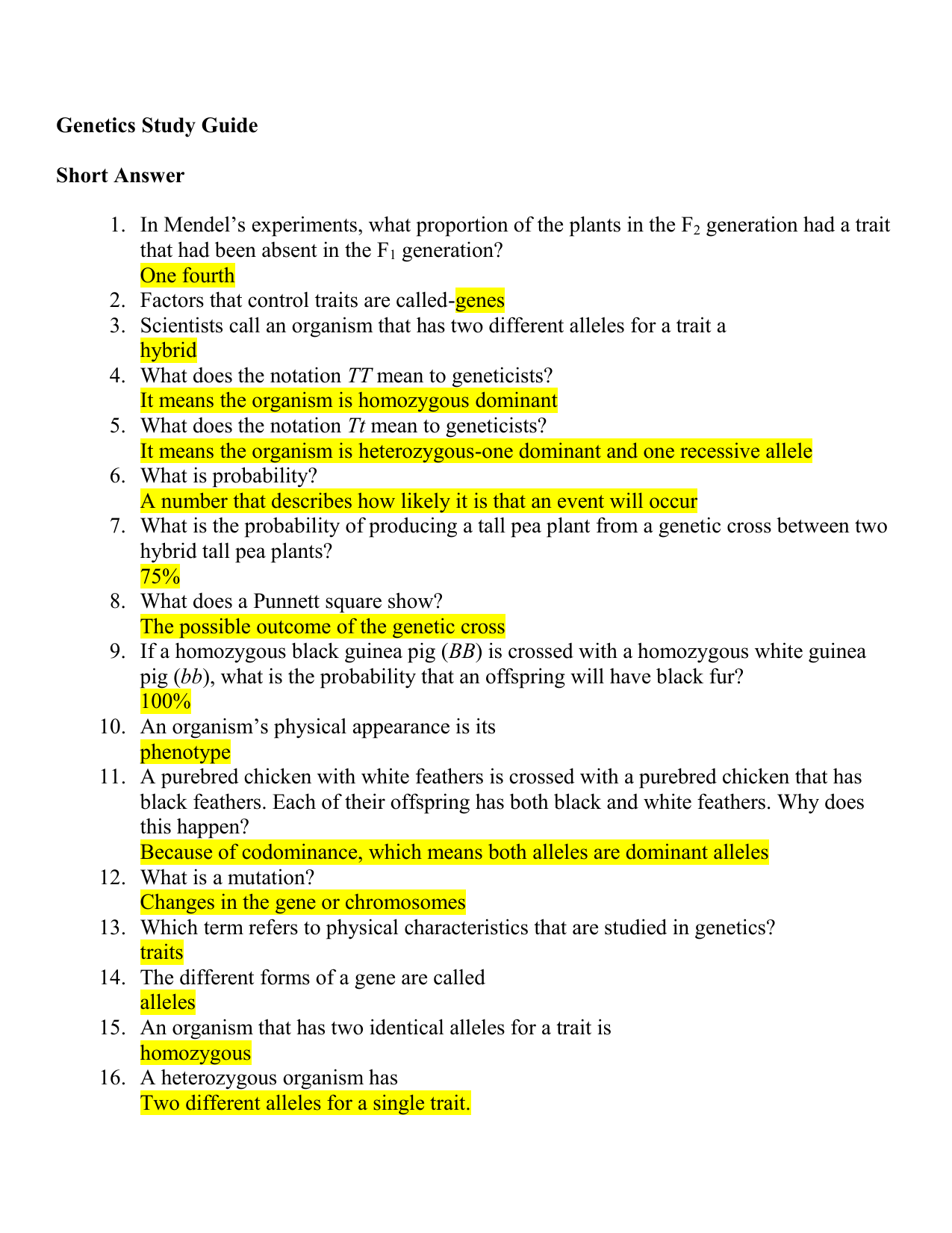
The notation “TT” signifies that an individual is homozygous for a particular trait. In genetics, “homo-” means same, indicating that the two alleles an individual has inherited from their parents are identical. Whether it is a capital “T” and another capital “T,” the pairing indicates a state of genetic purity regarding that specific locus. If the notation were “Tt,” the individual would be heterozygous, meaning they possess two different versions of the gene. By writing “TT,” the notation explicitly confirms that the organism will pass on only the “T” allele to its offspring.
Dominance and Recessiveness
In classic Mendelian genetics, uppercase letters like “T” are typically used to represent dominant alleles, while lowercase letters, such as “t,” represent recessive alleles. Therefore, the notation “TT” almost universally denotes a homozygous dominant condition. This means that the trait governed by this gene will manifest in the organism’s phenotype—the observable characteristics—regardless of whether there were a recessive allele present. The dominance of “T” ensures that the organism expresses the dominant trait fully.
Mendel’s Laws and the Predictability of TT
The notation TT is inextricably linked to the work of Gregor Mendel, the 19th-century monk whose pea plant experiments laid the groundwork for modern genetics. Mendel’s experiments with plant height, color, and texture allowed him to formulate the Law of Segregation and the Law of Independent Assortment.
The Law of Segregation
The Law of Segregation states that during the formation of gametes (sperm and egg cells), the two alleles for each gene separate so that each gamete carries only one allele for each gene. When an individual has the genotype TT, every single gamete they produce will carry the “T” allele. This high level of predictability is what makes the “TT” notation so vital in agricultural and laboratory settings. It serves as a guarantee of consistency. Breeders who seek to maintain a specific trait in a population will specifically look for “TT” individuals to ensure that the offspring do not display unwanted recessive variations.

Punnett Squares and Probability
When we use a Punnett square to predict the outcome of a cross, the genotype “TT” acts as a foundational constant. If one parent is “TT” and the other is also “TT,” every single offspring in the resulting generation (the F1 generation) will be “TT.” This creates a stable genetic line. If a “TT” parent is crossed with a “tt” (homozygous recessive) parent, the outcome is 100% “Tt” heterozygotes. Understanding the “TT” notation allows scientists to map out these probabilities with mathematical precision, transforming abstract inheritance into actionable data.
Practical Applications in Modern Science
While “TT” began as a tool for explaining pea plants, its usage extends into modern diagnostics, agriculture, and evolutionary biology. Understanding whether an organism is “TT” is no longer just a hypothetical exercise; it is a critical component of genomic analysis.
Agricultural Breeding and Consistency
In the agricultural sector, the term “purebred” or “true-breeding” is synonymous with organisms that are homozygous for desired traits. Whether it is disease resistance in wheat or drought tolerance in corn, scientists utilize markers to identify “TT” genotypes. By selecting for “TT,” breeders can eliminate the “hidden” recessive genes (the “t” alleles) that might lead to undesirable traits in future generations. This is the cornerstone of artificial selection, ensuring that food supply chains remain robust and predictable.
Diagnostic Genetics and Disease Carriers
In human and veterinary medicine, identifying homozygous dominant genotypes can be a matter of health management. While many genetic conditions are recessive (requiring the “tt” genotype to manifest), the “TT” notation helps doctors and genetic counselors determine the status of an individual’s risk profile. For example, if a “T” allele corresponds to a protective variant for a specific condition, having the “TT” genotype provides the maximum possible protection compared to a “Tt” individual. Modern CRISPR and gene-editing technologies often target these specific allelic pairs, aiming to convert undesirable genotypes into a “TT” configuration to resolve genetic predispositions to disease.
The Broader Implications of Symbolic Genetics
The simplicity of the “TT” notation belies the complexity of the molecular mechanisms involved. While we use these letters to represent genes, the reality is a sophisticated interplay of nucleotides, histones, and transcription factors.
Beyond Simple Dominance
It is essential to note that not all genetic traits follow simple Mendelian dominance. In some cases, inheritance is polygenic, meaning multiple genes influence one trait. In other cases, there is incomplete dominance or codominance, where the heterozygote “Tt” looks different from both “TT” and “tt.” Even in these complex scenarios, the “TT” notation remains a critical baseline. By identifying the “TT” state, researchers establish a reference point from which they can measure deviations, allowing them to map out more complex biological interactions.
The Evolving Language of Genomics
As we move into an era of high-throughput DNA sequencing, the shorthand “TT” is increasingly complemented by digital data. However, the logic remains the same. When a computer program analyzes a genome, it is still searching for these same patterns of homozygosity and heterozygosity. The notation has survived the transition from hand-drawn charts to high-powered supercomputers because it provides the most efficient way to communicate a biological state. Whether discussing an experiment in a classroom or a clinical trial in a lab, “TT” remains the international language of genetic certainty.
Ultimately, the notation “TT” is more than just a pair of letters. It is a symbol of order in a biological system characterized by massive complexity. It tells us that for this specific trait, there is no variation and no ambiguity. It represents a state of genetic equilibrium, serving as the benchmark for inheritance patterns and a powerful tool for those seeking to understand, predict, and manipulate the blueprints of life. As we continue to unlock the secrets of the genome, the humble “TT” will remain at the heart of our quest to decode the diversity of the living world.
aViewFromTheCave is a participant in the Amazon Services LLC Associates Program, an affiliate advertising program designed to provide a means for sites to earn advertising fees by advertising and linking to Amazon.com. Amazon, the Amazon logo, AmazonSupply, and the AmazonSupply logo are trademarks of Amazon.com, Inc. or its affiliates. As an Amazon Associate we earn affiliate commissions from qualifying purchases.