
In the vast and intricate world of global finance, certain names resonate with distinct power and influence. Among them, “Nasdaq” stands as a beacon, particularly for those tracking the pulse of innovation, growth, and technological advancement. Far more than just an acronym, Nasdaq represents a revolutionary concept that transformed securities trading and continues to shape the landscape of investing and corporate finance. Understanding what Nasdaq stands for – both literally and figuratively – is crucial for anyone navigating today’s financial markets, from individual investors to large institutional players and ambitious startups seeking capital.

At its core, Nasdaq is a global electronic marketplace for buying and selling securities, famed for listing many of the world’s most prominent technology and growth companies. Its influence extends beyond facilitating trades; it acts as a bellwether for the tech-driven economy, a catalyst for capital formation, and a pioneer in trading technology. This article will delve into the origins, functions, and profound significance of Nasdaq, illuminating its multifaceted role in the contemporary financial ecosystem.
The Genesis and Evolution of Nasdaq
The story of Nasdaq is one of innovation and disruption, born from a desire to modernize an archaic system. Its very name, in fact, hints at its foundational purpose.
From Acronym to Icon: The National Association of Securities Dealers Automated Quotations
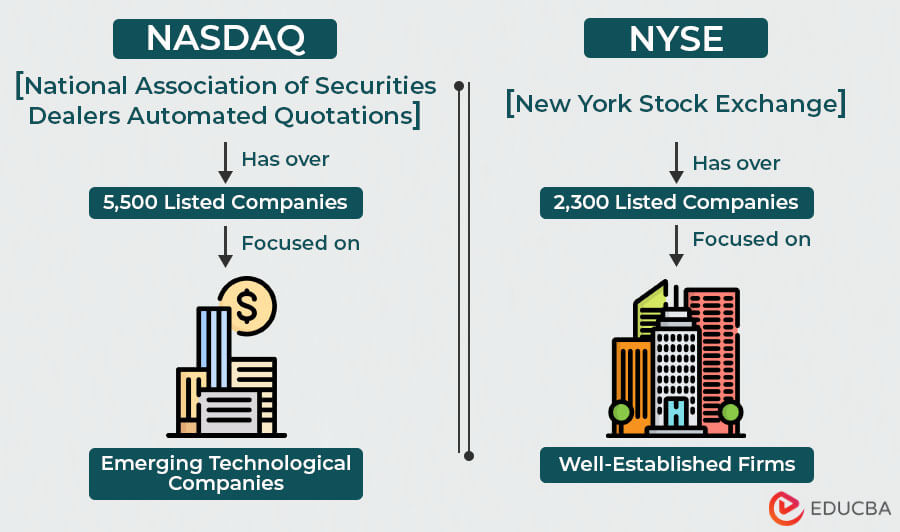
Nasdaq was founded in 1971 by the National Association of Securities Dealers (NASD), which later became FINRA (Financial Industry Regulatory Authority). The acronym “Nasdaq” originally stood for the National Association of Securities Dealers Automated Quotations. This seemingly technical name revealed a groundbreaking ambition: to create an automated, electronic system for trading securities.
Before Nasdaq, stock trading was largely conducted on physical exchange floors, often via an “open outcry” system where brokers verbally communicated bids and offers. This method was inefficient, opaque, and slow, especially for less actively traded securities. Nasdaq’s vision was to replace this manual process with a computerized network, instantly connecting buyers and sellers across the nation. This revolutionary step marked the birth of the world’s first electronic stock market, a move that would permanently alter the trajectory of global finance.
A Revolution in Trading: Speed, Transparency, and Accessibility
Nasdaq’s introduction brought unparalleled efficiency, transparency, and accessibility to the trading process. Instead of physical floor interactions, brokers could now view real-time bid and ask prices from multiple market makers on computer screens. This automation significantly sped up transactions, reduced the spread between buying and selling prices, and made the market more transparent by disseminating price information widely and instantaneously.
This innovation was particularly appealing to a new breed of companies – those in emerging sectors like technology and biotechnology – that often struggled to meet the stringent listing requirements or gain visibility on older, more traditional exchanges. Nasdaq offered them a dynamic platform, fostering a symbiotic relationship that would fuel both its own growth and the rise of the modern tech industry.
The Dot-Com Boom and Beyond: Sustained Growth and Resilience
Nasdaq’s trajectory has been intimately linked with the rise of the technology sector. It gained significant prominence during the dot-com boom of the late 1990s, becoming the primary listing venue for internet and technology companies. Its indices soared, reflecting the explosive growth and investor enthusiasm for these innovative firms. While the subsequent dot-com bust presented a significant challenge, Nasdaq demonstrated resilience, adapting and continuing its evolution.
Post-dot-com, Nasdaq diversified its offerings, expanded globally, and solidified its position not just as an exchange but as a technology solutions provider for other markets worldwide. Today, it remains at the forefront of financial innovation, continuously enhancing its trading platforms, data analytics, and regulatory technologies to meet the demands of a fast-paced global economy.
Nasdaq’s Core Function in the Financial Ecosystem
Beyond its historical significance, Nasdaq plays several critical roles in the contemporary financial ecosystem, serving both companies seeking capital and investors looking for opportunities.
Facilitating Capital Formation for Innovative Companies
One of Nasdaq’s most vital functions is to provide a platform for capital formation. For companies, particularly those in high-growth, innovation-driven sectors like technology, healthcare, and biotech, listing on Nasdaq is a strategic move. It allows them to raise significant capital from public investors through initial public offerings (IPOs) and subsequent secondary offerings. This capital is essential for funding research and development, expanding operations, making acquisitions, and ultimately driving economic growth and job creation.
Nasdaq’s reputation as a venue for forward-thinking companies attracts a specific type of investor base—those comfortable with higher growth potential and often willing to take on more risk for potentially greater returns. This alignment makes it an attractive home for startups poised for significant scaling.
A Vibrant Marketplace for Global Investors
For investors, Nasdaq offers a liquid and transparent marketplace to buy and sell shares of thousands of publicly traded companies. It provides access to a diverse array of investment opportunities, ranging from blue-chip tech giants to emerging small-cap innovators. Investors can participate in the growth stories of these companies, seeking capital appreciation, and in some cases, dividends.
The electronic nature of Nasdaq ensures that trades are executed quickly and efficiently, with real-time price discovery. This accessibility empowers individual investors to participate directly in the market, alongside institutional funds and professional traders, making it a truly global and democratized platform for wealth creation.
Driving Market Innovation and Technology
Nasdaq isn’t just a beneficiary of technological advancement; it’s a driver of it. The exchange continuously invests in and develops cutting-edge trading technology, market surveillance tools, and data analytics. From pioneering electronic trading to implementing advanced matching engines and AI-powered surveillance systems, Nasdaq sets industry standards. These innovations enhance market integrity, improve trading efficiency, and offer sophisticated tools for market participants. Its technology is even licensed to other exchanges and financial institutions globally, underscoring its role as a leader in financial market infrastructure.
Understanding Nasdaq’s Key Indices
While Nasdaq is a marketplace, it is also synonymous with several highly influential market indices that serve as crucial benchmarks for investors and economists alike.
The Nasdaq Composite Index: A Broad Market Barometer
The Nasdaq Composite Index is perhaps the most widely recognized Nasdaq index. It includes virtually all common equities listed on the Nasdaq stock market – encompassing over 3,000 stocks. This broad scope makes the Composite Index an excellent barometer for the overall health and performance of the technology sector, given Nasdaq’s high concentration of tech companies.
Investors track the Composite to gauge the general sentiment and direction of the broader growth-oriented segment of the market. Its movements often reflect shifts in investor appetite for innovation and risk.
The Nasdaq 100 Index: The Apex of Non-Financial Growth
More selective and equally influential is the Nasdaq 100 Index. This index comprises the 100 largest non-financial companies listed on the Nasdaq Stock Market, based on market capitalization. It’s an elite group, featuring many household names in technology, biotechnology, retail, and telecommunications.
The Nasdaq 100 is often considered a proxy for large-cap growth stocks, and its performance is closely watched by investors seeking exposure to established leaders in innovation. Exchange-Traded Funds (ETFs) and other financial products tracking the Nasdaq 100 are popular investment vehicles for those aiming to replicate the performance of these market-leading companies.
Sectoral Insights and Market Signals
These indices, along with others like the Nasdaq Biotechnology Index, provide invaluable sectoral insights. They allow investors to quickly assess the performance of specific industries within the broader market. When the Nasdaq Composite or Nasdaq 100 rises or falls significantly, it sends a clear signal about investor confidence in growth-oriented sectors, influencing investment decisions, capital allocation, and even broader economic forecasts. Understanding these indices is fundamental to grasping market dynamics, especially in segments characterized by rapid technological change.
The Allure of Nasdaq for Companies and Investors
Nasdaq’s unique characteristics make it an appealing destination for both ambitious companies and discerning investors.
Attracting Growth Companies with Global Aspirations
For companies, particularly those operating in rapidly evolving fields, Nasdaq offers a compelling value proposition. Its reputation as a hub for innovation attracts a strong base of institutional and individual investors who understand and seek out high-growth opportunities. Listing on Nasdaq confers significant prestige and visibility, boosting a company’s brand and making it easier to attract talent and secure future financing. The electronic nature of the exchange also means fewer geographic barriers, providing companies with access to a truly global investor pool. This is why many leading tech giants chose Nasdaq as their public market home.
Investor Opportunities and Risks in the Growth Frontier
Investors are drawn to Nasdaq for its potential to deliver outsized returns. The exchange is home to many companies that are pioneering new technologies, disrupting industries, and experiencing rapid revenue growth. Investing in these companies offers the allure of participating in future economic shifts and wealth creation. However, this potential for high growth often comes with higher volatility and risk. Many Nasdaq-listed companies are still in their growth phases, meaning their valuations can be more sensitive to market sentiment, economic cycles, and competitive pressures. For investors, it’s a balance of seeking innovation-driven growth against managing inherent market risks.
Global Reach and Influence in Financial Markets
Nasdaq’s reach extends far beyond U.S. borders. Through its various market segments and technology solutions, it plays a significant role in global finance. It provides cross-listing opportunities for international companies and its market data and indices are referenced worldwide. This global influence means that trends and performances on Nasdaq can have ripple effects across international markets, underscoring its interconnectedness within the broader financial world.
Navigating Nasdaq: Essential Financial Considerations
For investors engaging with Nasdaq, understanding the mechanisms and tools available is key to making informed financial decisions.
IPOs and Direct Listings: Pathways to Public Markets
Nasdaq is a primary venue for companies entering the public markets through Initial Public Offerings (IPOs) or Direct Listings. An IPO involves a company offering its shares for sale to the public for the first time, often with the help of underwriters. A Direct Listing, a more recent innovation championed by Nasdaq, allows a company to list its existing shares directly on an exchange without raising new capital or involving traditional underwriters. Understanding these processes is crucial for investors looking to participate in the early stages of a public company’s life, though they often come with heightened volatility.
Leveraging Market Data and Analytics for Informed Decisions
Nasdaq provides a wealth of market data and analytical tools that are indispensable for investors. This includes real-time stock quotes, trading volumes, historical data, and corporate news. Sophisticated investors and institutions often subscribe to advanced data feeds and analytics services provided by Nasdaq to gain an edge, identifying trends, assessing liquidity, and executing complex trading strategies. For the everyday investor, accessing readily available data through brokerage platforms or financial news sites, much of which originates from Nasdaq, is essential for fundamental and technical analysis.
Regulatory Framework and Investor Protection
As a regulated stock exchange, Nasdaq operates under strict rules designed to ensure fair and orderly markets and protect investors. It works in conjunction with regulatory bodies like the Securities and Exchange Commission (SEC) in the U.S. to enforce listing standards, prevent market manipulation, and ensure transparency. Companies listed on Nasdaq must adhere to rigorous reporting requirements, providing investors with reliable financial information. This regulatory oversight is a cornerstone of investor confidence, ensuring a level playing field and reducing the potential for fraud.
Conclusion
What does Nasdaq stand for? It stands for innovation, progress, and the relentless pursuit of efficiency in financial markets. From its origins as an electronic quotation system to its current status as a global leader in trading technology and a vital marketplace for growth companies, Nasdaq has consistently pushed the boundaries of what a stock exchange can be.
For companies, it represents a gateway to capital and global visibility. For investors, it offers unparalleled access to a dynamic and often high-growth segment of the economy, particularly within the technology and innovation sectors. Its indices serve as critical benchmarks, guiding investment strategies and reflecting the health of cutting-edge industries. By understanding the literal meaning of its name and its figurative standing in the financial world, investors and businesses can better navigate the opportunities and challenges presented by this pivotal institution, which remains at the heart of modern finance and the engine of future economic expansion.
aViewFromTheCave is a participant in the Amazon Services LLC Associates Program, an affiliate advertising program designed to provide a means for sites to earn advertising fees by advertising and linking to Amazon.com. Amazon, the Amazon logo, AmazonSupply, and the AmazonSupply logo are trademarks of Amazon.com, Inc. or its affiliates. As an Amazon Associate we earn affiliate commissions from qualifying purchases.