
In the realm of contemporary narrative and cultural discourse, few symbols have achieved the level of immediate recognition and profound psychological weight as the Mockingjay. While it originated within the pages of Suzanne Collins’ The Hunger Games trilogy, its transition from a fictional creature to a global icon of resistance serves as a premier case study in brand strategy, semiotics, and the power of visual identity. To understand what the Mockingjay symbolizes is to understand the mechanics of how a brand transcends its medium to become a catalyst for real-world movement and a blueprint for mission-driven identity.

From a brand perspective, the Mockingjay is more than a biological hybrid; it is a masterclass in unintentional branding that evolved into a calculated, strategic asset. It represents the intersection of authenticity, disruption, and the human need for a unifying visual anchor.
The Anatomy of a Symbol: From Biological Accident to Visual Identity
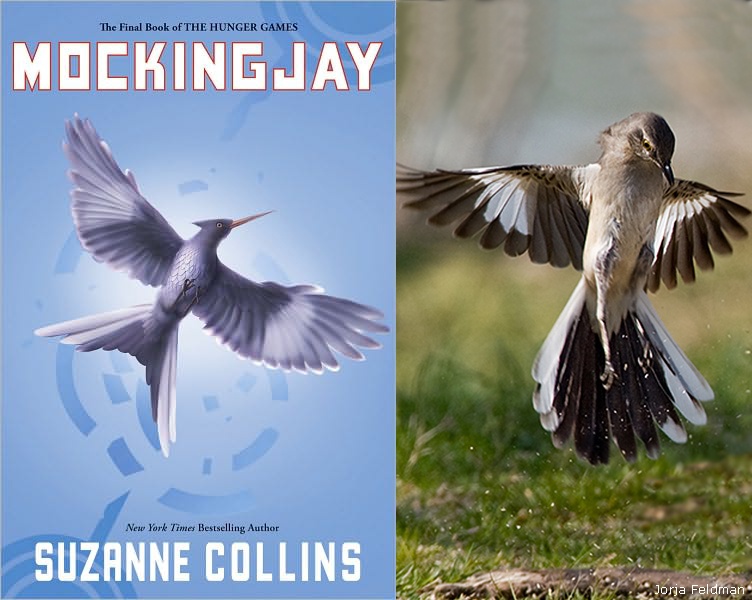
The Mockingjay is, first and foremost, a symbol of resilient adaptation. In the lore of Panem, the bird is a hybrid offspring of the Capitol-designed “jabberjays”—genetically engineered spies—and common mockingbirds. When the Capitol’s surveillance project failed, the jabberjays were left to die out, but they survived by mating with wild birds. This origin story is the foundation of the symbol’s brand narrative: it is a “mistake” that the establishment could not control.
The Power of Visual Semiotics
In brand strategy, semiotics—the study of signs and symbols—is used to communicate complex values without the need for extensive text. The Mockingjay pin, given to Katniss Everdeen, functions as the “Minimum Viable Brand.” It is simple, reproducible, and carries an inherent meaning of survival. The image of a bird mid-flight, clutching an arrow, creates a visual tension between nature and weaponry, between peace and the necessity of defense.
For a brand to be successful, its logo must evoke an emotional response. The Mockingjay symbol does this by tapping into the archetype of the “Underdog.” Because the bird exists despite the Capitol’s wishes, it resonates with anyone who feels marginalized by a larger corporate or systemic entity. In the world of marketing, this is known as “oppositional brand loyalty,” where a consumer (or in this case, a citizen) aligns with a symbol specifically because it stands against a dominant, often oppressive, status quo.
Authenticity in Brand Origin Stories
Modern consumers are increasingly cynical toward manufactured brand stories. They crave authenticity. The Mockingjay is a potent symbol because it was not “designed” by a marketing committee in its infancy; it was discovered. Katniss did not choose the bird to be her logo; the people chose it for her. This organic adoption is the holy grail of branding. When a community takes ownership of a symbol, it ceases to be a top-down corporate mandate and becomes a grassroots identity. This transition from a “product” (the pin) to a “purpose” (the revolution) is what allowed the Mockingjay to scale from a district-level token to a national icon.
Scaling the Narrative: The Mockingjay as a Global Movement Brand
As the narrative of the rebellion progresses, the Mockingjay undergoes a professionalization process that mirrors how a startup matures into a market-leading corporation. The transition from the “accidental” symbol of the first book to the “managed” icon of the third book, Mockingjay, highlights the strategic use of media and propaganda to scale a brand’s reach.
Consistency Across Touchpoints
For a symbol to hold power, it must be consistent. In the later stages of the revolution, the rebellion’s leadership—specifically the strategists in District 13—understood that the Mockingjay needed to be everywhere. They utilized “Propos” (promotional videos) to broadcast Katniss, dressed in Mockingjay-inspired armor, to the various districts.
In corporate branding, this is the equivalent of a multi-channel marketing campaign. The goal was to ensure that regardless of the district or the socioeconomic status of the viewer, the sight of the bird signaled the same thing: hope, unity, and the impending fall of the Capitol. This level of brand consistency is what allowed a fragmented group of rebels to act as a single, cohesive unit. The symbol became the “connective tissue” of the organization.
Emotional Branding and the Hero’s Journey
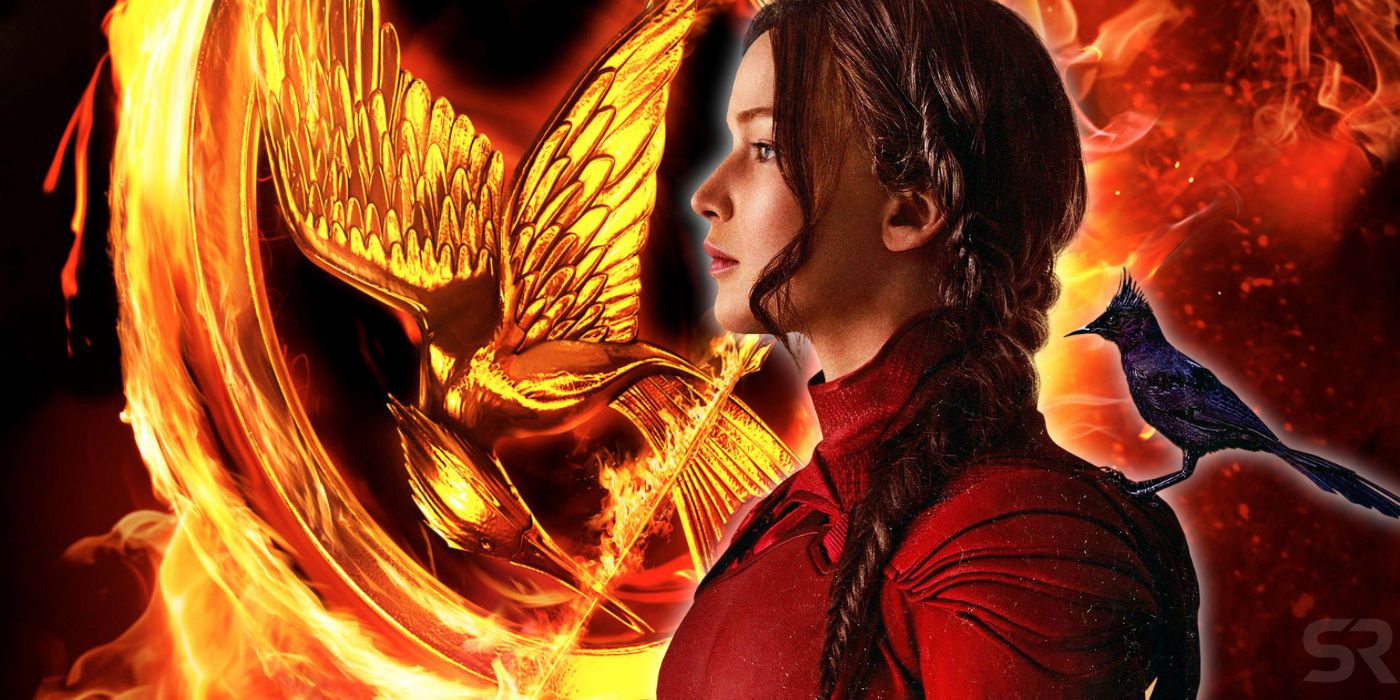
The Mockingjay is inextricably linked to the persona of Katniss Everdeen. This is a classic example of “Personal Branding” integrated with “Corporate Identity.” Katniss is the “Face of the Brand,” much like Steve Jobs was for Apple or Elon Musk is for Tesla. Her struggles, her vulnerability, and her eventual defiance provide the emotional weight that the symbol alone could not carry.
Effective branding relies on the “Hero’s Journey.” The Mockingjay symbolizes the transformation from a victim of circumstances to an agent of change. When people wear the symbol or paint it on walls, they aren’t just supporting a cause; they are adopting a piece of that hero’s identity for themselves. This is the ultimate goal of lifestyle branding: to make the consumer feel that by associating with the symbol, they are becoming a better, stronger version of themselves.
The Mockingjay as a Disruptive Brand Strategy
In business terms, the Capitol represents the “Incumbent Brand”—a legacy organization with massive resources, a polished image, and a monopoly on the market. The Mockingjay represents the “Disruptor.” To succeed, a disruptor cannot compete on the incumbent’s terms; it must change the rules of the game.
Competitive Positioning: Rebellion vs. Authority
The Capitol’s brand is built on order, luxury, and the “Panem Today, Panem Tomorrow, Panem Forever” slogan. It is a brand of permanence and stagnation. The Mockingjay disrupts this by introducing a brand of “Flow and Change.” Birds are mobile, untamable, and move across boundaries.
By positioning the Mockingjay as the antithesis of the Capitol’s seal, the rebellion created a clear “Us vs. Them” dichotomy. In market strategy, this is called “Brand Polarisation.” While it may alienate some, it creates a fiercely loyal core audience. The Mockingjay does not try to appeal to everyone; it appeals specifically to those who are dissatisfied with the current market leader.
Viral Marketing and Grassroots Adoption
Long before the term “viral” was applied to internet memes, the Mockingjay functioned as a viral brand. It spread through word-of-mouth, through clandestine markings in tunnels, and through the four-note whistle that accompanied it.
This is a lesson in “Low-Friction Branding.” For a brand to spread in a hostile environment, it must be easy to replicate. A four-note melody and a simple sketch of a bird are easy to share and hard to censor. The Mockingjay symbolizes the power of decentralized marketing—where every member of the movement is a brand ambassador, empowered to use the symbol to recruit others.
Modern Applications: Lessons for Personal and Corporate Branding
The symbolism of the Mockingjay extends far beyond the borders of fiction. It has been adopted by real-world protest movements, from Thailand to Hong Kong, proving its efficacy as a tool for political and social branding. There are several key lessons that modern brand strategists and entrepreneurs can derive from the Mockingjay’s success.
Symbolism as a Tool for Internal Culture
Within an organization, a symbol serves as a North Star. The Mockingjay provided the rebels with a sense of belonging and a shared mission. In a corporate setting, this is the “Internal Brand.” When employees believe in the symbol of the company—what it stands for beyond just profit—productivity and retention increase. The Mockingjay teaches us that a brand must first be believed in by its “internal” stakeholders (the rebels) before it can be successfully marketed to the “external” world (the districts).
The Longevity of Purpose-Driven Symbols
Brands that are built purely on aesthetics or features eventually fade. However, brands built on “Purpose” have longevity. The Mockingjay symbolizes a fundamental human desire for agency. As long as that desire exists, the symbol remains relevant.
For brands today, the lesson is to find the “Mockingjay” within their own mission. What is the fundamental human truth the brand is defending? If a company can identify that truth and encapsulate it in a simple, powerful symbol, it can achieve a level of loyalty that transcends traditional marketing.
Managing the Brand Life Cycle
Finally, the Mockingjay provides a cautionary tale about brand co-optation. By the end of the series, Katniss realizes that the rebellion’s leaders are using the Mockingjay symbol to justify their own rise to power, potentially becoming as oppressive as the Capitol they replaced.
In the business world, this highlights the importance of “Brand Integrity.” If a brand’s actions do not align with its symbol’s promise, the brand will eventually collapse. The Mockingjay symbolizes the purity of an ideal, but it also warns of the dangers of allowing that ideal to be manipulated for the wrong reasons. Authenticity must be maintained at every stage of the brand’s life cycle, or the symbol loses its power to inspire.
Through the lens of brand strategy, the Mockingjay is not merely a bird; it is a sophisticated identity system that leveraged semiotics, emotional resonance, and disruptive positioning to change the world. It stands as a testament to the fact that when a symbol is rooted in a universal truth and executed with strategic consistency, it becomes more than an image—it becomes an unstoppable force.
aViewFromTheCave is a participant in the Amazon Services LLC Associates Program, an affiliate advertising program designed to provide a means for sites to earn advertising fees by advertising and linking to Amazon.com. Amazon, the Amazon logo, AmazonSupply, and the AmazonSupply logo are trademarks of Amazon.com, Inc. or its affiliates. As an Amazon Associate we earn affiliate commissions from qualifying purchases.