
The Brand Strategy of Primitive Instinct
In the realm of brand strategy, few archetypes are as potent—or as dangerous—as the one established in William Golding’s Lord of the Flies. While literary critics analyze the text through the lenses of sociology and morality, the branding professional sees a masterclass in identity construction, tribalism, and the fragility of corporate culture. When we ask what the “Lord of the Flies” means in a contemporary business context, we are really asking: What happens to a brand identity when its foundational values are stripped away, and only the raw, competitive instinct remains?
A brand is essentially a promise—a contract of values between an entity and its audience. In Golding’s narrative, the boys represent a brand that has lost its mission statement. Without the structure of the “old world” (the established corporate headquarters/the adult world), the internal culture decays into warring factions. For the modern marketer, this serves as a cautionary tale about the necessity of authentic cultural architecture. If your brand’s “why” is not deeply ingrained in the daily operations of your workforce, the brand will inevitably cannibalize itself.
Tribalism and the Fragmentation of Corporate Identity
The most striking phenomenon in the narrative is the schism between Ralph’s focus on long-term sustainability (the signal fire) and Jack’s pivot to high-intensity, immediate gratification (the hunt). In modern business, we see this as the conflict between Brand Stewardship and Performance Marketing.
The Siren Song of Short-Term Gains
Jack represents the aggressive, short-term tactical pivot. He offers the tribe immediate results: food, violence, and a clear, albeit destructive, identity. In the marketplace, this is the brand that prioritizes quarterly growth metrics over customer retention or brand equity. It is the “hunter” model of business. While it yields fast results, it lacks a sustainable foundation. If a brand ignores its core mission in favor of hyper-aggressive acquisition tactics, it eventually loses its “civilization”—its ability to serve the customer beyond the immediate transaction.
The Burden of Brand Stewardship
Ralph, conversely, represents the brand architect. His commitment to the signal fire is the equivalent of a company’s long-term vision. He understands that for the brand to survive, it must maintain a connection to the outside world—to the consumer base. When the “tribe” begins to favor the visceral thrill of the hunt over the necessity of the fire, the brand’s relevance effectively dies. The lesson here is that as a brand scales, keeping the “fire” burning requires constant, boring, and disciplined adherence to the brand’s core purpose.
The Lord of the Flies as an Anti-Brand Archetype
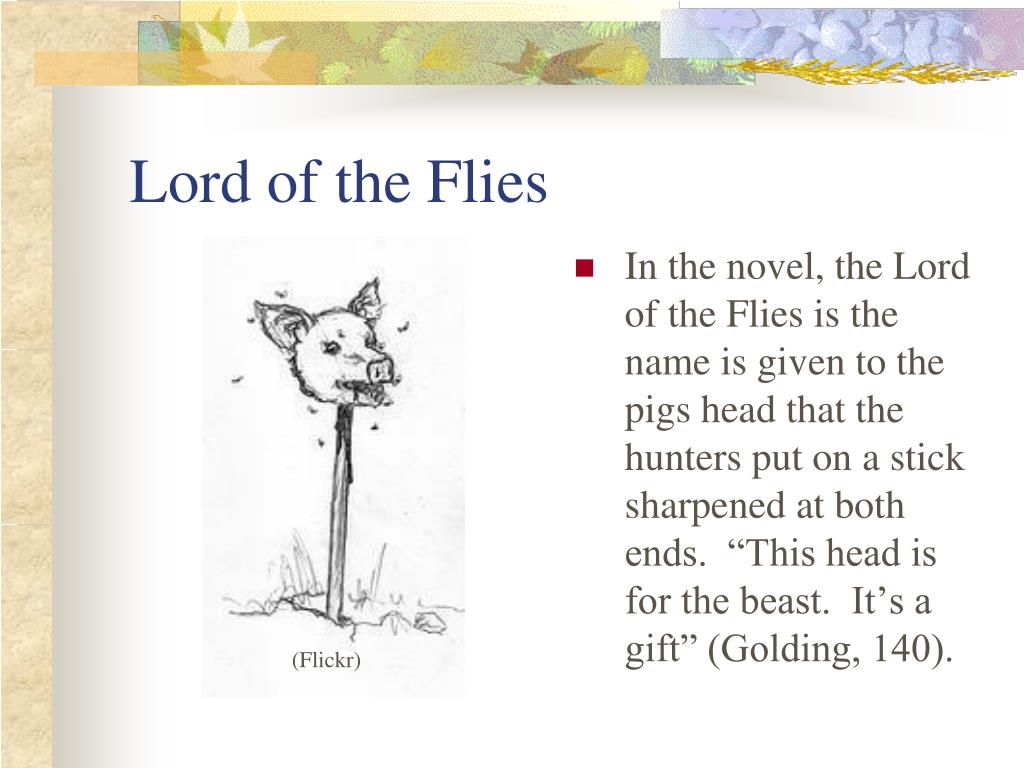
In the novel, the “Lord of the Flies”—the severed pig’s head—acts as an effective, albeit horrific, symbol. It is the physical manifestation of the tribe’s shadow identity. It is what happens when a brand, left without leadership or moral grounding, begins to worship its own darkest impulses.
Marketing Through Fear and Deception
The pig’s head functions as a dark mascot. It exerts influence through fear, myth, and the promise of protection against the “beast.” In corporate marketing, this is the danger of creating an “Us vs. Them” narrative that is rooted in negativity rather than value. When a brand defines itself solely by how much it hates its competitors, or how much it fears for the consumer’s safety, it ceases to be a brand and becomes a cult. The “Lord of the Flies” represents the ultimate failure of brand messaging: the transition from providing a service to enforcing a dogma.
The Decay of Organizational Culture
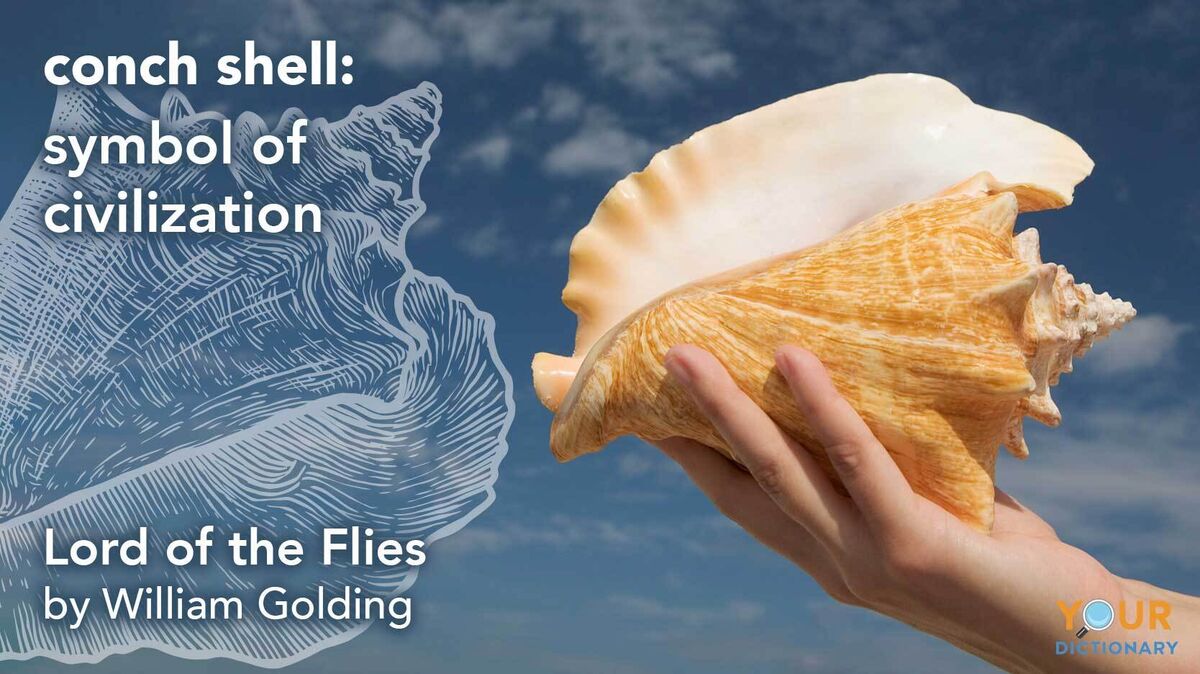
A brand is only as strong as the culture of its internal team. When the boys on the island lose their shared symbols—the conch, the signal fire—the organization collapses. In modern branding, the conch represents the communication infrastructure. When that infrastructure fails, or when only the loudest voices are permitted to speak, the brand identity fractures. Effective leadership requires maintaining the integrity of the communication flow, ensuring that even in high-pressure environments, the “rules of order” that built the brand remain intact.
Reconstructing the Brand in a Post-Chaos Marketplace
The tragedy of the boys is that they forgot what they were. They arrived as schoolboys, but they left as symbols of what they had created. For a modern brand, the question is how to avoid this descent into chaos. The answer lies in the radical reinforcement of the mission statement and the maintenance of the “signal fire.”
The Necessity of Moral Infrastructure
Brands must invest in their internal infrastructure as heavily as their external campaigns. This means establishing a culture that values the “Ralphs”—the builders—as much as the “Jacks”—the hunters. If a company incentivizes only the killers—the sales team that hits targets at the expense of ethics, or the product managers who release features without quality control—they are inviting the “Lord of the Flies” into their boardroom.
Symbolism and the Modern Consumer
The conch was a powerful symbol because everyone agreed on its value. In the digital age, symbols are harder to maintain, as information is decentralized and often fragmented. However, the most successful brands today—those that stand the test of time—are the ones that maintain a singular, clear symbol of their purpose. Whether it is a commitment to sustainability, an uncompromising standard of service, or a relentless pursuit of innovation, that symbol must be held by everyone in the organization, not just the C-suite.

The Return of the Signal Fire
Finally, what does the Lord of the Flies mean to the brand strategist? It means that civilization is a choice, not a default state. A brand is not something you “have”; it is something you must perform every single day. If you stop tending to the fire, if you stop communicating with the world beyond your island, and if you let fear-based, predatory tactics become your primary mode of operation, you are no longer building a brand. You are participating in a collapse.
The mark of a truly great brand is its ability to withstand the “island” conditions of the market—the volatility, the competition, and the temptation to take shortcuts. Those who thrive are the ones who remember their roots, protect their communication channels, and never, under any circumstances, allow their identity to be defined by the shadows of their own aggression. In the end, the “Lord of the Flies” is not just a story about a group of children; it is a mirror reflecting the inherent instability of any organization that loses sight of its true purpose. To avoid this fate, one must cultivate a brand culture that is resilient, transparent, and fundamentally anchored to the value it provides to the world.
aViewFromTheCave is a participant in the Amazon Services LLC Associates Program, an affiliate advertising program designed to provide a means for sites to earn advertising fees by advertising and linking to Amazon.com. Amazon, the Amazon logo, AmazonSupply, and the AmazonSupply logo are trademarks of Amazon.com, Inc. or its affiliates. As an Amazon Associate we earn affiliate commissions from qualifying purchases.