
In the world of automotive technology, few specifications are as fundamental—and yet as frequently misunderstood—as engine displacement, commonly expressed in liters. When a consumer looks at a vehicle’s technical datasheet and sees “2.0L” or “5.0L,” they are looking at a measurement that defines the very character of the machine. Far from being a measurement of the fuel tank capacity or the physical footprint of the engine block, the “liter” designation refers to a specific volumetric calculation that serves as the foundation for power production, fuel efficiency, and mechanical thermal dynamics.
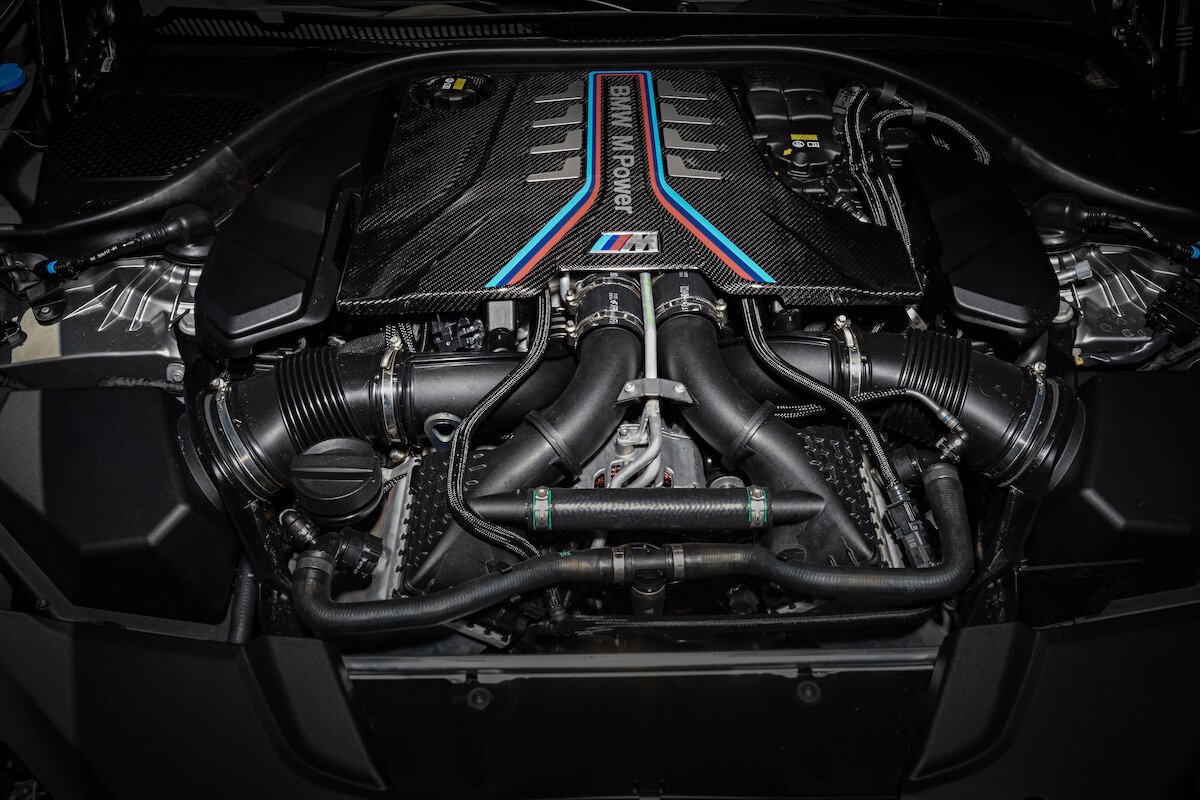
As we transition into an era defined by software-controlled powertrains and high-efficiency engineering, understanding the technology behind displacement is essential. It is the bridge between raw mechanical hardware and the digital management systems that dictate how a vehicle performs on the road.
The Engineering Behind the Number: Defining Engine Displacement
At its core, engine displacement is a measurement of the total volume of air-fuel mixture that an engine can move through its cylinders during one complete cycle. It is a calculation of the “swept volume” of all the pistons within their respective cylinders. To understand this in technical terms, one must look at the internal geometry of the combustion chamber.
The Mechanics of Piston Stroke and Bore
The displacement of a single cylinder is determined by two primary physical dimensions: the bore and the stroke. The “bore” is the diameter of the cylinder hole, while the “stroke” is the distance the piston travels from its highest point (Top Dead Center) to its lowest point (Bottom Dead Center).
When you multiply the area of the cylinder (derived from the bore) by the length of the stroke, you arrive at the volume of that specific cylinder. In a multi-cylinder engine, you simply multiply that volume by the total number of cylinders. For example, if a four-cylinder engine has a volume of 500 cubic centimeters (cc) per cylinder, the total displacement is 2,000cc, which is equivalent to 2.0 liters.
Calculating the Total Volume
The transition from cubic centimeters to liters is a matter of metric standardization. While the American automotive industry historically used cubic inches (e.g., the famous 350-cubic-inch V8), the global tech standard has shifted almost exclusively to liters.
It is important to note that displacement is a theoretical maximum of how much air the engine can ingest naturally. However, modern automotive technology has found ways to “cheat” this volume through forced induction, which allows a small-displacement engine to behave like a much larger one by compressing the air before it enters the cylinder.
How Displacement Influences Performance and Efficiency
The “liter” count of an engine serves as a primary indicator of its potential energy output. In traditional internal combustion technology, there is a direct correlation between the volume of the cylinders and the amount of torque the engine can produce. This is because a larger volume allows for more air and fuel to be ignited simultaneously, creating a larger “explosion” and pushing the piston down with greater force.
Power vs. Torque: The Displacement Dilemma
Historically, “there was no substitute for cubic inches.” A 6.0L V8 engine naturally produced more low-end torque than a 1.6L inline-four because it simply had more surface area and volume to generate pressure. Torque is the rotational force that gets a vehicle moving, and larger displacement engines excel at providing this force without needing to reach high revolutions per minute (RPM).
However, horsepower—the rate at which work is done—is a function of both torque and speed. This is where modern engine technology has evolved. High-tech, small-displacement engines (like a 2.0L turbocharged unit) can often produce more horsepower than an older 4.0L engine by using precision timing and high-speed rotation. This shift represents a move from “brute force” engineering to “efficiency-driven” technology.
Thermal Efficiency and Volumetric Performance
One of the most critical aspects of displacement in modern tech is volumetric efficiency. This refers to the engine’s ability to actually fill its cylinders with the theoretical amount of air available. A “naturally aspirated” 3.0L engine might only be 80% efficient at high speeds, meaning it is effectively acting like a 2.4L engine.
Engineers use advanced technologies like variable valve timing (VVT) and tuned intake manifolds to ensure that every “liter” of displacement is utilized to its maximum potential. By digitally controlling when valves open and close, the engine can optimize its breathing across a wide range of speeds, maximizing the utility of its physical volume.
The Technological Evolution: From “Big Blocks” to Precision Turbocharging
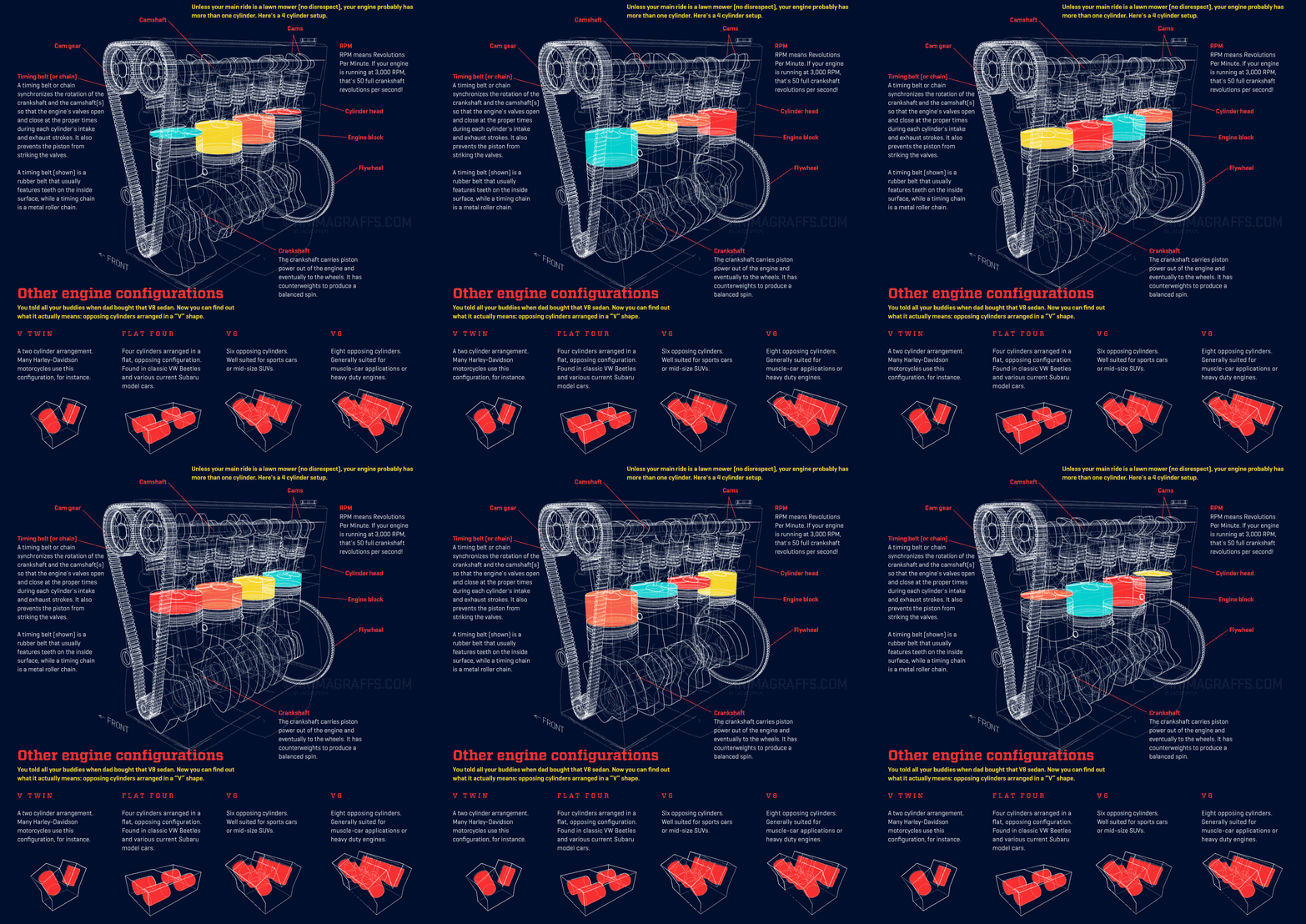
The most significant trend in automotive technology over the last decade has been “downsizing.” Manufacturers are replacing large-displacement engines with smaller, more complex powerplants that rely on software and forced induction to maintain performance standards.
Forced Induction and Digital Management
Turbochargers and superchargers have fundamentally changed what a “liter” means. By using a turbine to force compressed air into the cylinders, engineers can make a 1.5-liter engine perform with the power of a 3.0-liter engine. This is known as power density.
The technology that makes this possible isn’t just the mechanical turbo itself, but the sophisticated Electronic Control Units (ECUs) that manage the process. These computers monitor atmospheric pressure, air temperature, and fuel quality in real-time, adjusting the boost levels to ensure that the small displacement doesn’t result in engine damage. This represents a triumph of digital tech over mechanical limitations.
Downsizing Trends in Modern Automotive Tech
The drive toward smaller displacement is fueled by the need for better fuel economy and reduced emissions. A 2.0L engine has less internal friction and lower pumping losses than a 5.0L engine. When cruising on the highway, the smaller engine requires less energy to simply keep its parts moving.
Modern “tech-heavy” engines often feature cylinder deactivation, where a 4.0L V8 can digitally shut down half of its cylinders to effectively become a 2.0L V4 when full power isn’t needed. This fluid approach to displacement shows that the “liter” is no longer a static hardware spec, but a dynamic variable managed by software.
The Role of the ECU in Managing Engine Volume
In the past, the displacement of an engine was managed by mechanical carburetors and fixed timing. Today, the Engine Control Unit (ECU) acts as the brain of the vehicle, optimizing how those liters of volume are utilized every millisecond.
Sensor Integration and Fuel Mapping
The ECU uses an array of sensors—including Mass Air Flow (MAF) and Manifold Absolute Pressure (MAP) sensors—to calculate exactly how much air is entering the engine’s displacement volume. By knowing the precise volume of the cylinders, the computer can inject the exact micro-liter of fuel required for a perfect stoichiometric ratio (14.7 parts air to 1 part fuel). This precision is what allows modern engines to extract incredible power from very small displacements.
Variable Valve Timing and Smart Displacement
Advanced tech like Camless engines or sophisticated Variable Valve Lift systems allow the engine to effectively change its “breathing” characteristics. While the physical displacement (the liter count) remains the same, the engine can simulate different volumes by keeping valves open longer or closing them earlier. This “Miller Cycle” or “Atkinson Cycle” technology is frequently used in hybrid vehicles to maximize efficiency, proving that the digital management of displacement is just as important as the hardware itself.
Future Trends: Moving Beyond Liters in the Age of Software-Defined Vehicles
As the automotive industry pivots toward electrification, the “liter” is slowly losing its status as the primary metric of vehicle capability. In an electric vehicle (EV), there are no cylinders, no pistons, and no displacement. Instead, we talk about kilowatt-hours (kWh) and motor output in kilowatts (kW).
The Transition to Kilowatts and Battery Capacity
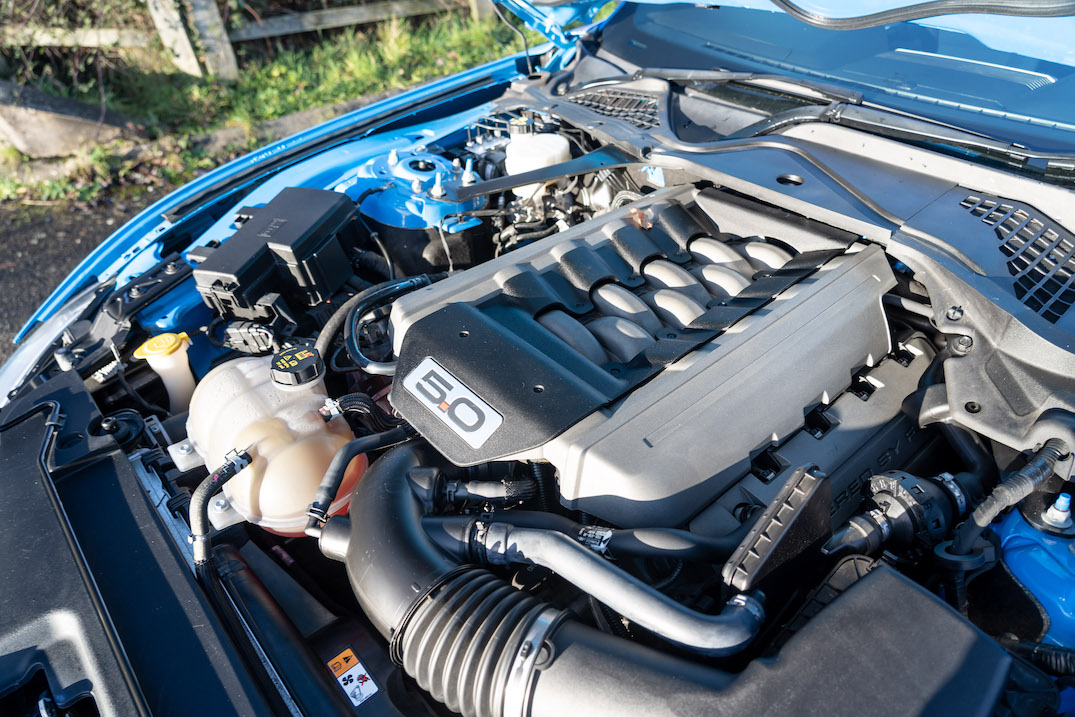
While the liter measures volume, the kilowatt-hour measures energy capacity. The tech community is currently undergoing a massive shift in nomenclature. For a century, a “5.0L” badge was a symbol of status and power. Today, that is being replaced by battery architecture (e.g., 800V systems) and software-defined performance tiers.
However, the “liter” remains relevant in the growing world of Range Extenders (REx). In these tech-forward vehicles, a small-displacement engine (often less than 1.0L) acts as an onboard generator to charge the battery. Here, the liter count is minimized to save weight, showcasing a complete reversal of the “bigger is better” philosophy.
Why Displacement Still Matters for Hybrids
For the foreseeable future, hybrids will dominate the market, and in these systems, the liter count is a critical part of a complex energy equation. Engineers must balance the displacement of the internal combustion engine with the torque curves of the electric motors. A 1.6L turbocharged engine paired with a 100kW motor represents a highly integrated technological ecosystem where the displacement provides the long-range sustained power that batteries currently struggle to maintain.
Understanding what the liter means in an engine is more than just a lesson in basic physics; it is an insight into the evolution of mechanical and digital harmony. As engines become smaller, smarter, and more integrated with electric tech, the “liter” stands as a testament to our ability to refine raw physical volume into precise, efficient, and powerful motion.
aViewFromTheCave is a participant in the Amazon Services LLC Associates Program, an affiliate advertising program designed to provide a means for sites to earn advertising fees by advertising and linking to Amazon.com. Amazon, the Amazon logo, AmazonSupply, and the AmazonSupply logo are trademarks of Amazon.com, Inc. or its affiliates. As an Amazon Associate we earn affiliate commissions from qualifying purchases.