
In the competitive landscape of modern discourse, organizations are often defined less by their internal policies and more by their “brand identity.” When we ask, “What does the Libertarian Party stand for?” we are not merely asking for a list of legislative goals. From a brand strategy perspective, we are examining how a “challenger brand” positions itself within a marketplace dominated by a powerful duopoly.
The Libertarian Party (LP) represents one of the most consistent—yet frequently misunderstood—identities in the political arena. By treating the party as a corporate entity with a specific brand promise, target demographic, and visual language, we can gain unique insights into how ideological movements build and maintain equity in a crowded market.
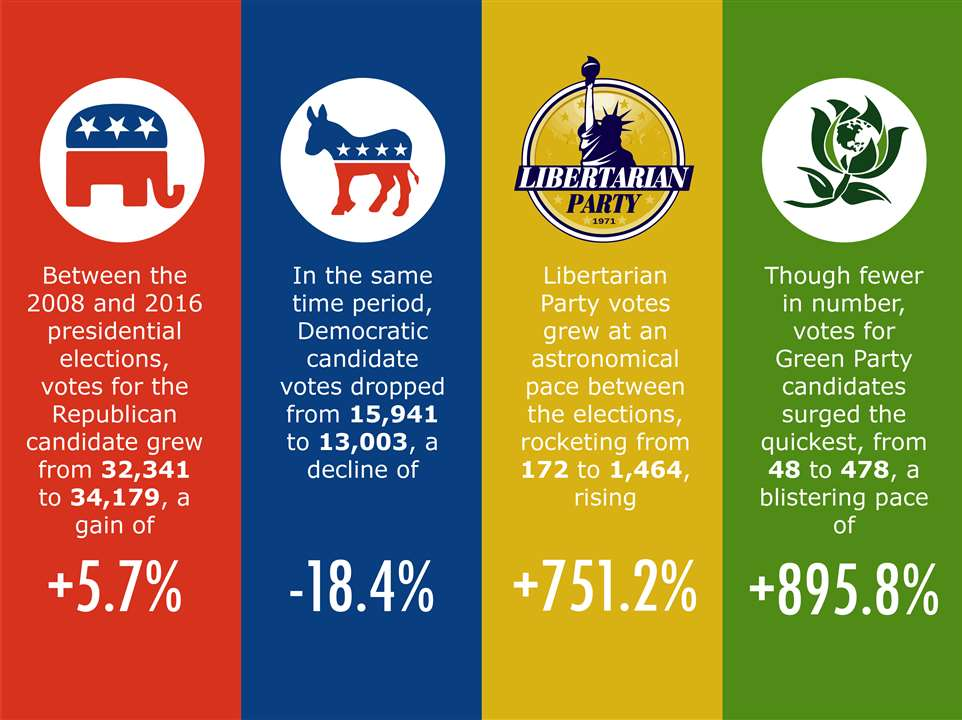
The Core Brand Identity: Individual Sovereignty as a Unique Selling Proposition (USP)
Every successful brand needs a Unique Selling Proposition (USP)—a core value that distinguishes it from every other competitor. For the Libertarian Party, that USP is the “Non-Aggression Principle” (NAP) and the overarching concept of individual sovereignty. While legacy brands like the Democratic and Republican parties often shift their platforms to suit the prevailing winds of public opinion, the Libertarian brand is built on a foundation of radical consistency.
Defining the “Non-Aggression Principle” as a Brand Promise
In brand strategy, a brand promise is a vow made to the consumer about what they can expect from every interaction. The NAP serves as the Libertarian Party’s ultimate brand promise. It dictates that “no person or group of persons should initiate the use of force against another.”
By centering its entire identity around this single, unyielding pillar, the LP creates a “clean” brand. It avoids the complexities and contradictions that often plague broader “big-tent” brands. For the “consumer” (the voter), the brand promise is clear: a Libertarian solution will always prioritize the individual’s right to choose over state intervention.
Visual Identity and Symbols: The Gold and Black Aesthetic
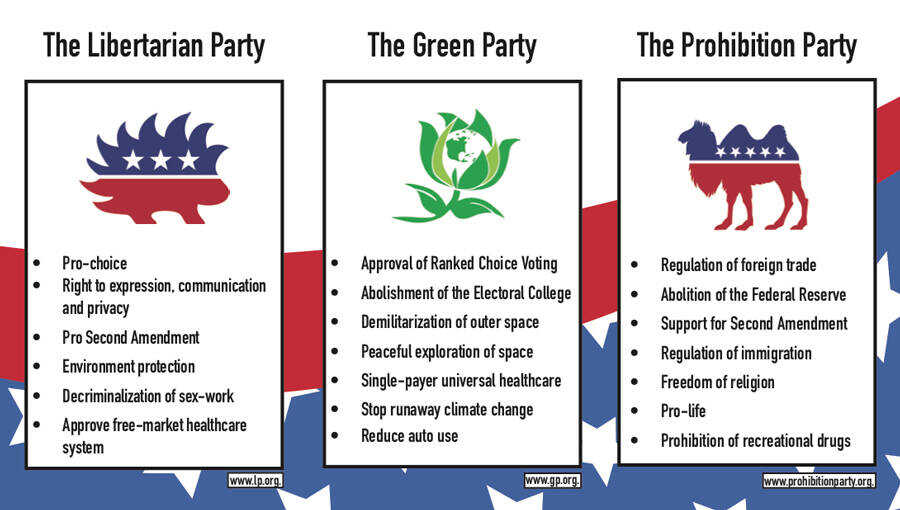
A brand is only as strong as its visual recognition. The Libertarian Party has strategically utilized color psychology and iconography to differentiate itself. While the dominant players claim Red and Blue, the LP has claimed Gold (or Yellow).
Gold represents value, the historical gold standard, and prosperity. It stands in stark contrast to the primary colors of the establishment, signaling that the LP is not merely an offshoot of the existing system but an alternative to it. The “Lady Liberty” logo and the more recent adoption of the Porcupine—a creature that is peaceful but dangerous to touch—further reinforce a brand identity of defensive strength and individual autonomy.
Market Positioning: Navigating a Political Duopoly
In the world of marketing, positioning is the act of designing a company’s offering and image to occupy a distinctive place in the mind of the target market. The Libertarian Party operates in a “Blue Ocean” of sorts—targeting the vast space between the two major parties where individual rights and fiscal responsibility intersect.
The “Third Way” Strategy: Differentiating from Legacy Brands
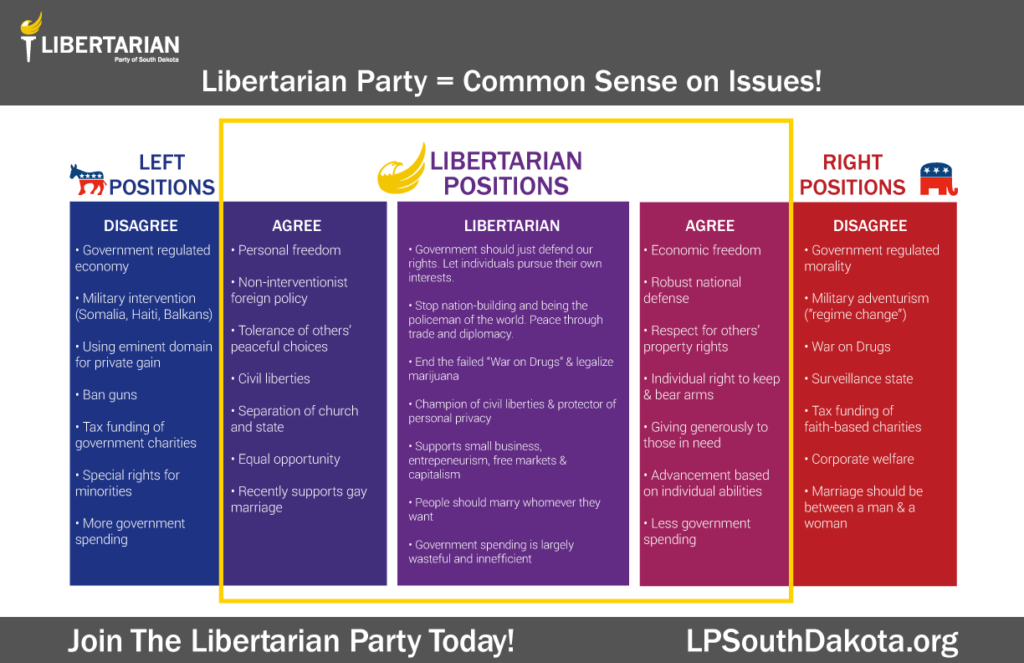
The LP positions itself as the “Third Way,” a strategy designed to appeal to consumers who are dissatisfied with the “legacy products” (the Democratic and Republican parties). In branding terms, this is a classic “disrupter” move.
The LP’s positioning focuses on the “socially liberal, fiscally conservative” quadrant of the market. By cherry-picking the most popular elements of the two major brands—such as the Democrats’ focus on civil liberties and the Republicans’ focus on lower taxes—and stripping away the perceived “bloat” of government spending and social regulation, the LP creates a streamlined, high-concept alternative.
Target Audience Segmentation: Who is the Libertarian “Consumer”?
No brand can be everything to everyone. The LP has traditionally found success with specific segments:
- The Tech-Savy Individualist: Developers, engineers, and digital nomads who value decentralized systems and privacy.
- The Small Business Owner: Individuals who view government regulation as a barrier to entry and a tax on productivity.
- The Disillusioned Youth: Gen Z and Millennials who are skeptical of institutional authority and seek a brand that mirrors their desire for personal expression.
By focusing on these niches, the LP builds a loyal “brand community” that is highly engaged, even if it remains a minority of the total market share.
Brand Communication and Messaging Strategy
How a brand speaks is just as important as what it says. The Libertarian Party’s brand voice is often characterized as uncompromising, intellectual, and provocative. This is a deliberate strategy to cut through the “noise” of traditional political marketing.
The Power of Radical Consistency in a Shifting Market
One of the greatest assets of the Libertarian brand is its predictability. In an era of “flip-flopping” and political pragmatism, the LP’s refusal to deviate from its core principles builds a specific type of brand equity: trust.
Consumers who value authenticity are drawn to the LP because they know exactly what the brand stands for, regardless of the current news cycle. This consistency allows the party to maintain a “long-tail” marketing strategy, slowly building influence over decades rather than chasing short-term wins that might dilute the brand’s integrity.
Digital Grassroots: Leveraging Social Media for Brand Awareness
Because the LP does not have the massive “marketing budgets” of its multi-billion-dollar competitors, it has had to become an expert in organic, digital-first branding. The party and its affiliates have mastered the art of the “meme” and viral content.
This digital-heavy approach serves two purposes: it bypasses traditional media gatekeepers (who may be biased toward legacy brands) and it reaches a younger, more tech-integrated audience. By using sharp, often humorous, and highly shareable content, the LP keeps its brand relevant in the fast-paced attention economy.
Challenges in Brand Equity and Scaling
Despite its clear identity, the Libertarian Party faces significant hurdles that any challenger brand must eventually confront. Scaling a niche brand to a mass-market audience without losing the core “fanbase” is a delicate balancing act.
Overcoming the “Wasted Vote” Narrative (Perception Management)
The most significant barrier to the LP’s growth is a perception issue: the “wasted vote” narrative. In branding terms, this is a problem of “product utility.” If a consumer believes that a product will not perform its primary function (in this case, winning an election), they are unlikely to “buy” it, no matter how much they like the brand’s values.
To combat this, the LP has had to pivot its messaging from “winning now” to “changing the conversation.” They position their brand as a necessary “corrective” to the duopoly, suggesting that a vote for them is an investment in long-term market competition rather than a single-use purchase.
Managing Sub-Brands and Internal Factions
As any corporate giant knows, managing different “product lines” or factions within a brand can be difficult. The Libertarian Party contains various sub-groups, from “Classical Liberals” to “Anarcho-Capitalists.”
When these sub-brands clash publicly, it can lead to “brand dilution” and confusion among the general public. Effective brand management for the LP requires finding a way to unify these disparate voices under the “Big Tent” of liberty without alienating the radical base that provides the brand’s energy and passion.
Lessons for Corporate Brands: What We Can Learn from Libertarian Strategy
The story of the Libertarian Party offers several valuable lessons for brand strategists and business leaders looking to disrupt established markets.
Building a Community-Centric Identity
The LP succeeds because it isn’t just a political party; it is an identity. People don’t just “vote” Libertarian; they are Libertarians. Corporate brands can learn from this by focusing on building communities rather than just customer lists. When your brand becomes a reflection of your customer’s personal values, you achieve a level of loyalty that transcends price or convenience.
The Risks and Rewards of Niche Specialization
The LP proves that you can survive, and even thrive, by being “the only one who does X.” By owning the “liberty” space entirely, they have created a defensible moat. However, the lesson for businesses is to be aware of the “ceiling.” If your brand is defined by its refusal to compromise, you may find it difficult to capture the “middle” of the market.
In conclusion, what the Libertarian Party stands for is a masterclass in ideological branding. By maintaining a crystal-clear USP, leveraging a distinct visual identity, and positioning itself as the ultimate “challenger” to an unpopular duopoly, the LP has built one of the most resilient brands in modern history. Whether or not it ever captures the majority “market share,” its influence on the broader political “industry” is a testament to the power of a strong, consistent brand identity.
aViewFromTheCave is a participant in the Amazon Services LLC Associates Program, an affiliate advertising program designed to provide a means for sites to earn advertising fees by advertising and linking to Amazon.com. Amazon, the Amazon logo, AmazonSupply, and the AmazonSupply logo are trademarks of Amazon.com, Inc. or its affiliates. As an Amazon Associate we earn affiliate commissions from qualifying purchases.