
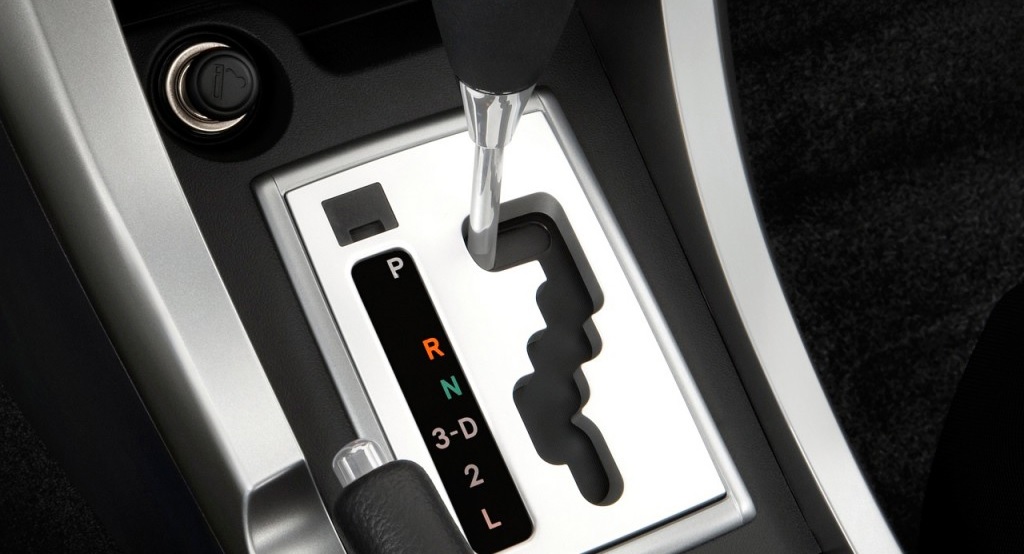
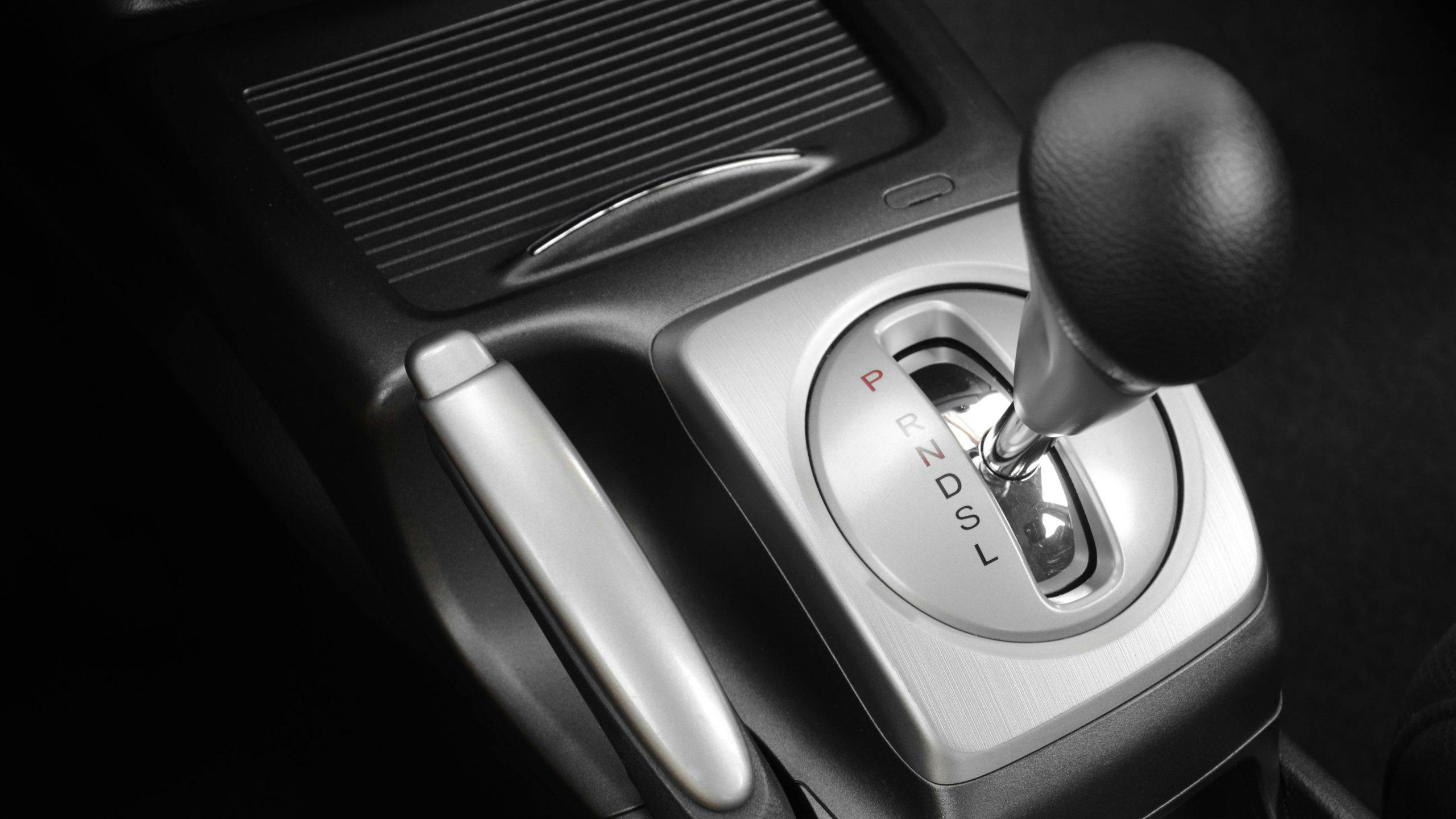
For many drivers of automatic transmission vehicles, the ‘L’ on the gear shift remains an enigma, often overshadowed by the familiar P (Park), R (Reverse), N (Neutral), and D (Drive). Yet, this seemingly simple letter represents a powerful and often underutilized feature designed to enhance vehicle control, safety, and performance in specific driving conditions. Far from being an outdated relic, understanding the ‘L’ gear can transform your driving experience, especially when navigating challenging terrains or managing heavy loads.
At its core, the ‘L’ stands for “Low” gear. When engaged, it instructs the transmission to remain in a lower gear ratio, typically the first or second gear, and prevents it from shifting up into higher gears even as the vehicle gains speed. This action serves several critical purposes: maximizing engine braking, increasing torque output at the wheels, and providing greater control at slower speeds. Rather than just another position on the selector, ‘L’ is a specialized mode, a technological nuance built into your vehicle to handle situations that standard ‘Drive’ mode isn’t optimized for. Demystifying its function unlocks a deeper understanding of your car’s capabilities and empowers you to drive more confidently and efficiently in diverse scenarios.
Understanding Automatic Transmissions: Beyond P, R, N, D
Modern automatic transmissions are marvels of engineering, designed to provide seamless power delivery and optimal fuel efficiency without requiring the driver to manually select gears. The ubiquitous P, R, N, and D selections cover the vast majority of everyday driving needs, yet they represent only a fraction of a transmission’s full potential.
The Basics of Automatic Gear Shifts
- P (Park): This gear locks the transmission, preventing the drive wheels from turning. It’s crucial for securing the vehicle when parked, typically combined with the parking brake.
- R (Reverse): Engages the reverse gear, allowing the vehicle to move backward.
- N (Neutral): Disengages the transmission from the engine, allowing the wheels to spin freely. Useful for towing or short stops, but never for parking.
- D (Drive): The primary operating mode. In ‘Drive’, the transmission automatically shifts through all available forward gears, optimizing for a balance of performance, fuel economy, and smooth operation based on accelerator input and road speed. It’s designed for general-purpose driving on flat to moderately varied terrain.
The Need for Specialized Gear Ratios
While ‘Drive’ is excellent for daily commutes and highway cruising, there are specific situations where a fixed, lower gear ratio offers significant advantages. Imagine descending a long, steep mountain pass; relying solely on ‘Drive’ could lead to continuous upshifting, requiring frequent brake application, which can cause them to overheat and fade. Similarly, pulling a heavy trailer uphill in ‘Drive’ might cause the transmission to constantly hunt for the right gear, leading to inefficiency and strain. These scenarios highlight the limitations of a purely automatic, efficiency-focused ‘Drive’ mode and underscore the necessity for specialized gears like ‘L’ or other manual-override options. They allow the driver to intentionally keep the engine at a higher RPM for more power or more effective deceleration, providing a level of control that automated systems alone cannot always achieve in demanding circumstances.
The ‘L’ for Low Gear: Purpose and Functionality
The ‘L’ gear is not about achieving high speeds; rather, it’s about maximizing control and torque at lower velocities. It’s a fundamental feature designed to leverage your engine’s power and internal resistance more effectively.
Maximizing Torque, Minimizing Speed
When you engage ‘L’, you’re essentially telling the transmission to lock itself into one of the lowest available gear ratios – usually 1st or 2nd. Unlike ‘Drive’, where the transmission will automatically shift up as speed increases to conserve fuel and reduce engine noise, ‘L’ mode actively prevents these upshifts. This keeps the engine RPMs higher for a given road speed. The benefit? A significant increase in torque delivered to the wheels. Torque is rotational force, and more torque means more pulling power. This is invaluable when starting from a standstill with a heavy load, climbing a steep incline, or navigating very challenging terrain where precise, low-speed power is paramount. The higher RPMs also mean the engine is working harder, which brings us to another critical function: engine braking.
The Principle of Engine Braking
Perhaps the most crucial benefit of the ‘L’ gear is its ability to provide engine braking. When you release the accelerator in a low gear, the engine’s internal resistance (primarily compression and friction) works against the momentum of the vehicle, effectively slowing it down without relying on the friction brakes. This is particularly useful on long downhill stretches. By utilizing engine braking, you reduce the stress on your vehicle’s conventional braking system, preventing them from overheating (known as brake fade) and extending their lifespan. Instead of constantly pressing the brake pedal, which can lead to a dangerous loss of braking power, the ‘L’ gear allows the engine to do much of the work, providing a more controlled and safer descent. It also helps maintain a steady, slow speed, which is vital in situations requiring precise handling.
Different Interpretations and Implementations
While ‘L’ is common, manufacturers may use different nomenclature or offer variations of this low-gear concept. Some vehicles might have gear selector positions labeled “1” or “2” directly, representing first and second gear lockouts. Others integrate manual shift modes, often accessed via paddle shifters on the steering wheel or a +/- gate on the gear selector, allowing the driver to manually select and hold any gear. Even modern Continuously Variable Transmissions (CVTs), which don’t have distinct gears in the traditional sense, often include an ‘L’ or ‘B’ (Brake) mode that simulates a low gear ratio to provide similar engine braking and torque multiplication effects. Regardless of the label, the underlying principle remains the same: to give the driver greater control over the transmission’s gear selection for specific driving conditions.
When and How to Use the ‘L’ Gear Effectively
Knowing what ‘L’ means is one thing; knowing precisely when and how to deploy it is another. The ‘L’ gear is a specialized tool, most effective in demanding situations where maintaining control and managing power delivery are prioritized over speed or fuel efficiency.
Steep Descents: Maintaining Control and Preventing Brake Fade
This is arguably the most common and critical application for the ‘L’ gear. When driving down a long, steep hill, keeping the transmission in ‘Drive’ would often lead to the vehicle accelerating under gravity. To counteract this, drivers frequently press the brake pedal, which generates immense heat. Prolonged braking can cause brake fluid to boil or brake pads/rotors to overheat, leading to a dangerous reduction or complete loss of braking power – a phenomenon known as brake fade. By shifting into ‘L’ (or a similar low gear), you engage engine braking, allowing the engine’s resistance to help slow the vehicle down. This preserves your friction brakes for when you truly need them, maintains a safe, controlled descent speed, and enhances overall safety.
Towing or Hauling Heavy Loads
Transporting a heavy trailer, boat, or a vehicle full of cargo significantly increases the demands on your engine and transmission.
- Starting Off: When moving from a standstill with a heavy load, ‘L’ provides the maximum torque needed to get the vehicle moving smoothly without straining the drivetrain or causing excessive clutch slip (in some transmission types).
- Climbing Inclines: On uphill gradients, ‘L’ prevents the transmission from upshifting prematurely. This keeps the engine in its optimal power band, allowing it to sustain the necessary force to pull the load uphill without constantly “hunting” for the right gear, which can stress the transmission and reduce efficiency.
- Descending with Loads: Similar to steep descents without a load, engine braking becomes even more critical when towing. The increased mass adds significant momentum, making brake fade a much higher risk. ‘L’ helps control the descent, protecting both the vehicle’s and the trailer’s braking systems.
Off-Roading and Challenging Terrains
For adventurous drivers tackling uneven, slippery, or highly technical off-road trails, the ‘L’ gear is an indispensable tool.
- Rocky or Muddy Paths: In situations where precise, very slow speed is required – crawling over rocks, through deep mud, or navigating tight turns – ‘L’ provides superior control. It prevents the vehicle from lurching forward at higher speeds and allows the driver to apply minimal throttle input to achieve smooth, controlled movement without constant brake application.
- Steep Inclines and Declines: Whether ascending a loose dirt hill or carefully descending a treacherous slope, ‘L’ keeps the power delivery consistent and the vehicle at a manageable pace. It minimizes wheel spin on climbs and prevents runaway on descents, offering maximum traction and stability.
Climbing Steep Inclines
Even without towing, some extremely steep inclines can challenge a vehicle in ‘Drive’. The transmission might constantly downshift, rev high, then attempt to upshift, creating a cycle of inefficiency and noise. Engaging ‘L’ before or during the climb can provide consistent power delivery, allowing the engine to operate within its optimal torque range, making the ascent smoother and less strenuous on the powertrain.
Misconceptions and Best Practices
While the ‘L’ gear offers significant advantages in specific situations, it’s crucial to understand its limitations and proper usage to avoid potential damage or inefficient driving. Like any specialized tool, misuse can lead to undesirable outcomes.
When NOT to Use ‘L’
The ‘L’ gear is designed for low-speed, high-torque, or controlled-descent scenarios, not for general driving.
- High Speeds on Flat Roads: Never engage ‘L’ when driving at high speeds on flat or moderately sloped roads. Doing so will force the engine to operate at excessively high RPMs, leading to increased wear and tear, significantly reduced fuel efficiency, and potentially a very loud and uncomfortable driving experience. Most modern transmissions have safeguards to prevent catastrophic engine over-revving, but repeated misuse can still be detrimental.
- Attempting to Accelerate Quickly: While ‘L’ provides more torque, it’s not a “sport mode” for quick acceleration. Because it prevents upshifting, the engine will quickly hit its redline without significantly increasing road speed, which is counterproductive for rapid acceleration and inefficient.
- As a Primary Braking Method for Everyday Stops: While engine braking is useful on descents, it’s not a substitute for your friction brakes for routine stops or sudden braking events in city driving. Your regular brakes are designed for that purpose and are far more effective for quick deceleration.
Smooth Transitions and Safe Engagement
Engaging the ‘L’ gear is generally safe, but timing and vehicle speed are key.
- Speed Considerations: It’s typically recommended to shift into ‘L’ at lower to moderate speeds, especially before you begin a descent or approach challenging terrain. Shifting from ‘D’ to ‘L’ at very high speeds might cause an abrupt downshift and a sudden spike in engine RPM, which, while often protected by modern vehicle electronics, is best avoided for smoothness and longevity.
- Listen to Your Vehicle: Pay attention to your engine’s sound and RPM gauge. If the engine is screaming loudly after engaging ‘L’, you’re likely going too fast for that gear.
- Gradual Engagement: Think of engaging ‘L’ as a proactive measure, not a reactive one. Anticipate the need for it before you’re in the thick of a challenging situation.
Consult Your Owner’s Manual
Every vehicle is designed with unique specifications, and transmission behavior can vary between manufacturers and models. Your vehicle’s owner’s manual is the definitive guide to understanding all its features, including specific recommendations for using the ‘L’ gear or its equivalents. It will provide precise instructions on when and how to engage ‘L’, along with any limitations or warnings specific to your car. Prioritizing the information in your manual ensures you use this feature safely and effectively, preserving your vehicle’s longevity and maximizing its performance.
The Evolution of Low Gear Options
The ‘L’ on a gear shift is a classic example of a fundamental automotive technology that has evolved over time. While the core principle of a low gear ratio remains, modern vehicles offer increasingly sophisticated ways to achieve similar or enhanced control over the transmission.
From Basic ‘L’ to Sophisticated Manual Modes
Early automatic transmissions typically offered a straightforward ‘L’ position. Today, many vehicles have moved beyond this simple lockout.
- Sport (S) Mode: Often found alongside ‘D’, ‘Sport’ mode typically holds gears longer, allows for higher RPMs before upshifting, and downshifts more aggressively, providing a more responsive and “sporty” feel. While not a strict low-gear lockout, it shares the principle of keeping the engine in its power band for more immediate acceleration and engine braking.
- Brake (B) Mode: Particularly prevalent in hybrid and electric vehicles, ‘B’ mode often maximizes regenerative braking. This uses the electric motor to slow the vehicle down, converting kinetic energy back into electricity to recharge the battery. It achieves a similar effect to engine braking in gasoline cars, providing increased deceleration without relying on friction brakes.
- Manual Shift Gates and Paddle Shifters: Many automatic transmissions now feature a manual shift mode, either through a separate gate on the gear selector (+/-) or via paddle shifters mounted on the steering wheel. This allows the driver to manually select and hold specific gears, offering the ultimate control over gear ratios for any driving condition, effectively providing a highly versatile “low gear” equivalent across all gears.
Continuously Variable Transmissions (CVT) and Their ‘L’ Equivalent
Continuously Variable Transmissions operate differently from traditional geared automatics; they don’t have fixed gears but rather use a belt or chain and pulleys to provide an infinite range of gear ratios. Despite this, CVTs often include ‘L’ or ‘B’ modes, or even simulated manual shift modes. In a CVT, engaging ‘L’ or ‘B’ will typically force the transmission to operate at a lower, “simulated” gear ratio. This prevents the transmission from finding the most fuel-efficient ratio and instead keeps the engine RPMs higher. The result is increased torque delivery for acceleration and enhanced engine braking effect for descents, mirroring the benefits of ‘L’ in a conventional automatic.
The Future of Transmission Control
The trend in automotive technology is towards greater automation and intelligent systems. Adaptive transmissions, for instance, learn a driver’s style and adjust shift points accordingly. Drive mode selectors (Eco, Normal, Sport, Snow, etc.) further optimize vehicle behavior for different conditions. While these systems make driving more convenient, the underlying principles of low-gear operation for control, torque, and braking remain paramount. Future innovations may see even more seamless integration of these functions, where the vehicle intuitively selects the most appropriate ‘low gear’ equivalent based on real-time sensor data and navigation input, further enhancing safety and performance while perhaps making the manual ‘L’ selection a niche, albeit still valuable, option.
In conclusion, the ‘L’ on your gear shift is far more than just another letter; it’s a testament to thoughtful engineering, designed to equip drivers with superior control in specific, demanding situations. From safely descending steep mountain passes to confidently towing heavy loads or navigating challenging off-road trails, understanding and utilizing the ‘L’ gear can significantly enhance your driving experience, vehicle safety, and the longevity of your car’s components. While modern transmissions offer increasingly sophisticated alternatives, the fundamental advantages of locking into a low gear ratio remain invaluable. Embrace this piece of automotive tech, consult your owner’s manual, and unlock the full potential of your vehicle.
aViewFromTheCave is a participant in the Amazon Services LLC Associates Program, an affiliate advertising program designed to provide a means for sites to earn advertising fees by advertising and linking to Amazon.com. Amazon, the Amazon logo, AmazonSupply, and the AmazonSupply logo are trademarks of Amazon.com, Inc. or its affiliates. As an Amazon Associate we earn affiliate commissions from qualifying purchases.