
In the world of contemporary marketing, we often discuss the power of logos, the weight of slogans, and the importance of visual identity. However, the concept of “branding”—the act of marking or labeling to convey a specific identity—dates back millennia. When we ask, “What does the INRI on the cross mean?” we are looking at one of the most enduring pieces of “signage” in human history.
From a brand strategy perspective, the INRI inscription represents a masterclass in identity, positioning, and narrative control. Originally intended as a label of mockery and legal justification, it has evolved over two thousand years into a global symbol of a spiritual brand. To understand INRI is to understand how a label, once affixed, can define a legacy far beyond its original intent.
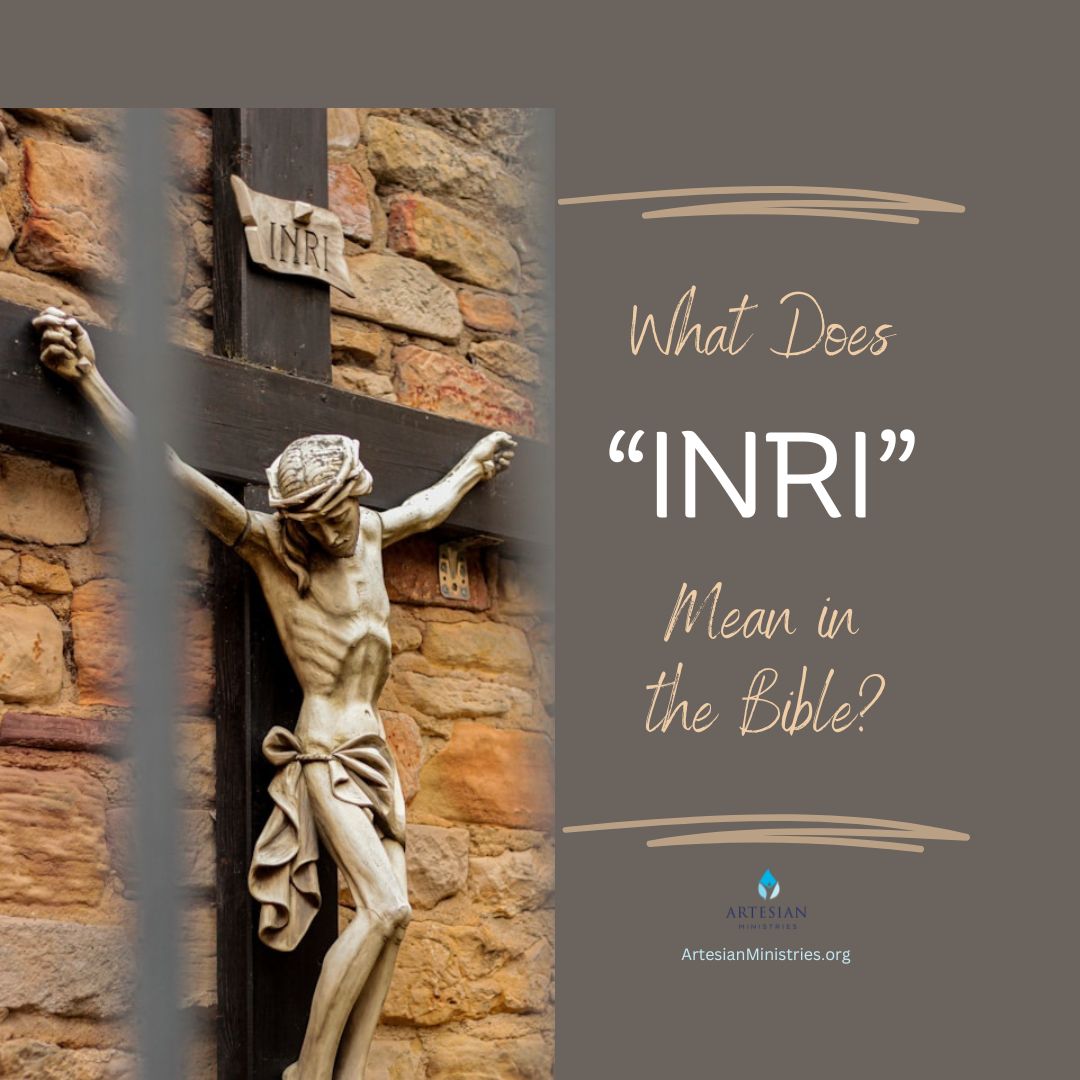
The Anatomy of a Label: Understanding the Origin of INRI
The acronym INRI stands for the Latin phrase Iesus Nazarenus, Rex Iudaeorum, which translates to “Jesus of Nazareth, King of the Jews.” In the context of Roman law, this was a titulus—a placard that announced the crime for which a person was being punished. In the branding world, we call this a “Positioning Statement.”
The Power of the Title
A title is the shortest possible distillation of a brand’s promise or identity. For the Roman Governor Pontius Pilate, the title was a legal requirement to justify the execution. For the audience of that time, it was a brand declaration. By labeling the figure as “King,” Pilate was inadvertently creating a brand hierarchy. Whether intended as sarcasm or a statement of fact, the title provided a framework through which the public would perceive the individual. In modern brand strategy, your title—be it “The World’s Safest Car” or “The Most Innovative Tech Firm”—sets the expectation for every subsequent interaction with the audience.
Multi-Language Accessibility: A Global Brand Precursor
According to historical accounts, the inscription was written in three languages: Hebrew, Latin, and Greek. From a modern marketing perspective, this is a classic example of localization and global accessibility. If you want a message to resonate across a diverse demographic, you must speak their language.
- Latin was the language of the state and the law (the corporate headquarters).
- Greek was the language of culture and commerce (the international market).
- Hebrew was the language of the local heritage and religion (the core niche).
By utilizing these three pillars, the “brand” of the message was ensured maximum reach, leaving no room for misunderstanding among the varied populations of the Roman Empire.
Personal Branding and the Risk of Misinterpretation
One of the most fascinating aspects of the INRI inscription is that it was a label created by an external entity (the Roman state) rather than the individual it described. This highlights a critical challenge in personal branding: the tension between how you define yourself and how the “market” defines you.
The Irony of the Inscription
In brand strategy, irony can be a powerful tool for engagement, but it is often dangerous. Pilate intended the label “King of the Jews” to be ironic—a way to mock the perceived weakness of the accused. However, the followers of the movement embraced the irony and flipped the narrative. They took a label of shame and rebranded it as a label of ultimate authority. This “Narrative Flip” is seen today when brands take a perceived weakness and turn it into a unique selling proposition (USP). Think of how Avis embraced being “Number 2” to create a brand built on “Trying Harder.”
Narrative Control in Public Perception
The religious leaders of the time famously asked Pilate to change the wording from “The King of the Jews” to “He said, I am the King of the Jews.” They understood the power of a definitive statement versus a claim. Pilate’s refusal—”What I have written, I have written”—is a stark reminder of the permanence of a brand’s public record. Once a brand is “indexed” in the public consciousness with a specific label, changing that perception requires monumental effort. Controlled narrative is the cornerstone of corporate identity; once the public accepts a label, it becomes the reality of the brand.

Visual Identity: From Signage to Universal Symbolism
The four letters—I, N, R, I—have become a visual shorthand. In the same way that a “Swoosh” or a “Bitten Apple” evokes an entire ecosystem of values and products, these letters evoke a complex narrative of sacrifice, leadership, and divinity.
The Minimalism of Acronyms
Modern branding relies heavily on minimalism. We live in an age of information overload, where consumers have mere seconds to process a message. Acronyms like INRI function as “compressed data.” They take a long, complex theological and historical narrative and condense it into four characters. This is the same logic used by companies like IBM (International Business Machines) or KFC (Kentucky Fried Chicken). By simplifying the visual identity, the brand becomes more “memorable” and “portable,” allowing it to be reproduced across different media—from ancient icons to modern jewelry.
Longevity and the Evolution of a Brand Mark
A brand’s visual identity must be able to stand the test of time. The INRI inscription has survived for two millennia because it is tied to a “Core Value” that remains relevant to its “target audience.” While the physical placards have long since turned to dust, the brand mark persists in art, architecture, and literature. For a brand to achieve this level of longevity, it must transcend its original product or service and become a symbol of a larger idea. This is the transition from a “Commercial Brand” to a “Cultural Icon.”
Lessons for Modern Brand Strategy
What can a modern CMO or entrepreneur learn from the “INRI” label? The implications for brand strategy and personal branding are profound.
Defining Your Unique Proposition
The INRI label was specific. It didn’t just say “A Leader” or “A Man.” It specified “Of Nazareth” (Origin) and “King of the Jews” (Target Market/Role). In a saturated market, specificity is your greatest asset. Vague branding is forgettable branding. By anchoring a brand to a specific origin and a specific role, you create a “hook” in the mind of the consumer. Whether you are branding a software startup or a personal consulting business, you must answer the question: “Who are you, and what is your specific domain of authority?”
The Impact of Forced Labels vs. Owned Identity
There is a significant difference between a brand identity you build for yourself and the one the media or your competitors build for you. INRI was a “forced label.” In the corporate world, if you do not define your brand, your competitors will do it for you. They will highlight your high prices as “overpriced” rather than “premium,” or your small size as “unstable” rather than “agile.” The lesson of INRI is that even a label intended to destroy can be reclaimed, but it is far more effective to own the narrative from the outset.

Conclusion: The Lasting Legacy of Identity
When we analyze “what the INRI on the cross means” through the lens of brand strategy, we see that it is more than just a historical footnote. It is a testament to the power of the written word to shape human history. It demonstrates how titles, localization, and visual minimalism work together to create a symbol that can outlast empires.
In the modern marketplace, our “inscriptions” are our social media bios, our mission statements, and our logos. They are the titulus we hang above our digital and physical storefronts. The story of INRI teaches us that identity is the most potent force in communication. Whether a label is intended for praise or for persecution, its ultimate meaning is determined by how that brand is managed, perceived, and remembered over time. To build a brand that lasts, one must look past the immediate reaction and focus on the enduring message—ensuring that what is “written” is capable of standing for centuries.
aViewFromTheCave is a participant in the Amazon Services LLC Associates Program, an affiliate advertising program designed to provide a means for sites to earn advertising fees by advertising and linking to Amazon.com. Amazon, the Amazon logo, AmazonSupply, and the AmazonSupply logo are trademarks of Amazon.com, Inc. or its affiliates. As an Amazon Associate we earn affiliate commissions from qualifying purchases.