
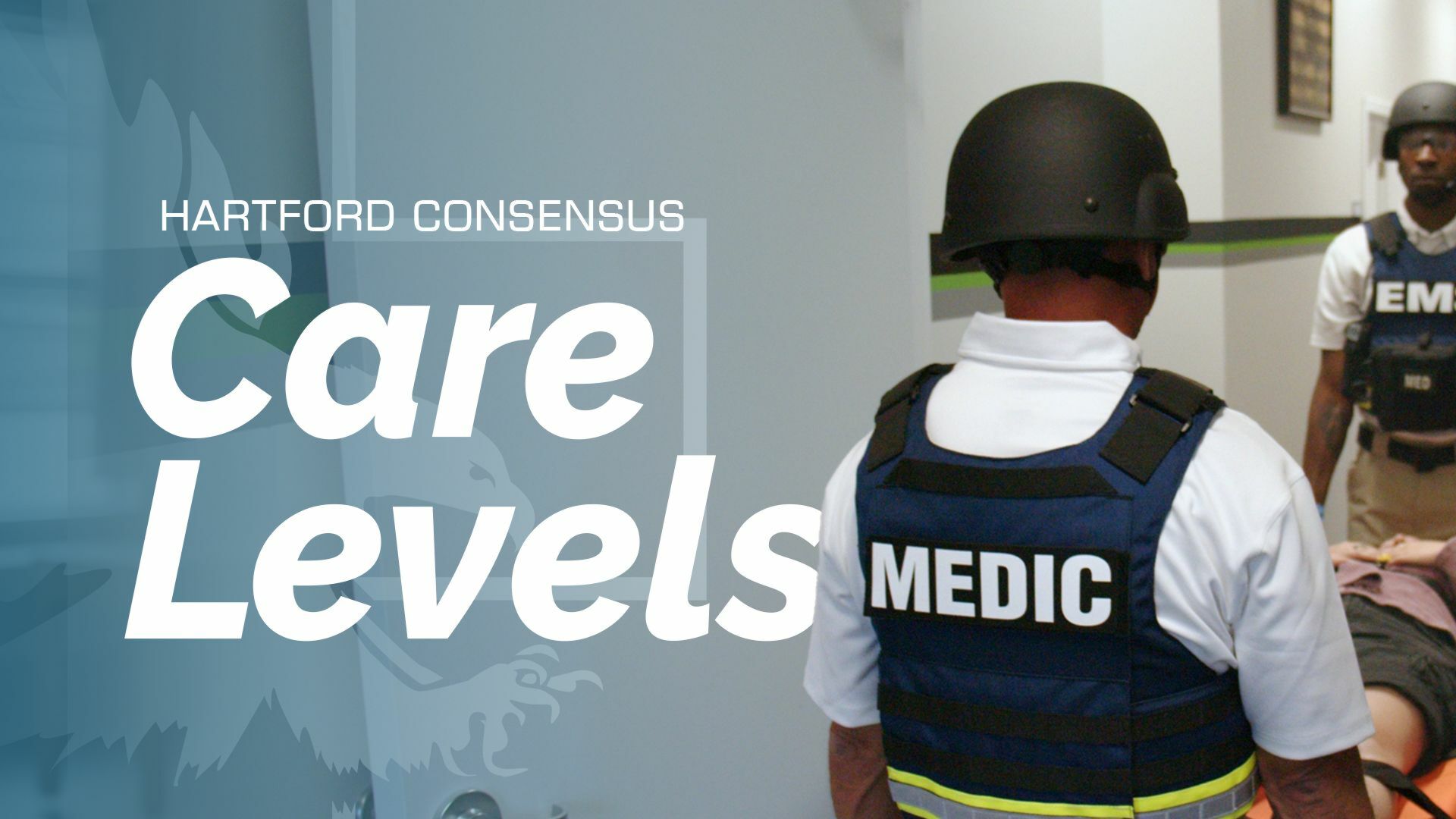
In the realm of emergency management, trauma care, and public safety, the Hartford Consensus stands as a watershed moment in the evolution of civilian-led response strategies. Born from the tragic realities of mass casualty incidents, this consensus represents a paradigm shift from waiting for professional responders to empowering bystanders to become immediate, effective links in the chain of survival. At the core of this framework is a streamlined approach to threat identification and management, crystallized in the “THREAT” acronym.
For professionals operating in the private and public sectors, understanding this acronym is not merely a clinical exercise; it is an essential component of organizational risk management and corporate security strategy. By operationalizing the THREAT framework, organizations can foster a safer environment, mitigating the impact of life-threatening bleeding and other trauma-related injuries long before the first ambulance arrives on the scene.

The Genesis of the THREAT Framework
The Hartford Consensus emerged in the wake of the 2012 Sandy Hook Elementary School shooting. A collaborative group of experts, ranging from surgical trauma specialists to law enforcement and federal officials, convened to address a critical gap in emergency response: the delay between injury occurrence and definitive medical care. The group recognized that in high-threat environments, the primary cause of preventable death is hemorrhage.
The challenge was to translate complex medical interventions into actionable, intuitive steps for individuals with little to no medical training. The resulting THREAT acronym provides a systematic checklist for managing a mass casualty scenario. It serves as a pedagogical tool that cuts through the chaos of an active shooter or intentional mass-casualty event, focusing exclusively on the actions that have the highest probability of saving lives. By adopting this framework, businesses and security professionals can create standardized emergency protocols that prioritize rapid stabilization over passive waiting.
Deconstructing the THREAT Acronym
The THREAT acronym serves as the operational spine of the Hartford Consensus, guiding responders through the immediate actions required to secure the scene and stabilize patients.
T: Threat Suppression
The first and most critical component is Threat Suppression. The Hartford Consensus explicitly emphasizes that scene safety is the absolute prerequisite for any medical intervention. If the threat is ongoing—whether it be an active shooter, a structural hazard, or an environmental danger—the medical responder must prioritize neutralizing or avoiding that threat. In a business context, this translates to the immediate activation of lockdowns, the evacuation of personnel to secure rally points, and the coordination with local law enforcement. Medical care cannot occur in an insecure environment; therefore, the focus of the initial phase is exclusively on eliminating the source of the danger.
H: Hemorrhage Control
Once the scene is deemed secure or the patient is moved to a “warm zone,” the second focus is Hemorrhage Control. This is the cornerstone of the Hartford Consensus. The human body can bleed out from a severe arterial injury in minutes—often far faster than traditional emergency medical services (EMS) can arrive at the scene. Hemorrhage control involves the immediate application of direct pressure, wound packing, and, most importantly, the utilization of tourniquets. The consensus highlights that tourniquet training is a vital skill for every employee, not just security staff. By standardizing the availability of high-quality bleeding control kits (B-Con kits) throughout a facility, a business shifts from a passive bystander role to an active participant in survival.

RE: Rapid Extrication to Safety
The RE portion of the acronym denotes Rapid Extrication to Safety. It is not enough to stabilize a patient; they must be moved to a secure location where definitive care can begin. In many mass casualty events, the initial location of the injury is not the safest place for ongoing medical evaluation. Rapid extrication requires the training of personnel to carry, drag, or transport the injured away from the site of the attack to a designated triage point. This emphasizes the need for physical readiness and the pre-planning of evacuation routes that facilitate the quick removal of injured personnel from dangerous areas into areas where EMS can safely stage and provide advanced life support.
A: Assessment by Providers
The ‘A’ stands for Assessment by Providers. While the initial phases are handled by bystanders, the Hartford Consensus recognizes that the continuum of care must transition to professional providers as quickly as possible. This assessment phase involves a standardized, rapid triage process—such as the SALT (Sort, Assess, Lifesaving Interventions, Treatment/Transport) triage method. For corporate safety managers, this highlights the necessity of establishing clear lines of communication with local EMS and trauma centers. The goal of this assessment is to categorize victims by the severity of their injuries, ensuring that the limited resources of an emergency response team are directed toward those with the highest likelihood of surviving, yet who are in the most critical need of immediate intervention.
T: Transport to Definitive Care
The final ‘T’ represents Transport to Definitive Care. The ultimate objective of the entire sequence is to get the patient to a facility equipped to handle major trauma. This is not necessarily the closest hospital, but the closest trauma-capable hospital. The Hartford Consensus urges organizations to understand the trauma infrastructure of their local area. Knowing which hospitals in the vicinity have the surgical capabilities to manage penetrating trauma is a strategic detail that can be documented in an organization’s emergency action plan. Efficient transport ensures that the medical intervention started by the bystander (hemorrhage control) is validated and advanced by surgical intervention.
Integrating THREAT into Organizational Strategy
For the modern organization, the Hartford Consensus and the THREAT acronym should not be viewed as isolated medical procedures, but as part of a comprehensive, proactive corporate security culture.
Standardizing Training and Equipment
The most effective way to implement the THREAT protocol is through a two-pronged approach: equipment availability and personnel training. Bleeding control kits should be treated with the same necessity as automated external defibrillators (AEDs). They should be placed in clear, accessible locations throughout the workplace. Furthermore, “Stop the Bleed” training should be incorporated into the onboarding process for staff. By demystifying the use of tourniquets and pressure dressings, organizations remove the barrier of “medical hesitation,” ensuring that if a crisis occurs, employees have the muscle memory to act rather than panic.
Establishing the “Chain of Survival”
The THREAT framework fosters a culture of preparedness. It encourages organizations to look at their facility design and security posture through the lens of survival. Does the physical office layout allow for rapid extrication? Are there choke points that would prevent a swift movement to safety? By mapping these realities against the THREAT acronym, facility managers can identify physical improvements—such as better egress pathways or improved lockdown hardware—that directly enhance the survival probability of staff during a mass casualty event.
Building Relationships with First Responders
Finally, the Hartford Consensus highlights the imperative of collaboration. The THREAT acronym is designed to create a bridge between the lay responder and the professional. Organizations should engage with local fire, police, and EMS departments to ensure that their internal emergency plans are interoperable with the public safety response. Sharing the facility’s emergency action plan, providing floor plans, and conducting joint tabletop exercises ensure that when the “T” (Threat Suppression) is over, the transition to “A” (Assessment) and “T” (Transport) is seamless.
Conclusion: The Cultural Shift of Proactive Response
The Hartford Consensus and the THREAT acronym represent an essential evolution in how society—and by extension, the business community—approaches mass violence and accidental trauma. By identifying and codifying these six critical stages, the consensus has provided a blueprint for resilience.
For companies, the implementation of these protocols is a matter of duty of care. It recognizes that the world is inherently unpredictable and that the time between an event occurring and the arrival of professional responders is the most critical window in an injury victim’s life. By adopting the THREAT framework, an organization does more than prepare for a worst-case scenario; it fosters a culture of care, competence, and readiness. It turns a vulnerable workplace into an ecosystem of survival, proving that when people are trained, equipped, and empowered, they can indeed become the most important link in the chain of survival.
aViewFromTheCave is a participant in the Amazon Services LLC Associates Program, an affiliate advertising program designed to provide a means for sites to earn advertising fees by advertising and linking to Amazon.com. Amazon, the Amazon logo, AmazonSupply, and the AmazonSupply logo are trademarks of Amazon.com, Inc. or its affiliates. As an Amazon Associate we earn affiliate commissions from qualifying purchases.