
The Hamsa, an ancient and widely recognized symbol, represents far more than a mere decorative motif. Its profound symbolism, rooted in millennia of cultural and religious history, carries significant weight that can be powerfully leveraged within the realms of brand identity, design, and marketing. For strategists and designers alike, understanding the multifaceted meanings of the Hamsa is crucial for its respectful and effective integration into any visual communication strategy, ensuring authenticity and resonance with target audiences.
The Hamsa Hand: An Emblem of Protection and Identity
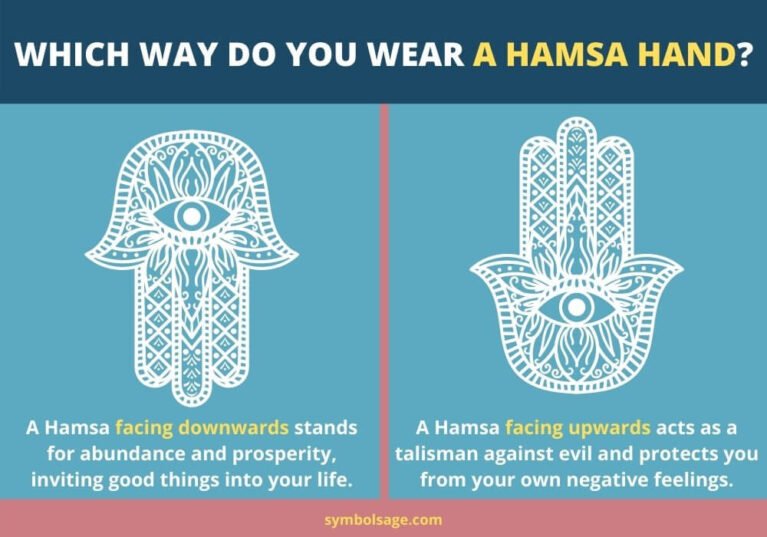
At its core, the Hamsa hand is an apotropaic amulet, meaning it is believed to ward off evil. Often depicted as a hand with an eye in its palm, it transcends specific religious affiliations, appearing in various forms across cultures. Its enduring presence and widespread recognition make it a potent symbol for brands aiming to communicate safety, well-being, and positive energy.
Origins and Cross-Cultural Resonance
The origins of the Hamsa can be traced back to ancient Mesopotamia, though its most prominent adoption is seen within Middle Eastern and North African cultures. It is revered in both Judaism and Islam, often referred to as the “Hand of Miriam” or the “Hand of Fatima,” respectively. In Jewish tradition, the five fingers are sometimes seen to represent the five books of the Torah, while in Islamic contexts, they can symbolize the five pillars of Islam. Beyond these specific interpretations, its imagery has permeated secular design, fashion, and art globally, a testament to its universal appeal and readily identifiable form. This extensive cross-cultural resonance provides a rich tapestry of associations that a brand can draw upon, provided it navigates these historical layers with respect and informed intent.
Universal Meanings: Good Fortune and Ward Against Evil
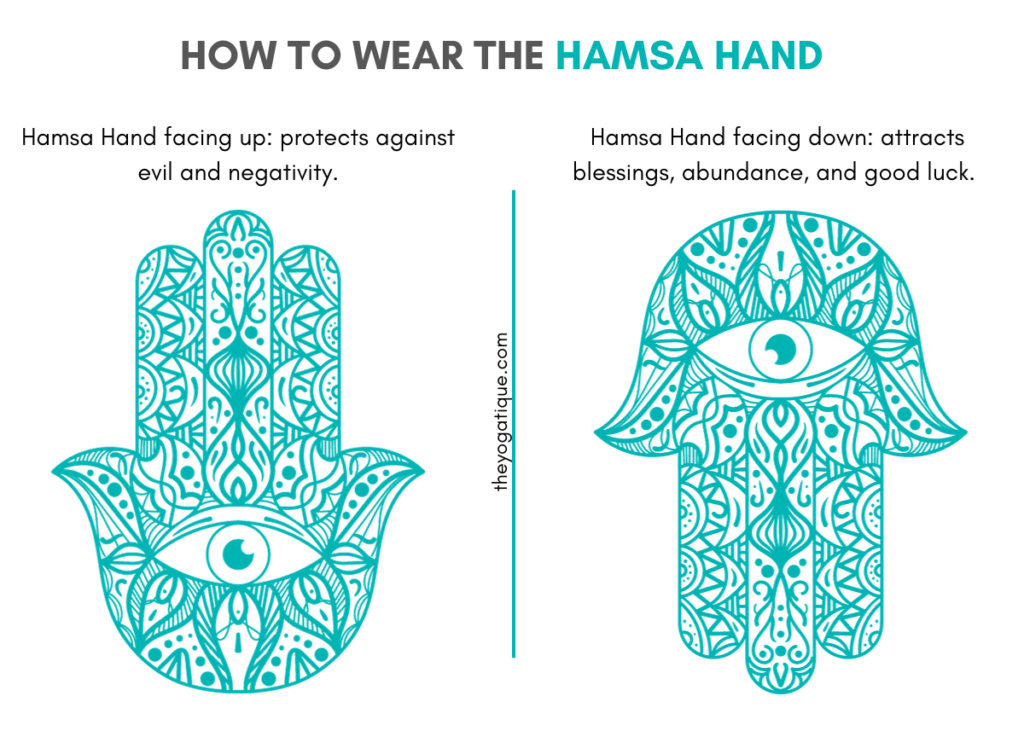
While specific interpretations vary, the overriding symbolism of the Hamsa remains consistent: protection, good fortune, health, and abundance. The eye in the palm, particularly, is a powerful motif against the “evil eye” – a malevolent gaze believed to cast misfortune upon unsuspecting individuals. By integrating the Hamsa, a brand can implicitly communicate a promise of security, stability, and positive outcomes for its customers. This can be particularly effective for brands in industries related to wellness, personal care, financial security, or products aimed at providing peace of mind. The inherent positivity associated with the Hamsa can evoke a sense of trust and comfort, forming an emotional bond with consumers who resonate with these protective energies.
Leveraging Symbolism in Brand Identity and Design
For brands, the Hamsa is not merely an aesthetic element; it is a narrative tool. Its incorporation into a brand’s visual language can imbue it with deep meaning, fostering stronger connections with consumers and differentiating it in a crowded marketplace. The key lies in understanding how its symbolism aligns with a brand’s core values and message.
Crafting Authenticity Through Cultural Reverence
When considering the Hamsa for brand identity, authenticity is paramount. Simply using the symbol without understanding its cultural significance risks appropriation and can alienate discerning audiences. A brand that genuinely embraces the Hamsa’s meaning, perhaps reflecting it in its mission or product benefits, projects a sense of integrity. For instance, a brand focusing on ethically sourced goods, artisanal crafts, or wellness products rooted in ancient practices might find the Hamsa to be a natural fit. Its use should be an informed choice, reflecting a brand’s commitment to cultural appreciation and a deeper understanding of its visual vocabulary. This mindful approach ensures that the symbol adds depth rather than superficiality to the brand’s identity.
Visual Storytelling and Brand Narrative
The Hamsa offers a compelling avenue for visual storytelling. Its presence can subtly communicate a brand’s ethos, hinting at qualities like resilience, care, and a dedication to positive impact. Imagine a jewelry brand using the Hamsa to symbolize lasting love and protection, or a wellness brand incorporating it to represent holistic well-being and a shield against stress. By aligning the symbol’s inherent meaning with a brand’s narrative, designers can create a more evocative and memorable identity. This approach moves beyond simply showcasing products to telling a story that resonates with consumers on an emotional level, fostering loyalty and a sense of shared values. The Hamsa can become a shorthand for complex ideas, instantly recognizable and understood across diverse demographics.
Aesthetic Appeal and Emotional Connection
Beyond its deep symbolism, the Hamsa possesses a distinct aesthetic appeal. Its symmetrical, flowing lines and often intricate details make it visually striking and adaptable to various design styles – from minimalist and modern to traditional and ornate. This versatility allows designers to integrate it seamlessly into logos, packaging, marketing materials, and digital interfaces. More importantly, its widely understood protective qualities foster an emotional connection. Consumers encountering the Hamsa often associate it with positive feelings, security, and good vibes. A brand that leverages this positive association can tap into these inherent sentiments, creating a positive subconscious link between its products or services and the feeling of protection or good fortune. This emotional resonance is a powerful asset in building strong, lasting brand relationships.
Personal Branding and the Hamsa’s Empowerment
The Hamsa’s symbolism extends beyond corporate identities to offer significant value in personal branding. For individuals seeking to articulate their values, mission, or personal ethos, the Hamsa can serve as a powerful visual anchor, communicating strength, authenticity, and a positive outlook.
Expressing Values and Beliefs
For an individual building a personal brand, particularly in creative fields, coaching, or spiritual guidance, the Hamsa can be a powerful symbol to express core values. If an individual’s brand centers around themes of resilience, protection, guidance, or fostering well-being, incorporating the Hamsa into their personal logo, website design, or social media presence can instantly communicate these tenets. It acts as a visual declaration of belief in positive energy and a commitment to safeguarding clients or followers. This visual cue helps to attract an audience that shares similar values, fostering a community built on mutual understanding and respect for shared principles.
Cultivating a Sense of Security and Trust
In personal branding, trust is paramount. Professionals who position themselves as guides, mentors, or providers of supportive services can benefit from the Hamsa’s inherent association with protection and good fortune. By subtly or overtly featuring the Hamsa, they can project an aura of reliability, safety, and positive influence. This can be particularly effective for therapists, life coaches, wellness practitioners, or artists whose work aims to inspire and uplift. The symbol reinforces the idea that the individual’s brand offers a safe space, a guiding hand, or a source of strength, thereby building a deeper level of trust and confidence with their audience. It suggests a protective presence, ensuring that those engaging with the personal brand feel supported and secure.
Navigating Cultural Sensitivity in Brand Application
While the Hamsa offers immense potential for brand communication, its use demands careful consideration of cultural sensitivity. Misuse or appropriation can undermine a brand’s credibility and alienate its target audience, turning a powerful asset into a liability.
Avoiding Appropriation: Research and Respect
The critical distinction between appreciation and appropriation lies in understanding. Brands must conduct thorough research into the Hamsa’s origins, historical use, and contemporary significance before incorporating it. This involves understanding the various cultural nuances and avoiding trivializing or commercializing its sacred connotations. A brand that uses the Hamsa merely as a trendy motif, stripped of its deeper meaning, risks offending communities for whom it holds spiritual importance. Responsible branding means engaging with the symbol respectfully, perhaps even collaborating with cultural experts or artists from the relevant communities, to ensure its application is both authentic and honors its heritage. This due diligence reinforces a brand’s commitment to ethical practices and global awareness.

Strategic Integration: Context and Purpose
Beyond avoiding appropriation, strategic integration requires defining the specific context and purpose for using the Hamsa. A brand should ask: Does the Hamsa genuinely enhance our brand story? Does its meaning align with our products or services? For example, a luxury brand selling talismanic jewelry might find the Hamsa a natural fit, leveraging its protective symbolism to add value and meaning to its creations. Conversely, its arbitrary inclusion in a product or campaign unrelated to its core meanings might appear incongruous or superficial. The most successful applications of the Hamsa in branding are those where its symbolism reinforces the brand’s message, adds depth to its visual identity, and genuinely resonates with the values it seeks to project, all while maintaining a deep respect for its rich cultural legacy.
aViewFromTheCave is a participant in the Amazon Services LLC Associates Program, an affiliate advertising program designed to provide a means for sites to earn advertising fees by advertising and linking to Amazon.com. Amazon, the Amazon logo, AmazonSupply, and the AmazonSupply logo are trademarks of Amazon.com, Inc. or its affiliates. As an Amazon Associate we earn affiliate commissions from qualifying purchases.