
In the annals of automotive history, few vehicles command the immediate recognition, respect, and fervent admiration quite like the Mercedes-Benz G-Class, more affectionately known to enthusiasts and luxury connoisseurs worldwide as the “G-Wagon.” Far from being a mere acronym, the single letter “G” is a foundational pillar of its brand identity, a testament to a strategic naming convention that has remarkably transcended its utilitarian origins to define an enduring symbol of rugged luxury and unparalleled capability. To fully grasp the significance of the “G” is to delve into a masterclass of brand strategy, tracing its evolution from a military workhorse to a global icon, all while retaining a core identity rooted in its very first letter.
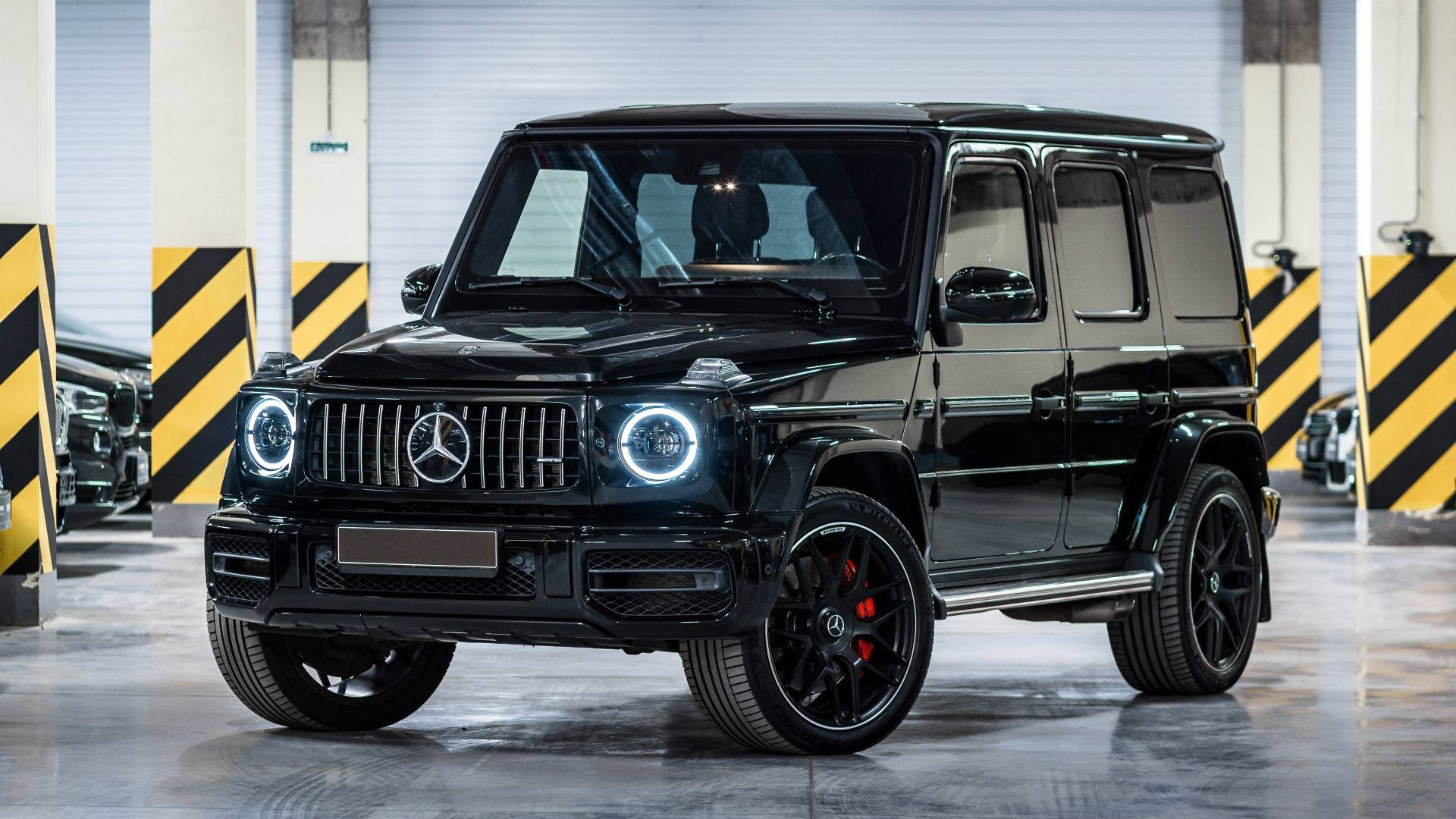
The Genesis of a Legend: Understanding the “G”
The story of the “G” begins not in the glitzy showrooms of Beverly Hills, but on the rugged terrains and challenging landscapes for which it was originally engineered. Understanding this genesis is crucial to appreciating the enduring power of its brand.
“Geländewagen”: More Than Just a Name
The “G” in G-Wagon is an abbreviation of the German word “Geländewagen,” which translates directly to “terrain vehicle” or “cross-country vehicle.” This literal translation encapsulates the vehicle’s initial purpose and core design philosophy. When the first prototypes were developed in the early 1970s, the primary objective was to create an exceptionally robust, off-road capable machine, suitable for demanding environments and military applications. The name was not a marketing gimmick but a precise descriptor of its function and intended domain. This straightforward, functional naming laid the groundwork for a brand identity built on authenticity and uncompromising performance, principles that would continue to define the G-Class for decades. For a brand, such a direct link between name and purpose is a powerful starting point, fostering immediate understanding and trust in its capability.
A Legacy Forged in Functionality
The initial brief for the Geländewagen came from the Shah of Iran, a significant shareholder in Mercedes-Benz at the time, who sought a robust fleet vehicle. This functional requirement drove every design decision: a ladder frame chassis for rigidity, three fully locking differentials for supreme traction, and an unpretentious, boxy body optimized for visibility and interior space rather than aerodynamic flair. The brand message, inherently conveyed through its design and name, was clear: this vehicle was built to conquer, not to parade. This focus on practical utility, rather than superficial aesthetics, paradoxically became one of its most distinctive brand traits, setting it apart from competitors who often prioritized style over substance in the burgeoning SUV market of the later decades. The brand equity generated in these early years was based on undeniable performance and a reputation for indestructibility.
The Military Origins and Rugged Appeal
Before it graced the driveways of celebrities, the Geländewagen served in various military forces across the globe. Countries like Germany, Norway, and Argentina adopted it for its reliability, durability, and formidable off-road prowess. This military provenance imbued the “G” with an indelible image of ruggedness, resilience, and capability under extreme conditions. For a brand, military endorsement is a powerful, albeit often unintended, form of validation. It communicates a no-nonsense, built-to-last quality that resonates deeply with consumers seeking reliability and strength. This heritage continues to be a cornerstone of the G-Wagon’s brand appeal, even as it transitioned into the luxury segment. The “G” doesn’t just signify “terrain vehicle”; it evokes a spirit of adventure, defiance, and unwavering fortitude – invaluable qualities for brand storytelling.
Brand Naming Strategies: The Power of Acronyms and Heritage
The choice of “Geländewagen” and its subsequent abbreviation to “G” is a textbook example of effective brand naming that leverages both meaning and legacy.
Simplicity and Memorability in Brand Identity
In an increasingly cluttered marketplace, simplicity is a strategic asset. While “Geländewagen” accurately describes the vehicle, it’s a mouthful for non-German speakers and lacks the punchiness required for global brand recognition. The natural evolution to the single letter “G” (and the colloquial “G-Wagon”) provided an instantly memorable, easily pronounceable, and distinct identifier. This abbreviation maintained the essence of its origin while making it accessible to a broader, international audience. For any brand, creating a name that is both meaningful and easy to recall is a critical step in building strong brand equity. The “G” achieved this elegantly, becoming synonymous with the vehicle itself rather than merely a part of its official nomenclature. It’s a testament to how a brand can distill its complex identity into a singular, powerful symbol.
Connecting Past and Present Through Nomenclature
The decision to retain the “G” as the primary identifier, even as the vehicle underwent significant transformations and entered new markets, was a brilliant stroke of brand continuity. It served as an anchor, tethering the luxurious, high-tech iterations of the G-Class to its humble, rugged beginnings. This deliberate connection to heritage assures consumers that despite its evolution, the core values of the “Geländewagen” – capability, durability, and authenticity – remain intact. In an era where brands often chase fleeting trends, the G-Class’s unwavering commitment to its foundational name communicates stability and integrity. It reassures loyalists while intriguing new buyers with its storied past, demonstrating how intelligent nomenclature can bridge generational gaps in brand perception.
The Enduring Power of a Foundational Name
The G-Class’s success underscores the power of a well-chosen foundational name. Unlike many models that undergo complete rebranding with each generation, the “G” has been a constant. This consistency has fostered deep brand recognition and an almost cult-like following. The name is not merely a label; it’s a narrative shortcut, instantly communicating a wealth of associations: ruggedness, luxury, exclusivity, and a certain defiance of convention. This deep-seated recognition makes the G-Wagon one of the most protected and revered names in the automotive industry, illustrating how a strong, consistent brand name can become an invaluable asset that transcends product cycles and market fluctuations.
From Utility Vehicle to Luxury Icon: The G-Wagon’s Brand Evolution
Perhaps the most fascinating aspect of the G-Wagon’s brand journey is its successful metamorphosis from a military utility vehicle into a coveted luxury status symbol, all while holding onto the core identity implied by its “G.”
Strategic Repositioning and Market Dynamics
The strategic repositioning of the G-Class began in earnest in the late 1990s and early 2000s. Mercedes-Benz recognized the emerging market for premium SUVs and, rather than designing a new vehicle from scratch, they leveraged the G-Wagon’s established rugged image. They began to infuse the G-Class with lavish interiors, powerful engines, and cutting-edge technology, transforming its spartan cabin into a sanctuary of opulence. This was a bold brand move: taking a product known for function and elevating it to a symbol of aspiration. The juxtaposition of its utilitarian exterior with a sumptuous interior created a unique market niche, appealing to those who desired both uncompromising capability and extravagant comfort. The “G” became a symbol of this unique duality.
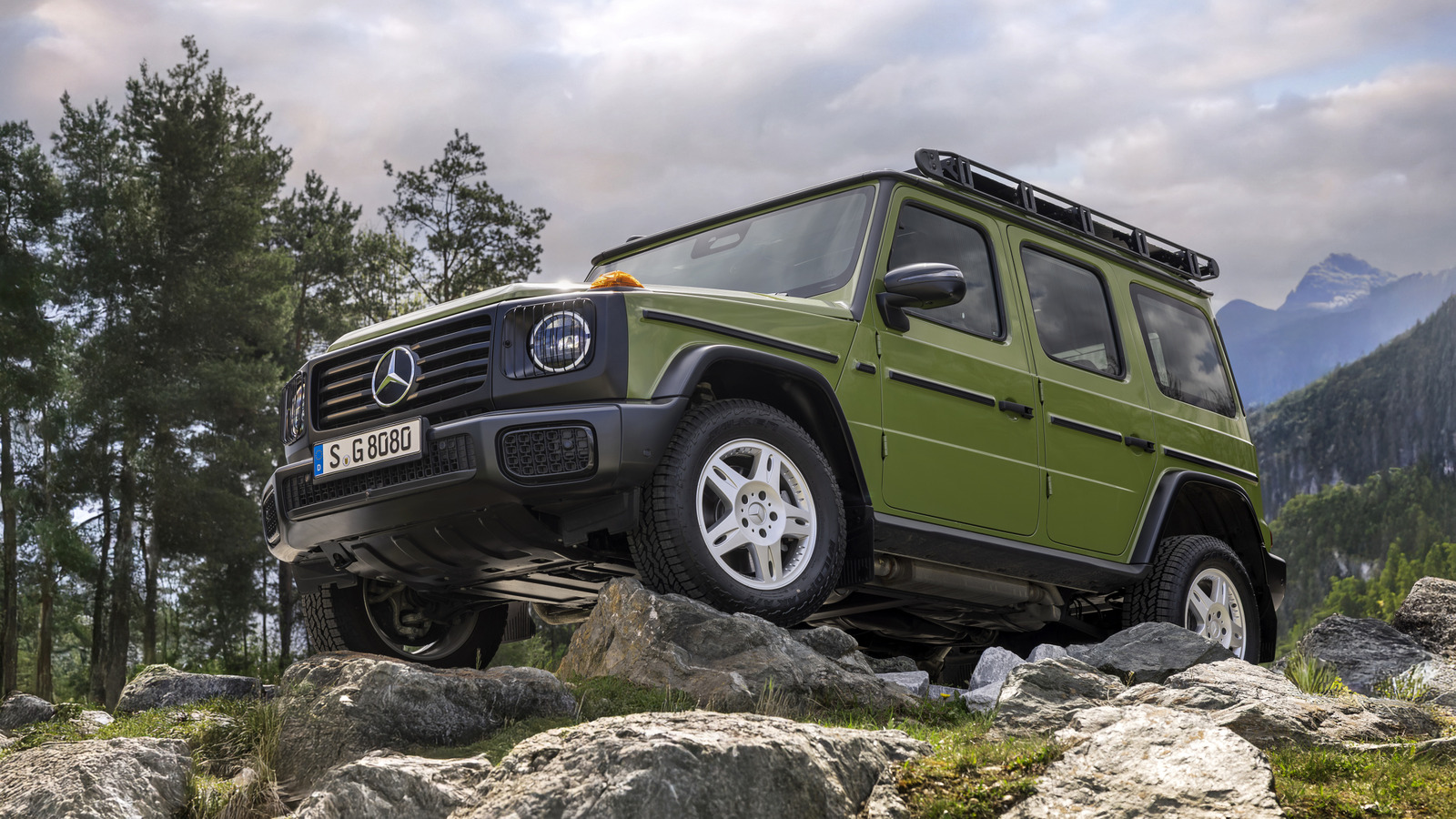
Maintaining Core Identity Amidst Transformation
Crucially, throughout this transformation, Mercedes-Benz meticulously preserved the G-Wagon’s iconic, boxy exterior design. This commitment to its visual identity, combined with the consistent use of the “G” in its name, ensured that despite its newfound luxury, the vehicle never lost touch with its roots. This is a masterclass in brand management: evolving a product to meet new market demands without sacrificing the authenticity that made it special in the first place. The “G” reminded everyone that beneath the leather and wood, the heart of a “terrain vehicle” still beat strong, offering an uncompromised blend of heritage and modernity. It cultivated a brand narrative that suggested: “We can be luxurious, but we will never compromise on what made us great.”
The “G” as a Symbol of Unwavering Character
In an automotive landscape often dominated by sleek, aerodynamic designs, the G-Wagon’s obstinately angular shape, paired with its enduring name, projects an image of unwavering character and timelessness. It’s a vehicle that refuses to conform to passing trends. This defiance has become a powerful brand attribute, attracting consumers who value individuality and substance over fleeting fads. The “G” represents a vehicle that has not only survived but thrived by staying true to its essential self. This resilience and commitment to its core identity has cemented its status as an aspirational brand, suggesting that those who drive a “G” possess similar qualities of strength, determination, and authenticity.
The “G” in the Global Brand Narrative
The “G” has become far more than a linguistic abbreviation; it’s a cornerstone of the G-Wagon’s global brand narrative, influencing how it’s perceived and desired worldwide.
Cultivating Exclusivity and Aspiration
The G-Wagon’s unique brand journey, from military vehicle to luxury icon, combined with its high price point and limited production, has naturally cultivated an aura of exclusivity. The “G” has become a shorthand for this exclusivity, a symbol recognized globally as a mark of status and discerning taste. For many, owning a G-Wagon is not just about owning a car; it’s about making a statement – a declaration of success, adventure, and an appreciation for something truly iconic. This aspirational positioning is a direct result of meticulous brand building, where the name, heritage, and strategic market placement converge to create a product that is not just sold, but desired with an almost emotional fervor.
How the Name Reinforces Brand Values (Authenticity, Resilience, Prestige)
The “G” continuously reinforces a trifecta of powerful brand values:
- Authenticity: The direct link to “Geländewagen” grounds the vehicle in its original purpose, assuring consumers that its off-road capabilities are not just for show but are an intrinsic part of its DNA.
- Resilience: Its enduring design and consistent naming strategy speak to an unwavering durability, both physical and conceptual. The G-Wagon has weathered decades of automotive trends and technological shifts, emerging stronger each time.
- Prestige: By successfully transitioning into the luxury segment while retaining its rugged credibility, the G-Wagon has carved out a unique space where raw capability meets refined indulgence, bestowing upon its owners a sense of sophisticated prestige.
These values, all subtly yet powerfully communicated through the single letter “G,” contribute to a robust brand narrative that resonates with a diverse global clientele.
The G-Wagon’s Place in Mercedes-Benz’s Brand Portfolio
Within the broader Mercedes-Benz brand portfolio, the G-Class occupies a very special, almost sacrosanct position. While Mercedes-Benz offers a vast range of luxury sedans, coupes, and other SUVs, the G-Wagon stands alone as the ultimate expression of extreme capability wrapped in unparalleled luxury. It acts as a halo car, enhancing the perception of the entire brand. Its unique character and enduring popularity reinforce Mercedes-Benz’s reputation for engineering excellence, heritage, and the ability to innovate while respecting tradition. The “G” is a testament to the brand’s versatility and its capacity to create products that transcend mere transportation to become cultural touchstones.
The Enduring Appeal: What the “G” Means Today
Today, the “G” in G-Wagon signifies more than its German etymology. It has evolved into a powerful, multifaceted symbol in popular culture and the automotive world.
Beyond the Acronym: The Emotional Connection
For many, the “G” has transcended its literal meaning to evoke an emotional connection. It represents adventure, power, resilience, and a touch of rebellious luxury. It symbolizes a vehicle that can take you anywhere, both literally and figuratively – from the most challenging off-road trails to the most exclusive urban avenues. This emotional resonance is the ultimate goal of any successful brand: to move beyond functional attributes and forge a deeper, more personal connection with its audience. The “G” has achieved this by consistently embodying a spirit of uncompromising quality and unique character.
A Masterclass in Brand Longevity
The G-Class is a rarity in the automotive industry, having remained in continuous production for over four decades with its fundamental design largely intact. This remarkable longevity is a direct result of astute brand management, where the essence of the “Geländewagen” was never diluted, even as the product evolved. The “G” is a living case study in how to build a brand that endures – by staying true to core values, embracing heritage, and strategically adapting to market shifts without losing identity. It demonstrates that sometimes, the most innovative approach is to stay authentic.

The “G” as a Promise of Adventure and Luxury
Ultimately, the “G” in G-Wagon stands today as a promise: a promise of uncompromised adventure, wrapped in the finest luxury. It’s a paradox of rugged elegance that continues to captivate. It tells a story of evolution, of staying true to oneself, and of achieving iconic status through an unwavering commitment to quality and a compelling brand narrative. From its literal roots as a “terrain vehicle” to its present-day status as a global symbol of prestige and capability, the single letter “G” is not just a part of a name; it is the very soul of a legend, a testament to the enduring power of brand identity built on substance and heritage.
aViewFromTheCave is a participant in the Amazon Services LLC Associates Program, an affiliate advertising program designed to provide a means for sites to earn advertising fees by advertising and linking to Amazon.com. Amazon, the Amazon logo, AmazonSupply, and the AmazonSupply logo are trademarks of Amazon.com, Inc. or its affiliates. As an Amazon Associate we earn affiliate commissions from qualifying purchases.