
In the late summer of 2013, a peculiar music video emerged from Norway, rapidly ascending from a localized promotional stunt to a global cultural phenomenon. Produced by the comedy duo Ylvis for their talk show, “The Fox (What Does the Fox Say?)” was never intended to be a serious musical endeavor. However, from a brand strategy perspective, the video serves as one of the most compelling case studies in the history of digital marketing and identity construction. It demonstrated how absurdity, when paired with high-tier production values and a distinct visual identity, can create a brand that transcends language barriers and geographical borders.

To understand why “What Does the Fox Say” became more than just a fleeting internet meme, we must analyze the strategic layers of its branding. This was not a lucky accident; it was a masterclass in brand positioning, visual storytelling, and the psychology of audience engagement.
The Architecture of Absurdity: Defining a Unique Brand Positioning
Every successful brand requires a unique selling proposition (USP). In the saturated market of 2013 YouTube content, Ylvis found their USP in the intersection of high-concept musical production and total narrative absurdity. While most viral videos of the era relied on “lo-fi” authenticity or accidental humor, Ylvis utilized a sophisticated brand architecture that challenged the audience’s expectations.
The Contrast Strategy
The brand power of the video lies in its internal contradictions. On one hand, the production quality—directed by the award-winning Stargate team—was indistinguishable from a Top 40 pop hit. On the other hand, the lyrical content focused on a ridiculous premise: the missing sound in the animal kingdom’s vocabulary. This “Contrast Strategy” is a powerful tool in brand building. By delivering a low-brow concept through a high-brow medium, the brand created a cognitive dissonance that forced viewers to pay attention. In marketing terms, this is known as “pattern interruption.”
Establishing an Intellectual Property (IP)
“The Fox” was not just a song; it was a piece of intellectual property that established Ylvis as a global brand. Before this video, the duo was largely confined to the Norwegian market. By creating a character-driven narrative centered on the fox, they built a recognizable icon. The fox became a mascot, a visual shorthand for the Ylvis brand. This is a classic move in corporate identity—creating a relatable, slightly mysterious character that the audience can rally around.
The “Question and Answer” Hook
Effective branding often revolves around solving a problem or answering a question. By posing the titular question, “What does the fox say?”, the video created a conceptual “open loop” in the viewer’s mind. The brand didn’t just provide a product (the song); it provided an interactive experience where the audience was invited to participate in the absurdity by suggesting their own answers.
Visual Language and the Power of Aesthetic Identity
A brand is only as strong as its visual representation. “What Does the Fox Say” utilized a specific aesthetic palette that made it instantly recognizable across digital platforms. This visual consistency is what allowed the brand to migrate from a YouTube screen to merchandise, television appearances, and eventually, a children’s book.
Costume as Brand Uniform
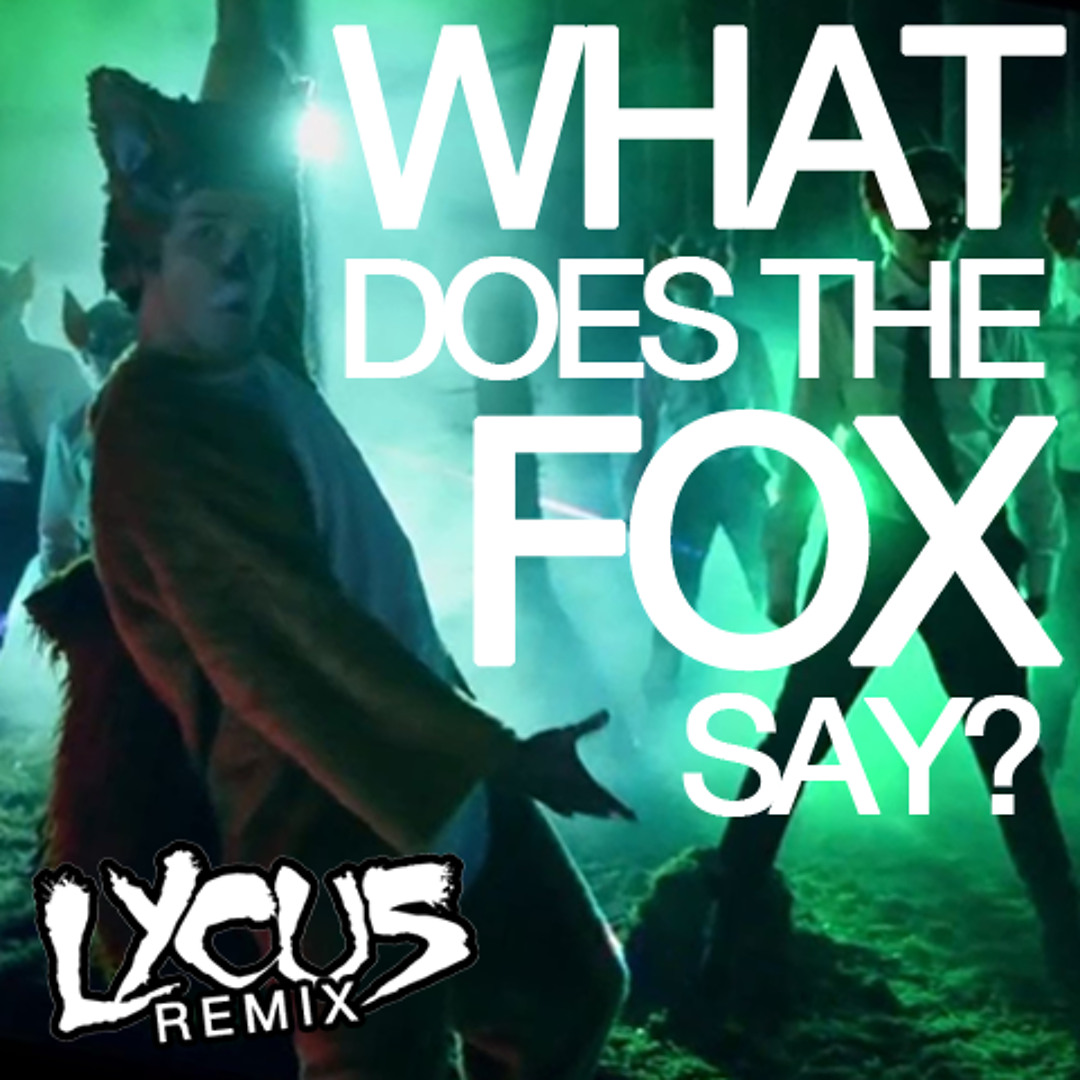
The fox costumes used in the video became the “brand uniform.” In the world of marketing, iconic imagery is gold. Think of the Apple logo or the Nike swoosh; for a brief period in 2013, those fox ears and tails held similar weight in the digital space. The simplicity of the costume allowed for easy replication, which is a vital component of brand “virality.” When fans began dressing as the fox for Halloween or themed parties, they weren’t just wearing a costume—they were becoming brand ambassadors.

Production Value as a Trust Signal
In brand strategy, quality of execution serves as a “trust signal.” Had the video been shot on a low-quality smartphone, the brand would have been perceived as a “meme” in the traditional sense—disposable and low-value. However, the cinematic lighting, professional choreography, and polished CGI signaled to the audience that this was a professional brand. This high-tier execution allowed the creators to pivot from a comedy sketch to a legitimate musical act, securing a deal with Warner Music Group.
The Forest Archetype
The setting of the video—a dark, ethereal forest—provided a consistent backdrop for the brand’s narrative. This choice of environment tapped into primal storytelling archetypes, giving the brand a sense of “modern folklore.” By grounding the absurdity in a visually rich, consistent environment, Ylvis ensured that the brand felt cohesive rather than chaotic.
Strategic Distribution: Leveraging the Digital Ecosystem
No brand survives without a robust distribution strategy. The success of the “What Does the Fox Say” video was facilitated by a deep understanding of how digital platforms prioritize content. The video was released at a time when YouTube’s algorithm began heavily favoring “watch time” and “engagement” over simple click-through rates.
The Multi-Channel Approach
While the video lived on YouTube, the brand was strategically disseminated through various channels. Ylvis used their existing television platform in Norway to seed the content, but they quickly adapted to the global stage. Late-night television appearances in the United States, specifically on “The Ellen DeGeneres Show” and “Late Night with Jimmy Fallon,” served as strategic partnerships. These appearances validated the brand for a mainstream audience that might have missed the initial YouTube surge.
User-Generated Content (UGC) as Brand Extension
The most successful brands are those that the audience feels they “own.” The fox video was designed to be parodied, covered, and remixed. Each parody functioned as a brand extension, reaching niche audiences that the original creators might not have captured. From a brand strategy perspective, this is “earned media” on a massive scale. Ylvis didn’t have to spend millions on advertising; their “customers” (the viewers) were doing the marketing for them.
Monetizing the Meme
The transition from a viral video to a commercial brand was swift. The brand was extended into a New York Times bestselling children’s book, a move that shifted the brand from “digital entertainment” to “physical retail.” This diversification is a key lesson in brand longevity. By moving into different categories (music, books, television), the Ylvis brand insulated itself against the inevitable decline of the video’s viral cycle.
Lessons for Modern Marketers: The “Fox Strategy” for Contemporary Brands
Looking back at “What Does the Fox Say,” there are several actionable insights for today’s brand managers and marketers. In an age of dwindling attention spans and algorithmic volatility, the “Fox Strategy” provides a blueprint for making a lasting impact.
- Invest in Production Value Regardless of the Topic: Quality is a differentiator. If you are going to present an “out of the box” idea, the execution must be flawless to ensure the brand is taken seriously.
- Lean into the Absurd: In a sea of corporate sameness, brands that take risks with humor and absurdity often see the highest returns on engagement. The key is to ensure the absurdity is “on-brand” and consistently executed.
- Create Iconic Visuals: A brand needs a visual “hook” that can live outside of its primary medium. Whether it’s a specific color, a character, or a costume, these elements are the building blocks of brand recognition.
- Facilitate Community Co-Creation: Build brands that invite participation. The more the audience can interact with, remix, or share your brand, the more equity that brand will build.
- Prepare for the Pivot: A viral moment is a window of opportunity. Successful brand strategy involves having a plan for “what comes next”—whether that is a new product, a partnership, or a category expansion.
The “What Does the Fox Say” video remains a fascinating example of how a singular creative vision, backed by professional branding and strategic distribution, can capture the world’s imagination. It wasn’t just a song about a fox; it was a lesson in how to build a global identity from the ground up in the digital age. By understanding the mechanics of this viral sensation, modern brands can better navigate the complex landscape of audience attention and cultural relevance. In the end, the fox didn’t just say something; it taught us how to speak to the world.
aViewFromTheCave is a participant in the Amazon Services LLC Associates Program, an affiliate advertising program designed to provide a means for sites to earn advertising fees by advertising and linking to Amazon.com. Amazon, the Amazon logo, AmazonSupply, and the AmazonSupply logo are trademarks of Amazon.com, Inc. or its affiliates. As an Amazon Associate we earn affiliate commissions from qualifying purchases.