
The endocrine system, a sophisticated network of glands and organs, orchestrates a symphony of hormones that regulate virtually every physiological process in the human body. From metabolism and growth to mood and reproduction, its intricate workings are fundamental to our health and well-being. For centuries, understanding this hidden conductor of bodily functions has been a pursuit of medical science, often constrained by the limitations of diagnostic tools and therapeutic interventions. However, in the 21st century, the rapid advancements in technology are profoundly transforming our ability to probe, monitor, and manage the endocrine system, ushering in an era of unprecedented insight and personalized care.
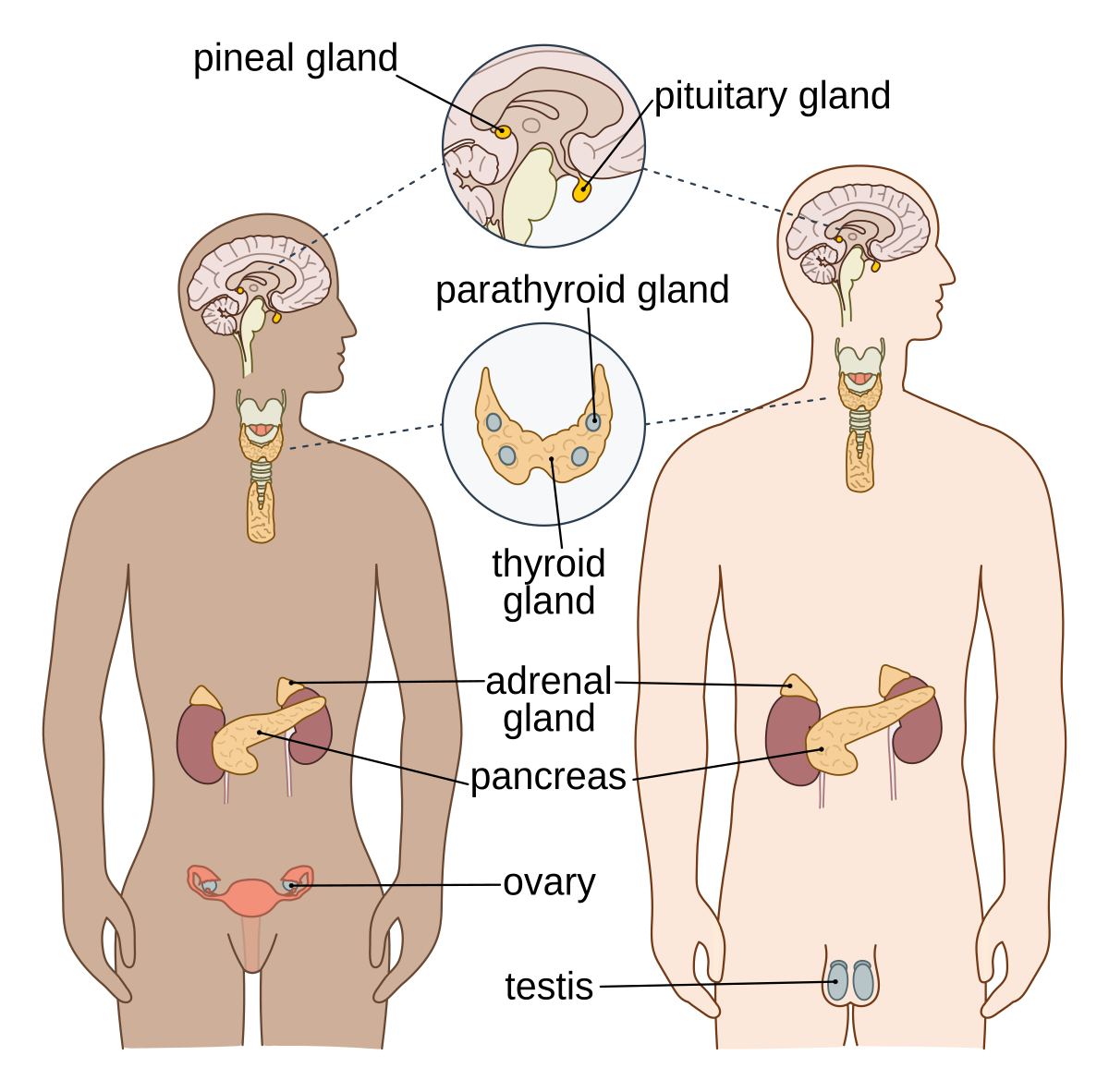
This article delves into how modern health technology is revolutionizing our understanding of what the endocrine system “does,” moving beyond traditional diagnostics to offer real-time data, predictive analytics, and highly targeted treatments. We will explore the cutting-edge tools and platforms that are enhancing research, improving patient outcomes, and paving the way for a healthier future for those living with endocrine disorders and for preventive health alike.
Decoding Hormonal Health with AI and Big Data
The sheer complexity of the endocrine system, with its myriad hormones interacting in feedback loops across different organs, makes it an ideal frontier for the application of artificial intelligence (AI) and big data analytics. These technologies are providing clinicians and researchers with capabilities far beyond what human analysis alone could achieve, enabling a deeper understanding of hormonal dynamics and their implications for health.
Predictive Analytics for Endocrine Disorders
One of the most transformative applications of AI in endocrinology is its ability to predict the onset or progression of endocrine disorders. By analyzing vast datasets – including genetic information, lifestyle factors, environmental exposures, and historical medical records – AI algorithms can identify subtle patterns and correlations that precede the clinical manifestation of diseases like type 2 diabetes, thyroid dysfunction, or polycystic ovary syndrome (PCOS). Machine learning models can be trained on longitudinal patient data to forecast individual risk, allowing for proactive interventions. For instance, an AI might detect that a combination of specific genetic markers, dietary habits, and certain blood hormone levels significantly increases a person’s likelihood of developing insulin resistance within a given timeframe. This foresight empowers healthcare providers to recommend preventative lifestyle changes or early pharmacological interventions, potentially averting full-blown disease or mitigating its severity.
AI-Driven Diagnostics and Personalized Treatment Plans
Beyond prediction, AI is also revolutionizing the diagnostic process and the personalization of treatment. Traditional endocrine diagnostics often rely on isolated blood tests taken at specific times, which can miss the dynamic fluctuations inherent in hormonal systems. AI-powered diagnostic tools, however, can integrate data from continuous monitoring devices, imaging scans, and electronic health records to provide a more holistic and accurate picture. For example, in conditions like adrenal insufficiency, AI can analyze cortisol patterns throughout the day, rather than a single morning measurement, to provide a more definitive diagnosis.
Furthermore, AI is instrumental in developing highly personalized treatment plans. By crunching data on an individual patient’s genetic profile, metabolic responses, and lifestyle, AI can recommend optimal dosages for hormone replacement therapies, guide dietary interventions, and suggest exercise regimens tailored to their unique endocrine profile. This shift from a “one-size-fits-all” approach to precision medicine is dramatically improving treatment efficacy and reducing adverse side effects, marking a new era in endocrine care where technology crafts bespoke health solutions.
Wearable Tech and Continuous Endocrine Monitoring
The rise of wearable technology has moved health monitoring from the clinic to the everyday lives of individuals. For the endocrine system, this means a significant leap from episodic blood tests to continuous, real-time data streams, offering unprecedented insights into hormonal fluctuations and their physiological impacts.
Glucose Monitors and Beyond: Real-Time Hormone Tracking
The most prominent example of continuous endocrine monitoring via wearables is the Continuous Glucose Monitor (CGM), which has transformed diabetes management. CGMs provide real-time glucose readings, allowing individuals with diabetes to make informed decisions about diet, exercise, and insulin dosing, thereby preventing dangerous highs and lows. The technology has evolved from interstitial fluid monitoring to non-invasive methods under development, promising even greater accessibility and comfort.
Building on the success of CGMs, researchers are now developing similar technologies for other hormones. Devices capable of real-time tracking of cortisol (stress hormone), estrogen, progesterone, and testosterone are on the horizon. Imagine a patch that monitors cortisol levels throughout a stressful workday, providing alerts or suggesting relaxation techniques when levels spike. Or a device that tracks fertility hormones, offering precise insights for family planning. These advancements promise to give individuals an unparalleled window into their own endocrine rhythms, empowering them to manage chronic conditions more effectively and optimize their overall well-being.
Smart Devices for Stress and Sleep Hormone Management
Beyond direct hormone measurement, wearable tech also provides valuable surrogate data for endocrine function. Smartwatches and fitness trackers, for instance, monitor heart rate variability, sleep patterns, activity levels, and skin temperature – all of which are influenced by the endocrine system. Elevated stress (and thus cortisol) can be inferred from sustained high heart rates or poor sleep quality, prompting users to engage in mindfulness exercises or seek further medical advice.
Specialized devices are also emerging to help manage conditions specifically linked to stress and sleep hormones. Smart rings can track sleep stages and duration, offering insights into melatonin production and disruption. Biofeedback devices can train individuals to lower stress responses, indirectly influencing cortisol release. By providing actionable insights based on continuous physiological data, these smart devices turn abstract hormonal concepts into tangible, manageable aspects of daily life, helping users mitigate the adverse effects of imbalances and proactively support their endocrine health.
Telemedicine and Digital Platforms for Endocrine Care
The digital revolution has not only provided new tools for monitoring and understanding the endocrine system but has also fundamentally altered how endocrine care is delivered. Telemedicine and digital health platforms are breaking down geographical barriers, improving access to specialized care, and fostering more engaged patient-provider relationships.
Remote Consultations and Specialized Endocrinology Services
For individuals living in rural areas or those with mobility issues, access to highly specialized endocrinologists can be a significant challenge. Telemedicine bridges this gap by enabling remote consultations via secure video conferencing platforms. Patients can connect with endocrinologists from the comfort of their homes, receiving diagnoses, treatment adjustments, and ongoing management advice. This is particularly beneficial for chronic endocrine conditions like diabetes, thyroid disorders, or pituitary conditions that require regular follow-ups but may not always necessitate an in-person visit.

Digital platforms facilitate the secure sharing of patient data, including continuous glucose monitor readings, lab results, and medication lists, allowing endocrinologists to review comprehensive information before and during virtual appointments. This not only enhances convenience but also ensures continuity of care, making specialized endocrinology services more equitable and accessible across diverse populations.
Patient Engagement Apps and Education Tools
Effective management of endocrine conditions often requires significant patient involvement, adherence to treatment plans, and a deep understanding of their condition. Digital patient engagement apps are designed to empower individuals with the knowledge and tools they need to actively participate in their care. These apps can provide personalized educational content about specific endocrine disorders, explain medication side effects, and offer dietary and lifestyle recommendations.
Beyond education, many apps feature medication reminders, symptom trackers, and platforms for logging blood glucose levels or other vital signs. Some even integrate with wearables, automatically importing data to create a comprehensive health log. These tools foster a proactive approach to health, enabling patients to better understand “what does the endocrine system” mean for their daily life, track their progress, and share relevant data with their healthcare team, leading to improved adherence and better long-term outcomes.
Advancements in Therapeutic Technologies for Endocrine Conditions
While diagnostics and monitoring are crucial, the true impact of technology on endocrinology extends to the development of innovative therapeutic solutions. These advancements are not merely new drugs but entirely new ways of delivering therapies and even replacing compromised endocrine functions.
Smart Drug Delivery Systems
Traditional methods of hormone therapy often involve daily pills or injections, which can lead to compliance issues, fluctuating hormone levels, and discomfort. Smart drug delivery systems are designed to overcome these challenges by providing controlled, sustained, or on-demand release of hormones. Micro-reservoirs, biodegradable implants, and intelligent patches are being developed that can release precise dosages of hormones over extended periods, minimizing the need for frequent administration.
For example, insulin pumps have evolved into sophisticated devices that automatically deliver insulin based on continuous glucose readings, mimicking the body’s natural insulin response more closely than manual injections. Researchers are also exploring ‘smart pills’ that can sense specific physiological conditions in the gut and release medication accordingly, or implantable devices that can adjust hormone release based on internal biometric data, promising a future of highly efficient and patient-friendly therapeutic management for endocrine disorders.
Bio-integrated Devices and Artificial Pancreas Systems
The ultimate goal for many severe endocrine conditions is to restore the natural function of the affected gland. Bio-integrated devices, which combine biological components with electronic systems, are moving towards this ambitious objective. The most advanced example is the artificial pancreas system for type 1 diabetes. These systems integrate a CGM, an insulin pump, and a sophisticated control algorithm that continuously adjusts insulin delivery based on real-time glucose levels, often with minimal patient intervention.
Beyond the artificial pancreas, research is ongoing for similar bio-integrated solutions for other endocrine glands. For instance, efforts are being made to develop implantable devices that can sense thyroid hormone levels and release synthetic hormones as needed, or even bio-engineered tissues that can be implanted to replace damaged endocrine glands. These technologies represent a paradigm shift, moving beyond simply treating symptoms to effectively replacing or augmenting the body’s own endocrine capabilities.
The Future Landscape: Gene Editing and Digital Twins
As technology continues its exponential growth, the future of understanding and interacting with the endocrine system promises even more revolutionary breakthroughs. Gene editing and the concept of digital twins are at the forefront of this next wave of innovation, offering potential for cures and highly personalized preventative strategies.
CRISPR and Precision Endocrine Interventions
Gene editing technologies, most notably CRISPR-Cas9, hold immense potential for addressing endocrine disorders at their genetic root. Many endocrine conditions, such as congenital adrenal hyperplasia, type 1 diabetes, or certain forms of thyroid dysfunction, have a strong genetic component. CRISPR offers the possibility of precisely editing faulty genes responsible for hormone production, gland development, or receptor function.
Imagine a future where a genetic predisposition to an endocrine disorder can be corrected even before symptoms arise, or where damaged endocrine cells can be reprogrammed to regain their function. While still largely in experimental stages, the ability to directly manipulate the genetic code offers the ultimate form of precision medicine, moving beyond managing endocrine symptoms to potentially curing genetic endocrine diseases, fundamentally changing “what does the endocrine” system mean in terms of genetic predisposition.
Virtual Models for Hormonal System Simulation
The concept of a “digital twin” – a virtual replica of a physical system – is gaining traction in medicine. For the endocrine system, a digital twin would involve creating a highly accurate, personalized computer model of an individual’s entire hormonal network. This model would integrate all available data: genetic profile, real-time hormone levels from wearables, lifestyle data, medical history, and even environmental factors.
Such a digital twin could be used to simulate the effects of different diets, exercise regimens, medications, or surgical interventions on an individual’s endocrine system, all without any risk to the patient. Clinicians could test various treatment protocols virtually to identify the optimal approach, predict disease progression, or even anticipate the side effects of drugs. This simulation capability would elevate personalized medicine to an unprecedented level, allowing for a truly predictive, preventive, and highly individualized approach to endocrine health, giving us the deepest insight yet into “what does the endocrine” system truly needs for optimal function.
Conclusion
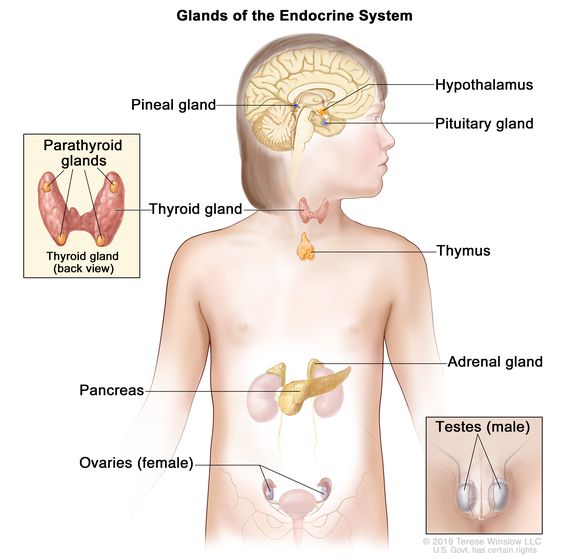
The question “what does the endocrine system” do is being answered with ever-increasing clarity and precision, thanks to the relentless march of technological innovation. From the analytical power of AI and big data to the real-time insights provided by wearable devices, and from the enhanced accessibility of telemedicine to the transformative potential of bio-integrated therapies and gene editing, technology is redefining our relationship with this vital biological system. We are moving towards an era where endocrine health is not just managed but understood at an unprecedented depth, allowing for truly personalized, predictive, and ultimately, more effective care. The synergistic dance between biology and technology is revealing the endocrine system’s secrets, empowering individuals, and forging a future of better health outcomes for all.
aViewFromTheCave is a participant in the Amazon Services LLC Associates Program, an affiliate advertising program designed to provide a means for sites to earn advertising fees by advertising and linking to Amazon.com. Amazon, the Amazon logo, AmazonSupply, and the AmazonSupply logo are trademarks of Amazon.com, Inc. or its affiliates. As an Amazon Associate we earn affiliate commissions from qualifying purchases.