
As the political calendar turns toward the home stretch, investors, business owners, and everyday savers are asking a singular, high-stakes question: What does the election look like right now from a financial perspective? While the media often focuses on the “horse race” of polling and personality, the financial markets are scanning the horizon for something far more specific: policy certainty, fiscal trajectory, and the future of the global economy.
To understand the current state of the election through the lens of money, one must look past the headlines and into the data of market volatility, sector rotation, and the underlying economic indicators that traditionally dictate how capital flows during a transition of power.
The Market’s “Election Playbook”: Historical Trends and Current Sentiment
Historically, the stock market follows a somewhat predictable pattern during election years. However, the current cycle presents unique challenges that are forcing a rewrite of the traditional playbook. Typically, the first half of an election year is marked by a “wait and see” approach, with volatility peaking in the late summer as platforms are finalized and debates begin.
Analyzing the Mid-Year Pivot
Right now, the election looks like a tug-of-war between historical precedent and modern economic anomalies. Data from the last century suggests that the S&P 500 typically sees positive returns in election years, particularly when an incumbent is running. This is often attributed to the “pump” of fiscal spending and the desire of the sitting administration to maintain a stable economic environment leading up to the vote.
As of this moment, we are seeing a distinct mid-year pivot. Investors are moving away from speculative growth and looking toward more defensive postures. This isn’t necessarily a sign of a “bear market,” but rather a recalibration. The market is currently pricing in the “known unknowns”—the realization that regardless of who wins, the fiscal deficit remains a looming shadow over long-term growth.
Volatility as the New Baseline
The VIX (Volatility Index), often called the “fear gauge,” typically climbs as November approaches. Right now, the election looks like a series of “volatility spikes” triggered by specific policy announcements. For example, a candidate’s comment on trade tariffs or corporate tax rates can instantly trigger a sell-off in specific sectors. For the sophisticated investor, this volatility isn’t a signal to exit, but a series of entry points. The “money” perspective right now is focused on whether the current market highs are sustainable or if the election uncertainty will provide the long-awaited “correction.”
Sector-Specific Outlooks: Winners and Losers Under Potential Administrations
For the business finance world, the election doesn’t just represent a change in leadership; it represents a fundamental shift in the regulatory and subsidy landscape. When we look at the election right now, we see a stark divergence in how different industries are being valued based on the projected winner.
Energy and the Green Transition
One of the clearest divides in the current election cycle is energy policy. From a financial standpoint, the election looks like a fork in the road for the “Green New Deal” era. If the current administration maintains power, we can expect a continued flow of capital into renewables, EV infrastructure, and carbon capture technologies through existing legislative frameworks.
Conversely, a shift in power suggests a resurgence for traditional “Big Oil” and gas. Right now, energy stocks are trading with a “political premium.” Investors are hedging their bets, balancing portfolios with both traditional energy giants—who offer strong dividends—and tech-heavy renewable firms that rely on government subsidies for long-term R&D.
Healthcare and Big Pharma Policy
The healthcare sector is always a focal point of election-year volatility. Right now, the focus is on drug pricing and the expansion (or contraction) of federal healthcare programs. For the “Money” niche, this means analyzing the balance sheets of major pharmaceutical companies. A more populist approach to drug pricing could squeeze margins, while a deregulatory approach could lead to a surge in M&A (mergers and acquisitions) activity within the biotech space.
Financial Services and Deregulation
Wall Street is watching the election for signs of the next direction of the SEC and the CFPB. For banking stocks, the election right now looks like a potential return to a less restrictive regulatory environment. This would traditionally be “bullish” for mid-sized banks and fintech startups. However, if the current trajectory of high-interest rates continues alongside stricter capital requirements, the banking sector may remain in a defensive crouch regardless of the ballot box outcome.

The Macro-Economic Canvas: Inflation, Interest Rates, and the Fed
Perhaps the most critical “Money” aspect of the election right now is the relationship between the candidates and the Federal Reserve. While the Fed is ostensibly independent, the political pressure regarding interest rates is at a fever pitch.
The Impact of Fiscal Spending Proposals
Both major platforms currently involve significant spending, though they differ on where that capital is allocated. One side favors infrastructure and social safety nets, while the other focuses on tax cuts and border security. From a macro-economic perspective, the election right now looks like an “inflationary neutral.” Both paths involve high levels of federal borrowing.
For the bond market, this is a point of significant stress. If the election leads to a sweep of both the executive and legislative branches, the market expects a surge in deficit spending, which could keep yields high and bond prices low. Investors are currently looking at the “term premium”—the extra yield they demand to hold long-term government debt—as a barometer for the election’s perceived risk.
Trade Policy and Global Supply Chains
“What does the election look like right now?” for a business owner often translates to “How much will my imports cost next year?” Trade policy has moved from the periphery to the center of financial planning. The current sentiment suggests a bipartisan move toward protectionism, albeit with different targets. This creates a “Money” environment where supply chain diversification is no longer an option but a necessity. The market is currently valuing companies with domestic manufacturing capabilities higher than those with heavy exposure to overseas trade tensions.
Personal Finance Strategies: Protecting Portfolios in an Uncertain Climate
As the election rhetoric intensifies, the individual investor’s perspective becomes paramount. For those focused on personal finance and wealth preservation, the election is less about picking a side and more about managing risk.
Tax Planning and Potential Legislative Changes
The expiration of various tax provisions is a ticking clock for high-net-worth individuals and business owners. Right now, the election looks like a high-stakes game of tax planning. If current tax cuts are allowed to sunset, capital gains and estate taxes could see a significant rise.
The savvy “Money” move right now is not to panic-sell, but to consult with tax professionals about “locking in” current rates where possible. This includes looking at Roth conversions, gifting strategies, and the timing of capital gains realizations. The election outcome will likely dictate the “tax alpha” of investment portfolios for the next decade.
Diversification and Long-Term vs. Short-Term Thinking
The most dangerous thing an investor can do right now is trade based on their political emotions. Data shows that the most successful portfolios are those that remain “apolitical.” When we ask what the election looks like right now for the average person’s 401(k), the answer is: it looks like noise.
While short-term fluctuations are guaranteed, the long-term trajectory of the market is driven by corporate earnings, innovation, and consumer demand—forces that are influenced by, but not entirely dictated by, who sits in the Oval Office. Right now, the “Money” consensus is that cash is no longer “trash” due to high interest rates, providing a safe haven for those who want to wait out the election-month volatility before re-entering the equity markets.
Conclusion: The Financial Forecast
In summary, what does the election look like right now? It looks like a period of calculated recalibration. We are seeing a shift from the “unbridled growth” phase of the post-pandemic era into a “policy-sensitive” phase.
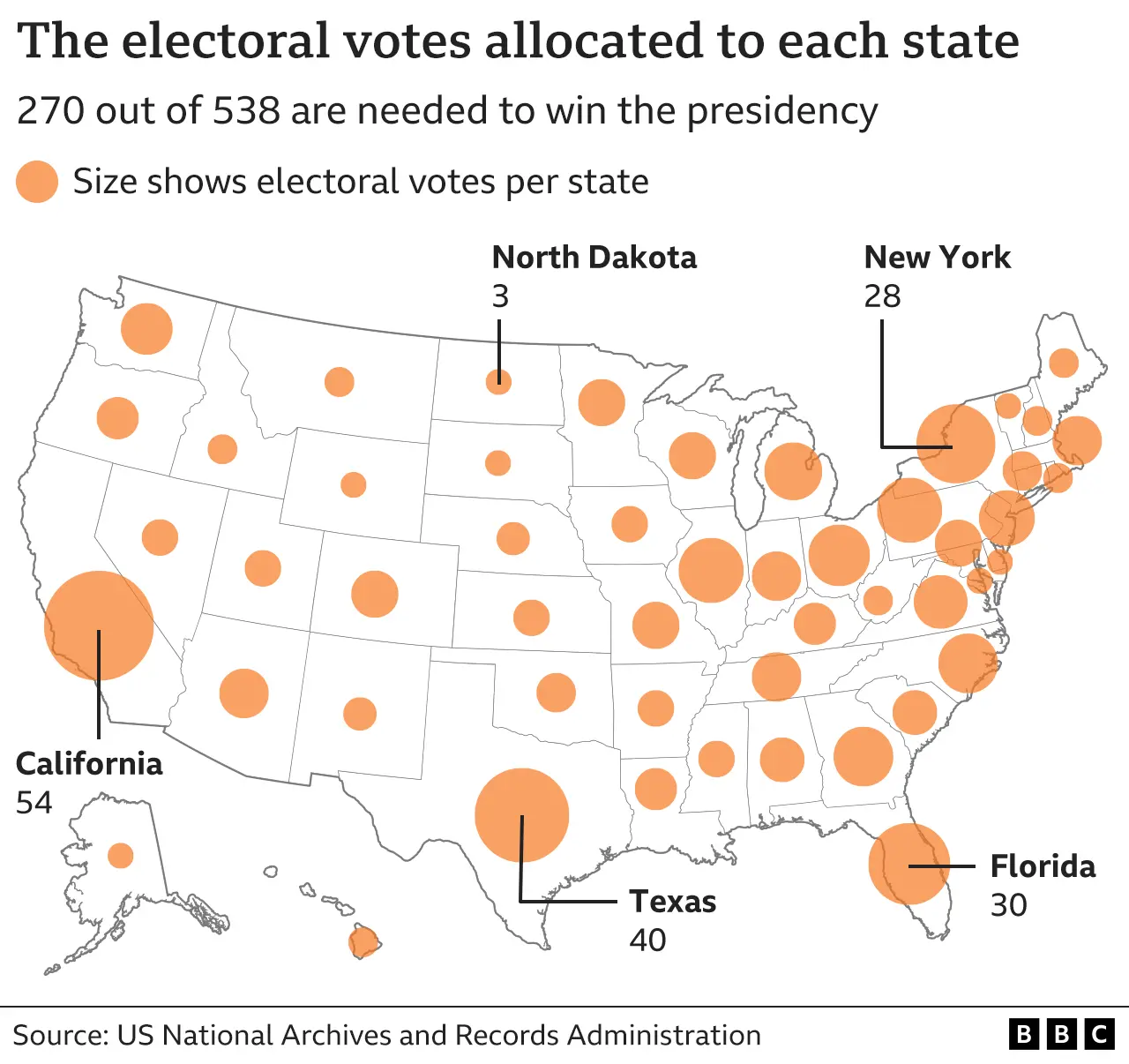
For the tech sector, it’s about antitrust and AI regulation. For the branding and marketing world, it’s about consumer sentiment and identity. But for those in the world of Money, the election is a series of data points—inflation prints, interest rate projections, and tax policy forecasts. The winners of this election cycle, at least in the financial sense, will not be those who predict the political victor, but those who build resilient portfolios capable of thriving regardless of the color of the electoral map. The election is currently a catalyst for volatility, but for the prepared investor, volatility is simply another name for opportunity.
aViewFromTheCave is a participant in the Amazon Services LLC Associates Program, an affiliate advertising program designed to provide a means for sites to earn advertising fees by advertising and linking to Amazon.com. Amazon, the Amazon logo, AmazonSupply, and the AmazonSupply logo are trademarks of Amazon.com, Inc. or its affiliates. As an Amazon Associate we earn affiliate commissions from qualifying purchases.