
The world of cocktails is rich with evocative names, each whispering tales of origin, flavor profiles, and social standing. Among these, the “dirty martini” stands out, not just for its potent charm but for the intriguing ambiguity of its name. While many might associate “dirty” with an unappetizing quality, the reality behind this iconic cocktail’s designation is far more nuanced and, from a brand perspective, remarkably effective. This exploration delves into the origins and branding implications of the “dirty” in a dirty martini, revealing how a seemingly negative descriptor can be ingeniously transformed into a mark of distinction and desirability.
The Genesis of the “Dirty” Reputation: From Olive Brine to Unconventional Chic
The story of the dirty martini is intrinsically linked to the evolution of the classic martini itself. The martini, a sophisticated concoction of gin or vodka and vermouth, has long been a symbol of elegance and refinement. However, as cocktail culture evolved, so too did the desire for variations that challenged established norms and catered to developing palates. The “dirty” martini emerged as a product of this innovation, a bold departure that ultimately defined a new category within the martini family.
The Humble Olive and its Salty Secret
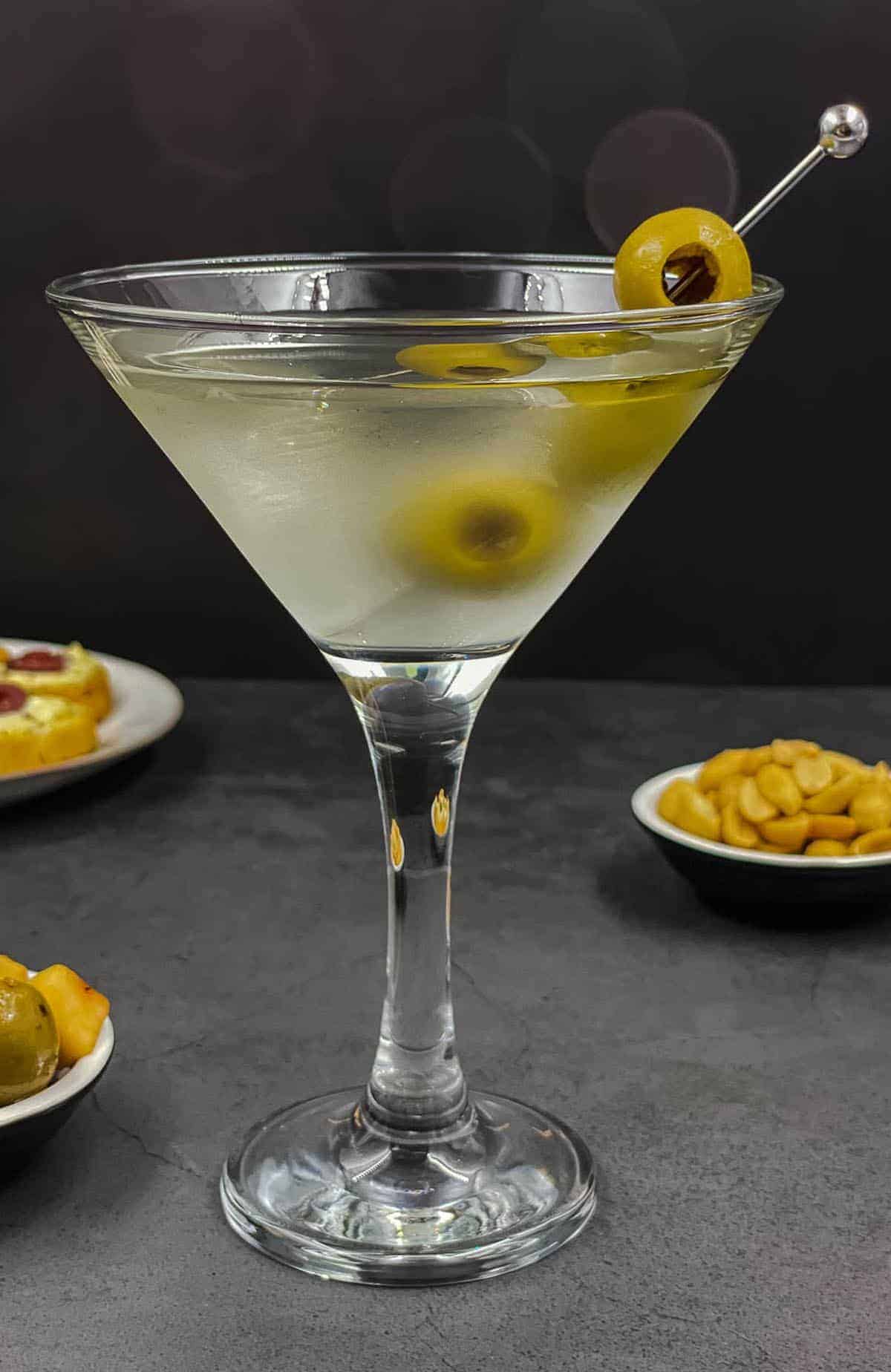
At its core, the “dirty” in a dirty martini refers to the addition of olive brine to the traditional gin or vodka and vermouth mixture. This wasn’t a random act of culinary rebellion; it was a deliberate choice with distinct sensory outcomes. Olive brine, the salty liquid in which olives are preserved, imparts a unique umami character and a savory depth to the cocktail. It softens the sharp edges of the spirits, introduces a pleasing salinity, and creates a more complex flavor profile that appeals to a different segment of the drinking public.
Beyond the Brine: The Cultural Undertonest
The etymology of “dirty” in this context is debated, with several popular theories contributing to its mystique. One prominent narrative suggests it originated in early 20th-century America, a time when culinary boundaries were being pushed. Some attribute the invention to bartenders experimenting with the byproducts of their olive garnishes. Another theory links it to the Prohibition era, where illicitly made spirits might have been less refined, and the added brine served to mask imperfections.
Regardless of the definitive origin, the term “dirty” carries a subversive connotation. It suggests something a little rough around the edges, perhaps a bit more risqué than its pristine counterpart. This inherent tension between the cocktail’s sophisticated base and its “imperfect” addition is precisely what makes the dirty martini so compelling from a branding standpoint. It’s not just about the taste; it’s about the attitude.
Branding the “Dirty”: From Niche to Mainstream Appeal
The successful branding of the dirty martini is a masterclass in transforming a potentially off-putting characteristic into a desirable attribute. It capitalized on a growing desire for authenticity, a move away from overly sanitized experiences, and an appreciation for complexity.
The Allure of the Unconventional
In a world often striving for perfection, the “dirty” martini offered an alternative. It was a drink for those who weren’t afraid to embrace a little imperfection, a little grit. This resonated with a demographic seeking authenticity and a departure from the overly polished. The name itself became a shorthand for a certain kind of drinker – one who appreciates a bit of edge, a touch of rebelliousness.
This is a powerful branding lesson. Instead of shying away from a perceived flaw, one can embrace it and reposition it as a unique selling proposition. The “dirty” in this context isn’t a flaw; it’s the defining characteristic that sets it apart. It creates an immediate sense of intrigue and invites exploration.

The Power of Subversion and Word-of-Mouth
The name “dirty martini” is inherently memorable and provokes curiosity. It’s a conversation starter. When someone asks what makes it “dirty,” it opens the door for explanation, for storytelling, and for the bartender or server to impart knowledge and build a connection with the customer. This organic word-of-mouth marketing is invaluable.
Furthermore, the subversiveness of the name adds to its allure. In a social setting, ordering a “dirty martini” can feel like a subtle act of defiance, a knowing wink to those “in the know.” This creates a sense of community and exclusivity, attracting those who want to be perceived as sophisticated yet unconventional.
The Visual and Sensory Cues: Reinforcing the Brand
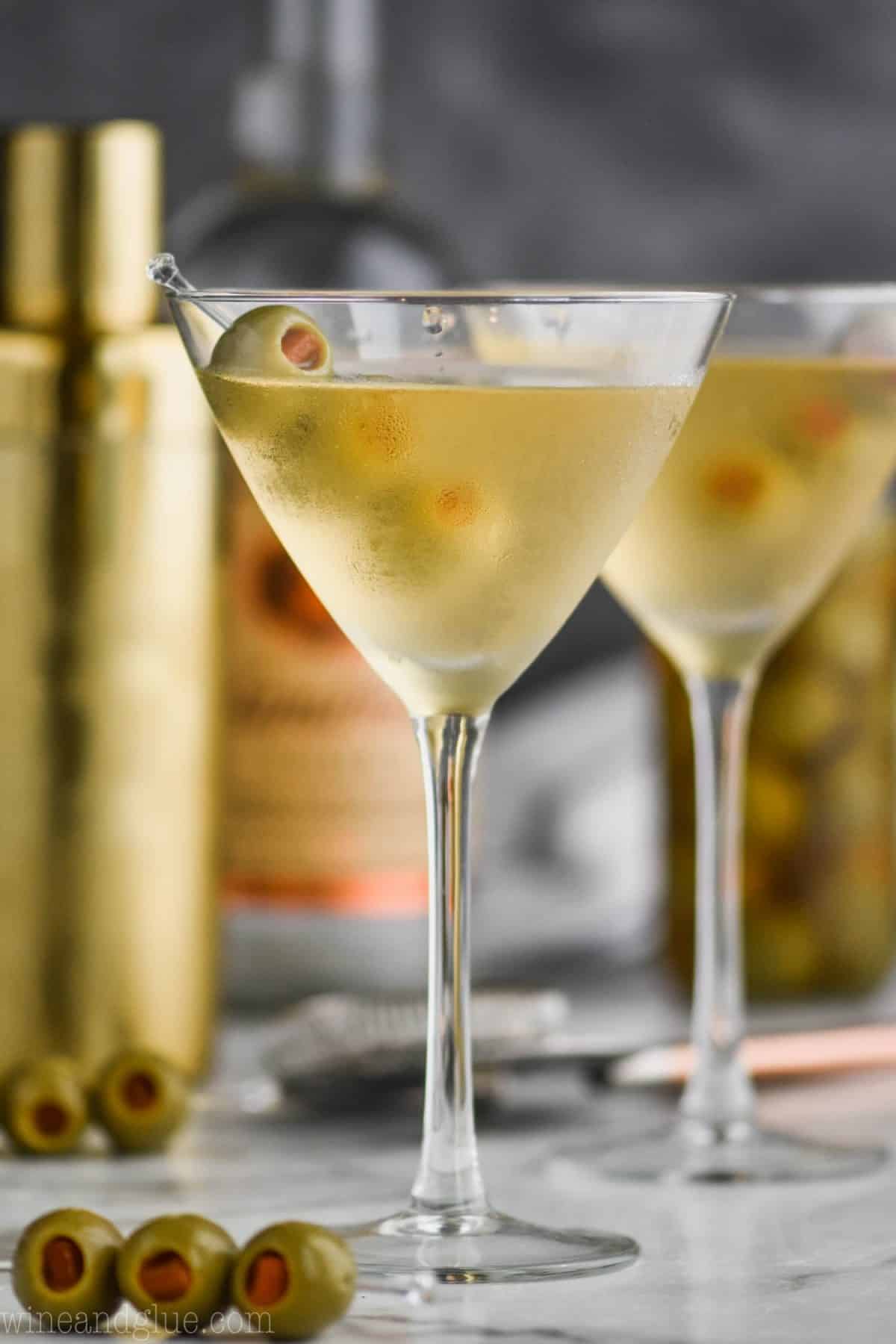
While the name is crucial, the sensory experience of a dirty martini powerfully reinforces its brand. The characteristic green olive, often speared and perched precariously on the rim, is a visual icon. Its presence signals the “dirty” nature of the drink, a clear indicator of what to expect. The slight cloudiness that can sometimes result from the olive brine also adds to its visual character, further differentiating it from the crystal-clear classic martini.
The taste itself – the savory, briny, complex profile – is the ultimate validation of the brand promise. It delivers on the intrigue generated by the name, offering a flavor experience that is both familiar and novel. This multi-sensory reinforcement ensures that the “dirty” aspect is not just a label but a deeply ingrained part of the cocktail’s identity.
From Bar Staple to Global Icon: The Enduring Brand Equity of “Dirty”
The dirty martini has transcended its origins to become a globally recognized and celebrated cocktail. Its journey from a niche variation to a mainstream staple is a testament to its effective branding and its ability to adapt and appeal to a broad audience.
The Democratization of “Dirty”: Accessibility and Adaptability
One of the key factors in the dirty martini’s enduring popularity is its accessibility. While it maintains an air of sophistication, it is also a relatively straightforward cocktail to prepare, making it a common offering on bar menus worldwide. This widespread availability has democratized the “dirty” experience, allowing it to reach a vast and diverse customer base.
Moreover, the dirty martini has proven remarkably adaptable. Bartenders and home mixologists have continued to innovate, experimenting with different types of olives, adding a dash of hot sauce for a spicy kick, or even incorporating other savory elements. This constant evolution keeps the dirty martini fresh and relevant, ensuring its continued appeal to new generations of cocktail enthusiasts. Each variation, while still embracing the core “dirty” concept, offers a new angle for branding and marketing.
The “Dirty Martini” as a Symbol of Sophistication with an Edge
In essence, the dirty martini has become more than just a drink; it’s a cultural signifier. It represents a certain savoir-faire, an appreciation for nuanced flavors, and a confident embrace of the unconventional. Ordering a dirty martini at a high-end bar or a casual establishment alike signals a discerning palate and a willingness to step beyond the predictable.
The success of the “dirty” branding is a powerful lesson in marketing and brand building. It demonstrates that what might initially appear as a drawback can, with the right framing and execution, become a compelling differentiator. The term “dirty” has been transformed from a potential negative into a badge of honor, a testament to the enduring power of a well-crafted narrative and a perfectly executed drink. The dirty martini stands as a prime example of how a simple, evocative name, coupled with a unique sensory experience, can build formidable brand equity and ensure a cocktail’s lasting legacy.
aViewFromTheCave is a participant in the Amazon Services LLC Associates Program, an affiliate advertising program designed to provide a means for sites to earn advertising fees by advertising and linking to Amazon.com. Amazon, the Amazon logo, AmazonSupply, and the AmazonSupply logo are trademarks of Amazon.com, Inc. or its affiliates. As an Amazon Associate we earn affiliate commissions from qualifying purchases.