
In the intricate world of global retail and footwear manufacturing, standard sizing remains one of the most critical aspects of consumer experience and brand loyalty. For many shoppers, navigating the alphabet soup of shoe widths—where letters like A, B, D, and E appear alongside numerical lengths—is a source of recurring confusion. When a customer encounters the letter “D” on a shoebox, they are looking at a specific industry standard that serves as a cornerstone of corporate identity and product fit strategy for major footwear manufacturers. Understanding the “D” is not just about comfort; it is about recognizing how global brands segment their markets and engineer products to meet the anatomical diversity of their consumer base.
The Technical Classification of Footwear Widths
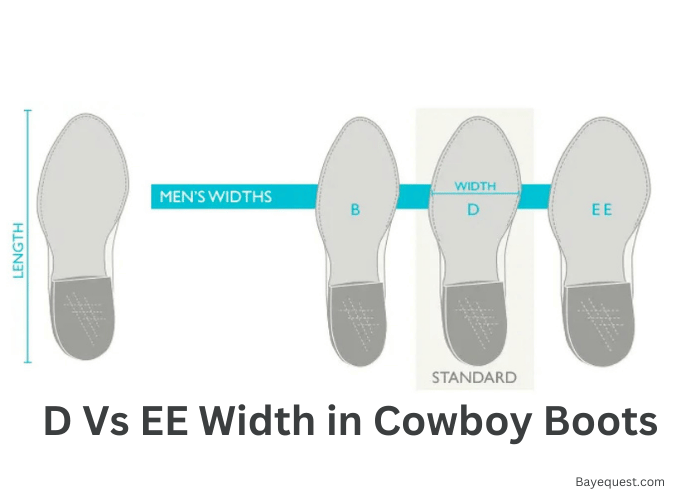
To understand the “D,” one must first understand the Brannock Device and the standardized sizing systems that govern the footwear industry. Shoe sizing is not merely a measurement of length; it is a three-dimensional mapping of the human foot. While the number represents the length of the foot, the letter suffix denotes the width, measured across the ball of the foot—the widest part where the toes meet the midfoot.
The Standard Medium
In the United States and within the specific manufacturing standards adopted by most international athletic and dress shoe companies, the letter “D” represents the “Medium” width for men. This is the baseline from which all other sizes are calculated. When a brand designs a flagship shoe, the “D” width serves as the sample size. It is the canvas upon which the brand’s design team prototypes the aesthetic, structural integrity, and ergonomic support of the shoe. Because it is the most commonly manufactured width, it represents the largest segment of the retail market.
Historical Context and Scaling
The alphabetized width system functions on a scale that shifts by approximately one-quarter of an inch between each letter. While “D” is the standard for men, “B” is the standard for women. This creates a fascinating branding and inventory dynamic: a man requiring a wider fit might look for an “EE,” while a woman requiring a wider fit might seek a “D.” Understanding this categorization is essential for retailers to manage their inventory efficiently. By anchoring the “D” as the middle point, manufacturers can extrapolate the dimensions for narrower (A, B, C) and wider (E, EE, EEE) variations, ensuring that the brand can capture a broader spectrum of the population without needing to design entirely new architectural patterns for every single customer.
Strategic Importance in Brand Positioning
For footwear brands, the decision to offer “D” widths versus specialized widths is a strategic calculation that impacts both the bottom line and the brand’s market perception. A company’s willingness to stock widths beyond the standard “D” often defines its position in the marketplace.
The Mass Market vs. Niche Specialization
Brands that focus heavily on the “D” width—the standard medium—are often prioritizing manufacturing efficiency and rapid turnover. By limiting the variation in width, a brand can maintain a lean supply chain and reduce the complexity of their inventory management systems. Conversely, brands that maintain a comprehensive suite of widths, including the standard “D” alongside a range of wider and narrower options, are effectively positioning themselves as “customer-first” entities. This strategy is frequently seen in high-end comfort brands or specialized running companies that prioritize ergonomics over raw volume. When a brand explicitly labels their products with “D” as the standard, they are communicating a promise of consistency to the consumer.

Retail Inventory Management
From a business finance perspective, the “D” width is the most liquid asset in a footwear retailer’s inventory. Because it caters to the statistical average of the population, it experiences the highest velocity of sales. Retailers often utilize predictive analytics to ensure that their “D” stock remains high, as stockouts in this category represent the largest potential loss in revenue. Brands that successfully manage their “D” inventory through sophisticated demand forecasting gain a significant competitive advantage, reducing overhead costs associated with dead stock in non-standard widths.
Anatomical Fit and Product Development
The “D” width is not an arbitrary label; it is the result of years of biometric data collection. Product development teams use this data to create lasts—the mechanical form shaped like a human foot—that dictate the volume of the shoe.
Designing for the Average
When an engineer develops a new performance sneaker, the “D” last is the primary reference point. Every adjustment made to the upper material, the density of the foam, and the placement of the lacing system is optimized for a “D” width foot. This is why “D” width shoes typically exhibit the brand’s most intended design aesthetic. If a shoe is intended to be sleek and aerodynamic, the “D” width is where those design features are most visible. When the shoe is scaled up to an “EE” or down to a “B,” the proportions can sometimes change, which is why product designers must be highly skilled in scaling their patterns to ensure that the user experience—the sensation of support and stability—remains identical regardless of the width.
The Intersection of Comfort and Performance
The “D” width represents the pinnacle of consumer balance. Because it is the most common fit, the research and development (R&D) budget for “D” width shoes is significantly higher than that of niche widths. This means that if a consumer has a “D” width foot, they are statistically more likely to benefit from the latest technological advancements in cushioning, energy return, and moisture-wicking textiles. Brands market these innovations specifically to the “D” demographic because it offers the highest return on investment for R&D.
Consumer Perception and Brand Trust
In the modern retail landscape, the “D” in a shoe size acts as a signaling mechanism for trust. Consumers have learned that when they see a brand offering a standardized “D” width, they can rely on a consistent fit across different models within that brand’s catalog.
Consistency as a Branding Tool
One of the most effective ways for a footwear company to build brand equity is to ensure that a “D” width in a trail running shoe fits similarly to a “D” width in a formal dress shoe. This consistency fosters brand loyalty. When a consumer knows their size and width, the psychological barrier to purchasing footwear online is significantly lowered. By clearly articulating that their standard for “D” is fixed, companies eliminate the “fit anxiety” that plagues e-commerce footwear sales. This clarity is an essential component of a successful digital marketing strategy, as it reduces return rates—a massive expense for online retailers—and enhances the customer’s perceived value of the brand.

Empowering the Informed Consumer
As information becomes more accessible, the modern consumer is becoming increasingly educated about their own physiological needs. The transition from general sizing to specialized width-aware shopping is a clear trend. Brands that provide detailed size guides, clearly explaining what the “D” entails and how it compares to other widths, are effectively educating their market. This transparency not only helps the consumer make a better purchase decision but also positions the brand as an authority in the footwear space. It moves the conversation from simple transactional retail to a consultative relationship, where the brand provides the tools (width charts, fitting guides) for the customer to achieve the perfect fit.
In summary, the “D” in a shoe size is far more than a simple letter on a label. It is a fundamental component of the footwear industry’s economic and design framework. It serves as the baseline for global manufacturing, the anchor for inventory strategy, and the benchmark for consumer fit expectations. For brands, the “D” is a tool for consistency; for consumers, it is the key to finding footwear that balances performance, style, and comfort. As the retail industry continues to evolve, the mastery of these standardized measurements remains an essential pillar of corporate success and consumer satisfaction.
aViewFromTheCave is a participant in the Amazon Services LLC Associates Program, an affiliate advertising program designed to provide a means for sites to earn advertising fees by advertising and linking to Amazon.com. Amazon, the Amazon logo, AmazonSupply, and the AmazonSupply logo are trademarks of Amazon.com, Inc. or its affiliates. As an Amazon Associate we earn affiliate commissions from qualifying purchases.