
In the globalized marketplace, a product’s journey from conception to the consumer’s hand is rarely a straight line. Yet, despite the complexity of modern supply chains, one specific detail remains a powerful driver of consumer behavior: the “Country of Origin” (COO). For brand strategists and marketing professionals, the country of origin is far more than a legal requirement for customs labeling; it is a psychological shortcut, a narrative tool, and a foundational element of corporate identity.
Understanding what the country of origin means requires looking beyond the “Made in…” tag. It involves analyzing how geographic associations influence brand equity, consumer trust, and the perceived value of a product. In an era where brand transparency is paramount, the strategic management of a brand’s geographic roots has become a decisive factor in international success.
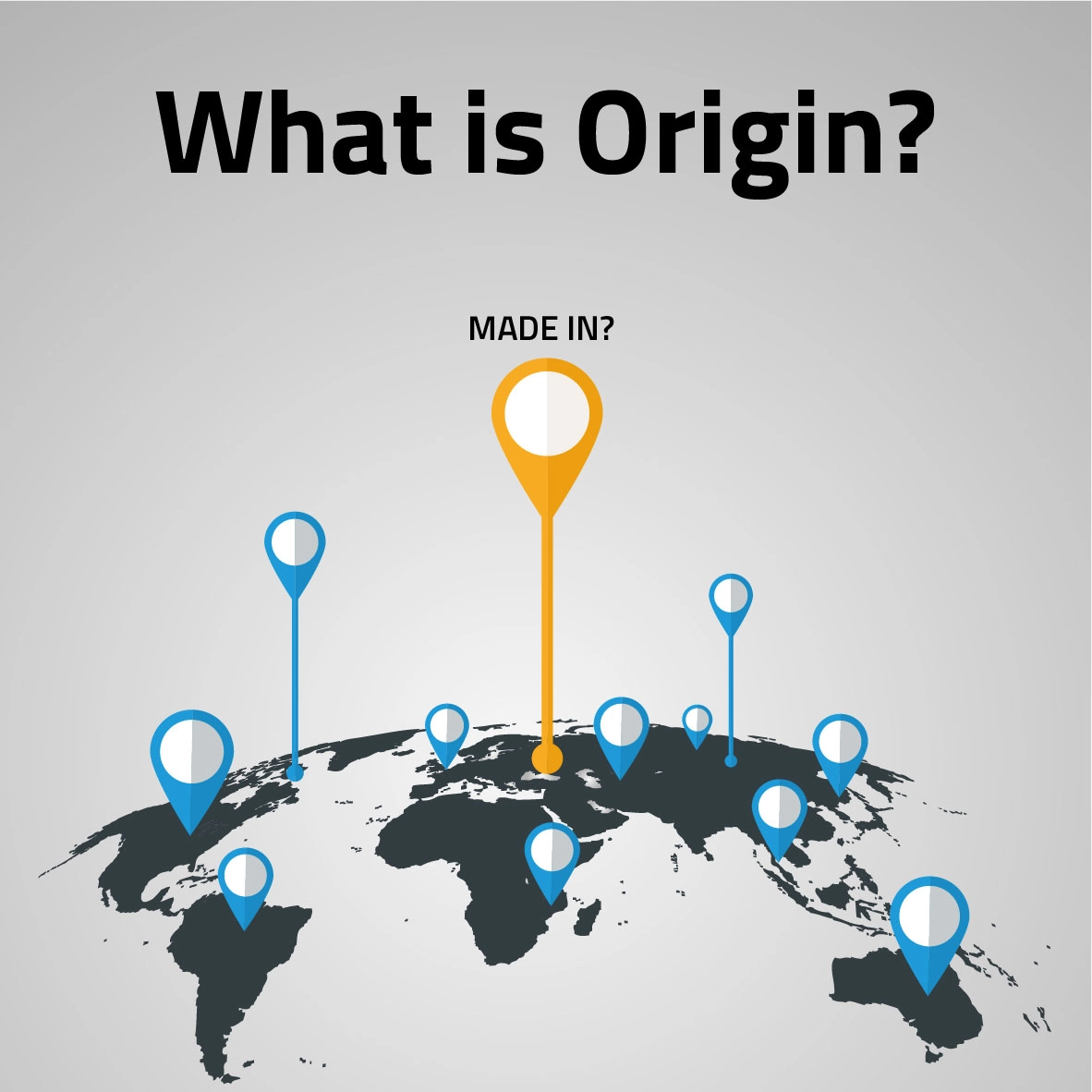
The Psychology of the Origin: Understanding the Country of Origin Effect (COE)
The Country of Origin Effect (COE) refers to the influence that the manufacturing, assembly, or design location of a product has on a consumer’s perception of that product. At its core, COE functions as a cognitive heuristic—a mental shortcut that helps consumers make quick decisions about quality and reliability without needing to research every technical specification.
Stereotypes and Consumer Perception
Consumers do not view all nations equally when it comes to production. These perceptions are often built on decades of cultural stereotypes and historical industrial performance. For example, a consumer might automatically associate German engineering with precision and durability, or French craftsmanship with elegance and luxury. When a brand identifies with a specific country, it inherits the “national brand” reputation of that country. If the reputation is positive in a specific category (e.g., Swiss watches), the brand gains immediate credibility. Conversely, if a country is associated with low-cost mass production or poor quality control, brands originating there must work twice as hard to build a premium identity.
The Halo Effect in Global Markets
The “Halo Effect” occurs when the positive reputation of a country in one industry spills over into another. This is a critical asset for brand strategy. When a brand leverages its country of origin, it isn’t just selling a product; it is selling the culture, the standards, and the perceived “DNA” of that location. This effect is so strong that it can often override other marketing variables like price. Consumers are frequently willing to pay a “provenance premium” for a product from a country with a high-reputation COO, viewing the origin as a guarantee of intrinsic value.
Leveraging Geography as a Brand Asset
For many of the world’s most successful companies, the country of origin is not a detail to be hidden in fine print, but a central pillar of their brand storytelling. By aligning a brand with the strengths of its home nation, marketers can create a sense of authenticity that is difficult for competitors to replicate.
Craftsmanship and Heritage
In the luxury and artisanal sectors, the country of origin is synonymous with heritage. Brands like Prada, Hermès, and Rolex utilize their European roots to signal a tradition of excellence that spans generations. In these cases, the “Made in Italy” or “Swiss Made” label acts as a certification of craftsmanship. The brand strategy here focuses on the idea that certain skills are geographically localized—that only certain regions possess the “soul” required to produce such goods. This creates a powerful emotional connection with consumers who value history and authenticity over mass-market convenience.
Innovation and Technological Leadership
On the opposite end of the spectrum, the country of origin can signify a brand’s position at the cutting edge of technology. “Silicon Valley” has become a brand in itself, representing a specific type of American innovation, risk-taking, and software excellence. Similarly, Japanese brands often lean into their country’s reputation for electronics and robotics to signal reliability and futuristic thinking. When a tech brand highlights its origin in an innovation hub, it signals to the market that it is part of an ecosystem of excellence, making the brand appear more advanced than a competitor from a less technologically recognized region.
Challenges and Navigating the “Made In” Paradox
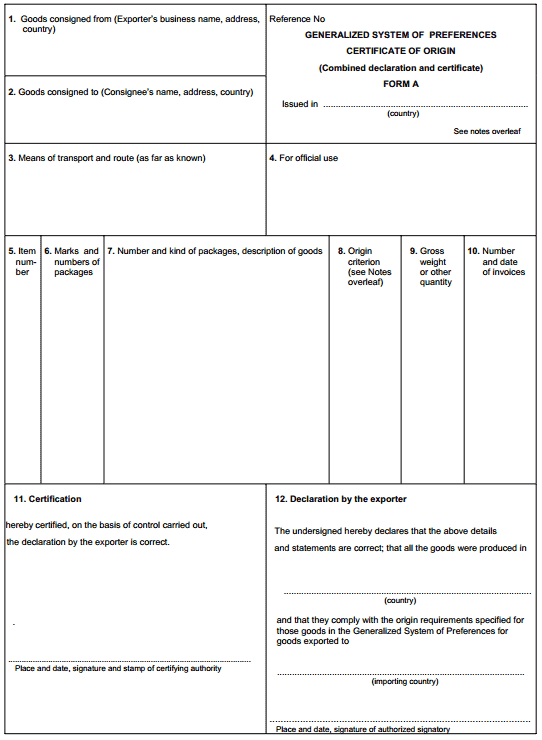
While the country of origin can be a significant asset, the modern global economy has introduced complexities that make geographic branding a double-edged sword. As supply chains become more fragmented, the definition of “origin” becomes blurred, leading to what branding experts call the “Made In” paradox.
The Rise of the Global Product
Today, a product might be designed in the United States, engineered in Germany, sourced with components from Taiwan, and assembled in Vietnam. This fragmentation poses a challenge for brand identity. How does a brand claim a country of origin when its operations are borderless?
Apple famously navigated this by utilizing the phrase “Designed by Apple in California. Assembled in China.” This strategic distinction allows Apple to retain the high-value “California” brand associations—creativity, innovation, and lifestyle—while benefiting from the logistical efficiencies of global manufacturing. For brand managers, the lesson is clear: the perceived origin (where the “heart” of the brand resides) is often more important to the consumer than the actual location of the assembly line.
Ethical Sourcing and Transparency
In the contemporary market, the country of origin is increasingly scrutinized through an ethical lens. Consumers are no longer just looking for quality; they are looking for “clean” origins. A brand’s association with a country known for poor labor practices or environmental negligence can lead to significant reputational damage. Therefore, brand strategy must now include a layer of radical transparency. It is no longer enough to state where a product is made; brands must often justify their choice of location by showcasing the ethical standards of their partner factories, turning the country of origin into a statement of corporate social responsibility.
Strategic Implementation: Building Brand Identity Through Origin
Successfully integrating the country of origin into a brand’s identity requires a nuanced approach. It is not a “one size fits all” strategy; it must be tailored to the brand’s target audience, price point, and long-term goals.
Aligning Origin with Brand Values
The most effective use of COO occurs when the national characteristics of the origin country perfectly align with the core values of the brand. If a brand’s identity is built on “ruggedness and freedom,” an American origin (specifically the American West) provides a powerful narrative backdrop. If the brand is about “minimalism and functionalism,” a Scandinavian origin (Sweden or Denmark) reinforces that message. Strategic brand builders must ask: Does our country of origin reinforce our brand promise, or does it contradict it? If there is a disconnect, the origin should be de-emphasized in favor of other brand pillars.
Rebranding and Shifting Geographic Narratives
Countries, like brands, can undergo rebranding. Over the last few decades, we have seen shifts in how certain origins are perceived. For example, South Korean brands like Samsung and Hyundai have successfully shifted the global perception of “Made in Korea” from low-cost alternatives to high-tech, premium leaders.
This demonstrates that while a brand is influenced by its country of origin, a strong brand can also influence the reputation of its country. Companies that find themselves in a region with a neutral or negative perception have the opportunity to lead a “geographic rebranding.” By consistently delivering high quality and innovative design, these brands can eventually change the narrative of their origin, turning a perceived weakness into a future competitive advantage.

Conclusion: The Evolving Meaning of Origin
In conclusion, the country of origin is a fundamental element of brand strategy that transcends simple geography. It is a repository of cultural meaning, a signal of quality, and a tool for building deep-seated consumer trust. Whether a brand chooses to lean into its heritage or navigate the complexities of a globalized supply chain, the “where” of a brand will always influence the “why” of a purchase.
As we move forward, the meaning of the country of origin will continue to evolve. Digital-native brands and the rise of the “metaverse” may challenge the importance of physical borders, but the human desire for story, authenticity, and roots remains. For the modern brand strategist, the goal is to master the narrative of origin—ensuring that the “Made in…” label is not just a regulatory requirement, but a powerful endorsement of the brand’s identity and values.
aViewFromTheCave is a participant in the Amazon Services LLC Associates Program, an affiliate advertising program designed to provide a means for sites to earn advertising fees by advertising and linking to Amazon.com. Amazon, the Amazon logo, AmazonSupply, and the AmazonSupply logo are trademarks of Amazon.com, Inc. or its affiliates. As an Amazon Associate we earn affiliate commissions from qualifying purchases.