
At its core, “what does the Constitution mean?” is a question about identity, purpose, and the foundational narrative of a collective entity. While typically approached through legal and political lenses, this profound inquiry can be uniquely illuminated by understanding the Constitution as the ultimate brand strategy for a nation. Far more than a dry legal document, a constitution – particularly one as enduring and influential as that of the United States – serves as the indelible blueprint for a nation’s character, its aspirations, its promise to its people, and its representation on the global stage. It defines the “who,” “what,” and “why” of the national entity, shaping its corporate identity and guiding its evolution.
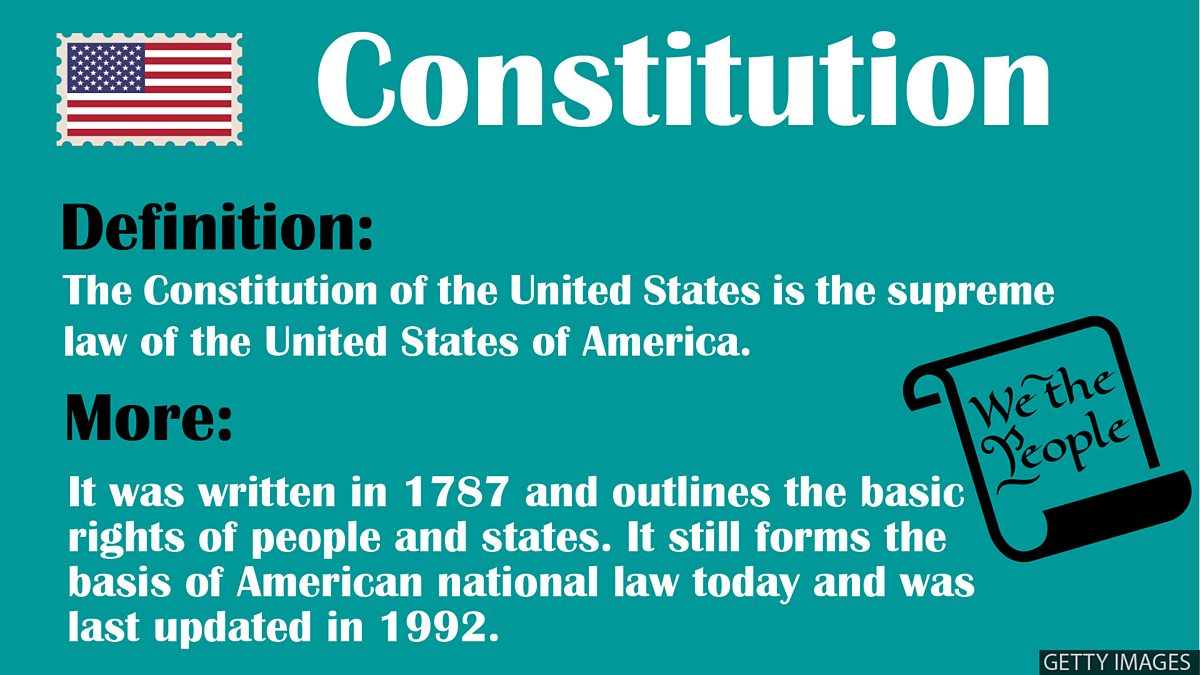
In the realm of branding, an effective brand strategy articulates core values, establishes a mission, defines a unique value proposition, and creates an architecture for its operations. The Constitution does precisely this for a country. It’s a living document that continually shapes and redefines the national brand, adapting to new challenges while striving to maintain its foundational authenticity. Understanding its meaning, therefore, is to grasp the essence of a nation’s brand, its strengths, its ongoing evolution, and the collective engagement required to sustain it.
The Constitution as a Nation’s Core Brand Strategy
Every successful brand begins with a clear strategy, articulating its fundamental purpose and how it intends to operate. The Constitution embodies this strategic foundation for a nation, setting the parameters for its identity and function.
Defining Core Values and Mission Statement
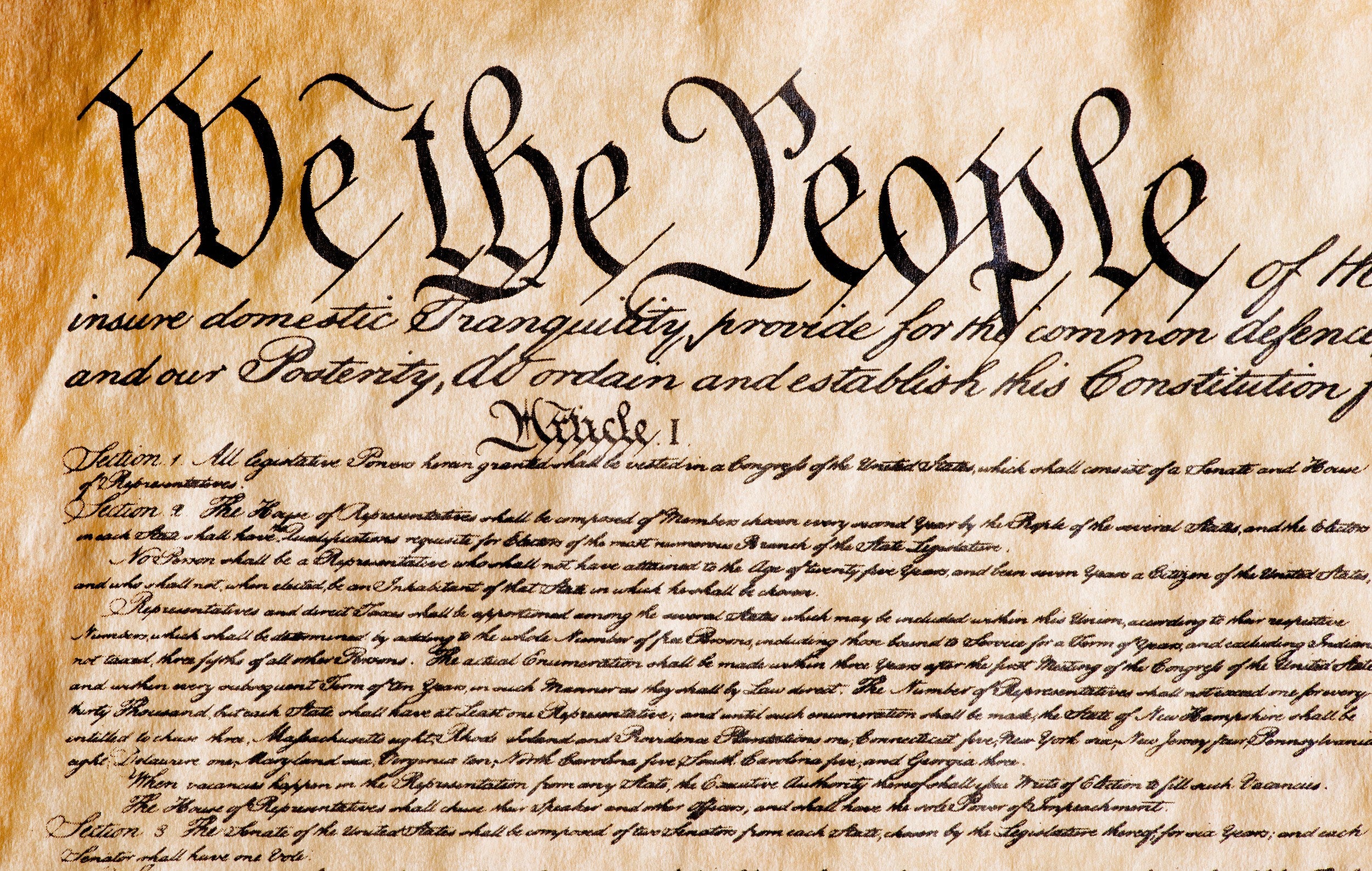
Just as a corporate brand crafts a mission statement and identifies its core values, the Preamble to the Constitution serves as the ultimate mission statement for the nation it governs. Phrases like “to form a more perfect Union, establish Justice, insure domestic Tranquility, provide for the common defence, promote the general Welfare, and secure the Blessings of Liberty to ourselves and our Posterity” are not merely rhetorical flourishes. They are the declared brand values, the aspirational pillars upon which the entire enterprise is built. They articulate the nation’s promise to its citizens and the world – a commitment to progress, fairness, security, and freedom. These values become the touchstones for all subsequent actions and interpretations, much like a brand’s guiding principles inform its marketing, product development, and customer service. They establish the foundational identity from which all other elements of the national brand derive.
Establishing Governance Structure: The Brand Architecture
Beyond abstract values, a robust brand strategy also defines its internal structure and operational framework. The Constitution’s articles meticulously lay out the architecture of government: the legislative, executive, and judicial branches. This “separation of powers” isn’t merely a political concept; it’s a sophisticated brand architecture designed to ensure resilience, accountability, and the prevention of unchecked power. Each branch represents a distinct, yet interconnected, functional unit within the national brand, with specific responsibilities and spheres of influence. Federalism, further dividing power between national and state governments, adds another layer to this intricate structure, akin to a franchise model that allows for localized adaptation while maintaining a unified core identity. This architectural clarity ensures that the brand operates effectively, with defined roles and responsibilities, contributing to its stability and perceived reliability. This structural integrity is crucial for maintaining the brand’s credibility both internally among citizens and externally among other nations.
The Promise to the “Customer” (Citizen)
A brand’s ultimate success hinges on its value proposition to its “customers.” For a constitutional brand, the “customers” are its citizens, and the value proposition is enshrined most powerfully in the Bill of Rights. These amendments guarantee fundamental liberties – freedom of speech, religion, the press, the right to due process, and protection from unreasonable search and seizure, among others. These are the explicit promises, the tangible benefits that citizens are entitled to expect from their national brand. They represent the core brand experience, fostering trust and loyalty by establishing clear boundaries for governmental power and affirming individual dignity. When these promises are upheld, the brand’s equity grows; when they are challenged or violated, the brand’s integrity is questioned, leading to potential crises of legitimacy and public perception.
Evolution of Meaning: Adapting the Brand in a Dynamic World
No brand can remain static and thrive in an ever-changing environment. The genius of a living constitution lies in its capacity for evolution, allowing the national brand to adapt while retaining its fundamental character.
Amendments as Brand Refreshments and Expansions
Amendments to the Constitution are not mere legal footnotes; they are strategic brand refreshments and expansions. Each amendment represents a deliberate decision to update, clarify, or extend the national brand’s meaning and scope. The Reconstruction Amendments (13th, 14th, 15th), for instance, dramatically redefined who qualified for full citizenship and guaranteed equal protection, fundamentally reshaping the brand’s commitment to equality and inclusion. The 19th Amendment extended suffrage to women, broadening the brand’s definition of political participation. These are conscious efforts to refine the brand’s identity, ensuring its relevance and adherence to evolving societal values. They demonstrate a capacity for self-correction and growth, crucial for any enduring brand that seeks to maintain its relevance and appeal across generations. Without this mechanism for strategic adjustment, the national brand would risk becoming obsolete or exclusionary.
Judicial Interpretation: Guardians and Interpreters of Brand Guidelines

The judiciary, particularly the Supreme Court, functions as the ultimate arbiter of the constitutional brand’s guidelines. Its role is to interpret the meaning of the Constitution in specific contexts, applying its foundational principles to new challenges and societal realities. Landmark court cases are, in essence, interpretive rulings that refine the brand’s practical application. Brown v. Board of Education redefined the brand’s stance on equality in education, while Roe v. Wade (later overturned by Dobbs v. Jackson Women’s Health Organization) profoundly altered its position on individual liberty and privacy. These interpretations are akin to a brand’s legal or creative department issuing new guidelines based on market shifts or evolving consumer understanding. They ensure that while the core document remains stable, its practical meaning can adapt, preventing the brand from becoming rigid or irrelevant. This ongoing interpretive process is a critical component of maintaining a dynamic and responsive national brand.
Public Discourse and Cultural Impact: Citizen Engagement with the Brand
The meaning of the Constitution is not solely determined by legal texts or judicial decrees; it is constantly shaped by public discourse, social movements, and cultural shifts. Debates over gun control, free speech on digital platforms, or the extent of governmental surveillance all represent ongoing conversations about what the constitutional brand means to contemporary citizens. These public dialogues are vital for citizen engagement and co-creation of the brand’s identity. They allow for a continuous feedback loop, influencing both legislative action and judicial interpretation. Social movements like the Civil Rights Movement or the women’s suffrage movement fundamentally pushed the national brand to live up to its stated ideals, demonstrating the power of grassroots engagement in shaping its meaning and evolution. This active participation by citizens ensures that the national brand remains a living, breathing entity, deeply intertwined with the aspirations and experiences of its people.
Communicating the Constitution’s Brand: Education and Engagement
Effective branding requires consistent communication and engagement to ensure its message is understood and internalized by its audience. For the constitutional brand, this involves education, storytelling, and projecting its identity globally.
Narratives and Symbols: Storytelling the National Brand
The meaning of the Constitution is often conveyed through powerful narratives and symbols that reinforce the national brand. Historical accounts, patriotic symbols (like the flag or national monuments), and civic education programs all play a role in shaping how citizens perceive and internalize the constitutional brand. Tales of the Founding Fathers, stories of struggles for civil rights, and the symbolism of institutions like the Supreme Court contribute to the overarching brand narrative. These stories are critical for building emotional connections and fostering a shared understanding of what the nation stands for. They teach the history of the brand, its challenges, and its triumphs, ensuring that the legacy and principles of the Constitution resonate across generations and continue to inform the national identity. This consistent storytelling builds brand loyalty and reinforces the collective identity.
Global Perception: The Constitution as an International Brand Asset
The Constitution not only defines a nation internally but also profoundly shapes its external image and influence. For many, the U.S. Constitution, with its emphasis on democratic governance, individual liberties, and the rule of law, has become an aspirational model, a powerful international brand asset. Its principles have inspired constitutional movements worldwide, projecting an image of stability, freedom, and democratic ideals. When the nation adheres to its constitutional principles, its international brand equity rises, enhancing its diplomatic standing and soft power. Conversely, perceived deviations or challenges to these principles can damage its global reputation, underscoring the vital link between internal fidelity to the constitutional brand and external perception. The Constitution, therefore, means not just what a nation is to itself, but also what it represents to the world.
Challenges to the Constitutional Brand: Maintaining Authenticity and Relevance
Like any brand, a constitutional brand faces perpetual challenges in maintaining its authenticity, relevance, and credibility amidst internal and external pressures.
Interpretive Divides: Brand Identity Crises
One of the most significant challenges to the constitutional brand is the existence of deep interpretive divides. Debates between originalism (interpreting the Constitution as it was understood at the time of its adoption) and living constitutionalism (interpreting it in light of modern societal values) represent fundamental disagreements over the very nature of the national brand’s identity. These divides can lead to political gridlock, social unrest, and a sense of fragmentation, akin to a brand experiencing an identity crisis where stakeholders fundamentally disagree on its core purpose or direction. Such disagreements highlight the dynamic and often contested nature of the Constitution’s meaning, demonstrating that the national brand is a site of ongoing negotiation and struggle. Resolving these interpretive divides, or at least managing them constructively, is crucial for maintaining a coherent national brand identity.
Maintaining Trust and Legitimacy: The Brand’s Credibility
Ultimately, the meaning and power of the Constitution rest on the trust and legitimacy it commands from its citizens. When constitutional processes are undermined, when institutions are perceived as biased, or when the rule of law is eroded, the credibility of the national brand suffers. This erosion of trust can manifest in civic disengagement, political polarization, and even challenges to democratic norms. Just as a commercial brand’s survival depends on consumer trust, the constitutional brand’s endurance depends on the continuous belief that its principles are being upheld and its promises are being fulfilled. Maintaining this trust requires constant vigilance, transparent governance, and a commitment by leaders and citizens alike to the foundational values articulated within the Constitution. Its meaning is therefore intimately tied to its ongoing capacity to inspire faith in its ability to deliver on its promise.
Conclusion
So, what does the Constitution mean? It means everything to the brand of a nation. It is the comprehensive brand strategy that defines its identity, articulates its values, structures its operations, and communicates its promise. Its meaning is not static; it is a dynamic, living concept continually shaped by amendments, judicial interpretations, public discourse, and the evolving aspirations of its people. Understanding the Constitution through the lens of brand identity reveals it as a foundational document that requires constant engagement, interpretation, and adaptation to maintain its authenticity, relevance, and legitimacy. It is the enduring narrative, the core identity, and the strategic blueprint that defines a nation, making its meaning a perpetual conversation about who “we the people” are, and who we aspire to be.
aViewFromTheCave is a participant in the Amazon Services LLC Associates Program, an affiliate advertising program designed to provide a means for sites to earn advertising fees by advertising and linking to Amazon.com. Amazon, the Amazon logo, AmazonSupply, and the AmazonSupply logo are trademarks of Amazon.com, Inc. or its affiliates. As an Amazon Associate we earn affiliate commissions from qualifying purchases.