
In the ever-evolving landscape of personal health management, technology has emerged as a powerful ally. Beyond fitness trackers and wearable heart monitors, innovative digital tools are now empowering individuals to gain deeper insights into their well-being, sometimes through surprisingly simple observations. One such area, often overlooked but remarkably informative, is the color of our tongue. While a quick glance in the mirror might seem rudimentary, the subtle shifts in your tongue’s hue can serve as a fascinating and accessible indicator of your internal health status, especially when analyzed through the lens of modern technology.
For centuries, traditional medicine systems have recognized the tongue as a diagnostic map, reflecting the state of various internal organs and bodily functions. Today, this ancient wisdom is being augmented and amplified by technological advancements, offering new avenues for monitoring and understanding these vital signals. This article explores what the color of your tongue can signify, and crucially, how technology can assist in deciphering these meanings, leading to more proactive and informed health choices.
The Tongue as a Biological Interface: Decoding Color Variations
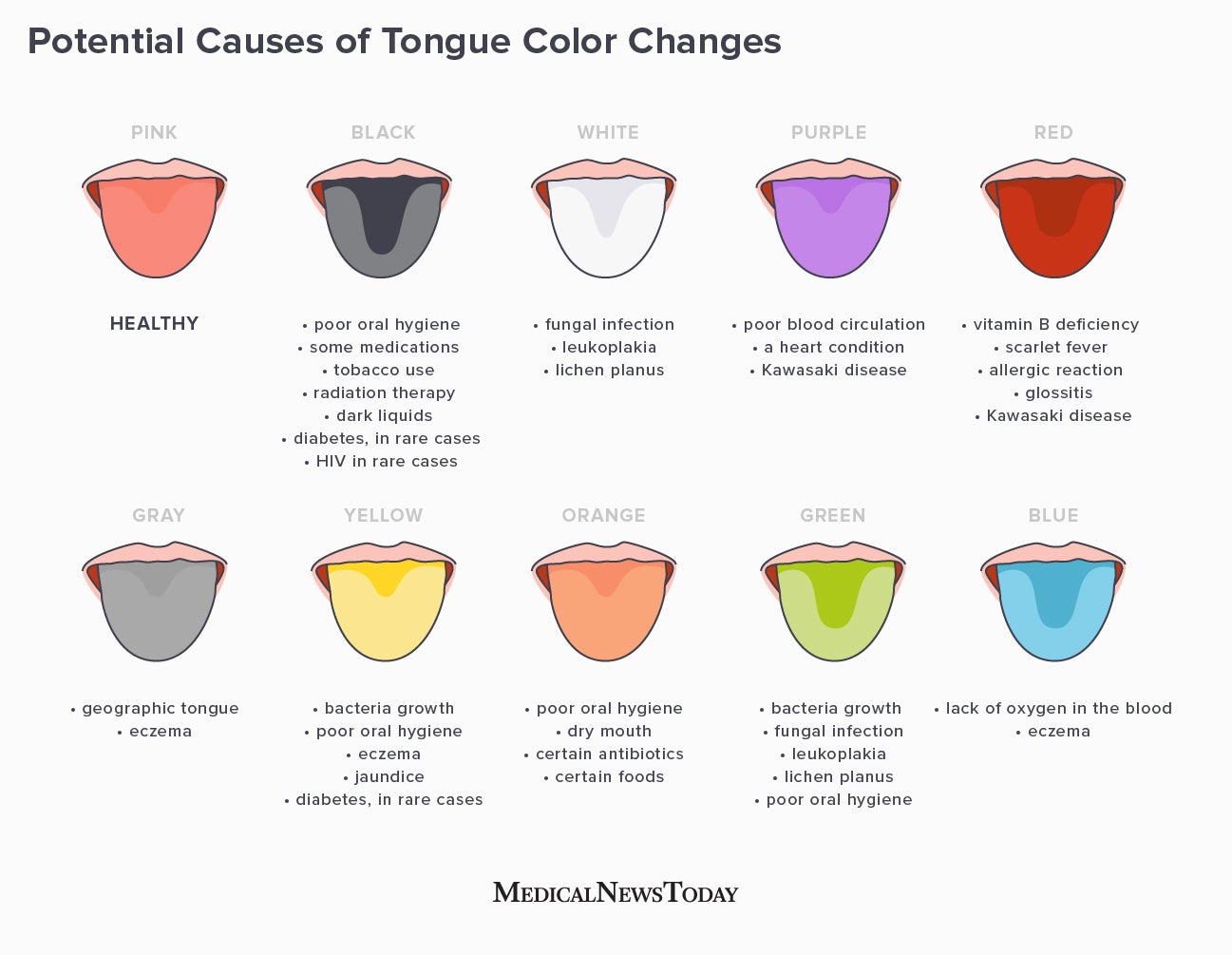
The normal, healthy tongue typically presents a pink or reddish hue. This color is a result of blood flow to the surface, muscle tissue, and a thin, whitish coating of papillae. However, deviations from this standard can signal a range of underlying conditions, from minor imbalances to more significant health concerns. Understanding these variations is the first step towards leveraging technological tools for their assessment.
Red and Bright Red Tongues: More Than Just a Healthy Glow?
A tongue that is vividly red or even scarlet can, in some instances, be a sign of robust circulation. However, an excessively bright red tongue, particularly if accompanied by a burning sensation or increased sensitivity, can indicate a deficiency in certain vitamins, most notably B vitamins like B12 and folate. These vitamins are crucial for cell regeneration and nerve function. When levels are low, the tongue can become inflamed and appear intensely red.
Beyond nutritional deficiencies, a bright red tongue can also be a symptom of infections, such as oral thrush (a fungal infection) or certain viral infections. In more serious cases, it might point towards inflammatory conditions or even an allergic reaction. The increased blood flow and inflammation manifest as a more pronounced red color.
Pale or White Tongues: A Sign of Depletion or Buildup?
A pale or white tongue is a common indicator of a weakened immune system or a buildup of dead cells and debris on the tongue’s surface. This can occur due to various reasons. A severely pale tongue, almost devoid of pink, might suggest anemia, a condition characterized by a lack of red blood cells, which are responsible for carrying oxygen throughout the body. When red blood cell count is low, the oxygenation of tissues, including the tongue, is reduced, leading to a paler appearance.
A white coating on the tongue, often described as “coated tongue,” can be caused by dehydration, poor oral hygiene, smoking, or the use of certain medications. It can also be an early sign of digestive issues, as the tongue is often considered a reflection of the gastrointestinal tract in traditional diagnostic practices. The white coating can be thicker or thinner depending on the severity of the underlying cause.
Yellow Tongues: From Bacterial Overgrowth to Systemic Issues
A yellow tongue is often one of the first visible signs of an imbalance in the body’s bacterial flora or an increased rate of cell turnover. When the papillae on the tongue’s surface become inflamed or hypertrophied, they can trap more bacteria and debris, leading to a yellow discoloration. This can be exacerbated by poor oral hygiene, dehydration, or smoking.
In some cases, a yellow tongue can signal more significant underlying health issues. For instance, it can be an early symptom of jaundice, a condition characterized by the buildup of bilirubin in the blood, often associated with liver or gallbladder problems. It can also be indicative of certain digestive disorders or fever. The yellow hue arises from the accumulation of pigments or metabolic byproducts.
Blue or Purple Tongues: A Matter of Oxygenation
A blue or purple tongue is a more serious sign and almost always indicates a problem with oxygenation in the blood. This coloration, known as cyanosis, suggests that the blood circulating to the tongue lacks sufficient oxygen. The hemoglobin in red blood cells, when not carrying enough oxygen, appears darker and can give the blood a bluish tint, which is then reflected in the tongue’s color.
This can be a symptom of severe respiratory or cardiovascular issues, such as pneumonia, chronic obstructive pulmonary disease (COPD), heart failure, or congenital heart defects. In such situations, immediate medical attention is crucial. The underlying cause needs to be identified and treated promptly to restore adequate oxygen levels to the body.
Black or Dark Tongues: A Spectrum of Causes
A black tongue, often referred to as “black hairy tongue,” is usually a benign, albeit visually alarming, condition. It occurs when the papillae on the tongue’s surface grow excessively long and become stained by bacteria, food, or tobacco. This overgrowth creates a “hairy” appearance, and the trapped substances give it a dark, often black, color. Poor oral hygiene, smoking, and the use of certain mouthwashes are common contributing factors.
However, in rarer cases, a black tongue can be a symptom of more serious conditions. Certain medications, such as those used to treat malaria or stomach ulcers, can sometimes cause a darkening of the tongue. In extremely rare instances, it might be an indicator of conditions affecting blood flow or pigment production.

Leveraging Technology for Tongue Health Monitoring
While self-observation of tongue color is a valuable starting point, modern technology offers sophisticated ways to monitor, analyze, and even proactively manage these indicators. From smartphone applications to advanced imaging, digital tools are transforming how we understand our body’s subtle cues.
AI-Powered Diagnostic Apps and Wearables: The Future of Self-Assessment
The integration of Artificial Intelligence (AI) into health applications is revolutionizing self-monitoring. Several apps are emerging that utilize smartphone cameras to analyze tongue color. By taking a standardized image under consistent lighting conditions, these apps can leverage AI algorithms trained on vast datasets to identify subtle color variations. They can then provide users with an initial assessment of potential health concerns, categorizing their tongue color and suggesting possible causes.
These AI-powered tools go beyond simple visual recognition. They can track changes over time, allowing users to monitor trends and identify recurring patterns. For instance, an app might notice a gradual shift towards a yellow hue over several days, prompting the user to consider dietary changes or consult a healthcare professional. Some advanced concepts even explore integration with wearable devices that could, in the future, continuously monitor oral micro-environments or even blood oxygen levels, providing real-time data that can be cross-referenced with tongue appearance.
Digital Imaging and Telemedicine: Enhanced Remote Consultation
For individuals who have noticed significant or persistent changes in their tongue color, digital imaging combined with telemedicine offers a powerful solution. Instead of waiting for an in-person appointment, users can take high-resolution photographs or even short videos of their tongue, ensuring accurate color representation through proper lighting. These images can then be securely shared with healthcare providers via telemedicine platforms.
This allows for remote consultations where a doctor or specialist can examine the tongue’s color and texture, ask targeted questions about accompanying symptoms, and make preliminary diagnoses or recommendations. This accessibility is particularly beneficial for individuals in remote areas, those with mobility issues, or anyone seeking a faster initial assessment. The clarity of digital images, coupled with the ability to zoom in and analyze details, can often provide more comprehensive information than a brief in-person glance.
Smart Toothbrushes and Oral Health Trackers: A Holistic Approach
The concept of oral health extends beyond just teeth and gums; the tongue plays a crucial role. The advent of smart toothbrushes and other oral health tracking devices is opening up new possibilities for comprehensive monitoring. While not directly analyzing tongue color yet, these devices collect data on brushing habits, duration, and coverage, which can indirectly correlate with tongue health.
For instance, a smart toothbrush might identify areas in the mouth that are consistently missed during brushing, which could contribute to bacterial buildup and discoloration on the tongue. Future iterations of these devices could potentially incorporate sensors capable of analyzing the oral microbiome or detecting specific biomarkers on the tongue’s surface. Integrating this data with tongue color analysis, either through manual input or future sensor technology, could provide a holistic view of oral and overall well-being.
When to Seek Professional Medical Advice
While technological tools can provide valuable insights and early warnings, they are not a substitute for professional medical evaluation. Certain tongue color changes warrant immediate attention from a healthcare provider.
Red Flags for Immediate Consultation
If you experience any of the following alongside a noticeable change in your tongue color, it is imperative to seek medical attention promptly:
- Sudden and severe pain: Especially if accompanied by swelling or difficulty swallowing.
- Fever: A persistent fever can indicate an underlying infection that needs diagnosis.
- Difficulty breathing or speaking: A blue or purple tongue coupled with these symptoms is a medical emergency.
- Unexplained weight loss or fatigue: These can be indicators of more systemic health issues.
- Persistent bleeding or sores: Any non-healing lesions on the tongue should be examined by a doctor.

Integrating Digital Insights with Traditional Healthcare
The true power of technology lies in its ability to augment, not replace, traditional healthcare. When using AI apps or telemedicine services, it is essential to share the data and your observations with your primary care physician or a relevant specialist.
These digital insights can provide your doctor with a more detailed picture of your health between appointments. For example, if an app has been consistently flagging your tongue as unusually pale, this information can prompt your doctor to order blood tests for anemia during your next visit. Similarly, if telemedicine has suggested a potential oral thrush infection based on an image, your doctor can then confirm the diagnosis and prescribe appropriate treatment more efficiently.
By embracing these technological advancements and combining them with diligent self-care and professional medical guidance, you can harness the humble tongue as a powerful, albeit often overlooked, indicator of your overall health and well-being in the digital age.
aViewFromTheCave is a participant in the Amazon Services LLC Associates Program, an affiliate advertising program designed to provide a means for sites to earn advertising fees by advertising and linking to Amazon.com. Amazon, the Amazon logo, AmazonSupply, and the AmazonSupply logo are trademarks of Amazon.com, Inc. or its affiliates. As an Amazon Associate we earn affiliate commissions from qualifying purchases.