
The intersection of sensory perception and brand identity is a landscape that many designers and marketers intuitively navigate but rarely articulate with precision. When we ask, “What does the color blue taste like?”, we aren’t probing for a literal culinary description. Instead, we are exploring the psychological phenomenon known as synesthesia—the involuntary association of one sense with another—and how brands leverage this subconscious “flavor profile” to build trust, authority, and market share.
In the world of corporate identity, color is not merely aesthetic; it is a communication tool that functions as a flavor palate for the consumer’s brain. Understanding why blue is consistently associated with specific sensory experiences is the key to mastering high-impact brand strategy.

The Psychological Flavor of Cobalt and Navy
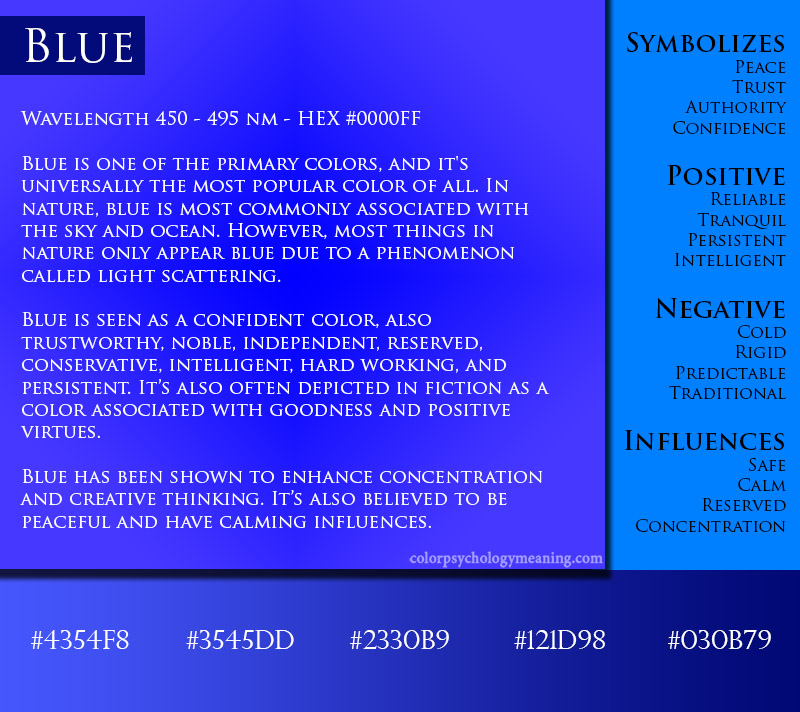
Blue occupies a unique space in the human spectrum. In nature, true blue is rare, often associated with the sky, the depths of the ocean, or the clarity of glacial water. Because of this, our brains have evolved to equate blue with stability, hydration, and, crucially, a lack of immediate danger. When we discuss the “taste” of blue in a marketing context, we are speaking about its capacity to signal reliability.
The Refreshment Hypothesis
The most common “taste” associated with blue is that of cool, crisp refreshment. Think of the beverage aisle: high-end bottled water brands almost exclusively utilize blue in their packaging. We associate the color with the physical sensation of quenching thirst. This is a learned heuristic; we recognize the cool temperature of water and the soothing nature of a clear sky, and we map those attributes onto a brand.
When a brand adopts blue, they are implicitly promising a “refreshing” experience. This is why financial institutions and tech giants choose blue; they aren’t selling a beverage, but they are selling the “cool,” calm, and collected handling of your assets or data. The “taste” here is one of cold professionalism.
The Absence of Toxicity
Evolutionarily, many vibrant colors in nature—such as bright yellows, reds, and purples—often serve as warning signs for bitterness or toxicity in plants and animals. Blue, however, is rarely a warning color in the natural food chain. Consequently, it is perceived as safe and neutral. From a branding perspective, this means that blue creates the lowest “friction” for a consumer. It is a flavor that is easy to digest. It does not challenge the palate; it reassures the consumer that the brand is dependable, predictable, and devoid of hidden risks.
Strategic Design: Aligning Color with Brand Identity
Effective brand strategy relies on the alignment of visual assets with the intended customer experience. If a brand seeks to establish itself as a market leader in fintech or B2B software, blue is the primary tool used to communicate “trustworthiness.” However, simply slapping a blue logo on a website is insufficient if the accompanying design language doesn’t support that flavor profile.
The Hierarchy of Hues
Not all blues are created equal. The “taste” of a brand changes significantly based on the saturation and shade of the blue selected:

- Electric/Neon Blue: This carries the taste of high-energy, speed, and innovation. It is sharp, punchy, and modern. It feels like an energy drink—bold and slightly acidic in its visual presentation.
- Navy/Midnight Blue: This is the taste of “aged” wisdom. It is heavy, structured, and traditional. It signals corporate permanence and the gravity of a long-standing institution.
- Sky/Powder Blue: This feels light, accessible, and friendly. It is the palate-cleanser of brand design, often used by SaaS companies that want to position themselves as user-friendly and approachable rather than intimidating.
By selecting the correct shade, a brand can manipulate the consumer’s perception of the product’s “flavor.” A CRM software platform will choose a professional navy to suggest, “We are the backbone of your business,” whereas a consumer-facing app will use a sky blue to suggest, “We are an easy, breezy part of your daily routine.”
The “Salty” vs. “Sweet” Corporate Identity
In design strategy, we often categorize brands by their “vibrancy.” A brand that is “sweet” usually leans toward warmer colors—pinks, oranges, and soft reds—which appeal to impulse, desire, and immediate gratification. Blue is distinctly “salty” or “umami” in the design sense. It is grounding. When a company experiences a brand crisis, the first step in a rebrand is almost always a shift toward a cooler, more blue-centric palette. This is a deliberate attempt to wash away the “heat” of controversy and return to a flavor profile of stability.
The Role of Synesthesia in Digital Marketing
In the digital era, the “taste” of a color has moved beyond print media and into User Experience (UX) design. Interfaces are environments, and the user “consumes” the environment as they navigate through menus and data.
Navigating the Digital Interface
When a user opens a dashboard that is dominated by a calming blue, they are being told, “You are in a safe, controlled space.” If the interface were instead drenched in aggressive, acidic yellow, the user would subconsciously feel a sense of urgency or alarm.
The color blue acts as a cognitive stabilizer. It helps the user process information by reducing the “sensory noise” of the screen. In this sense, the “taste” of the interface is one of clarity. This is why the most successful tech platforms in the world—from project management software to investment apps—utilize deep, oceanic blues. They are creating a sensory environment where the user can focus, process complex information, and make high-stakes decisions without feeling the “bitter” tang of stress or anxiety.
Consistency as a Palate
The greatest challenge for any brand is maintaining this sensory consistency. If a company builds its reputation on a cool, professional blue, but then pivots its marketing to aggressive, loud, or chaotic imagery, the brand suffers from “sensory dissonance.” Much like drinking orange juice immediately after brushing your teeth, the clash between the expected experience and the actual experience creates a negative feedback loop in the consumer’s brain.
To maintain a strong brand, the “taste” of the color must permeate every touchpoint. The customer service emails should feel as calm as the website; the social media advertisements should reflect the same professional, cool-headed stability of the product itself. When a company achieves this, the color blue stops being just a choice of paint and becomes a fundamental component of the brand’s taste, permanently etched into the consumer’s mind.
Conclusion: The Perpetual Aftertaste of Trust
Ultimately, the question of what blue tastes like is a question of human psychology applied to commercial strategy. We choose blue not because it is the most exciting color, but because it is the most reliable. We rely on it to provide a sense of order in an increasingly chaotic marketplace.
For brand strategists and designers, the lesson is clear: color is a silent language that dictates the appetite of your consumer. By understanding that blue signifies safety, professional distance, and calm efficiency, you can tailor your brand to satisfy the specific needs of your market. You are not just presenting a logo; you are serving a sensory experience. And in an economy driven by attention and trust, the “taste” of reliability is the most valuable commodity a brand can offer. When you master the palette, you master the perception—and by extension, the loyalty—of your customers.
aViewFromTheCave is a participant in the Amazon Services LLC Associates Program, an affiliate advertising program designed to provide a means for sites to earn advertising fees by advertising and linking to Amazon.com. Amazon, the Amazon logo, AmazonSupply, and the AmazonSupply logo are trademarks of Amazon.com, Inc. or its affiliates. As an Amazon Associate we earn affiliate commissions from qualifying purchases.