
The Christmas wreath is a fixture of holiday tradition, an iconic circle of evergreen foliage that appears on front doors across the globe every December. While often viewed simply as a decorative element—a touch of seasonal cheer to welcome visitors—the wreath carries deep-seated symbolic resonance. From a branding perspective, the wreath serves as a masterclass in visual communication. It is a symbol that has transcended its origins, evolving into a universally recognized brand asset for the holiday season itself. To understand the power of the wreath is to understand the fundamentals of visual storytelling, emotional connectivity, and the enduring strength of consistent symbolic identity.
The Geometry of Connection: Branding and the Circular Form
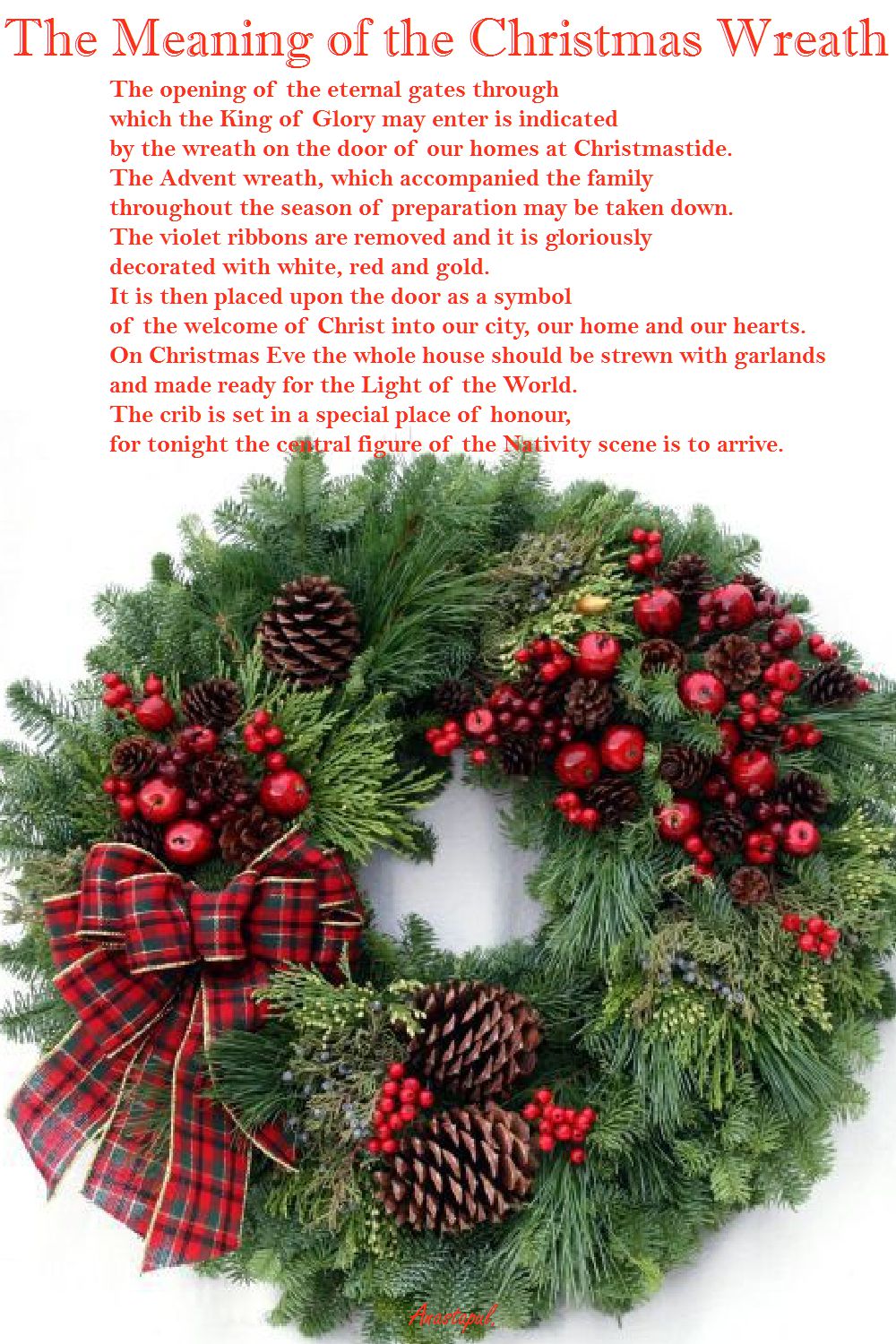
At the heart of the wreath’s enduring appeal is its shape. In the field of graphic design and brand identity, the circle is arguably the most potent geometric form. It possesses no beginning and no end, representing infinity, eternity, and wholeness. When a brand utilizes circular motifs, it signals inclusivity, community, and a seamless consumer experience. The Christmas wreath leverages this subconscious psychological trigger to great effect.
Unity and Inclusivity
The circular form of the wreath acts as a visual anchor for the home. It suggests that the household inside is united, welcoming, and complete. In branding, this equates to the “community effect.” Just as a brand like Apple or Nike uses simplified, recognizable icons to foster a sense of belonging among its users, the wreath functions as an industry-standard “logo” for the home during the winter months. It signals to the outside world that the occupants are participants in a shared cultural narrative.
The Psychology of Completion
From a design standpoint, the wreath is a closed loop. In consumer behavior studies, circular logos are often perceived as friendlier and more reliable than sharp-angled counterparts. The wreath offers a sense of psychological closure; it resolves the transition between the old year and the new, providing a balanced, harmonious aesthetic that stands in stark contrast to the chaotic, often high-stress nature of holiday shopping and preparation. By hanging a wreath, a homeowner is essentially “branding” their space with a mark of order, tradition, and stability.
Evergreen as a Brand Standard: The Symbolism of Sustainability
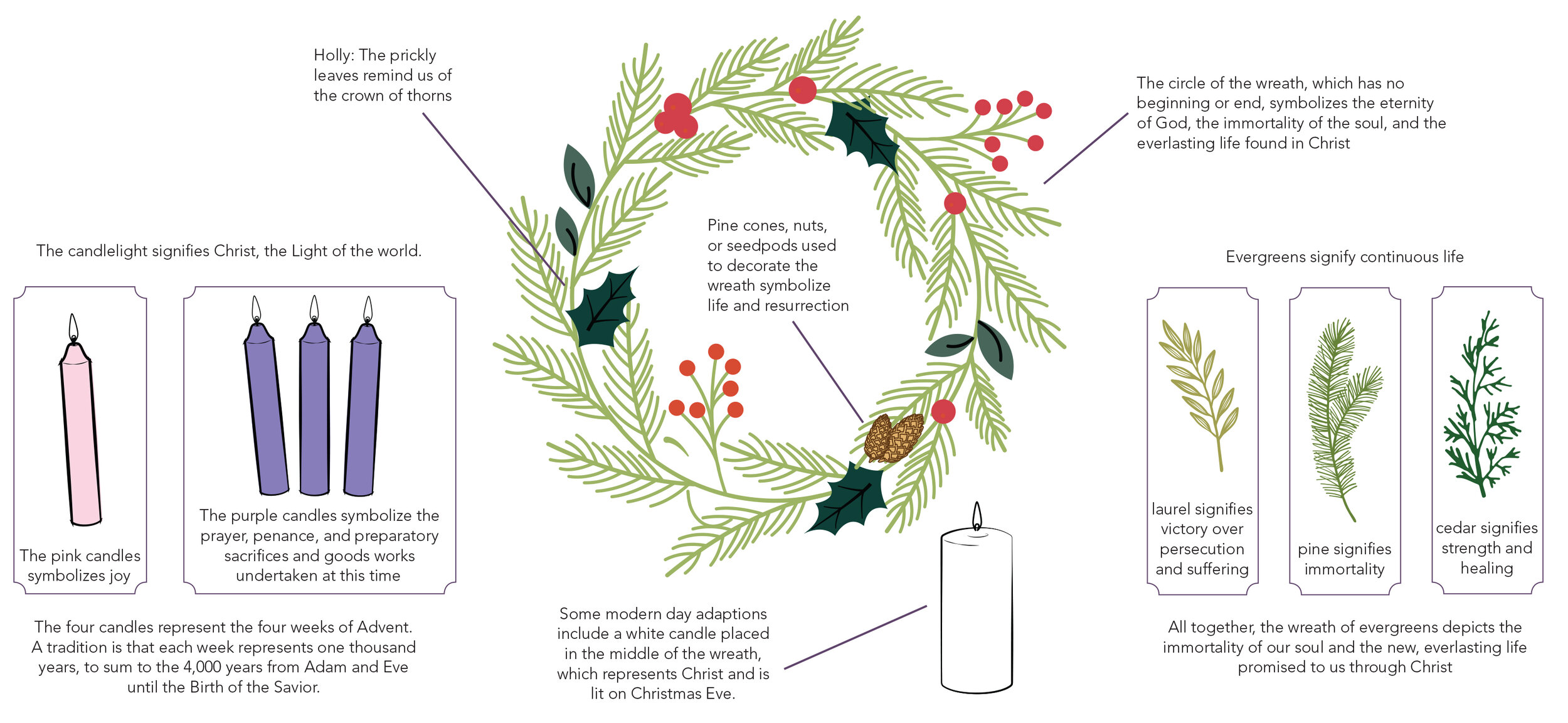
The choice of materials in a traditional wreath—typically holly, ivy, fir, or pine—is not accidental. These are evergreen plants, capable of maintaining their vibrancy and structural integrity throughout the harshest winter months. In the context of business and brand strategy, the evergreen represents longevity, endurance, and resilience.
Continuity in a Changing Market
Successful brands are defined by their ability to remain relevant despite shifting market conditions. The evergreen wreath embodies this concept of “brand continuity.” Even when the landscape is barren and cold, the wreath retains its color and shape. For a brand, this is the ultimate goal: to be an evergreen presence in the lives of consumers, regardless of economic cycles or changing trends. The wreath serves as a reminder that values and heritage should be preserved, even when the external environment becomes challenging.
The Value of Authenticity
In an era of digital artifice, the “authentic” aesthetic of the natural wreath carries significant weight. Modern consumers are increasingly drawn to brands that emphasize natural, sustainable, and handcrafted goods. The traditional wreath, constructed from raw, organic materials, taps into this desire for authentic connection. It is not manufactured in a factory to look perfect; it possesses the unique imperfections of nature. Brands that adopt this “wreath philosophy”—prioritizing organic growth, sustainability, and authentic material usage—often find higher levels of consumer loyalty. The wreath is a prime example of how traditional, low-tech materials can outperform high-tech alternatives in creating an emotional connection.
The Wreath as a Visual Identity: Establishing Seasonal Authority
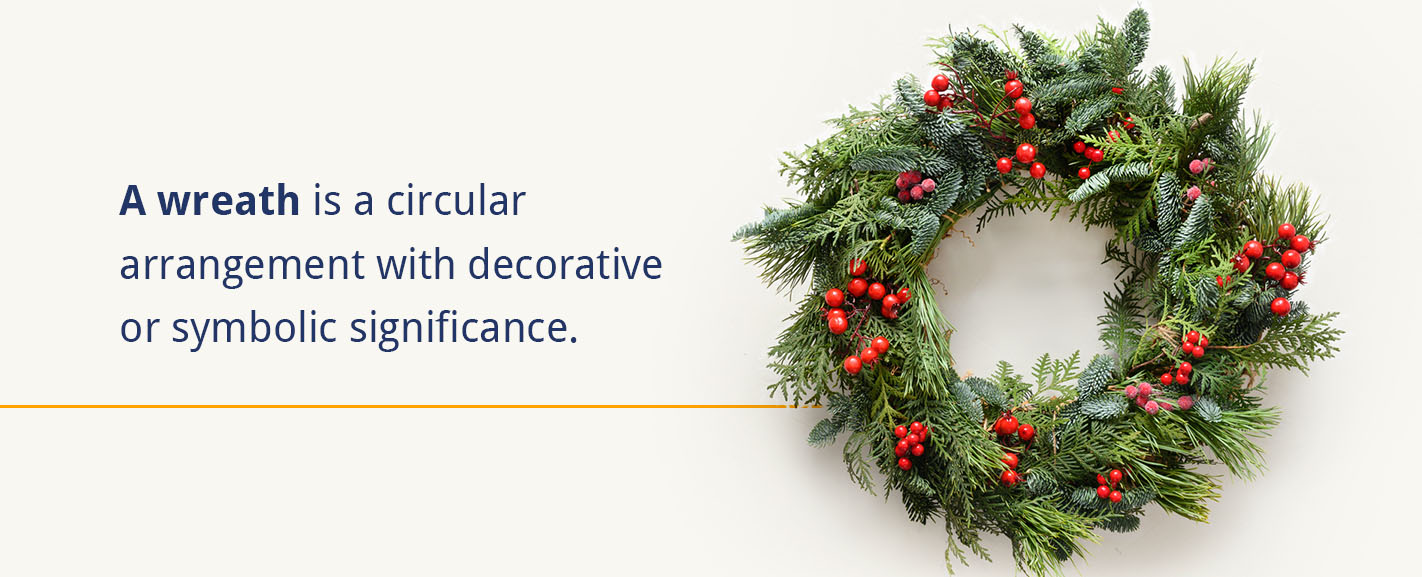
Every brand strategy relies on the establishment of a visual identity that is instantly recognizable. A brand’s logo, color palette, and iconography are designed to spark an immediate association in the mind of the customer. The Christmas wreath acts as a seasonal “corporate identity” for the home, establishing a specific tone, atmosphere, and expectation before a guest even crosses the threshold.
Setting the Tone and Expectations
When a brand launches a holiday campaign, it often incorporates the imagery of the wreath to signal that the business is “in-season.” This is an exercise in visual branding. By using the wreath, the brand immediately inherits the history, positive connotations, and warm reception associated with the tradition. It is a shortcut to consumer trust. By merely displaying the symbol, the brand tells the customer, “We share your values, we participate in your traditions, and we are prepared for this specific time of year.”
The Power of Repetition
One of the core tenets of brand strategy is consistency through repetition. The wreath is successful because it is ubiquitous. It appears in the same place—on the front door—at the same time—late November through December—year after year. This repetition builds a strong neural pathway. Much like the Golden Arches of McDonald’s or the swoosh of Nike, the wreath has reached a point of saturation where it requires no explanation. Its presence is its message. For marketers, the wreath represents the gold standard of symbolic recognition: a visual cue that conveys an entire philosophy of hospitality and celebration without needing a single word of copy.
Strategic Symbolism: What Businesses Can Learn from the Wreath
If we analyze the wreath through a business lens, it reveals several critical lessons for building an enduring, beloved brand. The wreath is not merely a piece of decor; it is an artifact of successful symbolic management.
The Role of Tradition in Brand Loyalty
Brands that survive for decades or centuries often do so by anchoring themselves in tradition while allowing for minor, contemporary updates. The wreath has evolved—now appearing in minimalist, metallic, or avant-garde forms—but its core shape and function remain unchanged. This teaches us that a brand can innovate its aesthetic while maintaining its foundational purpose. To build lasting brand loyalty, companies must identify their “evergreen” values—the elements of their identity that will never go out of style—and protect them fiercely.
Inviting the Consumer into the Narrative
The most effective branding does not talk at the consumer; it invites them into the story. The wreath serves as an invitation. It marks the boundary between the public world and the private, sacred space of the home. Businesses that successfully use their brand assets as an invitation—creating a sense of belonging and exclusivity—are those that thrive. When a brand treats its customers as invited guests rather than passive targets, it fosters a relationship based on respect and shared experience.
Mastering Visual Minimalism
Finally, the wreath proves that simplicity is the ultimate sophistication. It does not require complex animation, loud messaging, or expensive technology to be effective. It is a simple, elegant solution to the need for seasonal identity. In a crowded digital marketplace, where brands are constantly shouting over one another, the power of a single, meaningful symbol cannot be overstated. A clean, recognizable, and deeply symbolic identity will always cut through the noise more effectively than a cluttered, over-engineered message.
Ultimately, the Christmas wreath remains a powerful symbol because it successfully bridges the gap between the ancient and the modern. It speaks to our human desire for unity, our need for natural continuity, and our love of tradition. By understanding how the wreath operates—not just as a holiday decoration, but as a masterpiece of visual communication—brands can learn how to craft identities that are not only seen but felt, understood, and cherished for generations. Whether it is a literal circle of pine or a metaphorical brand asset, the wreath reminds us that when you create something that truly resonates with the human experience, you create something that will never go out of style.
aViewFromTheCave is a participant in the Amazon Services LLC Associates Program, an affiliate advertising program designed to provide a means for sites to earn advertising fees by advertising and linking to Amazon.com. Amazon, the Amazon logo, AmazonSupply, and the AmazonSupply logo are trademarks of Amazon.com, Inc. or its affiliates. As an Amazon Associate we earn affiliate commissions from qualifying purchases.