
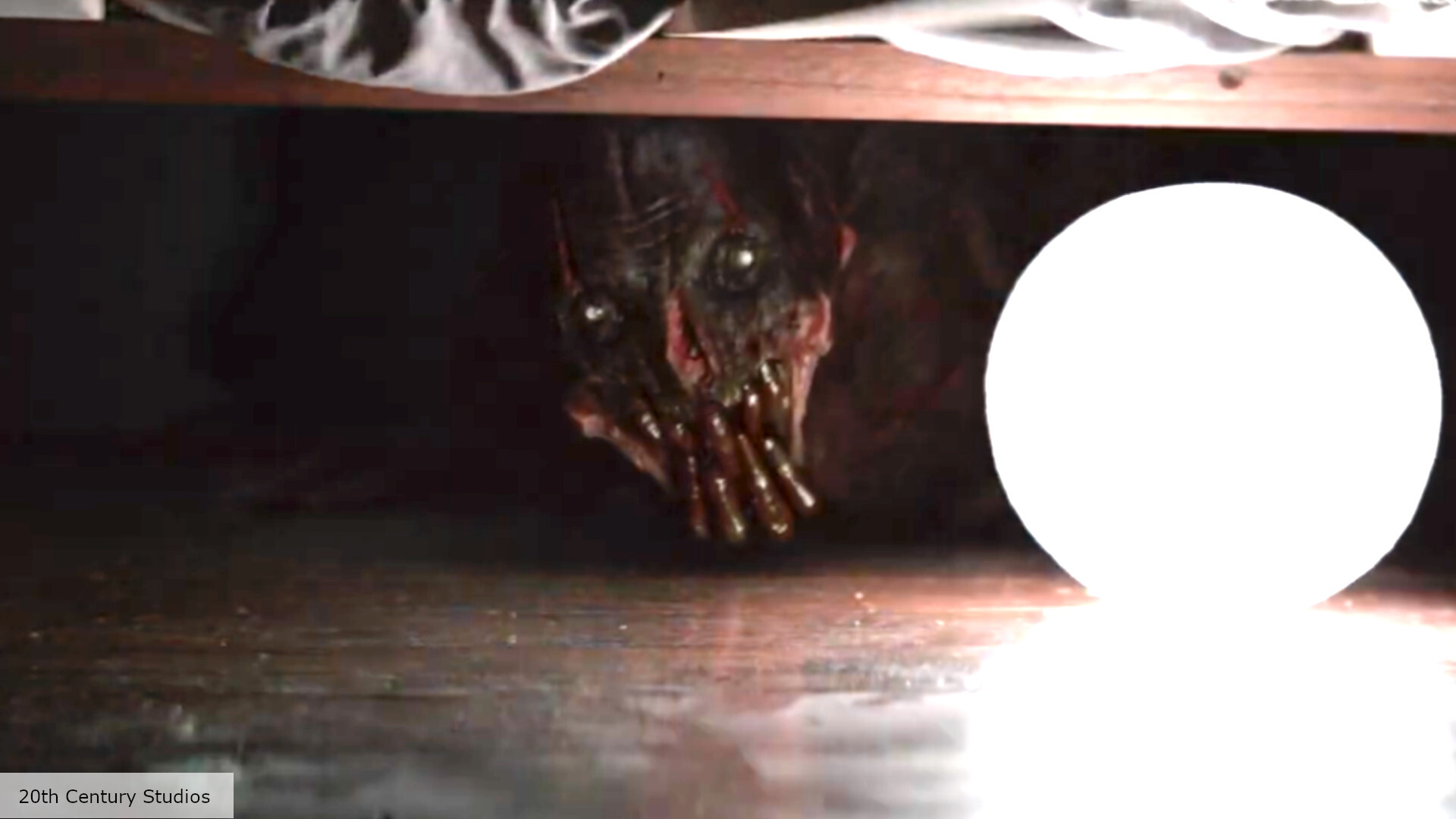
In the folklore of our childhood, the boogeyman was a shapeless entity, a shadow in the corner of the room or a creak under the bed. He represented the unknown, the lurking danger that thrived in the absence of light. In the modern era, our collective fears have migrated from the physical shadows to the digital ones. We no longer check under our beds; we check our server logs, our firewall alerts, and our encrypted databases.
In the world of technology and digital security, the question “What does the boogeyman look like?” has a complex answer. The modern digital boogeyman isn’t a monster; it is a sophisticated blend of malicious code, social engineering, and state-sponsored persistence. To protect our digital lives, we must first learn to recognize the faces of these threats, understand their habitats, and implement the technological light necessary to banish them.
The Evolution of the Digital Shadow: From Pranks to Predation
To understand the current state of digital threats, one must look at how the “boogeyman” has evolved. In the early days of computing, digital threats were often the work of hobbyists—”script kiddies” looking to prove their prowess or cause minor disruptions. These early viruses were the digital equivalent of a prank. However, as our lives and economies moved online, the nature of the threat shifted from mischief to professionalized predation.
From Script Kiddies to State-Sponsored Actors
The face of the boogeyman has changed from a bored teenager in a basement to highly organized criminal syndicates and sophisticated state-sponsored groups. Organizations like APT28 (Fancy Bear) or the Lazarus Group operate with the efficiency of a Fortune 500 company. They have HR departments, help desks for their ransomware victims, and R&D budgets that rival mid-sized tech firms. This professionalization means that the threats we face are no longer random; they are targeted, persistent, and resource-heavy.
The Psychology of the Unseen Threat
The digital boogeyman leverages the “black box” nature of technology. Most users understand the interface of their devices but have little grasp of the underlying architecture. Cyber adversaries exploit this gap. They hide in the “white noise” of network traffic, utilizing encrypted channels to mask their movements. The fear they instill is rooted in the invisibility of their attacks; often, a victim does not know they have been compromised until the “monster” decides to reveal itself, usually through a ransom note or a drained account.
The Faces of the Modern Boogeyman
If we were to draw a portrait of today’s digital threats, it would not be a single image but a collage of different tactics and technologies. These are the specific entities that haunt the modern enterprise and the individual user alike.
Ransomware: The Digital Extortionist
Ransomware is perhaps the most recognizable face of the digital boogeyman today. It is a specific type of malware designed to deny access to a computer system or data until a ransom is paid. Modern iterations, such as “Ransomware-as-a-Service” (RaaS), have lowered the barrier to entry for criminals. The boogeyman here looks like a sudden lockout screen, followed by a demand for cryptocurrency. The sophistication lies in the encryption—mathematically impossible to break without the key, turning a company’s own data against it.
Social Engineering: The Wolf in Sheep’s Clothing
Often, the boogeyman doesn’t break in; he is invited in. Social engineering is the art of manipulating people into divulging confidential information. This can take the form of highly personalized “spear-phishing” emails that look exactly like a message from a CEO or a trusted vendor. With the advent of Generative AI, this boogeyman has become a shapeshifter. Deepfake audio and video can now mimic the voice and face of a loved one or a business partner, making the “unseen threat” look and sound exactly like someone you trust.
AI-Driven Attacks: The Automated Predator
The newest face in the rogue’s gallery is Artificial Intelligence itself. Malicious actors are now using machine learning to automate the discovery of software vulnerabilities. AI can scan millions of lines of code in seconds to find a “zero-day” exploit. It can also be used to create polymorphic malware—code that changes its own signature every time it replicates to evade traditional antivirus software. This boogeyman is faster, smarter, and more tireless than any human attacker.

Dark Webs and Hidden Corners: Where the Boogeyman Lives
The “under the bed” of the digital world is the Dark Web, a subset of the internet that requires specific software (like Tor) to access. It is an anonymized space where the traditional rules of the internet do not apply, providing a safe haven for the development and sale of malicious tools.
The Dark Web Ecosystem
The Dark Web is the marketplace for the digital boogeyman. Here, one can buy stolen credit card numbers, leaked passwords, and custom-built malware. It is a service-oriented economy. If a criminal wants to launch a Distributed Denial of Service (DDoS) attack but lacks the technical skill, they can simply rent a “botnet” for a few hundred dollars. This accessibility means the boogeyman is no longer a lone wolf; he is part of a global, interconnected ecosystem of illicit commerce.
Data Breaches: The Modern “Under the Bed”
A data breach is the moment the boogeyman leaves the shadows and enters the home. When a major corporation suffers a breach, the personal data of millions—names, addresses, social security numbers—is exfiltrated. This data often ends up in “dumps” on the Dark Web. For the average user, the boogeyman looks like a notification that their “identity has been compromised.” It is a haunting reality where your own personal information is used by strangers to open lines of credit or bypass security questions.
Shedding Light on the Shadows: Modern Defense Strategies
To fight the boogeyman, we must change the environment in which he thrives. In technology, this means moving away from reactive security (waiting for a knock on the door) to proactive, structural defense.
Zero Trust Architecture: “Never Trust, Always Verify”
The traditional security model was like a castle—hard on the outside, soft on the inside. Once the boogeyman crossed the moat, he had free rein. The modern tech trend is “Zero Trust.” This architecture assumes that the boogeyman is already inside the network. Under Zero Trust, every user, device, and application must be continuously authenticated and authorized. It is the digital equivalent of keeping every door inside the house locked, even if the front door is shut.
Proactive Threat Hunting and AI Defense
As attackers use AI, defenders must do the same. Modern digital security relies on Managed Detection and Response (MDR) and AI-driven analytics. These systems monitor network behavior in real-time, looking for “indicators of compromise” (IoCs). If a user typically logs in from New York at 9:00 AM but suddenly attempts a massive data transfer from an IP address in Eastern Europe at 3:00 AM, the AI flags it instantly. This is the “motion sensor” of the digital age, catching the boogeyman before he can strike.
The Role of Human Vigilance and MFA
While high-tech tools are essential, the simplest defenses are often the most effective. Multi-Factor Authentication (MFA) is perhaps the most significant deterrent to the modern boogeyman. Even if an attacker steals a password (the “key” to the house), MFA acts as a second, independent lock that requires a physical device or a biometric scan to open. Education and a “security-first” culture turn every employee and user into a guardian, making it much harder for social engineers to find a way in.

Conclusion: Facing the Fear with Knowledge
The boogeyman of the digital age is real, but he is not invincible. He thrives on obscurity, technical complexity, and human error. By unmasking these threats—understanding that they are not supernatural forces but calculated technological attacks—we take away their greatest weapon: the element of surprise.
In the realm of tech and digital security, “what the boogeyman looks like” is a constantly shifting target. Today, he might look like an encrypted file or a spoofed email; tomorrow, he might look like a rogue AI script. However, the solution remains constant. Through the implementation of Zero Trust architectures, the adoption of AI-driven defense, and a commitment to digital literacy, we can turn the lights on in the digital room. The boogeyman only has power as long as we remain in the dark. With the right technology and a vigilant mindset, we can ensure that the shadows remain just that—shadows.
aViewFromTheCave is a participant in the Amazon Services LLC Associates Program, an affiliate advertising program designed to provide a means for sites to earn advertising fees by advertising and linking to Amazon.com. Amazon, the Amazon logo, AmazonSupply, and the AmazonSupply logo are trademarks of Amazon.com, Inc. or its affiliates. As an Amazon Associate we earn affiliate commissions from qualifying purchases.