
In the realm of global iconography, few visual assets are as instantly recognizable or as emotionally resonant as the American flag. While many view the “Stars and Stripes” purely through a historical or patriotic lens, a brand strategist sees it as one of the most successful examples of visual identity and corporate-style standardization in human history. To understand what the blue represents on the American flag is to delve into a masterclass in brand values, color psychology, and the strategic establishment of a long-term legacy.

In branding, every element—color, shape, and placement—must serve a narrative purpose. The blue field of the American flag, technically known as the “Union,” is no exception. It serves as the foundation for the stars, but more importantly, it serves as the psychological anchor for the entire brand identity of the United States.
The Architecture of National Identity: Why Color Choice Matters in Branding
When a brand chooses its color palette, it is communicating a set of subconscious promises to its audience. In the context of the American flag, the selection of blue was not merely an aesthetic preference; it was a strategic decision meant to differentiate the new nation from its competitors and establish a unique market position in the global geopolitical landscape of the 18th century.
The Psychology of Blue: Trust, Stability, and Authority
In modern brand strategy, blue is the most widely used color for corporate identities, particularly in the financial, tech, and legal sectors. This is because blue is universally associated with the sky and the sea—elements that are constant, vast, and dependable. When a brand adopts blue, it is signaling stability and trustworthiness.
For the American brand, the blue “Union” was designed to project a sense of permanence. While the red represents energy and the white represents purity, the blue provides the necessary gravity to balance the design. It tells the world that the entity it represents is not a fleeting movement, but a stable, authoritative institution. This is the same reason why brands like IBM, Chase, and American Express utilize deep blues; they want to evoke a sense of “established” authority that survives market volatility.
How Visual Cues Establish Legacy
A successful brand identity must be able to scale and evolve without losing its core essence. The blue section of the American flag has remained the most consistent element of the design even as the “product” (the number of states) grew from 13 to 50. In branding, this is known as a “fixed asset.” By keeping the blue field constant, the United States maintained brand recognition throughout its expansion. This consistency builds equity, ensuring that the audience—whether domestic or international—perceives a continuous lineage of values regardless of the flag’s specific iteration.
Decoding the Blue Field: Vigilance, Perseverance, and Justice as Brand Values
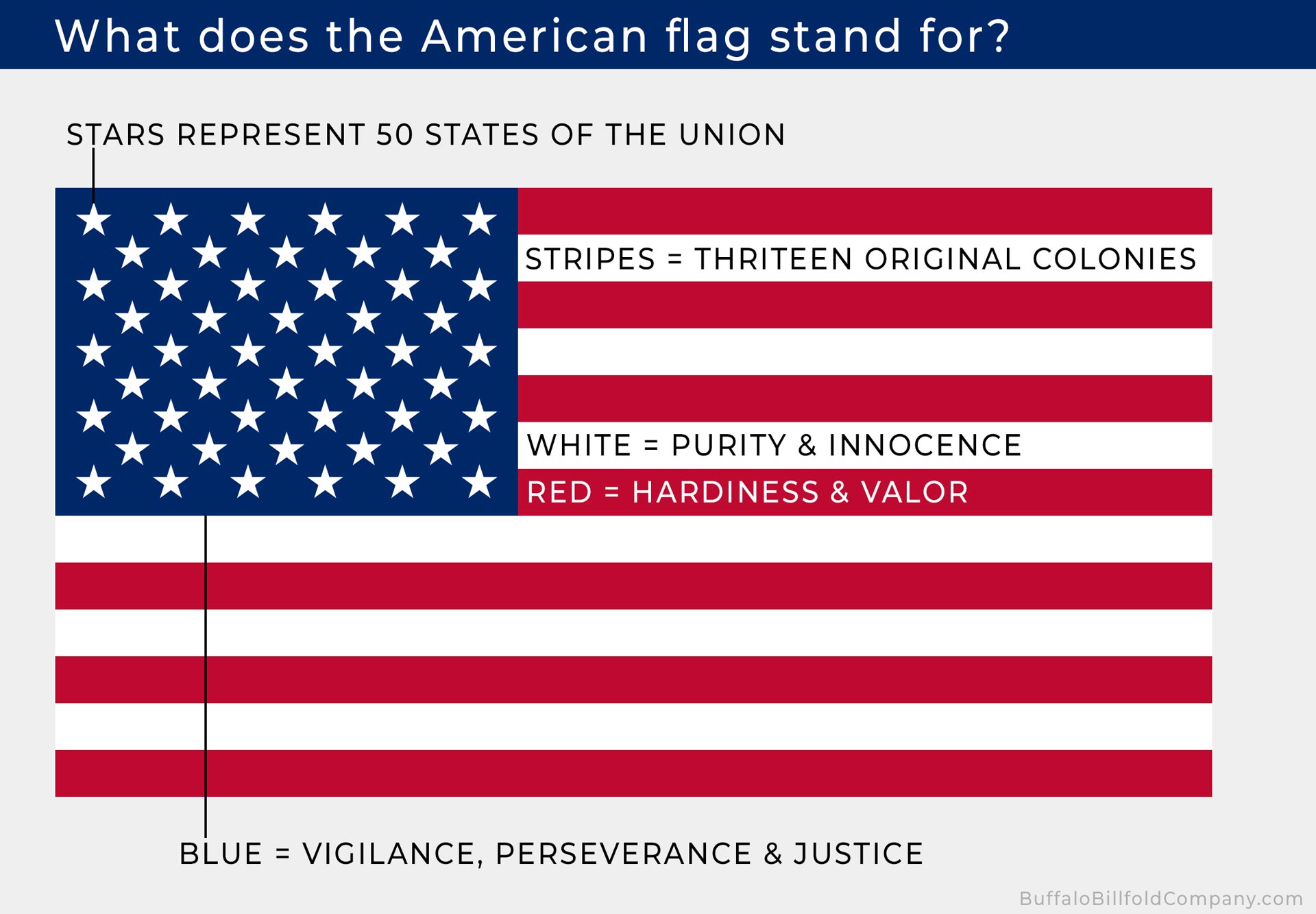
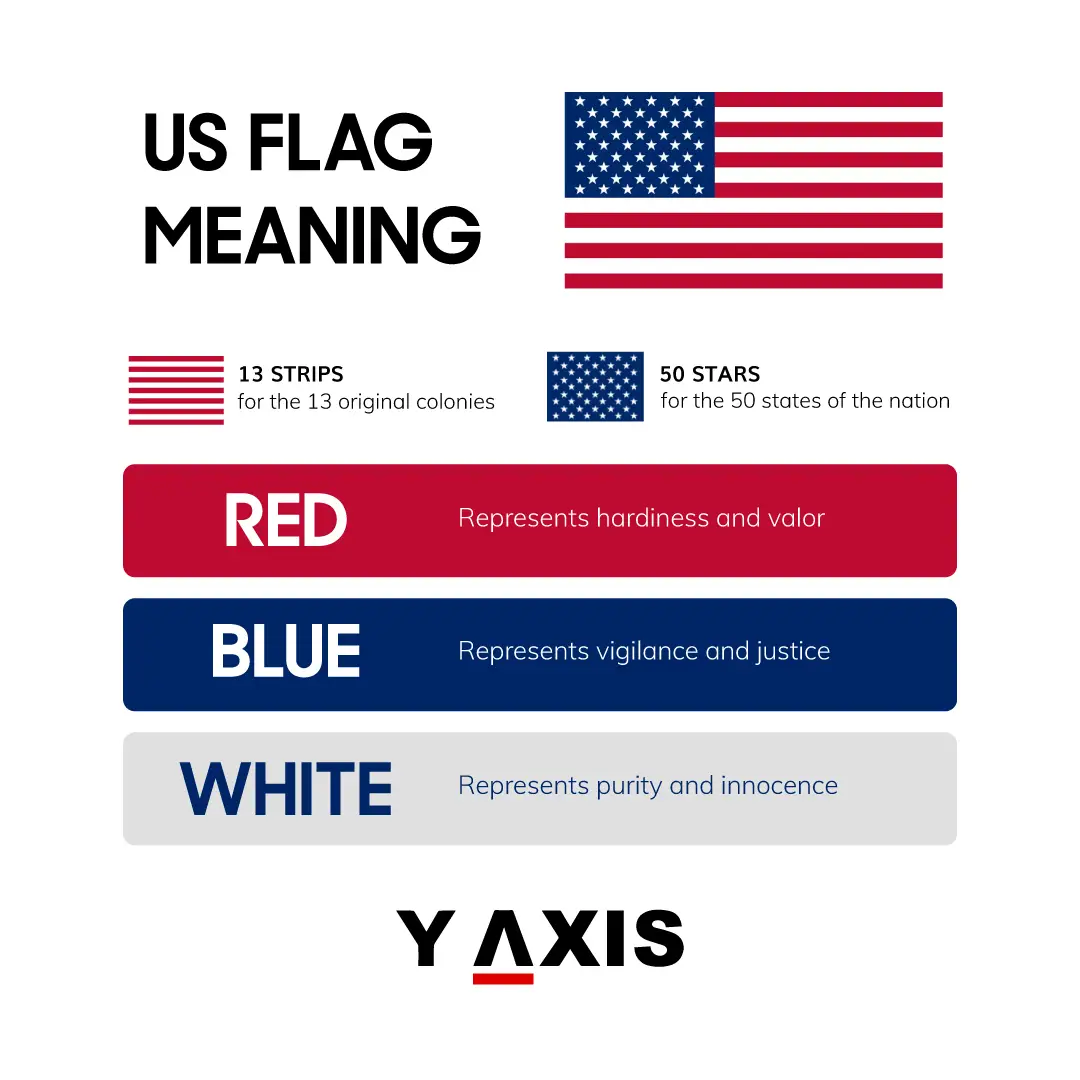
To truly understand the “blue,” one must look at the official definitions provided by the Continental Congress in 1782. Charles Thomson, the Secretary of the Continental Congress, noted that the color blue was chosen to represent three specific pillars: Vigilance, Perseverance, and Justice. In the world of corporate identity, these are the “Core Values” of the brand.
Vigilance: The Brand’s Commitment to Security
In branding, vigilance translates to “Quality Control” and “Market Awareness.” A brand that is vigilant is one that protects its intellectual property, its reputation, and its customers. By assigning vigilance to the blue field, the American brand was signaling its intent to remain watchful and protective of its sovereign “market share.”
From a design perspective, the blue serves as the “protector” of the stars. It provides the high-contrast background necessary for the stars to shine, symbolizing a brand that creates a safe environment for its individual components (the states) to thrive. For a modern corporation, this represents the infrastructure and security protocols that allow the consumer experience to remain uninterrupted.
Perseverance: Long-term Brand Sustainability
Perseverance is perhaps the most critical brand value for any entity seeking longevity. It represents the ability to withstand “brand crises,” economic downturns, and shifts in consumer sentiment. The blue of the flag signifies a commitment to the long game.
Brand strategists often talk about “brand resilience.” When a company faces a PR disaster or a product failure, it relies on its “blue” values—its perceived strength and perseverance—to weather the storm. The American brand has used this symbolism to maintain a sense of unity through civil unrest and global conflict, proving that the visual identity is backed by an enduring corporate philosophy.
Justice: The Ethical Framework of the Corporate Identity
In today’s market, “Brand Purpose” is everything. Consumers are no longer satisfied with just a product; they want to support brands that stand for something ethical. By incorporating “Justice” into the very fabric of its primary color, the United States established one of the first “purpose-driven” brands.
Justice in branding refers to fairness, transparency, and a commitment to the “Social Contract.” When a brand’s blue represents justice, it is making a promise to its stakeholders that it will operate with integrity. This ethical anchoring is what builds deep brand loyalty—the kind of loyalty where people are willing to display the brand’s logo (the flag) on their clothing, their homes, and even their bodies.
The Evolution of “Old Glory Blue”: Standardization and Consistency
A brand is only as strong as its style guide. Without strict parameters for color and proportion, a visual identity becomes diluted and professional authority is lost. The specific shade of blue used in the American flag is not just “any blue”; it is a standardized color that ensures the brand looks the same in every “market” globally.
Technical Specifications: From Textiles to Digital Assets
In the modern era, the color is officially defined as “Old Glory Blue” (PMS 282 C in the Pantone Matching System). For a brand strategist, this level of specificity is vital. Whether the flag is flying over an embassy in Tokyo or appearing as a 16-pixel favicon on a government website, the blue must be consistent.
This technical standardization prevents “brand drift.” If every manufacturer were allowed to choose their own shade of blue, the American brand would eventually lose its cohesive power. By mandating a specific Navy-adjacent hue, the brand maintains its “premium” and “serious” feel, avoiding the brighter, less authoritative blues that might be associated with more casual or “startup-phase” nations.
Maintaining Brand Integrity Across Global Touchpoints
The American flag is a global brand that appears on countless touchpoints: uniforms, spacecraft, documents, and digital media. The blue field serves as a “primary brand mark” that provides instant recognition. In marketing, we call this “mental availability.” Because the blue is so distinctive and consistently applied, the brain recognizes the brand before it even processes the stars or stripes. This is the ultimate goal of any brand strategy: to achieve such high levels of salivity that the color itself becomes synonymous with the organization.
Lessons for Modern Brand Strategists from the American Flag
What can a corporate CMO or a personal brand consultant learn from the blue on the American flag? The lessons are manifold, focusing on the intersection of visual communication and abstract value.
Using Symbolism to Communicate Mission Statements
Most brands fail because their mission statements are buried in a PDF on their website. The American brand succeeded because it baked its mission statement directly into its visual identity. You don’t need to read the constitution to understand the brand’s intent; the blue field tells you that this is an organization built on stability, watchfulness, and law.
When designing a brand identity, strategists should ask: “Does our color palette communicate our mission?” If a brand claims to be innovative but uses a dusty, traditional blue, there is a “brand disconnect.” The American flag avoids this by ensuring that the depth of the blue matches the gravity of its constitutional promises.
Creating an Icon That Transcends Product
The most powerful brands are those that move beyond the “functional” and into the “symbolic.” Nike is no longer just about shoes; it is about the “Swoosh” representing athletic excellence. Apple is no longer just about computers; it is about the “Apple” representing creative disruption.
The American flag is the progenitor of this strategy. The blue “Union” represents a collective identity that is greater than the sum of its parts. It is an icon that people use to express their own personal branding. When a brand can create a symbol so potent that consumers adopt it as part of their own identity, they have reached the pinnacle of brand strategy. The blue of the flag is the canvas upon which this loyalty is built, proving that a well-defined color is not just a design choice—it is a strategic asset that can command the attention of the world for centuries.
aViewFromTheCave is a participant in the Amazon Services LLC Associates Program, an affiliate advertising program designed to provide a means for sites to earn advertising fees by advertising and linking to Amazon.com. Amazon, the Amazon logo, AmazonSupply, and the AmazonSupply logo are trademarks of Amazon.com, Inc. or its affiliates. As an Amazon Associate we earn affiliate commissions from qualifying purchases.