
When a consumer picks up a can of Monster Energy, they are not just buying a beverage; they are participating in a highly engineered sensory experience. The “Blue Monster”—officially known as Monster Energy Zero Sugar or the “Absolutely Zero” variety—represents a masterclass in product positioning. To understand what this drink tastes like, one must move beyond the flavor profile of sucralose and citric acid and instead look at the psychology of color, the precision of ingredient marketing, and the brand equity built over two decades.

The Sensory Architecture of “Blue”
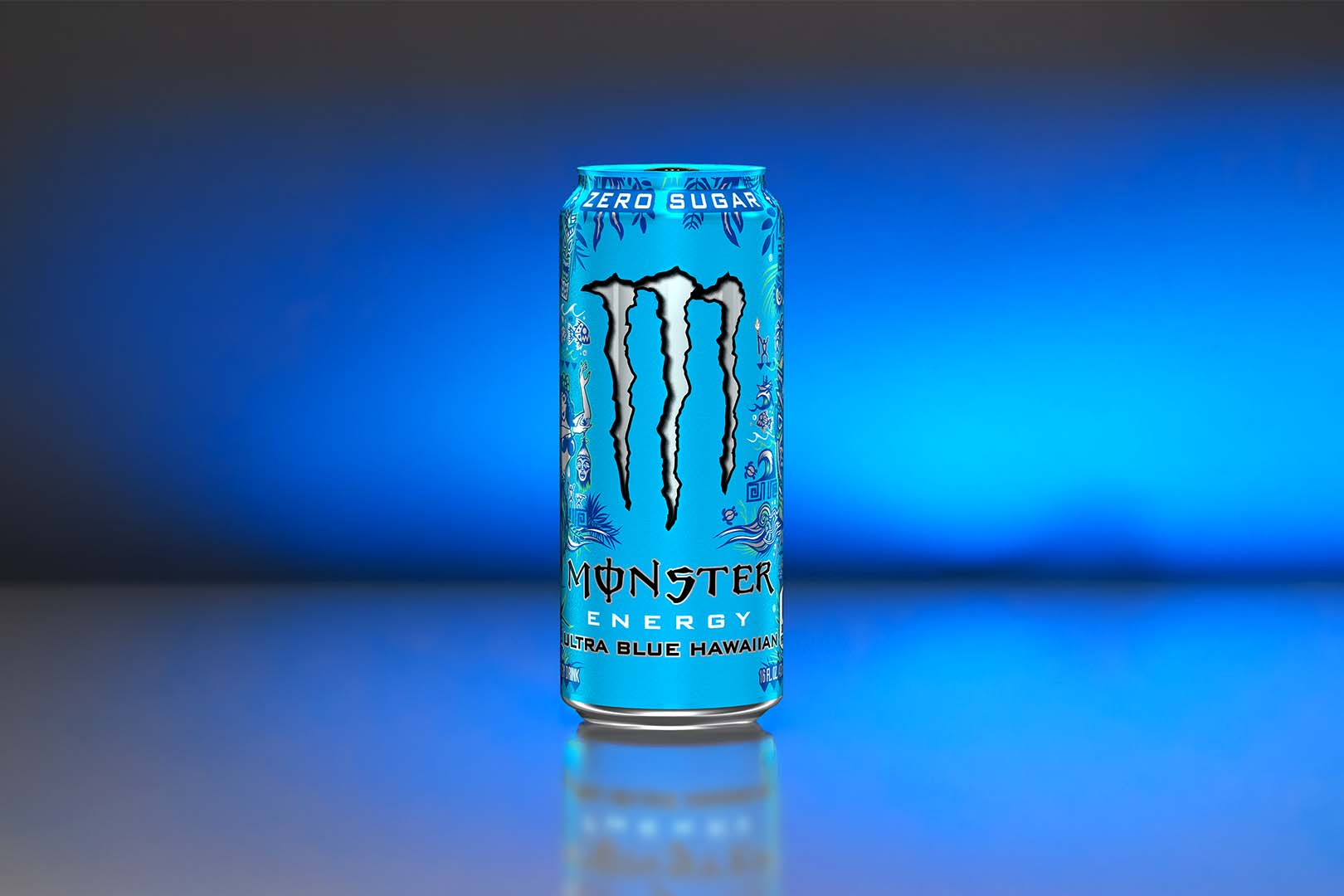
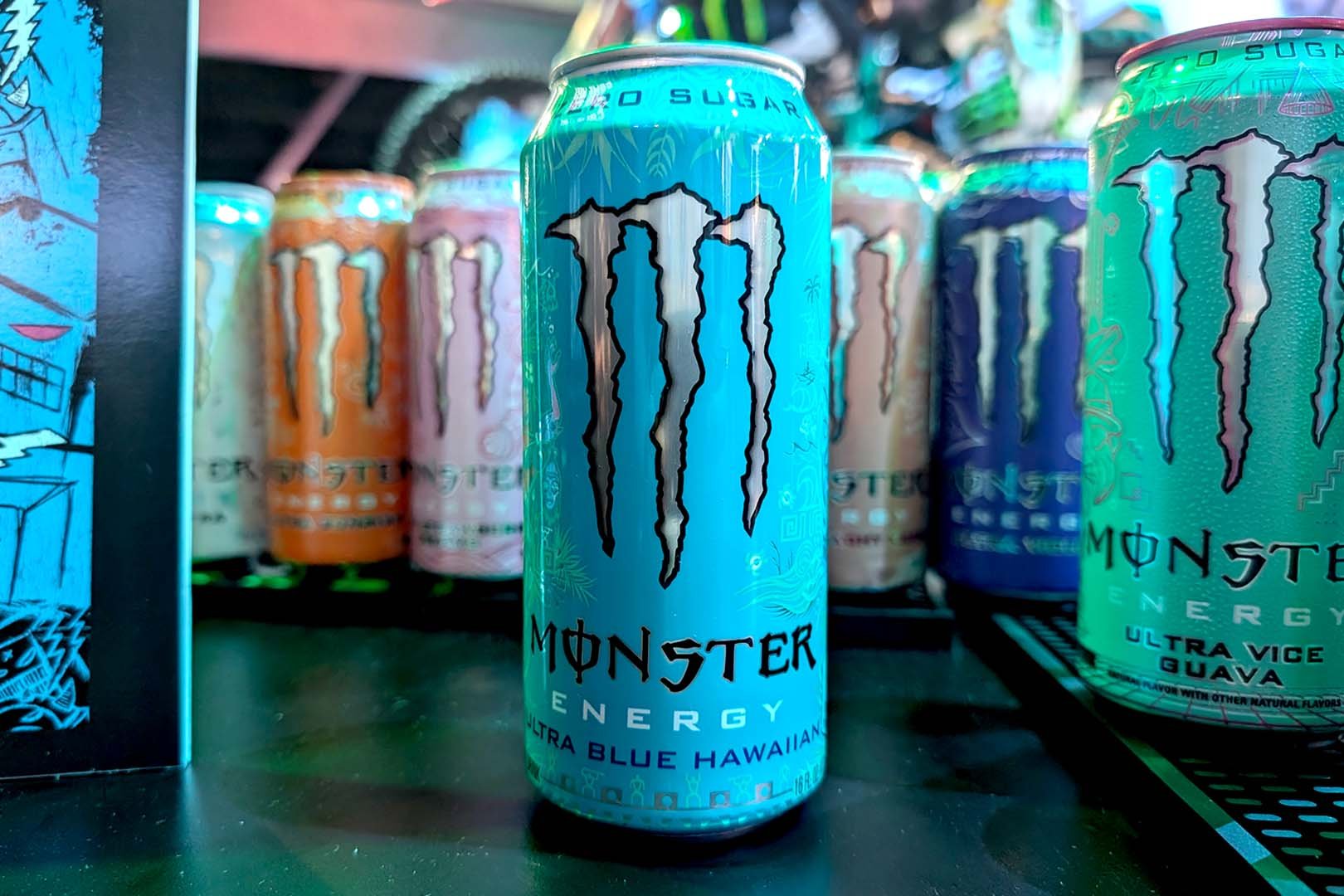
In the world of fast-moving consumer goods (FMCG), flavor is rarely objective. It is a psychological construct shaped by expectations. When consumers see a blue can—specifically the matte-finish, electric-blue claw logo on a dark background—the brain preemptively signals “cool,” “refreshing,” or “sugar-free.”
The Psychology of Color in Beverage Branding
Color serves as the first point of contact for the consumer in a crowded retail aisle. The blue hue of the Monster Zero Sugar can is deliberate. In the energy drink category, red often signals “high intensity” or “extreme spice/fruit,” while green is the brand’s signature, associated with the original, syrupy, high-sugar formula. Blue is the industry-standard visual shorthand for “light” or “clean.” By utilizing a specific shade of blue, Monster is communicating to the consumer’s subconscious that the experience will be lighter than the original formula, less viscous, and easier to consume in volume.
Flavor Profiling: Beyond the Palate
What does the Blue Monster taste like? Scientifically, it is a delicate balancing act of artificial sweeteners and flavor enhancers designed to mimic the crispness of a traditional citrus-forward energy drink without the residual mouthfeel of corn syrup. Unlike the original Monster, which carries a heavy, nectar-like body, the Blue Monster is designed to be “thin.” The mouthfeel is sharp and effervescent. The flavor profile leans heavily on a synthetic, bright citrus base—reminiscent of lime and lemon—backed by the bitter notes of taurine, L-carnitine, and ginseng. It is a flavor profile that relies on “high notes” to keep the palate engaged while stripping away the “low notes” of heavy sugars.
Strategic Brand Positioning in a Health-Conscious Era
The success of the Blue Monster is not merely a testament to its taste, but to its strategic necessity. As global beverage consumption shifts away from high-fructose corn syrup, the “Zero” line has become the primary growth engine for Monster Beverage Corporation.
The Evolution of the “Zero” Identity
There was a time when “diet” drinks were stigmatized as being inferior in flavor. Monster successfully neutralized this stigma by detaching the word “diet” from their branding entirely. By calling it “Zero Sugar” and wrapping it in a sleek, masculine aesthetic, the brand ensured that the product remained within the “cool” hierarchy. The Blue Monster tastes like a strategic pivot; it is the flavor of a brand refusing to lose its younger, health-conscious demographic to competitors like Celsius or Alani Nu. It is the taste of a legacy brand adapting its identity to retain market share.
Crafting the Target Demographic
The target consumer for the Blue Monster is someone who values the energy-boosting properties of caffeine and B-vitamins but is hyper-aware of insulin spikes. The marketing team at Monster understands that this demographic views their consumption as a utility. The “taste” is secondary to the functional benefit, yet it must be palatable enough to allow for daily habit formation. This is where the specific flavor engineering comes in: it is designed to be addictive in a “clean” way, devoid of the sugar crash that defined the early 2000s energy drink market.
The Manufacturing of Flavor Expectations
A critical aspect of the Blue Monster’s flavor is the consistency maintained across global distribution. A can purchased in Tokyo, London, or Los Angeles must taste identical. This consistency is the backbone of brand trust.
Ingredients as a Brand Language
The flavor of the Blue Monster is defined by what it lacks. By removing sucrose, the brand had to replace the “body” of the drink with a sophisticated blend of artificial sweeteners—primarily a mix of sucralose and acesulfame potassium. These ingredients have a distinct flavor profile characterized by a quick onset of sweetness that dissipates rapidly. This is why the Blue Monster feels “cleaner” on the finish than the original green can. For the brand, this is a competitive advantage; it creates a drink that is highly drinkable, encouraging the consumer to finish the entire 16-ounce serving without feeling fatigued by cloying sweetness.
Quality Control and Sensory Consistency
To ensure that the “blue” experience is replicated perfectly, Monster employs rigorous sensory panels. These panels do not just test for the presence of ingredients; they test for the “spark” of the flavor. Every batch is evaluated for its “acid bite”—that initial prickle on the tongue—which is essential to the brand’s identity. The taste of the Blue Monster is essentially a symphony of stabilizers, preservatives, and synthetic sweeteners tuned to a very specific frequency of “refreshment.”
The Future of Brand Identity Through Flavor
As the beverage industry continues to blur the lines between energy drinks, functional waters, and health tonics, the Blue Monster serves as a benchmark for how established brands can pivot their identity without losing their core aesthetic.
Resilience in the Competitive Landscape
The market for energy drinks is incredibly saturated. Today, brands like C4 and Ghost are dominating the shelf by offering specialized flavors and transparency in their ingredient labels. Monster’s response has been to double down on their brand identity. The Blue Monster is not just a drink; it is a manifestation of the brand’s resilience. It proves that a “legacy” product can remain relevant if it understands the shifting desires of its customer base. The taste of the Blue Monster is the taste of longevity.
The Role of Perception in Brand Loyalty
Ultimately, when a consumer asks what the Blue Monster tastes like, the answer is personal. To a gamer in the middle of a marathon session, it tastes like focus and endurance. To a professional working through a mid-afternoon slump, it tastes like utility and efficiency. The flavor has become an icon, a piece of cultural shorthand that communicates a specific lifestyle.
By stripping away the sugar while retaining the aggressive, claw-marked branding, Monster has created a product that tastes exactly how it looks: sharp, electric, and bold. It is a masterful example of how brand strategy—color theory, demographic targeting, and flavor engineering—can coalesce into a product that defines an entire category of consumer behavior. The Blue Monster is, above all else, a triumph of positioning, proving that in the modern marketplace, the most important ingredient in any beverage is the brand story it tells every time the tab is cracked.
aViewFromTheCave is a participant in the Amazon Services LLC Associates Program, an affiliate advertising program designed to provide a means for sites to earn advertising fees by advertising and linking to Amazon.com. Amazon, the Amazon logo, AmazonSupply, and the AmazonSupply logo are trademarks of Amazon.com, Inc. or its affiliates. As an Amazon Associate we earn affiliate commissions from qualifying purchases.