
In the realm of brand strategy and international tourism, few assets possess the magnetic, albeit intangible, value of the Blarney Stone. While millions of visitors flock to Blarney Castle in County Cork, Ireland, to engage in a ritual that is essentially a triumph of experiential marketing, the physical object itself is an exercise in deceptive simplicity. From a design perspective, the Blarney Stone serves as a fascinating case study in how a singular, nondescript item can be elevated into a global icon through storytelling, ritualization, and strategic placement.
The Physicality of the Icon: A Design Analysis
To the uninitiated, the Blarney Stone—or the Stone of Eloquence—is visually underwhelming. It is a block of carboniferous limestone, roughly rectangular, and embedded into the battlements of the 15th-century Blarney Castle. Its surface is weathered, dark, and textured by centuries of exposure to the elements and the constant physical contact of millions of pilgrims.

The Texture and Composition
The stone is composed of local limestone, a material ubiquitous in Irish architecture. However, its aesthetic value is not derived from craftsmanship or inherent beauty. Instead, its visual appeal lies in its “patina of authenticity.” The stone features a series of fossils and sedimentary layers that give it a rugged, ancient appearance. For a brand, this is the ultimate visual cue of longevity and heritage. The stone does not attempt to look polished or curated; it wears its age as a badge of authority.
Strategic Placement as Brand Positioning
The placement of the stone is a masterclass in spatial design. Located at the very top of the castle walls, it is inaccessible to the casual observer. To “see” the stone in the traditional sense, one must lean backward over a sheer drop, held only by iron railings. This structural design choice forces an intimate, albeit precarious, encounter. By placing the object out of easy reach, the architects of this tourist experience have increased its perceived value. If the stone were sitting on a pedestal in a courtyard, it would be dismissed as a rock; because it is difficult to access, it becomes a trophy to be won.
The Psychology of Ritual as Marketing
From a brand strategy perspective, the Blarney Stone is not merely an object; it is the center of a high-engagement ritual. The success of the “Blarney brand” relies heavily on the conversion of a passive sight-seeing experience into an active performance.
The Power of the Pilgrimage
Brands often struggle to move customers from awareness to advocacy. The Blarney Stone bypasses this by forcing the visitor to commit a physical act: kissing the stone. This act is the ultimate manifestation of “buy-in.” Once a visitor has undergone the physical exertion required to kiss the stone, they are inextricably linked to the brand. They have literally placed their own identity onto the object. This is a profound lesson in marketing: when you provide a platform for your audience to perform, they become a permanent part of your brand narrative.
Authenticity vs. Perception
A critical component of the Blarney brand is the ambiguity surrounding the stone’s history. There are various myths—some claiming it is the Lia Fáil, others saying it was Jacob’s Pillow—but the uncertainty only enhances the appeal. In modern branding, transparency is often touted as the highest virtue. However, the Blarney Stone proves that mystery and narrative ambiguity can be far more powerful. By refusing to provide a singular, scientifically verified origin, the brand allows the consumer to project their own desires, myths, and romantic notions onto the stone.
Digital Representation and the Visual Identity of the Brand
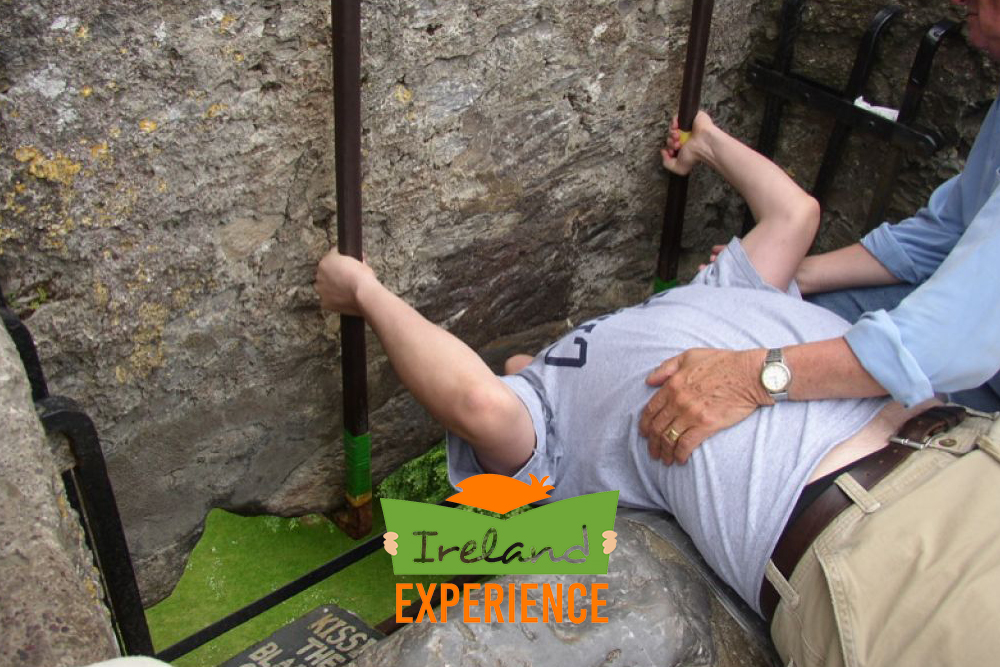
In the digital age, the “look” of the Blarney Stone is dictated by the screens through which it is viewed. Social media has become the primary gallery for the stone, and this has fundamentally altered how the object is perceived.
The Rise of the “Selfie” Aesthetic
If you search for the Blarney Stone online, you will not find high-resolution, static images of the limestone block in isolation. Instead, you will find thousands of images of people upside down, in various states of effort and laughter. The visual identity of the Blarney Stone has shifted from the object itself to the human interaction with the object. This is a critical pivot for any brand: when the product becomes secondary to the user experience, the brand becomes infinitely more shareable. The stone is no longer a rock; it is a prop for digital social currency.
Visual Consistency in a Digital Landscape
The brand designers at Blarney Castle have maintained a consistent visual identity by framing the stone against the backdrop of the Irish countryside. The juxtaposition of the dark, cold stone with the vibrant, lush green of the Cork landscape serves as a visual shorthand for Ireland itself. Even without the context of the castle, the color palette of charcoal-grey limestone and verdant green has become a distinct brand signature. This consistency ensures that the stone remains instantly recognizable across all digital touchpoints, from travel agency websites to Instagram feeds.
The Durability of a Legacy Brand
The longevity of the Blarney Stone as a brand asset is unparalleled. It has survived wars, shifting economic climates, and the radical transformation of the travel industry. Its resilience provides a blueprint for brands looking to build enduring value.
Heritage as a Competitive Advantage
In a marketplace saturated with fleeting trends and temporary fads, the Blarney Stone represents “the rock” of the brand world. It utilizes heritage not as a museum exhibit, but as a living, breathing component of the business model. Most brands struggle to remain relevant over decades, let alone centuries. The Blarney Stone manages this by remaining stubbornly itself. It does not rebrand. It does not attempt to modernize its appearance. By resisting the urge to “update” the product, it has become immune to the depreciation that plagues modern design trends.
Monetizing the Intangible
The most striking element of the Blarney brand is its ability to monetize an intangible trait: “the gift of gab.” The stone is marketed as an object that imparts a specific benefit to the user. This is the holy grail of branding—selling a transformation rather than a commodity. The stone is essentially a placebo that provides a tangible psychological reward. When a brand can convince a consumer that their life or personality will be improved by engaging with a product, the price point of the experience becomes secondary to the value of the promise.

Synthesis: Lessons for Modern Brand Strategy
The Blarney Stone serves as a profound reminder that design and brand identity are not solely about aesthetics; they are about the orchestration of meaning. Whether one is building a personal brand, managing a corporate identity, or designing a customer experience, the lessons from this ancient piece of limestone are clear.
- Context is Everything: The stone is unremarkable in isolation, but its context makes it a global icon. Frame your product or service in a way that elevates its status.
- Engage the Audience: Create rituals that require active participation. The more effort a customer exerts, the more ownership they feel over the brand experience.
- Embrace Ambiguity: Don’t feel the need to explain every aspect of your brand. Let the audience fill in the blanks with their own myths and narratives.
- Prioritize the Experience: As the digital world continues to evolve, ensure that your brand is “shareable” by centering the user’s experience rather than just the product’s features.
In conclusion, the Blarney Stone does not look like much. It is a rough, jagged block of limestone that offers no immediate aesthetic gratification. Yet, as a brand asset, it is one of the most successful designs in history. It proves that with the right combination of storytelling, strategic positioning, and an unwavering commitment to the core narrative, even the most basic object can become a vessel for universal value. For those working in brand strategy, the lesson is simple: stop trying to make your product look perfect and start making it mean something to the people who interact with it.
aViewFromTheCave is a participant in the Amazon Services LLC Associates Program, an affiliate advertising program designed to provide a means for sites to earn advertising fees by advertising and linking to Amazon.com. Amazon, the Amazon logo, AmazonSupply, and the AmazonSupply logo are trademarks of Amazon.com, Inc. or its affiliates. As an Amazon Associate we earn affiliate commissions from qualifying purchases.