
The idiom “black sheep” evokes an immediate, often negative, image: the ostracized, the misfit, the one who deviates from the norm. For generations, this phrase has been used to describe individuals or entities that stand out, not always for desirable reasons. However, in the dynamic landscape of modern branding and marketing, this seemingly negative connotation is being actively re-evaluated and, in many cases, strategically embraced. The black sheep, far from being a liability, can become a powerful differentiator, a catalyst for innovation, and a source of genuine connection with a discerning audience. This article delves into the multifaceted meaning of the “black sheep” in the context of brand strategy, exploring how embracing outlier status can be a potent force for building a unique and resilient corporate identity.

The Traditional Interpretation: Deviation and Disruption
Historically, the “black sheep” designation stemmed from the agricultural practice of sheep farming. Wool from black sheep was harder to dye, making it less valuable and often leading to their exclusion from the flock. This practical exclusion translated into a metaphorical one, signifying someone or something that was different, undesirable, or problematic within a group.
The Social and Cultural Stigma
In a societal context, the “black sheep” label carried a significant stigma. It implied a failure to conform to expected behaviors, values, or aspirations. This could manifest in various ways: a family member pursuing an unconventional career path, an artist whose work challenged prevailing tastes, or a business that operated outside established industry norms. The inherent tension lay in the expectation of conformity versus the reality of divergence. This divergence was often perceived as a weakness, a flaw that set the individual apart in a way that invited judgment and isolation.
Early Brand Perceptions: Risk and Non-Compliance
In the early days of brand development, deviating from established norms was often seen as a significant risk. Brands aimed for broad appeal, seeking to fit seamlessly into the consumer’s existing understanding of a product category or service. A “black sheep” brand would be perceived as non-compliant, unpredictable, and therefore, untrustworthy. The fear was that this deviation would alienate the majority of the market, leading to poor sales and a damaged reputation. This perspective heavily favored uniformity and adherence to established marketing templates, discouraging bold originality.
The Evolution of the Black Sheep: From Liability to Asset
The shift in perception of the “black sheep” is deeply intertwined with the evolution of consumerism and the increasing demand for authenticity and individuality. As markets became saturated and consumers grew more sophisticated, the allure of the commonplace diminished. Brands that dared to be different began to capture attention, not through controversy, but through genuine distinction.
The Rise of Niche Markets and Subcultures
The internet and globalization have fostered the growth of incredibly diverse niche markets and subcultures. These communities often celebrate what makes them unique, actively seeking out brands that understand and reflect their specific values, interests, and aesthetics. The “black sheep” of the broader market can become the celebrated protagonist within these specialized circles. Their perceived deviance in one context becomes their defining characteristic and point of connection in another. This allows brands to bypass the noise of mass markets and forge deeper, more meaningful relationships with targeted audiences.
Authenticity and the Rejection of Conformity
Modern consumers, particularly younger generations, increasingly value authenticity. They are weary of hyper-polished, overly curated brand messages that feel inauthentic. The “black sheep” brand, by its very nature, often embodies a raw, unfiltered, and unapologetic approach. This can resonate powerfully with consumers who are themselves striving for authenticity and rejecting societal pressures to conform. Instead of hiding their differences, these brands lean into them, creating a narrative of courage and self-acceptance that is deeply appealing.
The Power of Differentiation in a Crowded Marketplace
In today’s hyper-competitive landscape, true differentiation is no longer a luxury but a necessity for survival. Brands that attempt to be everything to everyone often end up being nothing to anyone. The “black sheep” approach offers a strategic advantage by focusing on what makes a brand distinctly different. This divergence can be in product design, marketing strategy, company values, or even the very way they communicate. By embracing their outlier status, these brands create memorable identities that stand out from the sea of sameness, attracting the attention of consumers who are actively seeking alternatives.
Harnessing the Black Sheep Identity: Strategic Approaches for Brands
Embracing the “black sheep” identity is not about being deliberately contrarian for the sake of it. It requires a deep understanding of brand purpose, target audience, and a strategic commitment to originality. When executed thoughtfully, it can transform perceived weaknesses into significant strengths.
Defining Your Unique Value Proposition Through Divergence
The first step in leveraging the “black sheep” identity is to clearly define what makes your brand different. This isn’t about superficial novelty but about identifying a core value, perspective, or approach that genuinely deviates from the industry norm. This divergence should be rooted in a deep understanding of unmet consumer needs or a unique insight into the market. For instance, a brand that prioritizes sustainability in an industry that traditionally overlooks it, or a technology company that champions privacy in an era of data exploitation, can be seen as “black sheep” within their respective fields. This unique value proposition becomes the cornerstone of their brand narrative.
Identifying Your “Black Sheep” Traits
This involves introspection and honest assessment. What are the characteristics of your brand that might initially seem unconventional or even off-putting to a mainstream audience? Are you deliberately slow in your production to ensure quality? Do you prioritize ethical sourcing over profit margins? Do you use unconventional marketing channels? These are the “black sheep” traits that, when framed correctly, can become powerful selling points. It’s about identifying the inherent differences and understanding their underlying rationale and appeal to a specific audience.

Connecting Divergence to Consumer Needs and Desires
The key to successful “black sheep” branding is to ensure that your divergence is not an end in itself, but a means to address a specific consumer need or desire that is not being met by the mainstream. Consumers are not looking for difference for difference’s sake; they are looking for solutions, for alignment with their values, and for brands that genuinely understand them. For example, a food brand that embraces “ugly” produce, challenging the aesthetic norms of supermarkets, connects with consumers who are concerned about food waste and sustainability. The “black sheep” aspect is the visual and conceptual outlier, but the core appeal is the ethical and practical benefit it offers.
Crafting a Narrative of Authenticity and Courage
A “black sheep” brand’s narrative needs to be one of authenticity, courage, and conviction. It’s about telling the story of why the brand is different and why that difference matters. This narrative should be woven into every aspect of the brand, from its mission statement and product development to its marketing campaigns and customer service.
Storytelling as a Differentiator
The power of a compelling story cannot be overstated. Brands that embrace their “black sheep” status often have powerful origin stories or ongoing narratives that highlight their commitment to their unique path. This could be the story of overcoming initial skepticism, the fight against industry conventions, or the unwavering dedication to a set of principles that defy the norm. These stories create an emotional connection with the audience, transforming the brand from a mere product or service into an entity with which consumers can align themselves.
Embracing Vulnerability and Transparency
In contrast to the often guarded and polished image of traditional brands, “black sheep” brands can find strength in vulnerability and transparency. Admitting to challenges, sharing the “behind-the-scenes” realities, and being open about their processes can build trust and foster a sense of genuine connection. This level of openness is often what sets them apart from more conventional, often perceived as less honest, competitors. It signals that the brand is not afraid to be real, which is a powerful draw in a world often characterized by artifice.
Building a Community Around Shared Values and Identity
The “black sheep” brand often attracts a loyal following not just because of its products or services, but because it represents a shared identity and a set of values that resonate deeply with its audience. These brands cultivate communities where members feel a sense of belonging and where their own non-conformist inclinations are celebrated.
Fostering a Sense of Belonging for the “Outsiders”
By embracing the “black sheep” archetype, brands can create safe havens and rallying points for individuals who also feel like outsiders in various aspects of their lives. These consumers are actively seeking brands that validate their experiences and perspectives. The brand becomes a symbol of their own individuality and a platform for connection with like-minded people. This sense of belonging is a powerful driver of loyalty and advocacy.
Encouraging Advocacy and User-Generated Content
When customers feel a strong emotional connection to a “black sheep” brand, they become passionate advocates. They are more likely to share their positive experiences, create user-generated content, and defend the brand against any criticism. This organic marketing is incredibly valuable and authentic, amplifying the brand’s message far beyond what traditional advertising can achieve. The “black sheep” identity transforms customers from passive consumers into active participants and champions.
The Future of Branding: Embracing the Black Sheep Imperative
The future of successful branding lies in embracing individuality and authenticity. As consumers become increasingly discerning and empowered, the ability of a brand to stand out, to be genuinely different, and to connect on a deeper, more human level will be paramount. The “black sheep” archetype, once a symbol of exclusion, is now emerging as a powerful blueprint for brands aiming to build lasting relevance and impact.
The Long-Term Sustainability of Unique Identities
In an era of rapid change and market volatility, brands that rely on transient trends or generic appeal are often the first to falter. A strong, unique identity, forged through embracing outlier status, provides a bedrock of resilience. Consumers who connect with the core values and distinctiveness of a “black sheep” brand are less likely to be swayed by competitors. This leads to sustained customer loyalty and a more stable business model. The very “difference” that once posed a risk now becomes a source of enduring strength.
Innovation Driven by Non-Conformity
The spirit of the “black sheep” is inherently tied to innovation. By challenging existing paradigms and refusing to accept the status quo, these brands are often at the forefront of new ideas, products, and approaches. Their willingness to experiment, to take risks, and to learn from perceived failures fuels a continuous cycle of improvement and evolution. This proactive and often disruptive approach to innovation keeps them relevant and exciting in the eyes of consumers.
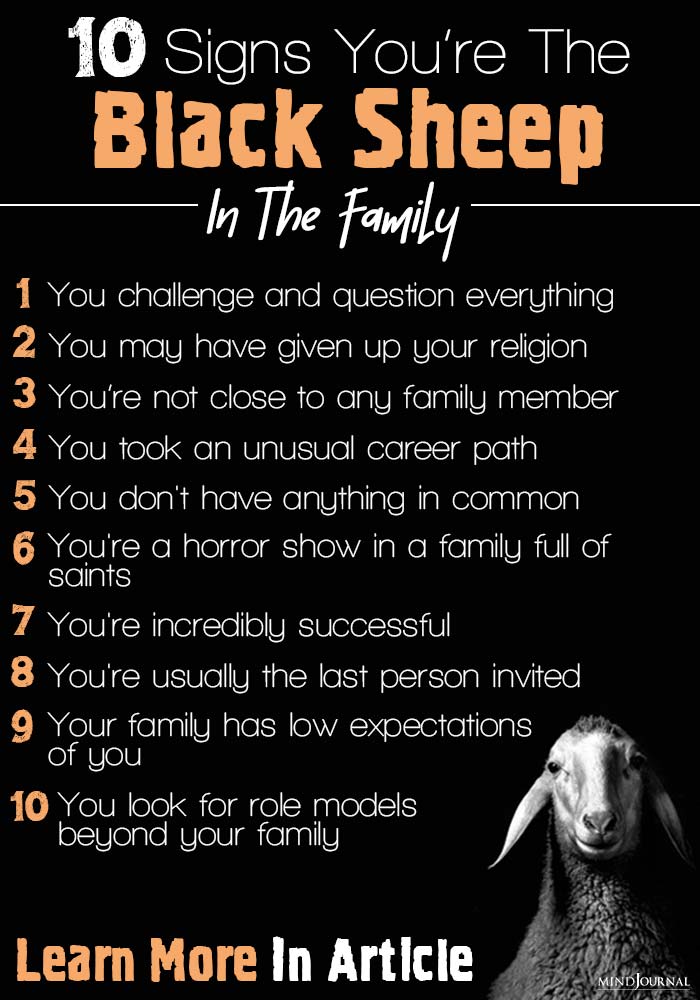
The Ethical and Social Impact of Distinctive Brands
Beyond commercial success, “black sheep” brands often have a more profound impact. By championing alternative values, questioning established norms, and advocating for marginalized perspectives, they can contribute to positive social and ethical change. They demonstrate that business can be a force for good, even when operating outside the mainstream. This ethical dimension adds another layer of appeal, attracting consumers who seek to align their purchasing decisions with their personal values and a desire for a better world.
In conclusion, the meaning of the “black sheep” has undergone a significant transformation. It is no longer a mark of shame but a badge of honor for brands that dare to be different. By strategically embracing their unique identity, crafting authentic narratives, and fostering communities around shared values, these brands are not only surviving but thriving, redefining what it means to be successful in the modern marketplace. The “black sheep” is not just an idiom; it is a powerful brand strategy for the future.
aViewFromTheCave is a participant in the Amazon Services LLC Associates Program, an affiliate advertising program designed to provide a means for sites to earn advertising fees by advertising and linking to Amazon.com. Amazon, the Amazon logo, AmazonSupply, and the AmazonSupply logo are trademarks of Amazon.com, Inc. or its affiliates. As an Amazon Associate we earn affiliate commissions from qualifying purchases.