
The concept of “sin” is central to biblical theology, forming a fundamental pillar upon which much of Christian doctrine rests. Understanding what the Bible says about sin is not merely an academic exercise; it is crucial for comprehending humanity’s relationship with God, the need for redemption, and the path to spiritual well-being. While the Bible doesn’t offer a single, concise definition of sin in one verse, it consistently presents a multifaceted understanding of this pervasive human failing. From its origins in the Garden of Eden to its eventual eradication through Christ, the biblical narrative is deeply interwoven with the theme of sin and its consequences.
The Nature and Origin of Sin
The Bible clearly articulates that sin is not an abstract concept but a tangible reality that impacts every individual and every facet of creation. Its presence is not an accident but a consequence of deliberate choices, beginning at the very dawn of human history.
The First Sin: Disobedience and its Repercussions
The Genesis account of creation lays the foundation for understanding the origin of sin. In the Garden of Eden, humanity was given a clear commandment: not to eat from the tree of the knowledge of good and evil. The serpent, a symbol of deception and rebellion, tempted Eve, who in turn tempted Adam. Their act of disobedience was not merely a minor transgression but a profound betrayal of trust and a rejection of God’s authority.
This “original sin” had immediate and far-reaching consequences. Adam and Eve experienced shame and fear, their innocence lost, and they were expelled from the Garden, severing their direct communion with God. The curse extended beyond them, affecting the ground, introducing pain into childbirth, and ultimately leading to physical death. The biblical narrative emphasizes that this was not an arbitrary punishment but a just consequence of their chosen rebellion. The seeds of sin were sown, and its propagation through subsequent generations became a defining characteristic of the human condition.
Defining Sin: More Than Just Wrongdoing
While often understood as simply doing wrong things, the biblical understanding of sin is more profound. The Hebrew word for sin, chattath, literally means “to miss the mark” or “to stray from the path.” This implies a deviation from God’s intended purpose and standards for human life. The Greek word commonly translated as sin, hamartia, carries a similar meaning.
The Bible identifies sin in various forms, encompassing not only outward actions but also inward attitudes and intentions. This includes:
- Disobedience to God’s Law: The Ten Commandments and the broader legal and moral framework presented in the Old Testament serve as clear indicators of God’s will. Any deviation from these divine standards is considered sin.
- Rebellion and Pride: At its root, sin is often an act of rebellion against God’s sovereignty. Pride, the exaltation of self above God, is consistently condemned as a fundamental sin.
- Idolatry: Worshipping or giving ultimate allegiance to anything other than the one true God is a direct violation of the first commandment and a profound form of sin.
- Lack of Faith: Failing to trust in God’s promises and provision is also considered a sin, as it reflects doubt in His character and power.
- Selfishness and Greed: Prioritizing personal desires and possessions over the well-being of others and God’s purposes is a manifestation of sinful human nature.
- Dishonesty and Deceit: Lying, cheating, and any form of untruthfulness are clearly identified as sinful actions.
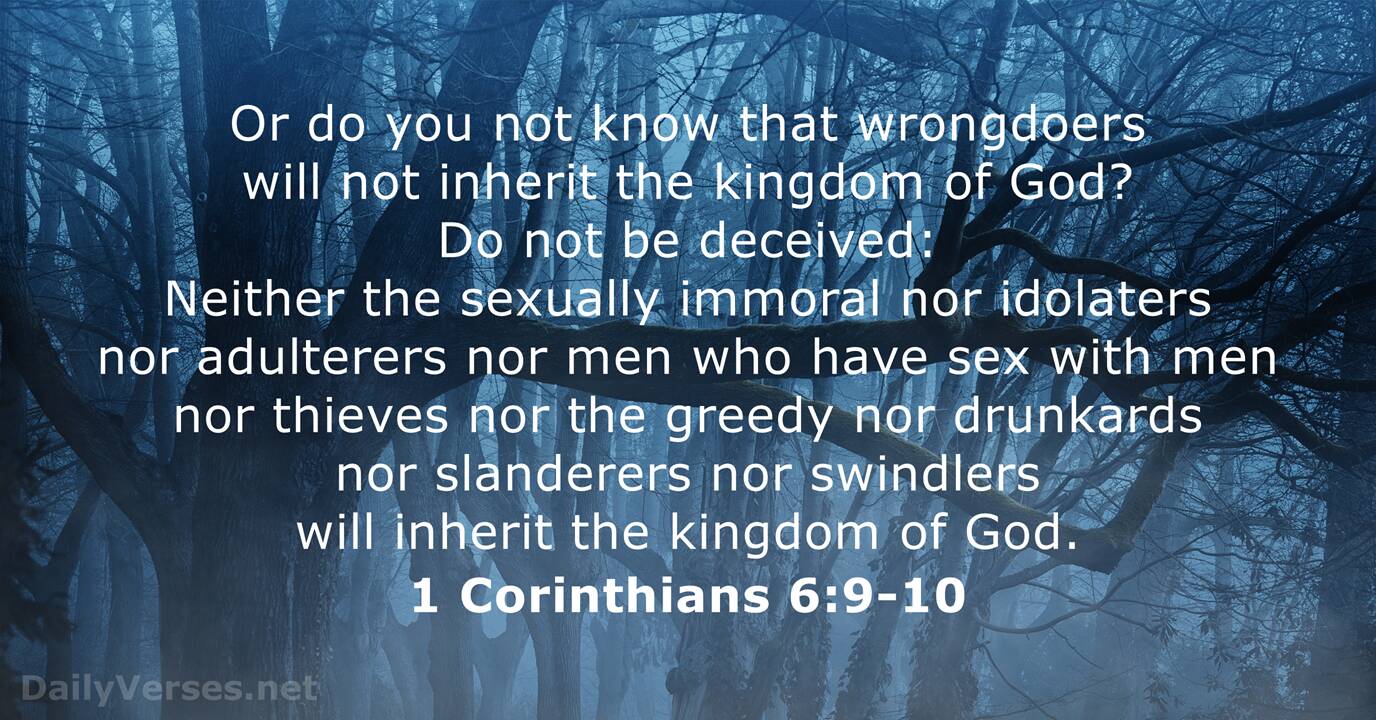
- Immorality: Sexual sins, including adultery, fornication, and lust, are repeatedly condemned throughout scripture.
- Hatred and Malice: Harboring ill will, anger, and a desire to harm others are considered sinful attitudes.
- Omission: Sin can also be a failure to do what is right, as illustrated by the parable of the good Samaritan, where neglecting to help someone in need is implicitly seen as a failure.
The Bible makes it clear that sin is not merely a social construct or a matter of personal preference; it is a violation of God’s holy nature and a disruption of the perfect order He established.
The Pervasiveness and Consequences of Sin
The biblical narrative consistently underscores that sin is not an isolated event but a pervasive force that has corrupted humanity and the entire created order. Its consequences are profound and far-reaching, impacting individuals, relationships, and the world at large.
The Universal Nature of Sin
The Apostle Paul, in his letter to the Romans, makes a powerful assertion about the universality of sin: “for all have sinned and fall short of the glory of God” (Romans 3:23). This statement encapsulates a core biblical teaching: no human being, except Jesus Christ, has lived a life entirely free from sin. This is not to say that all sins are equal in their severity or outward impact, but rather that the propensity to sin, the inclination towards deviation from God’s will, is inherent in our fallen nature.
This inherent sinfulness is often referred to as “original sin” or “inherited sin.” It is the consequence of Adam and Eve’s disobedience, which altered the very fabric of human nature, passing down a predisposition to sin to all their descendants. This is why even young children, before they have the capacity to understand complex moral laws, often exhibit selfish or disobedient behaviors. The world, too, bears the scars of sin, evident in suffering, injustice, decay, and death, all of which are ultimately the result of humanity’s fall from grace.
The Devastating Consequences of Sin
The Bible meticulously outlines the multifaceted consequences of sin:
- Separation from God: The most profound consequence of sin is the rupture it creates in the relationship between humanity and a holy God. Sin creates a barrier, making it impossible for a perfectly righteous God and imperfect humanity to coexist without reconciliation. This separation manifests as spiritual alienation, a lack of intimacy with God, and ultimately, eternal separation in death if unaddressed.
- Guilt and Shame: The immediate aftermath of sin for individuals is often a sense of guilt and shame. This internal distress arises from the knowledge that one has violated a moral standard, leading to a desire to hide or conceal one’s actions, as Adam and Eve did.
- Spiritual Death: The Bible speaks of spiritual death as a state of being alienated from God and His life-giving presence. This is the natural consequence of sin, a state of spiritual dormancy or separation from divine vitality.
- Physical Death: As established in Genesis, death is the ultimate physical consequence of sin entering the world. It is the cessation of physical life, a stark reminder of the wages of sin.
- Suffering and Hardship: The world is filled with suffering, pain, and hardship, much of which is a direct or indirect result of sinful human choices and the brokenness of the created order. This includes personal struggles, societal injustices, natural disasters, and disease.
- Broken Relationships: Sin erodes trust, breeds conflict, and damages interpersonal relationships. It fuels discord, anger, and division, both within families and in wider society.
- Eternal Condemnation: The Bible warns of a final judgment where those who remain unrepentant in their sin will face eternal condemnation, a state of perpetual separation from God and His goodness.

The pervasive nature of sin and its devastating consequences highlight the dire predicament of humanity, underscoring the need for a divine solution.
God’s Response to Sin: The Path to Redemption
Despite humanity’s pervasive sinfulness and the severe consequences, the biblical narrative is ultimately a story of God’s unwavering love and His proactive plan to overcome sin. Rather than abandoning humanity to its fate, God Himself intervenes to bridge the chasm created by sin.
The Old Testament: A Shadow of Things to Come
The Old Testament law, particularly the sacrificial system, serves as a critical precursor to understanding God’s solution to sin. The Levitical code mandated animal sacrifices as a means of atonement for sin. These sacrifices were not designed to permanently remove sin but to temporarily cover it, demonstrating the seriousness of sin and the need for a blood sacrifice for the forgiveness of sins (Hebrews 10:4).
The sacrificial lamb, without blemish, was a symbol of innocence that bore the sin of the offerer. The annual Day of Atonement (Yom Kippur) involved a complex ritual where a high priest would enter the Holy of Holies to make atonement for the sins of the entire nation. These practices, while effective in pointing towards the need for redemption, were ultimately a shadow of the perfect sacrifice that was to come. They highlighted the justice of God and the impossibility of humanity earning their way back into His favor through their own efforts.
The New Testament: The Ultimate Sacrifice of Jesus Christ
The central message of the New Testament is the life, death, and resurrection of Jesus Christ as the ultimate solution to the problem of sin. Jesus, the Son of God, is presented as the “Lamb of God who takes away the sin of the world” (John 1:29). His sinless life fulfilled the demands of God’s law, and His atoning death on the cross served as the perfect, once-for-all sacrifice for the sins of all humanity.
The crucifixion of Jesus was not a tragic accident but a deliberate act of divine love and justice. By dying on the cross, Jesus bore the full penalty for sin that humanity deserved. His blood, shed for us, provides the ultimate atonement, cleansing us from sin and reconciling us to God (1 John 1:7). The resurrection of Jesus from the dead confirms His victory over sin and death, offering believers the hope of eternal life and a restored relationship with God.
The New Testament presents salvation from sin as a gift received by grace through faith in Jesus Christ. It is not earned through good works or religious rituals but is freely given to those who repent of their sins and believe in Jesus as their Savior and Lord (Ephesians 2:8-9). This faith leads to a transformation of the inner person, empowering believers to live a new life, characterized by obedience to God and love for one another.
Living in Light of God’s Forgiveness
Understanding what the Bible says about sin is not merely about acknowledging its existence and consequences; it profoundly impacts how believers are called to live their lives. The forgiveness of sins through Christ calls for a response of gratitude, transformation, and a commitment to living in alignment with God’s will.
Repentance and Faith: The Foundation of a New Life
The initial response to understanding God’s provision for sin is repentance and faith. Repentance involves a sincere turning away from sin, a genuine sorrow for one’s transgressions, and a commitment to change one’s ways. Faith involves trusting in Jesus Christ as the Savior who has paid the penalty for sin and believing in His power to transform one’s life. This dual action marks the beginning of a new spiritual reality, where the believer is declared righteous in God’s sight.
The Role of the Holy Spirit in Overcoming Sin
Upon believing in Jesus, believers receive the Holy Spirit, who indwells them and empowers them to live a life free from the dominion of sin. The Holy Spirit guides, convicts of sin, and strengthens believers to resist temptation and to live in accordance with God’s will. This ongoing process of sanctification is not about achieving perfection overnight but about a progressive growth in Christlikeness, where the power of sin is increasingly overcome.

Living a Transformed Life: The Evidence of Forgiveness
The evidence of true forgiveness and a transformed life is a life characterized by obedience to God’s commands and love for others. This is not a legalistic striving for righteousness but a natural outflow of a grateful heart and the empowering presence of the Holy Spirit. The Bible outlines various aspects of this transformed life, including:
- Love for God and Neighbor: Jesus emphasized that the greatest commandments are to love God with all one’s heart, soul, and mind, and to love one’s neighbor as oneself. This love is the antithesis of selfish sin.
- Obedience to God’s Word: Living according to biblical principles and seeking to obey God’s commandments is a hallmark of a transformed life.
- Spiritual Disciplines: Engaging in practices like prayer, Bible study, fellowship, and worship helps believers to grow in their relationship with God and to remain vigilant against sin.
- Bearing Fruit of the Spirit: The Apostle Paul lists the “fruit of the Spirit” as love, joy, peace, patience, kindness, goodness, faithfulness, gentleness, and self-control (Galatians 5:22-23). These qualities are the outward manifestation of a life lived in submission to the Spirit.
- Witnessing to Others: Those who have experienced God’s forgiveness are often compelled to share the good news of salvation with others, inviting them to experience the same redemption.
In conclusion, the Bible presents a comprehensive understanding of sin – its origins, its pervasive nature, its devastating consequences, and ultimately, God’s glorious solution through Jesus Christ. Understanding this biblical perspective is not just about acknowledging a theological concept; it is about recognizing humanity’s profound need for redemption and embracing the life-transforming power of God’s forgiveness. The journey of faith is one of continuous growth, where believers, empowered by the Holy Spirit, strive to live lives that honor God and reflect His love to the world, a testament to His victory over sin.
aViewFromTheCave is a participant in the Amazon Services LLC Associates Program, an affiliate advertising program designed to provide a means for sites to earn advertising fees by advertising and linking to Amazon.com. Amazon, the Amazon logo, AmazonSupply, and the AmazonSupply logo are trademarks of Amazon.com, Inc. or its affiliates. As an Amazon Associate we earn affiliate commissions from qualifying purchases.