
In the digital age, the convergence of technology and metaphysical curiosity has created a booming marketplace for psychic services. From algorithmic tarot reading apps to AI-powered astrology platforms and professional freelance marketplaces offering “spiritual consulting,” the intersection of ancient mysticism and modern tech is a multi-billion-dollar industry. However, for those grounded in a biblical worldview, the rise of “digital divination” necessitates a critical evaluation. Understanding what the Bible says about psychic phenomena—and by extension, the tools we use to access them—is an essential exercise in digital discernment.
The Biblical Definition of Occult Practices
To understand the biblical perspective on psychic phenomena, one must look at how the scriptures define the supernatural realm. The Bible frequently categorizes practices such as fortune-telling, mediumship, necromancy, and sorcery under the umbrella of “abominations.” These are not treated as mere parlor tricks or entertainment, but as active deviations from a relationship with the Creator.

The Old Testament Prohibition
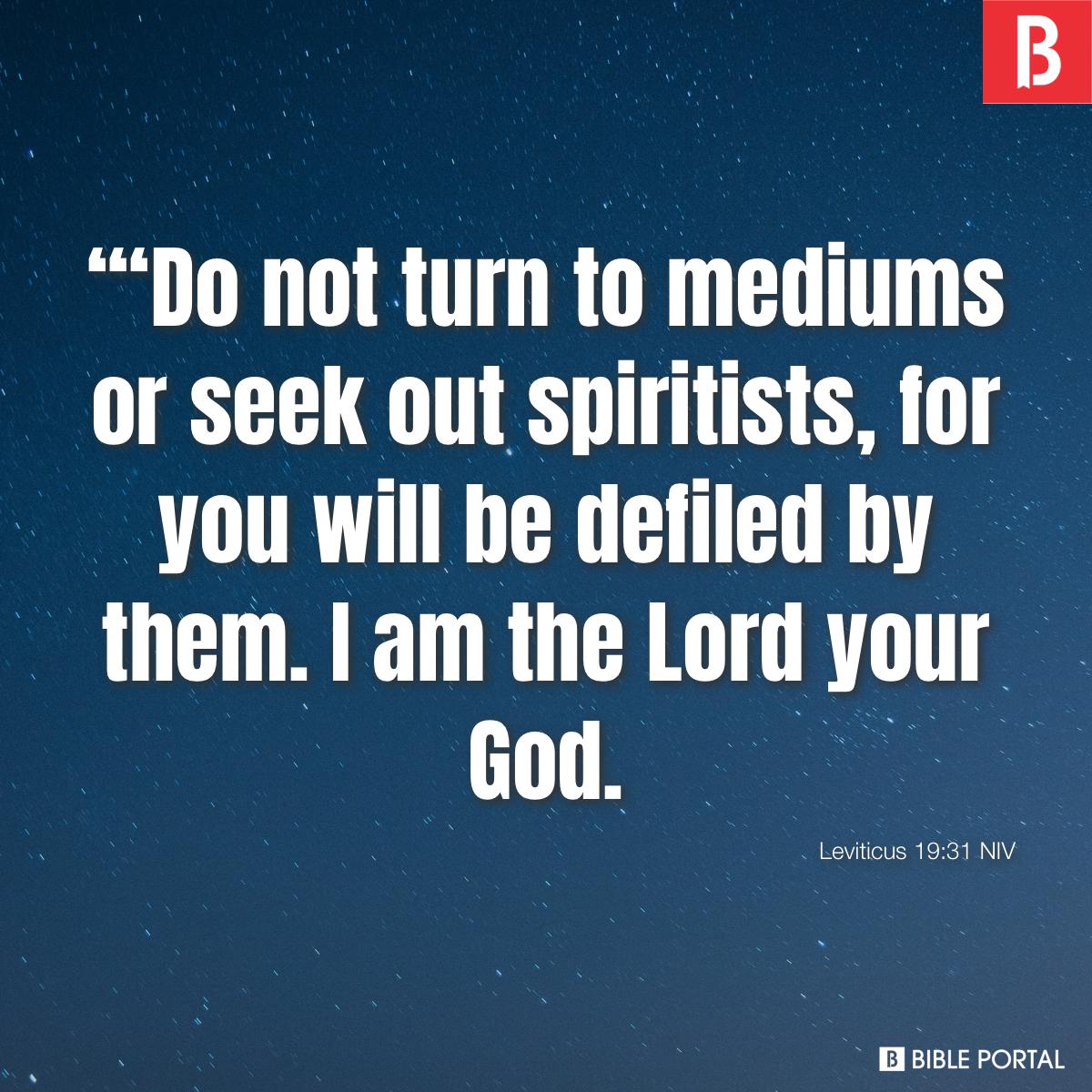
The foundational text regarding these practices is found in Deuteronomy 18:10–12. It states: “Let no one be found among you who sacrifices their son or daughter in the fire, who practices divination or sorcery, interprets omens, engages in witchcraft, or casts spells, or who is a medium or spiritist or who consults the dead.”
The intensity of this language underscores a core biblical principle: authority. The Bible positions God as the sole provider of truth and future revelation. By seeking information or guidance through psychic means, the individual is effectively bypassing divine sovereignty in favor of unauthorized spiritual channels. In the ancient context, this was viewed as a form of spiritual infidelity.
The New Testament and the Power of the Spirit
In the New Testament, the narrative shifts toward the distinction between the Holy Spirit and other spiritual influences. In Acts 16, the Apostle Paul encounters a slave girl with a “spirit of divination.” Her predictions were accurate, yet Paul cast the spirit out, recognizing that the source of her “gift” was incompatible with the gospel. This reinforces the biblical caution that spiritual accuracy does not equate to spiritual legitimacy. For the modern consumer of digital spiritual services, this serves as a warning that the source—not just the result—is what matters.
The Modern Tech Paradigm: Gamifying the Occult
In the current digital ecosystem, psychic services have been rebranded for the millennial and Gen Z markets. We have moved from the dimly lit storefronts of the past to high-end mobile apps featuring sleek user interfaces, gamified rewards, and AI-driven predictive modeling. This shift toward “Tech-Spiritualism” presents new ethical and spiritual challenges.
Algorithmic Divination
Many modern psychic apps utilize sophisticated algorithms that simulate personalization. When a user inputs their birth date, location, or “energy signature” into an app, they are providing data points that the software processes to generate generalized horoscopes or psychic “insights.” From a tech perspective, this is data science. From a biblical perspective, this is the gamification of divination.
The danger, according to biblical teaching, lies in the heart’s intention. When a user habitually relies on an app for life-altering decisions—such as career moves or relationship advice—they are outsourcing their wisdom to a platform that functions on occult premises. Even if the platform is merely an AI script, the act of “consulting the app” is rooted in the same desire for secret knowledge that the Bible strictly forbids.
The Marketplace of Spiritual Services
Freelance marketplaces have made it easier than ever to hire psychics for personalized readings. These platforms operate under the banner of “wellness” and “personal growth,” often blending therapeutic language with metaphysical claims. By integrating these services into one’s digital wallet and daily app usage, the barrier between necessary life management and spiritual inquiry is blurred. The Bible warns against the “deceitfulness of sin,” and the modern interface hides the nature of these practices behind professional-looking branding and high customer satisfaction ratings.
The Intersection of Sovereignty and Stewardship
For those who adhere to a biblical worldview, the use of technology should be an exercise in stewardship. This includes the stewardship of one’s attention, data, and spiritual focus.
Idolatry of the Future
A core component of the biblical argument against psychic practices is that they represent a lack of trust in God’s sovereignty. Anxiety about the future is a human universal, but the Bible offers a specific antidote: reliance on God’s providence. Psychic services promise to eliminate the uncertainty of the future. When a believer turns to an app or a medium to alleviate anxiety, they are effectively seeking to control their future through means outside of prayer and biblical wisdom.
In the language of theology, this is a form of idolatry. It elevates the psychic tool—and the information it provides—to the position of an oracle. It suggests that the future is something to be “hacked” or “seen” rather than something to be entrusted to the one who holds it.
The Illusion of “Harmless Entertainment”
Digital marketers often frame these psychic apps as “just for fun.” However, the biblical worldview maintains that there is no spiritual vacuum. Engaging with occult-themed content, even as entertainment, is viewed as opening a door to influences that undermine biblical clarity. When we fill our digital feeds with tarot, astrology, and mediumship, we are training our minds to think in patterns of superstition rather than patterns of faith. This creates a cultural and psychological susceptibility to darker spiritual deceptions.
Redefining “Guidance” in a Connected World
If the Bible warns against psychic practices, how then is a believer supposed to navigate the complexities of life? The scriptures suggest that true guidance is a product of relationship, not a product of technique.
Wisdom Over Information
Psychic services promise information—answers to “who,” “what,” and “when.” The Bible promises wisdom—the ability to discern “how” to live. In an era of infinite data, the distinction is vital. Information can be bought or generated by an app, but wisdom is a fruit of the spirit, developed through time, study, and community.
Biblical guidance is not found in a digital reading, but in the internal application of truth to one’s current circumstances. This requires a shift from seeking “divination” to seeking “discernment.” Discernment, unlike divination, relies on an objective standard (the Word of God) and personal maturity, rather than a subjective or technological shortcut to the future.

The Role of Technology in Spiritual Maturity
Technology is neutral, but its application is not. Digital tools can be used to facilitate Bible study, prayer, community connection, and ethical decision-making. The challenge for the modern individual is to curate their digital life in a way that aligns with their spiritual convictions. This means auditing the apps we use and the services we pay for. If a platform’s core function is to provide the kind of supernatural insight that the Bible classifies as an “abomination,” then that platform is in direct conflict with the pursuit of a faithful life.
As we move deeper into an era of augmented reality and ubiquitous AI, the pressure to conform to occult-adjacent tech trends will only increase. The biblical response is not to abandon technology, but to exercise the discipline of the mind. By rejecting the shortcuts offered by psychic services, one preserves the integrity of their faith, choosing to rest in the mystery of God’s sovereignty rather than the manufactured certainty of digital divination.
aViewFromTheCave is a participant in the Amazon Services LLC Associates Program, an affiliate advertising program designed to provide a means for sites to earn advertising fees by advertising and linking to Amazon.com. Amazon, the Amazon logo, AmazonSupply, and the AmazonSupply logo are trademarks of Amazon.com, Inc. or its affiliates. As an Amazon Associate we earn affiliate commissions from qualifying purchases.