
In the modern marketplace of ideas, the term “brand” is often relegated to corporate logos, color palettes, and social media presence. However, at its most fundamental level, a brand is a promise of value, a set of expectations, and a reputation built over time. When we examine the question of what the Bible says about pastors, we are essentially looking at the original framework for leadership branding. The New Testament does not merely provide a job description; it outlines a rigorous “Brand Architecture” for those tasked with spiritual oversight.

From a brand strategy perspective, a pastor represents the face of an organization—the church—while simultaneously embodying the values of a higher “parent brand”—the Gospel. To understand the biblical mandate for pastors is to understand the requirements for high-stakes leadership where the “equity” being managed is not financial, but human and spiritual.
Defining the Pastor’s Identity: The Core Values of a Spiritual Brand
Every successful brand is built upon a foundation of core values that are non-negotiable. In the pastoral context, these values are not suggested; they are the prerequisite for the role. The Bible, particularly in the Pauline epistles, treats the “Pastor Brand” as one that must be built on the bedrock of character.
Integrity as the Foundation of Brand Equity
In 1 Timothy 3 and Titus 1, the Bible lists the qualifications for an “overseer” or “elder.” The primary requirement is that they must be “above reproach.” In branding terms, this is the ultimate standard for brand safety. A brand that is “above reproach” is one that has no hidden liabilities or structural weaknesses that could lead to a catastrophic loss of trust.
The Bible emphasizes that a pastor’s personal life is the “proof of concept” for their public message. If a pastor cannot manage their own household, the scriptures argue, they lack the operational experience to manage the household of God. This aligns with the branding principle of authenticity: a brand must deliver internally what it promises externally. For a pastor, integrity isn’t just a moral choice; it is the essential “Brand Equity” that allows their leadership to have market value in the lives of their followers.
The Shepherd Metaphor: Brand Positioning through Service
The very word “pastor” is derived from the Latin word for “shepherd.” This is a deliberate brand positioning. Unlike the “CEO” model, which emphasizes top-down authority and bottom-line results, the “Shepherd” model emphasizes protection, guidance, and sacrifice.
What the Bible says about pastors is that they must “feed the flock” and “watch over souls” (Hebrews 13:17). This shifts the focus from the leader’s ego to the consumer’s (the congregant’s) well-being. In strategic branding, the most successful brands are those that solve a critical problem for their audience. By positioning the pastor as a shepherd, the Bible defines the “brand promise” as one of care and safety rather than one of power and prestige.
Strategic Communication and the Ministry Narrative
A brand is only as strong as its ability to communicate its message consistently. For a pastor, communication is not merely a soft skill; it is a core functional requirement. The Bible specifies that a pastor must be “apt to teach” (1 Timothy 3:2), which, in contemporary terms, establishes the pastor as the primary “Thought Leader” of the organization.
Consistency in Doctrine and Narrative
One of the fastest ways to dilute a brand is through inconsistent messaging. The Bible warns pastors against “drifting” from the truth or being “tossed to and fro by every wind of doctrine.” From a brand management standpoint, this is a mandate for “Brand Consistency.”
The “product” a pastor delivers is the teaching of scripture. If that product changes based on cultural trends or personal whims, the brand loses its reliability. The Bible instructs pastors to “rightly divide the word of truth” (2 Timothy 2:15). This is equivalent to high-quality “Content Strategy.” The pastor must ensure that the narrative being shared is accurate, well-researched, and aligned with the foundational values of the faith.
Managing Public Perception and Moral Authority
The Bible is acutely aware of the “External Perception” of the pastoral brand. 1 Timothy 3:7 explicitly states that a pastor “must have a good reputation with those outside the church.” This is a directive regarding public relations and brand sentiment.
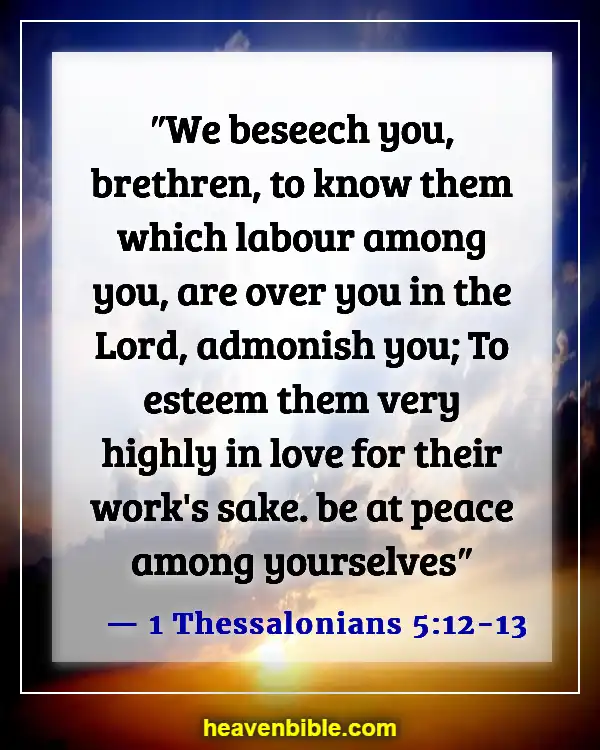
A pastor’s brand does not exist in a vacuum; it is perceived by the broader community. If the brand is associated with scandal or hypocrisy, it damages the “parent brand” (the Church). Therefore, the Bible mandates a level of conduct that protects the “Moral Authority” of the leader. Without this authority, the pastor’s “voice” in the marketplace of ideas becomes noise rather than signal.
Crisis Management and Brand Accountability
In the corporate world, a brand crisis can lead to a drop in stock price or a consumer boycott. In the biblical context, a pastoral failure has eternal implications. Because of this, the Bible provides a robust framework for accountability and crisis intervention.
Biblical Standards for Reputation Management
The Bible does not ignore the reality that leaders fail. However, it sets a high bar for how those failures are handled to prevent total brand collapse. 1 Timothy 5:19-20 outlines a “Due Diligence” process for accusations against leaders: “Do not admit a charge against an elder except on the evidence of two or three witnesses.”
This is a strategic approach to protecting a brand from unfounded attacks while maintaining a clear process for addressing genuine issues. When a leader does fail, the Bible calls for public rebuke—not to destroy the person, but to preserve the integrity of the collective brand. This transparency is a hallmark of “Crisis Communication” done correctly; it acknowledges the flaw and demonstrates a commitment to the original standards.
The Weight of Influence: Lessons from Apostolic Leadership
The Bible describes the pastoral role as a “noble task,” but one that carries “stricter judgment” (James 3:1). In professional terms, this is the recognition of “High-Stakes Influence.” The more power a brand has to influence behavior, the more responsibility it has to act ethically.
Pastors are warned against being “greedy for money” or “lording it over” their followers. These are classic examples of “Brand Overreach” and “Exploitative Marketing.” By setting these boundaries, the Bible protects the brand from becoming a cult of personality. The focus must always remain on the “Value Proposition”—the spiritual growth of the people—rather than the enrichment or glorification of the leader.
Building a Community Legacy: Beyond the Individual
A truly great brand outlasts its founder. One of the most significant things the Bible says about pastors is that their ultimate goal should be to reproduce their leadership in others. This is the essence of “Brand Scaling” and “Succession Planning.”
Successor Planning and Sustainability
In 2 Timothy 2:2, the Apostle Paul provides a blueprint for brand continuity: “What you have heard from me… entrust to faithful men, who will be able to teach others also.” This is a four-generation model of leadership development.
From a brand strategy perspective, this ensures the “Mission Statement” remains intact long after the current CEO (the pastor) has retired. The Bible views the pastor not as a solo performer, but as a “Brand Manager” whose job is to train “Brand Ambassadors” (disciples). This ensures the sustainability of the organization and prevents the brand from dying out when the individual leader departs.

Scaling Impact without Diluting the Mission
As a church grows, the pastor’s role often shifts from direct service to “Strategic Oversight.” The Bible addresses this “Scaling Challenge” in Acts 6, where the early leaders (Apostles) realized they could not handle every administrative task without neglecting their core competency (the Word and prayer).
They “delegated” responsibilities to others (deacons), which allowed the organization to scale efficiently without losing focus on its “Core Offering.” For a modern pastor, this biblical precedent emphasizes the importance of organizational structure. A brand cannot grow if the leader is a bottleneck. By empowering others, the pastor ensures that the brand’s “Service Delivery” remains high-quality even as the “Customer Base” expands.
In conclusion, what the Bible says about pastors provides a sophisticated and timeless template for leadership branding. It emphasizes that a leader’s “Public Brand” must be a true reflection of their “Internal Reality.” By focusing on integrity, consistent communication, accountability, and legacy, the biblical model creates a brand that is not only influential but also enduring. Whether in the pulpit or the boardroom, these principles of “Shepherd Leadership” remain the gold standard for anyone looking to build a brand that truly matters.
aViewFromTheCave is a participant in the Amazon Services LLC Associates Program, an affiliate advertising program designed to provide a means for sites to earn advertising fees by advertising and linking to Amazon.com. Amazon, the Amazon logo, AmazonSupply, and the AmazonSupply logo are trademarks of Amazon.com, Inc. or its affiliates. As an Amazon Associate we earn affiliate commissions from qualifying purchases.