
From ancient liturgical chants to the soaring anthems of modern worship, music has been an inseparable companion to humanity’s spiritual journey. Across millennia and cultures, its power to evoke emotion, unite communities, and transmit meaning has been undeniable. For billions, the Bible serves as the ultimate authority on matters of faith and practice, and its pronouncements on music offer profound insights not just into spiritual expression, but also into how music functions as a potent force in shaping identity, forging communal bonds, and solidifying the “brand” of faith itself. This exploration delves into the biblical perspective on music, examining its role in worship, its influence on the human spirit, and its capacity to serve as a powerful tool for collective identity and the propagation of religious conviction.

The Divine Orchestration: Music as a Sacred Offering and Communication Tool
The Bible frequently presents music not merely as an enjoyable art form, but as an integral component of divine worship and a direct channel for communicating with the sacred. This perspective elevates music beyond mere entertainment, positioning it as a deliberate and meaningful act of devotion, central to the very “branding” of a relationship with the divine.
Harmonizing with the Heavens: Music in Worship and Praise
From the earliest accounts, music is intertwined with expressions of praise and adoration. The Psalms, a collection of poetic songs and prayers, are perhaps the most potent testament to this. Many are explicitly titled “for the director of music,” indicating their intended performance in a worship setting. These psalms employ a rich tapestry of musical language, calling for “loud cymbals,” “psalteries and harps,” and a variety of vocalizations. This wasn’t just about making pleasant sounds; it was about orchestrating a holistic offering to God. The act of communal singing and instrumental accompaniment served to unify the worshipping congregation, creating a shared experience that reinforced their collective identity as a people set apart by their devotion. The sounds created were intended to be a “sweet aroma” to God, a deliberate and artful expression of their commitment. This meticulous attention to the performance and instrumentation of worship music highlights its branding function: it was a distinct and recognizable way to identify and engage with the divine, setting their worship apart from the practices of surrounding cultures.
The Voice of the Spirit: Music as a Vehicle for Prophecy and Revelation
Beyond praise, the Bible also portrays music as a conduit for divine inspiration and prophetic utterance. In the Old Testament, figures like Miriam, David, and Asaph are described as prophets who also led musical praise. The Sons of Asaph, in particular, were designated musicians in the Temple, tasked with prophesying through music. This suggests that music could carry divine messages, offering comfort, guidance, and even foretelling future events. The performance of music was not just an act of reception but also an act of articulation, allowing the divine will to be expressed in a way that resonated deeply with the human heart. This form of spiritual communication contributes to the unique “brand” of faith, imbuing it with a sense of direct divine guidance and revelatory power. The melodies and rhythms could convey nuances of emotion and spiritual truth that mere spoken words might struggle to capture, thus enhancing the profound impact and memorability of the religious message.
The Sound of Obedience: Music in Ritual and Sacred Space
Music was woven into the fabric of Israelite religious life, appearing in significant rituals and within the sacred spaces of the Tabernacle and later the Temple. The blowing of trumpets, for instance, served various functions, from calling assemblies to signaling significant moments in worship, and even in times of war. These sonic signals were crucial for maintaining order, signaling divine presence, and reinforcing the established structures of their faith community. The specific types of instruments and the occasions for their use created a recognizable sonic identity for their worship, a distinct auditory signature that reinforced their covenant relationship with God. This deliberate use of sound in ritualistic contexts served to brand their practices as divinely ordained and distinct, providing a framework for communal participation and reinforcing the collective identity of the people.
The Emotional Resonance: Music’s Impact on the Human Psyche and Social Cohesion
The biblical perspective on music acknowledges its profound capacity to influence human emotions, shape individual character, and foster strong social bonds. From solace and encouragement to the potential for distraction and manipulation, music’s power is presented as a double-edged sword, wielded with awareness of its significant impact on the “brand” of one’s inner life and communal interactions.
A Balm for the Soul: Music as a Source of Comfort and Encouragement
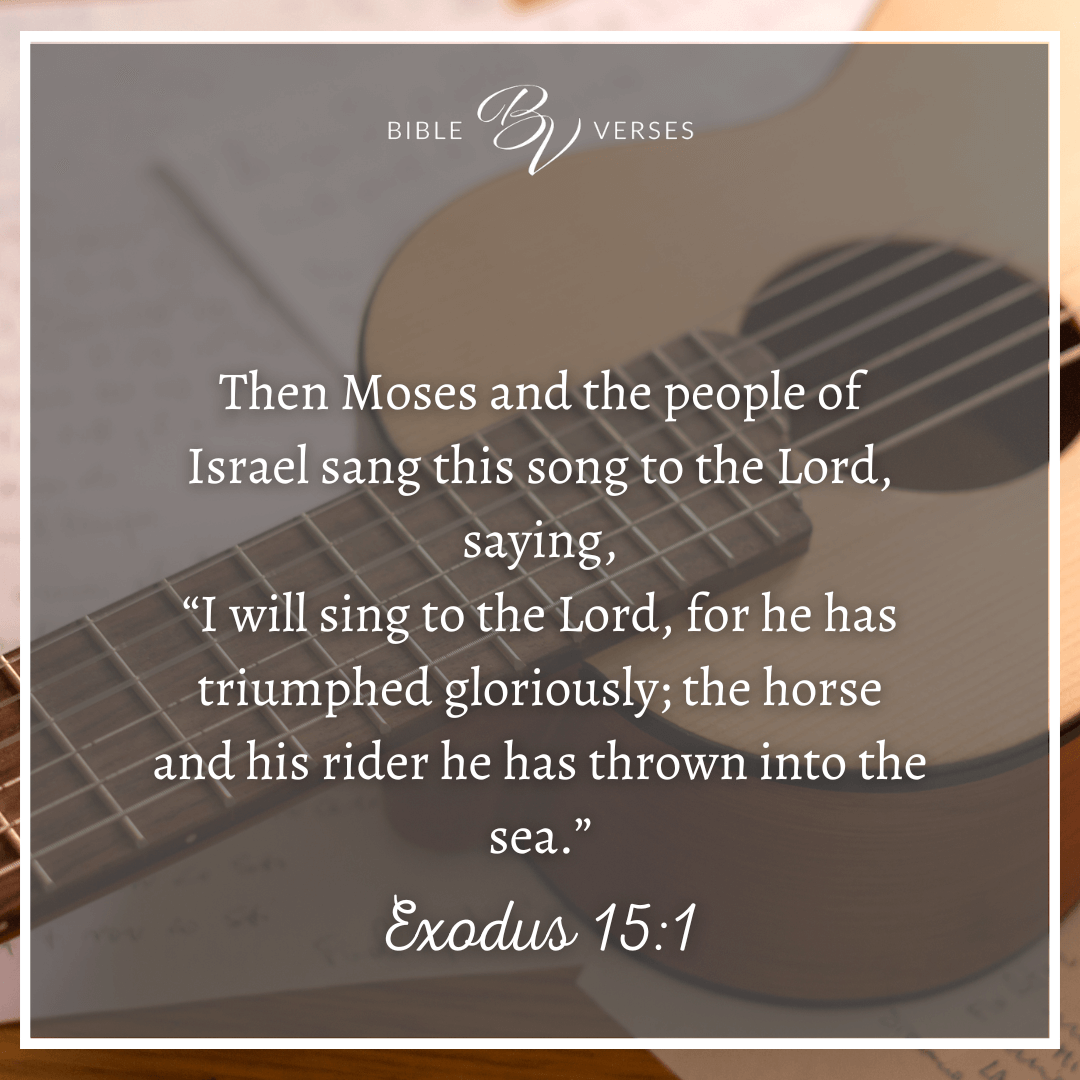
In moments of distress and sorrow, music is often depicted as a source of solace and rejuvenation. The story of King Saul, plagued by evil spirits, illustrates this when he is soothed by David’s harp playing. This highlights music’s ability to calm turbulent emotions and bring peace. In the New Testament, Paul encourages believers to “speak to one another with psalms, hymns and spiritual songs. Sing with gratitude in your hearts to God.” This directive underscores music’s role in fostering mutual encouragement and spiritual uplift within the community. The shared experience of singing and listening to music can create a powerful sense of solidarity and shared emotional experience, reinforcing the communal aspect of faith and strengthening the collective “brand” of the believers. It provides a non-verbal language for expressing shared joys and sorrows, further solidifying their identity as a unified group.
The Double-Edged Melody: Caution Against Corrupting Influences
While celebrating music’s positive attributes, the Bible also issues warnings about its potential for negative influence. Wisdom literature, such as Proverbs, often contrasts the righteous and the wicked, and in this context, music can be associated with revelry, drunkenness, and folly. The “song of the foolish” is contrasted with the “song of the wise.” This suggests a discerning approach is necessary, recognizing that music can be used to promote harmful behaviors and values. The implication is that the “branding” of one’s life through musical choices matters; certain sounds and lyrical content can subtly erode one’s spiritual integrity. This caution highlights the importance of aligning musical consumption and production with the core values of their faith, ensuring that the “brand” of their personal and communal expression remains consistent with their spiritual identity.
The Unifying Chord: Music as a Catalyst for Community and Identity
Music, particularly communal singing, is a potent force for building and sustaining community. The act of singing together synchronizes voices and hearts, fostering a sense of belonging and shared purpose. In ancient Israel, festivals and religious gatherings were marked by music, solidifying their national and religious identity. In the New Testament, the practice of singing “psalms, hymns, and spiritual songs” within the Christian community served to knit believers together, reinforcing their shared faith and distinct identity as the body of Christ. This collective expression of faith through music acts as a powerful branding mechanism, making their shared identity tangible and audible. It creates an audible and memorable representation of their collective commitment, differentiating them from the world and solidifying their internal cohesion.
The Enduring Harmony: Music in Eschatology and the Future Kingdom
The Bible’s vision of the future, particularly in the book of Revelation, continues to underscore the significance of music, portraying it as a central element of the heavenly realm and the ultimate triumph of divine purpose. This futuristic perspective further solidifies music’s enduring role in representing and celebrating the ultimate “brand” of God’s kingdom.
The Heavenly Chorus: Music in the Revelation of God’s Glory
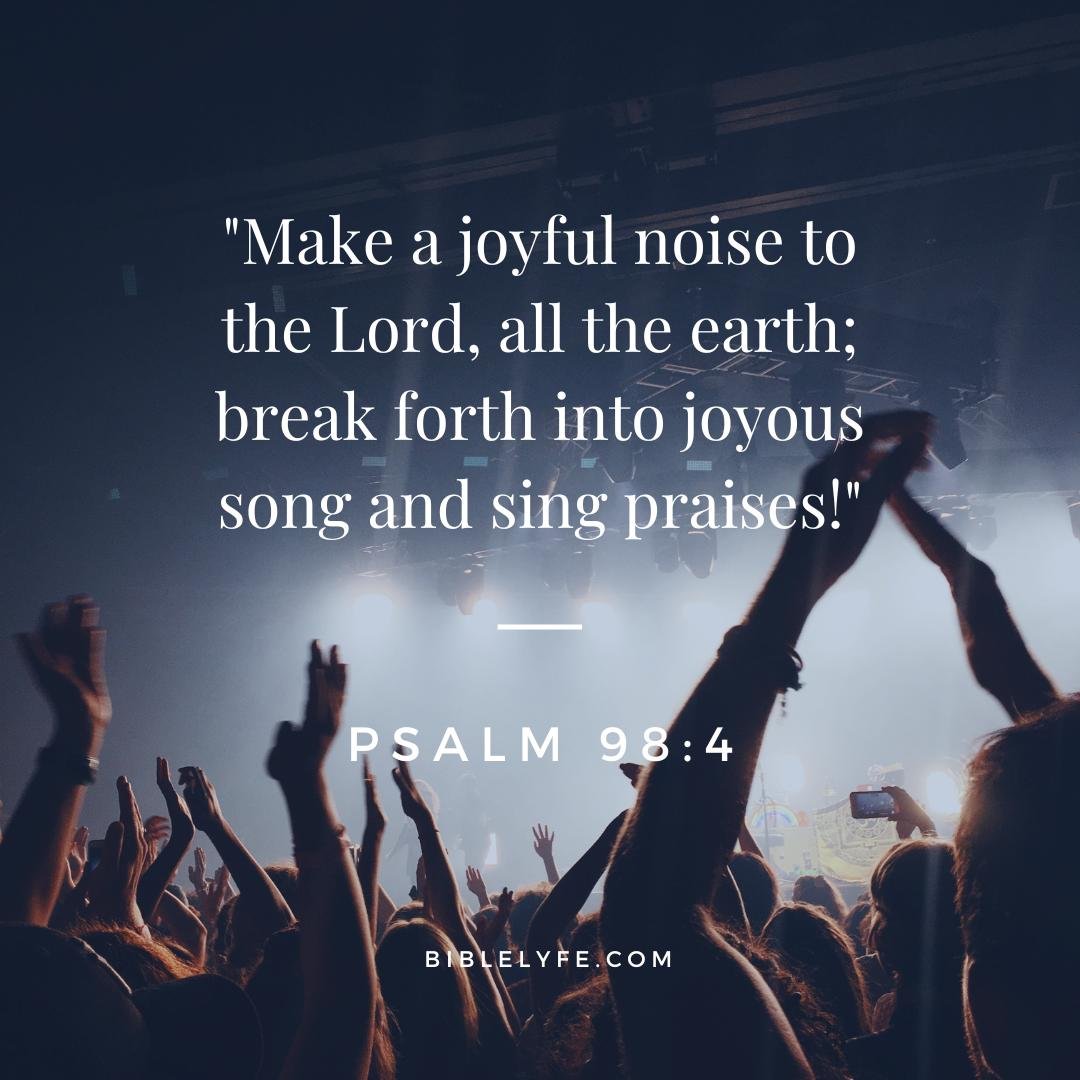
The book of Revelation paints vivid pictures of heavenly worship, where music is a constant and pervasive element. Angels, elders, and redeemed humanity are depicted singing praises, with “voices like the roar of rushing water or the sound of mighty thunder.” The description of the “new song” sung before the throne of God, a song that only the redeemed can learn, emphasizes music’s unique ability to express the profound experience of salvation and redemption. This heavenly music is not merely beautiful; it is an active proclamation of God’s worthiness and the ultimate victory of His plan. The sheer scale and omnipresence of music in these visions highlight its fundamental role in the ultimate expression of divine glory and the unified worship of creation. This celestial symphony represents the pinnacle of communal praise and the ultimate realization of the divine “brand” as it is universally acknowledged and adored.
The Symphony of Salvation: Music as a Testament to God’s Redemptive Plan
The recurring theme of music in Revelation underscores the idea that God’s redemptive plan culminates in an eternal symphony of praise. The “new song” is a testament to God’s transformative power, celebrating the victory over sin and death. This continuous expression of gratitude and adoration serves as an enduring testament to the efficacy and ultimate triumph of God’s salvific narrative. The very act of singing praises, both in earthly worship and in the heavenly vision, reinforces the enduring appeal and recognizable “brand” of the divine kingdom. It is a constant reminder of what has been accomplished and what is yet to come, solidifying the hope and identity of believers. The consistent presence of music across biblical narratives, from ancient tabernacle rituals to the final celestial chorus, solidifies its indispensable role in both the expression and the enduring perception of the divine purpose.
aViewFromTheCave is a participant in the Amazon Services LLC Associates Program, an affiliate advertising program designed to provide a means for sites to earn advertising fees by advertising and linking to Amazon.com. Amazon, the Amazon logo, AmazonSupply, and the AmazonSupply logo are trademarks of Amazon.com, Inc. or its affiliates. As an Amazon Associate we earn affiliate commissions from qualifying purchases.