
The Bible, a foundational text for billions worldwide, addresses the concept of healing extensively, encompassing physical, emotional, and spiritual restoration. While often perceived as solely a matter of divine intervention, a deeper examination reveals a nuanced perspective that integrates faith, human action, and God’s grace. This exploration delves into the biblical understanding of healing, not as a singular event, but as a multifaceted process woven into the fabric of human existence and God’s redemptive plan.
The Nature of Healing in Biblical Narrative
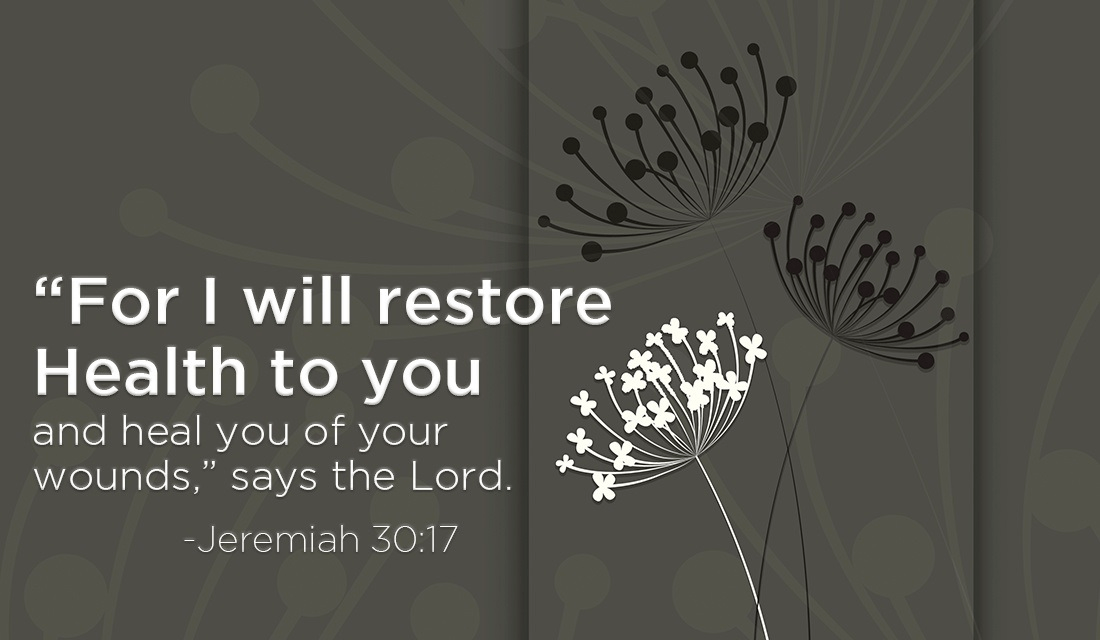
Biblical narratives are replete with accounts of miraculous healings, often performed by prophets, apostles, and Jesus himself. These instances serve not only as demonstrations of divine power but also as profound metaphors for spiritual renewal and the restoration of a broken world. The Bible presents healing as a testament to God’s compassion, his desire for well-being, and his ultimate authority over all forms of suffering.
Divine Power and Miraculous Intervention
The Old Testament showcases divine healing through figures like Elijah and Elisha, who raised the dead and cured leprosy. These acts were often direct manifestations of God’s power, intended to affirm their prophetic authority and to reveal God’s care for his people. However, these miracles were not always widespread or universally accessible. They were often specific events designed to serve a particular purpose within God’s larger covenantal dealings with Israel.
In the New Testament, Jesus’ ministry is characterized by an extraordinary outpouring of healing. He healed the blind, the lame, the deaf, and the lepers, often with a touch or a word. These healings were not merely physical remedies; they were signs of the Kingdom of God breaking into the present, demonstrating Jesus’ authority over disease, death, and demonic forces. For example, the healing of the paralytic lowered through the roof (Mark 2:1-12) was accompanied by the pronouncement of forgiveness of sins, linking physical healing with spiritual reconciliation. Similarly, Jesus’ command to the healed lepers to show themselves to the priests (Matthew 8:4) integrated obedience to religious law with the experience of divine mercy, suggesting that physical healing could also have a social and spiritual dimension. The feeding of the multitudes, while not a direct healing, can be seen as a form of miraculous provision and sustenance, a broader aspect of God’s care that extends to all human needs, including those that lead to physical weakness and suffering. These accounts emphasize that God’s power to heal is not limited to specific ailments but encompasses the restoration of wholeness.
The Role of Faith in Receiving Healing
A recurring theme in biblical healing narratives is the importance of faith. Jesus frequently responded to healing requests by acknowledging the faith of the individual or those seeking healing on their behalf. “Your faith has made you well” (Luke 8:48) is a direct affirmation of this connection. This doesn’t imply that healing is conditional solely on human belief, but rather that faith is a conduit through which God’s healing power operates. It signifies trust, reliance, and an openness to receive God’s grace.
The Bible also explores instances where faith was absent or wavering, and the impact on healing. In Nazareth, Jesus’ hometown, his ministry was limited due to the people’s lack of faith (Mark 6:5-6). This suggests that while God’s power is absolute, human receptivity plays a significant role in the manifestation of that power. It’s not that God is unable to heal apart from faith, but rather that faith aligns the recipient with the divine intention for wholeness. The woman with the issue of blood, who touched Jesus’ garment, exemplifies this. Her inner conviction, “If I only touch his garment, I will be made well” (Mark 5:28), demonstrates a profound belief that led to her immediate healing. This demonstrates that faith, in its most potent form, is an active, confident expectation of God’s goodness.
Pathways to Healing: Beyond Miracles
While miraculous healing is prominent, the Bible also presents a broader understanding of healing that involves human responsibility, community support, and the application of wisdom. It is not solely a passive reception of a divine act, but often an active pursuit that incorporates both spiritual and practical elements.
The Ministry of Prayer and Intercession
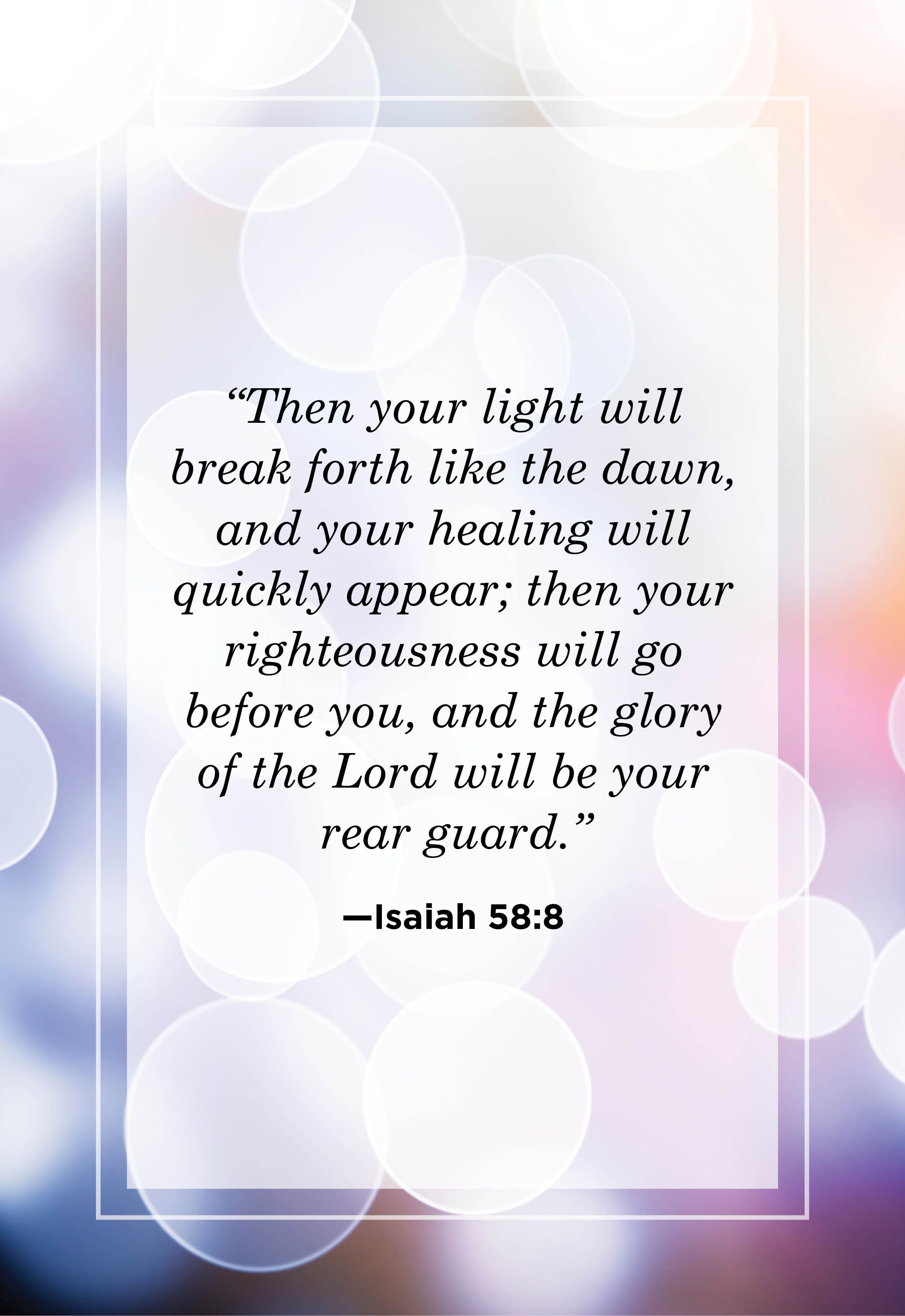
Prayer is central to the biblical approach to healing. The faithful are encouraged to bring their concerns, including sickness, before God. The Epistle of James strongly emphasizes this: “Is anyone among you suffering? Let him pray. Is anyone cheerful? Let him sing praise. … The prayer of a righteous person has great power as it is working” (James 5:13-16). This passage highlights prayer not just as a plea, but as an active engagement with God, a means of bringing human need into divine care.
The Bible also promotes intercessory prayer, where believers pray for one another. This communal aspect underscores that healing is not solely an individual endeavor but a shared journey of faith. When Jesus taught his disciples to pray, he included the petition “give us this day our daily bread” (Matthew 6:11), a prayer for sustenance that implicitly encompasses all forms of human need, including health. The early church actively engaged in praying for the sick, as evidenced in the book of Acts, where Peter’s shadow falling on the sick brought healing (Acts 5:15-16), and Paul’s handkerchiefs and aprons carried by the sick resulted in the departure of sickness and the expulsion of evil spirits (Acts 19:11-12). These accounts, while highlighting divine power, also point to the active role of the community and its spiritual leaders in facilitating healing.
The Use of Means and Human Agency
The Bible does not advocate for a passive reliance on miracles alone, neglecting human means. The wisdom literature, particularly Proverbs, often speaks of seeking knowledge, wisdom, and taking prudent steps to maintain health and well-being. While not explicitly about healing from illness, the underlying principle is that God has endowed humanity with the capacity for reason and action.
When considering illness, the Bible doesn’t discourage the use of medical assistance. Jesus himself stated, “It is not the healthy who need a doctor, but the sick” (Matthew 9:12), acknowledging the role of healthcare professionals. While specific medical practices of the time were different, the principle of seeking help from those with knowledge and skill to alleviate suffering is consistent with biblical teaching. The application of remedies, whether herbal or, in modern times, pharmaceutical and surgical, can be seen as cooperating with God’s created order and his provision of natural laws and human ingenuity. The Bible encourages us to be good stewards of our bodies, which are considered temples of the Holy Spirit (1 Corinthians 6:19-20). This stewardship includes making informed choices about diet, exercise, and seeking appropriate medical care when needed.
Holistic Healing: Body, Soul, and Spirit
Biblical healing is consistently portrayed as holistic, addressing the interconnectedness of physical, emotional, and spiritual well-being. Sickness and suffering are often understood as having roots that extend beyond the purely physical. Therefore, true healing involves restoration on all these levels.
Emotional and Spiritual Restoration
The Bible frequently links physical ailments with emotional distress, guilt, or spiritual brokenness. Forgiveness, peace, and reconciliation are often presented as integral components of healing. Jesus’ first recorded public act of healing involved forgiving sins (Luke 5:20), demonstrating that spiritual health is foundational. The psalms are filled with laments of distress that are often resolved by finding solace and restoration in God.
The concept of “wholeness” (shalom in Hebrew) in the Bible encompasses more than just the absence of disease; it signifies completeness, well-being, and flourishing in all aspects of life. This extends to emotional healing, where anxieties can be replaced by peace through faith (Philippians 4:6-7), and where burdens can be cast upon God (1 Peter 5:7). Spiritual healing, therefore, involves the restoration of one’s relationship with God, the mending of a fractured spirit, and the liberation from spiritual bondage. This multifaceted understanding of healing underscores that the human person is a unified entity, and that true restoration addresses the entirety of one’s being.

The Ultimate Healing: Redemption and Eternity
Ultimately, the Bible points to a future, perfect state of healing and restoration, often referred to as the “new heavens and new earth” (Revelation 21:1). In this eschatological vision, all suffering, sickness, and death will be abolished. “He will wipe away every tear from their eyes, and death shall be no more, neither shall there be mourning, nor crying, nor pain anymore, for the former things have passed away” (Revelation 21:4). This promise offers a profound hope for ultimate healing, transcending the limitations of earthly existence.
This ultimate healing is achieved through the redemptive work of Jesus Christ. His sacrifice and resurrection are presented as the ultimate victory over sin and death, the root causes of much suffering and brokenness in the world. Therefore, while earthly healing is a significant aspect of God’s work, the Bible frames it within the larger narrative of God’s plan for complete redemption and eternal well-being. This perspective provides comfort and purpose even in the midst of present suffering, assuring believers that their present struggles are not the final word. The anticipation of this perfect state empowers individuals to endure present afflictions with faith and hope, knowing that a complete and lasting healing awaits.
aViewFromTheCave is a participant in the Amazon Services LLC Associates Program, an affiliate advertising program designed to provide a means for sites to earn advertising fees by advertising and linking to Amazon.com. Amazon, the Amazon logo, AmazonSupply, and the AmazonSupply logo are trademarks of Amazon.com, Inc. or its affiliates. As an Amazon Associate we earn affiliate commissions from qualifying purchases.