
When examining the intersection of ancient scripture and modern domestic living, pet ownership occupies a unique space. Many households today view dogs not merely as outdoor laborers or guardians, but as integral family members living within the inner sanctum of the home. However, readers of the Bible often encounter passages that seem to cast the canine in a negative light, leading to questions about the theological implications of keeping dogs inside our living spaces. To understand this, we must navigate the historical context of the Ancient Near East and differentiate between the cultural status of dogs in the biblical era and the companionship-based model of the twenty-first century.
The Cultural Landscape of the Ancient Near East
To properly interpret biblical references to dogs, one must first dismantle the modern projection of the “domesticated pet” back onto the ancient world. In the time the biblical texts were written, dogs were rarely the pampered companions found lounging on sofas in modern homes.
The Status of the Pariah Dog
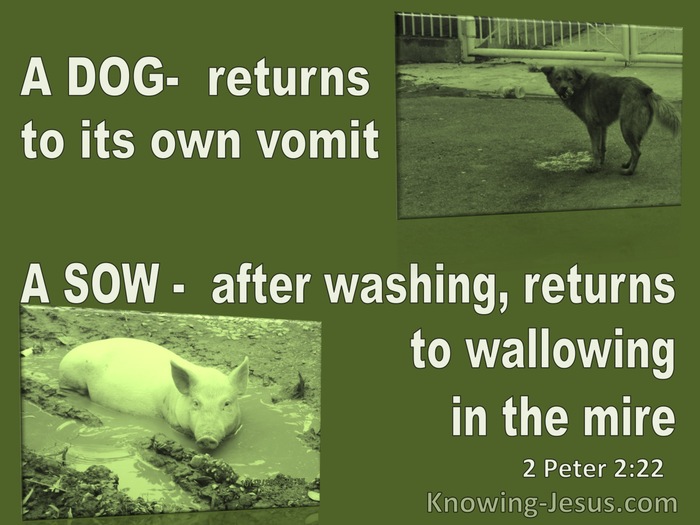
In the societies of Israel, Egypt, and Mesopotamia, the dog was largely a scavenger. These animals were not selectively bred for companionship or indoor temperament; they were feral, semi-wild creatures that roamed the outskirts of settlements. They subsisted on refuse, carrion, and the byproducts of city life. Because they were often associated with filth and disease, they were viewed as “unclean” by the standards of the Mosaic Law.
Dogs as Symbols of Lowliness
Because these feral dogs lived on the periphery of society, biblical authors frequently used the term “dog” as a metaphor for the lowest status of human beings. When someone in the Bible calls themselves a “dead dog,” they are highlighting their total insignificance or unworthiness in the eyes of a superior. This linguistic usage heavily colors the perception of the animal itself. When we read passages that seem harsh toward dogs, we are reading about the wild, scavenging creatures that posed a sanitary threat to ancient cities, not the Golden Retriever sleeping in the nursery.
Interpreting Biblical “Uncleanliness” and Domesticity
A primary source of confusion for modern readers is the ceremonial cleanliness laws found in the Torah. While these laws governed what was considered “clean” for the purposes of Temple worship and ritual purity, it is vital to distinguish between ritual impurity and moral character.
Ritual Purity vs. Household Morality
The Mosaic Law classified various animals as unclean, which prohibited them from being offered as sacrifices or, in some cases, consumed. However, the designation of “unclean” did not equate to “evil.” Domesticating a dog in a modern sense was not a category that existed within the strict legislative framework of the Levitical code. The Bible does not explicitly forbid keeping animals in the house; rather, it prescribes standards of hygiene and order. The concept of “dogs in the house” as a moral failing is absent from scripture. The ancient home was structured differently, often with livestock kept in close proximity, but the dog remained largely an exterior scavenger.
The Shift in Human-Animal Relationships
The modern “house dog” is a product of millennia of selective breeding, where traits such as loyalty, temperament, and trainability were prioritized. We have essentially transformed the nature of the canine species to be compatible with interior living. Because this transformation post-dates the writing of the biblical canon, it is a category error to apply ancient warnings about feral dogs to the modern domesticated house pet. The Bible remains silent on modern house pets because the modern house pet is a cultural development of the modern age.

Stewardship and the Biblical Mandate for Care
If the Bible does not explicitly address the modern house dog, how should a person of faith approach the responsibility of pet ownership? The answer lies in the overarching biblical theme of stewardship.
The Doctrine of Dominion
The book of Genesis establishes the principle of dominion, which, in the biblical context, is synonymous with responsible care and protection. Dominion is not a mandate for exploitation; it is a mandate for the preservation and flourishing of the created order. If an individual chooses to bring a living creature into their home, the biblical principle of stewardship suggests that this creature is now under their care. To provide food, shelter, safety, and kindness to a dog is to act in accordance with the mandate to care for the creation.
Compassion as a Reflection of Character
Proverbs 12:10 offers a concise, profound insight into the ethics of animal treatment: “The righteous care for the needs of their animals, but the kindest acts of the wicked are cruel.” This verse transcends the specific species mentioned. It establishes a binary: the righteous person is characterized by their empathy toward the creatures under their care. Whether that animal is a working sheepdog in an ancient pasture or a companion dog in a modern apartment, the standard remains the same—benevolent care.
Bridging the Gap Between Ancient Text and Modern Practice
Applying ancient wisdom to the modern “dog in the house” debate requires wisdom and discernment. We are not bound by the fear of scavenging packs, nor are we operating under the specific dietary restrictions of the Temple period.
Honoring the Family Dynamic
In the modern family unit, dogs frequently perform roles that provide emotional support and companionship. There is no biblical prohibition against the joy found in the companionship of a loyal animal. Indeed, the narrative of creation suggests a world where humans and nature exist in harmony. When a dog contributes to the health, happiness, and order of a household, it can be viewed as part of the blessing of a well-stewarded home.
Practical Wisdom: Order and Hygiene
While the Bible does not ban dogs, it does emphasize the importance of order, cleanliness, and the sanctity of the home. The home is a place for rest, family connection, and worship. As such, any domestic arrangement—including the presence of pets—should be managed in a way that promotes peace and health. If a dog is kept in a manner that reflects the owner’s commitment to responsibility and cleanliness, it aligns with the broader biblical principles of managing one’s household well.

Conclusion: A Principled Approach to Pets
Ultimately, the Bible’s silence on the specific practice of keeping dogs inside our homes is a form of freedom. It invites the believer to apply foundational principles—stewardship, compassion, order, and care—to the realities of their own life.
We are not to be guided by the literalism of ancient social customs regarding feral dogs, but rather by the spirit of the law, which calls us to be kind to the animals we choose to bring into our sphere of influence. A dog in the house, when cared for responsibly and treated with the dignity due to a living creature, is not a violation of scripture. Instead, it serves as an opportunity to exercise the kindness and stewardship that define a life of faith. By prioritizing the health of the household and the well-being of the animal, we align our domestic life with the enduring values of responsibility and love established in the text. Whether a dog resides on the porch or in the living room is a matter of cultural preference and practical stewardship, leaving the believer free to enjoy the companionship of a loyal pet while maintaining a home characterized by peace and intentionality.
aViewFromTheCave is a participant in the Amazon Services LLC Associates Program, an affiliate advertising program designed to provide a means for sites to earn advertising fees by advertising and linking to Amazon.com. Amazon, the Amazon logo, AmazonSupply, and the AmazonSupply logo are trademarks of Amazon.com, Inc. or its affiliates. As an Amazon Associate we earn affiliate commissions from qualifying purchases.