
The concept of fasting, as presented in the Bible, is far more than a simple act of abstaining from food. It’s a multifaceted spiritual discipline interwoven with themes of repentance, prayer, seeking divine guidance, and demonstrating a deep reliance on God. While the New Testament offers a nuanced perspective that emphasizes the internal rather than the ritualistic, the Old Testament lays a foundational understanding of fasting as a public and private expression of devotion, sorrow, and intercession. To truly grasp “what the Bible means by fasting,” we must explore its historical context, theological implications, and practical applications as revealed through scripture.
The Historical and Thematic Foundations of Biblical Fasting
Biblical fasting is not a singular event but a recurring motif throughout salvation history, appearing in various forms and contexts. Its presence underscores its significance as a recognized means of engaging with the divine. Understanding these foundational elements is crucial to appreciating the Bible’s comprehensive view.
Early Occurrences and Implicit Understandings
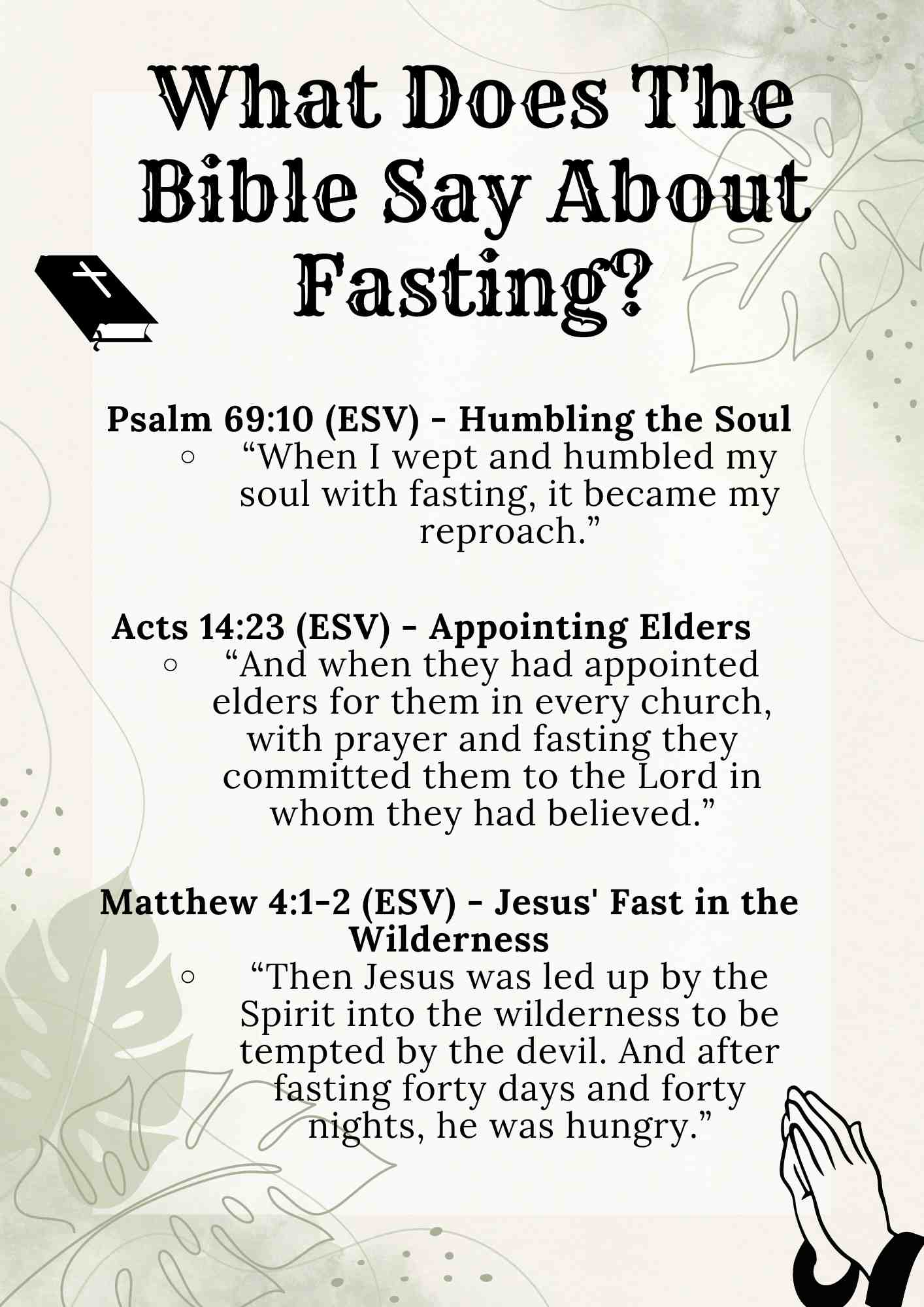
While specific laws mandating fasting were not initially established, the earliest expressions of sorrow and repentance in the Bible often implicitly involved fasting. For instance, after the tribes of Israel mourned their near-destruction of Benjamin, they wept and sat before the Lord, abstaining from food until evening (Judges 20:26). This suggests that fasting was an intuitive response to deep emotional or spiritual distress. Later, David, in his grief over the illness of Saul and Jonathan, fasted (2 Samuel 1:12). These early instances establish a precedent of fasting as a natural outpouring of a heart attuned to suffering and seeking solace or understanding from God.
The Day of Atonement: A Formal Mandate
The most explicit and significant instance of mandatory fasting in the Old Testament is the Day of Atonement, Yom Kippur. Leviticus 16:29-31 unequivocally states: “And it shall be a statute for you, a statute forever, that in the seventh month, on the tenth day of the month, you shall afflict yourselves and shall do no work, whether the native or the sojourner who sojourns among you. For on this day shall atonement be made for you, to cleanse you. From all your sins before the Lord you shall be clean. It is a Sabbath of solemn rest to you, and you shall afflict yourselves. It is a statute forever.” The term “afflict yourselves” (Hebrew: anah nefesh) is understood to encompass fasting, humbling oneself before God, and abstaining from all worldly comforts. This mandated fast was a national day of repentance, seeking forgiveness for the sins of the entire nation. It established fasting not just as a personal act but as a communal ritual of purification and reconciliation with God.
Prophetic Interpretations and Applications
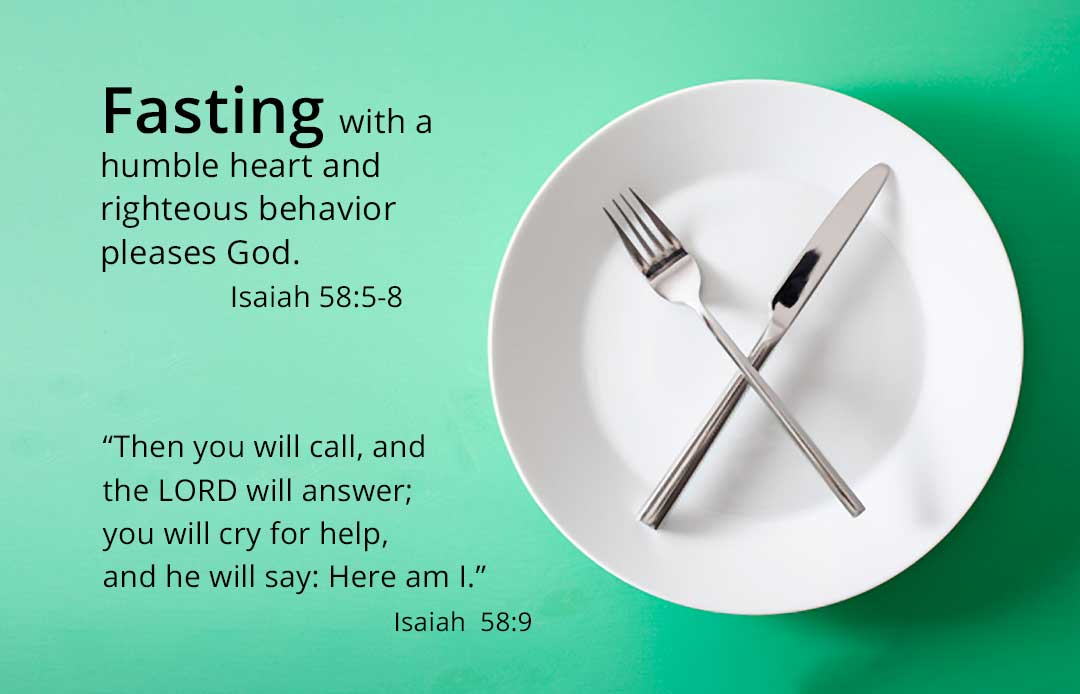
The prophets frequently spoke about fasting, often rebuking the Israelites for engaging in outward acts of fasting without the corresponding inner disposition of righteousness and justice. Isaiah 58:3-7 stands as a pivotal passage in this regard. The people questioned God, saying, “Why have we fasted, and you have not seen? Why have we humbled ourselves, and you have not known?” God’s response is direct: He highlights that their fasting was self-serving and devoid of true compassion. He states, “Is not this the fast that I choose: to loose the bonds of wickedness, to undo the straps of the yoke, to let the oppressed go free, and to break every yoke? Is it not to share your bread with the hungry and to bring the
The New Testament Perspective: Internalizing the Practice
Jesus and the early church introduced a significant shift in the understanding and practice of fasting. While the Mosaic Law prescribed specific fasts, Jesus taught a more internally focused approach, emphasizing that the outward act should be a genuine expression of an inner spiritual state.
Jesus and the Fasting of His Followers

Jesus himself, in the Sermon on the Mount, alludes to the practice of fasting when instructing his disciples on spiritual disciplines. He says, “And when you fast, do not look gloomy like the hypocrites, for they disfigure their faces that their importance may be seen by men. Truly, I say to you, they have received their reward. But when you fast, anoint your head and wash your face, that your fasting may not be seen by men but by your Father who is in secret. And your Father who sees what is done in secret will reward you” (Matthew 6:16-18). This teaching is revolutionary. It redirects the motivation for fasting from seeking human approval to seeking a deeper, hidden communion with God. The emphasis is on sincerity and humility, not on public display. Jesus also addresses the question of why his disciples did not fast like the disciples of John the Baptist. He famously responds, “Can the wedding guests mourn as long as the bridegroom is with them? The days will come, when the bridegroom is taken away from them, and then they will fast” (Matthew 9:15). This metaphor suggests that in the joyous presence of Jesus, a season of celebration and feasting was more appropriate. However, with his departure, fasting would become a means of continuing to seek his presence and his kingdom.
The Practice of the Early Church
The early church continued the practice of fasting, integrating it into their spiritual lives. Acts records several instances of fasting. Before Paul and Barnabas were sent out on their missionary journey, the church prayed and fasted and laid hands on them, commissioning them for their ministry (Acts 13:2-3). Later, when establishing elders in every church, they prayed with fasting before commending them to the Lord (Acts 14:23). This demonstrates that fasting was viewed as a vital component of prayer, decision-making, and spiritual preparation within the nascent Christian community. While there wasn’t a rigid legalistic framework, fasting was a common spiritual discipline employed in times of seeking God’s will, spiritual strengthening, and dedicating ministry. The Apostle Paul also mentions fasting in the context of enduring hardship for the sake of the Gospel: “in much less, in labors, in imprisonments, in frequent beatings, in being thrown into prison, in riots, in labors, in sleepless nights, in hunger, and thirst, often without food, in cold and nakedness” (2 Corinthians 11:27). Though not explicitly called “fasting,” this description aligns with the concept of voluntary deprivation for a higher purpose.
The Purpose and Principles of Biblical Fasting
Beyond historical observance and New Testament adaptation, the Bible consistently points to the underlying purposes and principles that define biblical fasting. These are not merely ritualistic requirements but deeply spiritual engagements designed to foster a closer relationship with God and to align one’s life with His will.
Repentance and Humility
A primary purpose of fasting throughout the Bible is to express repentance and humility before God. It is an outward sign of an inward sorrow for sin and a recognition of one’s dependence on God’s mercy. As seen in the Day of Atonement, fasting was a way for the nation to “afflict their souls,” acknowledging their fallen state and seeking divine forgiveness. In the New Testament, while not mandated as a public display, Jesus’ instruction to “wash your face” when fasting implies an inner cleansing and a turning away from sin. Fasting, in this sense, is a tool for spiritual detoxification, helping individuals to break free from sinful desires and attachments, fostering a more contrite and humble heart.
Seeking God’s Guidance and Intervention
Fasting is frequently employed as a means of seeking God’s direction and intervention in times of crisis, significant decisions, or profound need. David fasted while praying for the life of his infant son (2 Samuel 12:16). Esther and the Jews fasted and prayed for divine intervention before Esther approached King Xerxes to plead for her people’s deliverance (Esther 4:15-16). Jesus himself fasted for forty days in the wilderness before beginning his public ministry, a period of intense spiritual preparation and engagement with the tempter, ultimately strengthening his resolve and clarifying his divine mission (Matthew 4:1-2). This highlights fasting as a practice that intensifies prayer, clears the mind, and opens the heart to receive God’s wisdom and power. It’s a way of declaring, “We need God’s help, and we are willing to set aside worldly comforts to focus entirely on Him.”
Spiritual Discipline and Self-Control
Fasting is also a powerful spiritual discipline that cultivates self-control and reinforces the believer’s mastery over their fleshly desires. By voluntarily abstaining from food, a basic human need, individuals can gain a greater awareness of their dependence on God rather than on physical sustenance. This practice strengthens the spirit by mortifying the desires of the body, as described by the Apostle Paul: “But I discipline my body and keep it under control, lest after preaching to others I myself should be disqualified” (1 Corinthians 9:27). This self-discipline, born out of intentional fasting, can translate into greater victory over other temptations and a more focused pursuit of spiritual goals. It’s a tangible way to practice surrendering one’s will to God’s, demonstrating that one’s primary hunger is for God’s presence and righteousness.
Expressing Devotion and Love
Ultimately, biblical fasting is an expression of deep devotion and love for God. It is a willing sacrifice, an offering of time and desire redirected towards a spiritual pursuit. It signifies a heart that yearns for God above all else, prioritizing communion with Him over physical gratification. The act of fasting, when done with the right heart attitude, can be a profound act of worship, a testament to the believer’s commitment and their understanding that “man shall not live by bread alone, but by every word that comes from the mouth of God” (Matthew 4:4). It’s a holistic engagement of the person—body, soul, and spirit—in pursuit of the divine.
aViewFromTheCave is a participant in the Amazon Services LLC Associates Program, an affiliate advertising program designed to provide a means for sites to earn advertising fees by advertising and linking to Amazon.com. Amazon, the Amazon logo, AmazonSupply, and the AmazonSupply logo are trademarks of Amazon.com, Inc. or its affiliates. As an Amazon Associate we earn affiliate commissions from qualifying purchases.