
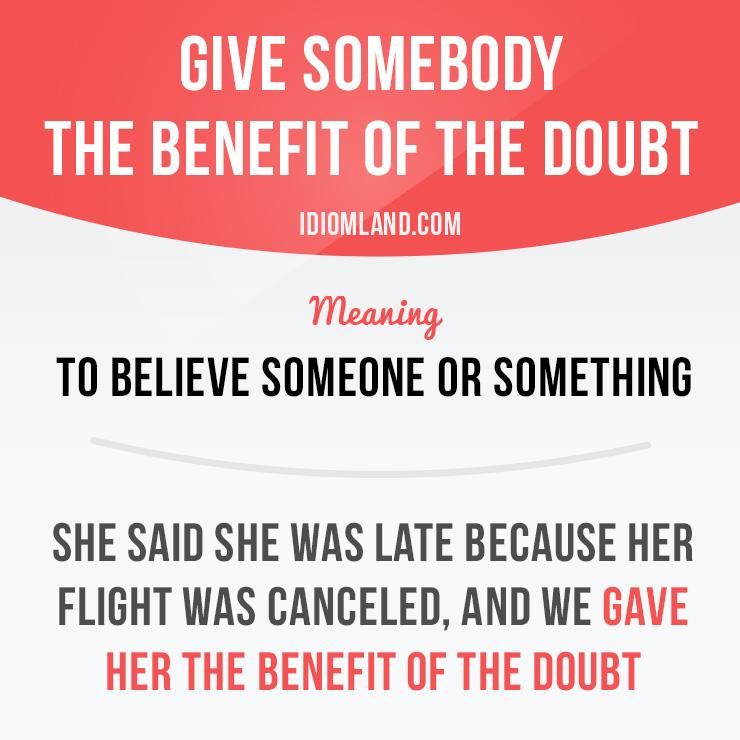
In the traditional sense, giving someone the “benefit of the doubt” means choosing to trust their intentions even when the evidence is ambiguous. In the high-stakes world of brand strategy and corporate identity, this concept transforms from a social grace into one of the most valuable intangible assets a company can possess. For a brand, the benefit of the doubt is the psychological buffer that exists between a mistake and a PR disaster. It is the reservoir of goodwill that allows a company to innovate, fail, and recover without losing its customer base.

When we ask what the benefit of the doubt means in a branding context, we are really talking about the ultimate expression of brand equity. It is the moment a consumer says, “I don’t like this new change, but I’ll wait to see where they are going with it,” or “They messed up my order, but they are usually so good that I’ll give them another chance.” Understanding and cultivating this sentiment is the difference between a brand that survives a crisis and one that is dismantled by it.
The Anatomy of Brand Trust: Why the Benefit of the Doubt is Your Greatest Asset
At its core, brand strategy is the art of managing expectations. When those expectations are consistently met over time, trust is established. However, the benefit of the doubt goes a step further than simple trust—it is a proactive form of loyalty where the consumer takes on a portion of the brand’s risk.
Defining Brand Equity as a Reservoir of Goodwill
In marketing theory, brand equity is often measured by financial metrics: price premiums, market share, and customer lifetime value. However, a more nuanced way to view equity is as a “reservoir of goodwill.” Every positive interaction a customer has with a brand—from a seamless checkout process to a helpful customer service call—adds a “drop” of water to this reservoir.
When a brand eventually makes a mistake (and every brand will), it must draw from this reservoir to survive. If the reservoir is full, the brand receives the benefit of the doubt; the public assumes the error was an anomaly rather than a systemic failure. If the reservoir is empty, even a minor stumble can lead to a catastrophic loss of reputation.
Moving from Transactional to Relational Branding
To earn the benefit of the doubt, a brand must move beyond transactional relationships. If your connection with a customer is purely based on price or convenience, you are rarely afforded any grace. The moment a cheaper or more convenient option arrives, or the moment you slip up, the customer leaves.
Relational branding, conversely, is built on shared values and emotional resonance. When a brand successfully communicates its “Why” (its purpose and identity), it builds a community of advocates. These advocates are the ones who provide the benefit of the doubt. They don’t just buy the product; they buy into the brand’s mission. In this niche, the benefit of the doubt means that your audience views themselves as being on the same team as your brand.
Cultivating the Benefit of the Doubt: Strategies for Corporate Identity
Earning the right to be trusted in the face of ambiguity does not happen by accident. it is the result of a deliberate, long-term brand strategy. Corporate identity must be anchored in behaviors that signal reliability and integrity long before a crisis occurs.
Consistency as the Foundation of Reliability
Consistency is the heartbeat of branding. It is not just about using the same logo or color palette; it is about the consistency of the experience. When a brand delivers a predictable level of quality over years or decades, it creates a “pattern of excellence.”
The human brain is wired to look for patterns. If the pattern is “this brand always delivers,” the brain will naturally dismiss a single negative data point as an outlier. This is the psychological mechanism of the benefit of the doubt. Brands like Apple or Patagonia can release products that occasionally miss the mark because their history of consistency encourages the market to view the failure as an “experimental misstep” rather than a decline in standards.
Transparency and the Radical Honesty Model
In the digital age, where information is decentralized, brands can no longer control the narrative through top-down messaging alone. Transparency has become a prerequisite for the benefit of the doubt.
When a company is radically honest about its supply chain, its pricing, or even its internal struggles, it builds a “trust account.” By admitting to small faults voluntarily, a brand gains the credibility to be believed when it defends itself against larger accusations. If a brand has spent years being transparent, the public is far more likely to believe their explanation during a complicated controversy. In this context, the benefit of the doubt is an earned privilege resulting from a history of not hiding the truth.
Crisis Management: When the Benefit of the Doubt Becomes a Safety Net

The true value of the benefit of the doubt is never more apparent than during a public relations crisis. In the absence of information, the public will fill in the blanks. Whether they fill those blanks with “they are greedy and careless” or “they probably made an honest mistake” depends entirely on the brand’s pre-existing reputation.
Navigating Public Relations Storms
When a crisis hits—be it a data breach, a product recall, or a leadership scandal—the first 24 hours are critical. Brands that have successfully cultivated the benefit of the doubt are given a “grace period.” The media and the public are often willing to wait for an official statement before rushing to judgment.
This grace period is invaluable. It allows the brand’s strategy team to gather facts and craft a meaningful response rather than reacting out of panic. Without the benefit of the doubt, the narrative is often written by critics before the company even has a chance to speak. For a brand with a poor identity, every silence is interpreted as guilt; for a brand with high equity, silence is often interpreted as diligence.
The Speed of Forgiveness in Loyal Communities
For brands with a strong “cult” following or a highly defined personal brand, the benefit of the doubt leads to a phenomenon known as the “speed of forgiveness.” In these ecosystems, the community often becomes the brand’s first line of defense.
Social media has amplified this. When a respected brand is attacked, its loyalists will often flood the comments to defend the company’s character. This organic defense is far more effective than any paid advertisement or corporate press release. The benefit of the doubt, when localized within a community, creates a self-healing brand identity that can withstand significant external pressure.
Leveraging Doubt in Market Differentiation and Innovation
Interestingly, the benefit of the doubt is not just a defensive tool; it is a powerful offensive strategy for innovation and market expansion. It allows a brand to venture into new territories where it has no prior experience, backed only by the strength of its name.
Launching New Products Under an Established Halo
When a trusted brand enters a new category—think of Dyson moving from vacuum cleaners to hair care, or Tesla moving from cars to solar energy—the “Halo Effect” provides them with an immediate benefit of the doubt. Consumers assume that because the brand is excellent in one category, it will be excellent in another.
This reduces the “barrier to trial.” Consumers are willing to spend money on an unproven product because they trust the brand identity behind it. This allows established brands to innovate more boldly than startups. They have the “license to fail” or the “license to experiment” because their audience trusts their overarching vision.
Personal Branding and the Human Connection
In the modern economy, personal branding is inextricably linked to corporate identity. CEOs and founders are often the faces of their brands. Here, the benefit of the doubt takes on a human element.
When a leader has a strong personal brand built on integrity and expertise, the company inherits that trust. If the leader is perceived as a visionary or a person of high character, the market is more likely to give the company the benefit of the doubt during lean quarters or technical pivots. The human connection creates a level of empathy that a faceless corporation can never achieve.
Measuring the Intangible: Is Your Brand Earning Its Benefit?
While the benefit of the doubt is an intangible concept, its presence (or absence) can be tracked through specific brand health metrics. Strategy teams must constantly monitor whether their “reservoir of goodwill” is rising or falling.
Sentiment Analysis and Brand Health Metrics
Modern brand strategy utilizes AI-driven sentiment analysis to gauge how the public perceives a brand’s actions. By analyzing the tone of social media conversations and press coverage during minor hiccups, a brand can determine if it currently enjoys the benefit of the doubt.
If the public reaction to a small mistake is disproportionately aggressive, it is a clear signal that the brand’s trust reservoir is low. This data should inform a pivot in strategy, moving away from aggressive sales and toward “trust-building” initiatives like community engagement or improved corporate social responsibility (CSR).
The Long-term ROI of Ethical Branding
Ultimately, the benefit of the doubt is the long-term ROI of ethical branding. Investing in high-quality materials, fair labor practices, and exceptional customer service might seem expensive in the short term, but these are the very things that fill the reservoir.
In the world of finance, we talk about insurance. In the world of branding, the benefit of the doubt is your insurance. It is the only thing that can protect a brand from the unpredictable nature of the modern marketplace. Brands that prioritize their identity and their relationship with the consumer find that, when the clouds gather and doubt arises, their audience is willing to look for the best in them. That is the true power of a strategic brand identity: it turns skeptics into believers and mistakes into opportunities for deeper connection.
aViewFromTheCave is a participant in the Amazon Services LLC Associates Program, an affiliate advertising program designed to provide a means for sites to earn advertising fees by advertising and linking to Amazon.com. Amazon, the Amazon logo, AmazonSupply, and the AmazonSupply logo are trademarks of Amazon.com, Inc. or its affiliates. As an Amazon Associate we earn affiliate commissions from qualifying purchases.