
The exchange of wedding rings is a timeless tradition, a tangible symbol of commitment and love that spans cultures and generations. As couples embark on the journey of planning their nuptials, one of the most significant and often debated expenses is the cost of wedding rings. Beyond the sentimental value, these precious adornments represent a considerable financial investment, and understanding the average cost is crucial for budgeting and making informed decisions. This article delves into the multifaceted factors that influence wedding ring prices, exploring the current landscape of average expenditure and providing insights to help engaged couples navigate this important purchase.
Understanding the Factors Influencing Wedding Ring Costs
The price tag of a wedding ring is far from a simple number; it’s a complex equation influenced by a confluence of elements, each playing a vital role in determining the final cost. From the very essence of the metal to the sparkle of the stones, every detail contributes to the overall value.
The Metal: Foundation of the Ring’s Value
The material from which a wedding ring is crafted is arguably the most significant determinant of its price. Precious metals, prized for their beauty, durability, and inherent value, form the bedrock of most wedding bands.
Precious Metal Options and Their Price Points
Gold remains a perennial favorite, its warm hue and classic appeal making it a popular choice. The cost of gold rings varies significantly based on the karat – the purity of the gold. 24-karat gold is pure gold, but it’s too soft for everyday wear and is rarely used in jewelry. More commonly, 14-karat gold (58.3% pure) and 18-karat gold (75% pure) are utilized. 18-karat gold, being purer, will naturally command a higher price than 14-karat gold. Furthermore, the color of gold – yellow, white, or rose – can subtly impact price, though this is often more a matter of fashion and material processing than inherent value difference. Yellow gold is typically the most straightforward and can sometimes be the most affordable. White gold, which is naturally yellow gold mixed with white metals like palladium or nickel and then plated with rhodium, can sometimes be slightly more expensive due to the additional processing. Rose gold, created by alloying gold with copper, usually falls within a similar price range to yellow and white gold.
Platinum, a naturally white and exceptionally durable metal, is often considered the most luxurious and expensive option. Its rarity, density, and hypoallergenic properties contribute to its premium price. Platinum is significantly denser than gold, meaning a platinum ring of the same size will weigh more and therefore be more expensive due to the higher metal content. Its resistance to tarnishing and scratching also adds to its long-term value.
Palladium, a member of the platinum group of metals, has gained traction as a more affordable alternative to platinum. It shares many of platinum’s desirable qualities, including a silvery-white appearance and durability, though it is slightly less dense. Its growing popularity has also influenced its price, which can fluctuate.
Other Metals: While less traditional for wedding rings, alternative metals like tungsten carbide, titanium, and cobalt are gaining popularity, particularly for men’s wedding bands, due to their extreme durability and significantly lower cost. These metals are virtually scratch-proof and incredibly strong, making them ideal for active lifestyles, but they lack the inherent precious value of gold or platinum and cannot be resized.
The Centerpiece: Diamonds and Gemstones
For many, a wedding ring is synonymous with a diamond, and the presence and characteristics of a diamond or other gemstone are paramount in determining its cost. The iconic “four Cs” – cut, color, clarity, and carat weight – are the universal standard for grading diamonds and directly influence their price.
The “Four Cs” of Diamonds and Their Impact on Price
- Cut: This refers to the proportions, symmetry, and polish of the diamond, which dictate how well it reflects and refracts light. A well-cut diamond will sparkle brilliantly, and this quality is often considered the most important factor affecting a diamond’s beauty and, consequently, its price. The more precise and skillful the cut, the higher the cost.
- Color: Diamond color is graded on a scale from D (colorless) to Z (light yellow or brown). The closer a diamond is to being colorless, the rarer and more valuable it is. While slight tints might not be perceptible to the untrained eye, they significantly impact the price.
- Clarity: This measures the presence of internal inclusions (flaws within the diamond) and external blemishes (imperfections on the surface). Diamonds are graded on a scale from Flawless (no inclusions or blemishes visible under 10x magnification) to Included (inclusions visible to the naked eye). The fewer and smaller the imperfections, the higher the clarity grade and the more expensive the diamond.
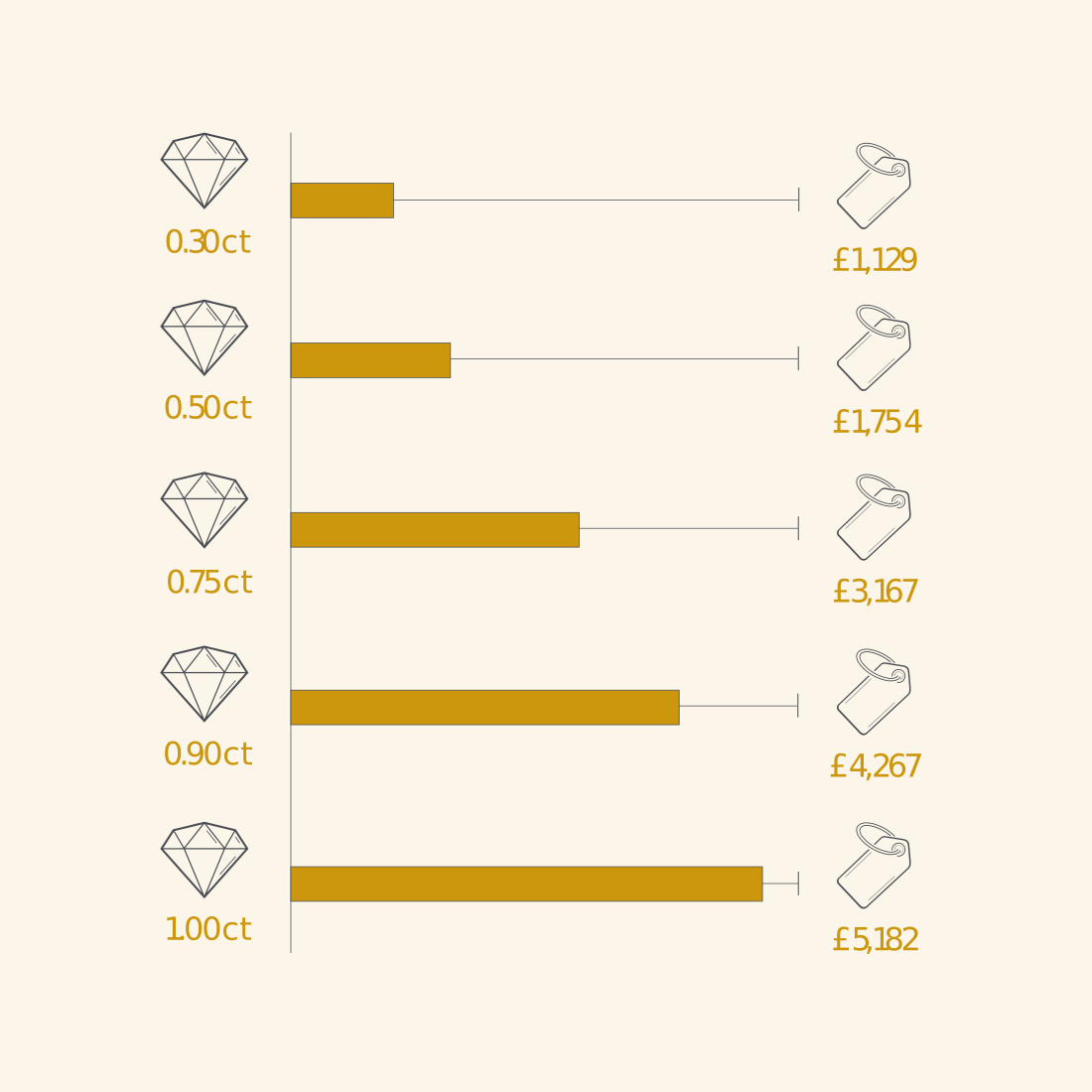
- Carat Weight: This is the unit of weight for a diamond, where one carat is equal to 0.2 grams. Generally, the larger the diamond, the higher its price. However, the relationship isn’t linear; a two-carat diamond will cost significantly more than twice the price of a one-carat diamond of comparable quality due to rarity.
Beyond Diamonds: Alternative Gemstones
While diamonds dominate the wedding ring market, other gemstones offer vibrant alternatives at varying price points. Sapphires, emeralds, and rubies are popular choices, offering rich color and significant beauty. Their prices are influenced by their own grading factors, such as color saturation, clarity, and carat weight. For instance, a vivid blue sapphire can be quite valuable, while less saturated or included stones will be more affordable. Moissanite, a lab-created gemstone with exceptional brilliance and hardness, has emerged as a popular and cost-effective alternative to diamonds, offering a similar sparkle at a fraction of the price.
Design and Craftsmanship: The Artistry Behind the Ring
The intricacy of a ring’s design and the skill of the artisan who creates it also contribute significantly to its cost.
Complexity of Design and Setting Styles
A simple, unadorned band will naturally be less expensive than a ring featuring elaborate detailing, intricate filigree, milgrain accents, or custom engravings. The complexity of the design requires more time, specialized tools, and often, higher levels of craftsmanship.
The setting style for any gemstones also plays a role. A solitaire setting, where a single stone is prominently displayed, might be simpler than a halo setting (where smaller stones surround the center stone) or a pavé setting (where tiny diamonds are set closely together in a row). Each setting requires different techniques and a varying number of stones, influencing the overall cost.
The Influence of Brand and Retailer
The reputation and marketing efforts of a jewelry brand can also add a premium to the price of a wedding ring. Well-established luxury brands often command higher prices due to their brand equity, perceived quality, and exclusivity. Similarly, the overhead costs of brick-and-mortar retailers – rent, staff, and marketing – can be reflected in the final price compared to online jewelers who often have lower operating expenses. However, it’s important to note that a higher price doesn’t always equate to superior quality; thorough research and comparison are always recommended.
The Average Wedding Ring Cost: A Statistical Overview
Pinpointing an exact “average” wedding ring cost is challenging due to the vast spectrum of options available and the significant regional and personal variations. However, industry reports and consumer surveys provide valuable benchmarks to help couples understand the current market.
National Averages and Trends
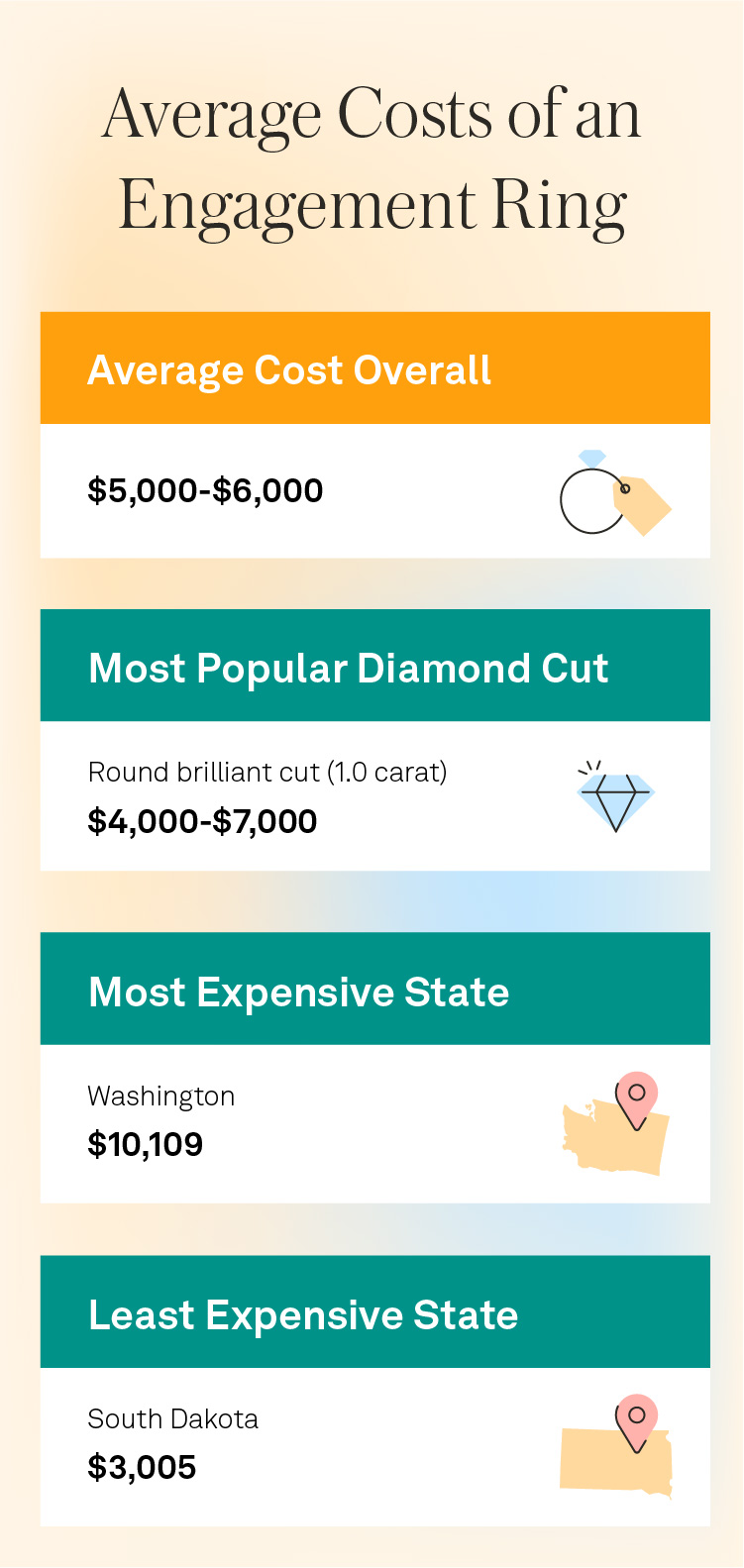
Based on recent data, the average cost of a wedding ring in the United States typically falls within a wide range, often cited between $2,000 and $7,000. This broad spectrum reflects the diverse choices in metals, stones, and craftsmanship. For a diamond engagement ring, which is often purchased alongside or considered part of the “wedding ring” set by many, the average can be higher, sometimes ranging from $5,000 to $10,000 or more. Wedding bands, particularly those without prominent diamonds or gemstones, tend to be on the lower end of this spectrum, with simple gold or platinum bands potentially costing $500 to $2,000.
It’s important to consider that these are averages, and many couples spend significantly less, while others opt for rings with exceptional diamonds or intricate designs that can easily exceed $10,000, $20,000, or even much higher. The trend in recent years has seen a slight increase in the average spent, driven by a desire for quality, larger diamonds, and personalized designs. However, there’s also a growing segment of consumers seeking more affordable yet still beautiful options, including lab-grown diamonds and alternative gemstones.
Gender-Specific Averages
Historically, wedding rings have been purchased for both partners, though the emphasis and budget often differed.
Men’s Wedding Bands: Evolving Trends and Costs
Men’s wedding bands have traditionally been less expensive than engagement rings due to their often simpler designs and lack of prominent gemstones. However, the market for men’s wedding bands has diversified significantly. While a classic gold or platinum band might still be in the $500 to $1,500 range, the emergence of durable alternative metals like tungsten, titanium, and cobalt has introduced options that can cost anywhere from $100 to $500. These durable bands are increasingly popular for their practicality. More elaborate men’s bands might feature intricate detailing, brushed finishes, or even small inlaid stones, pushing their cost closer to the $1,000 to $3,000 mark.
Women’s Wedding Rings: The Dominance of Diamonds
Women’s wedding rings, particularly engagement rings which are often considered part of the wedding ring purchase, tend to command a higher average cost. This is largely due to the prevalence of diamonds and the intricate settings often chosen. A simple diamond solitaire in a classic setting can range from $3,000 to $7,000 for a quality diamond. Rings with multiple diamonds, elaborate settings like halos or intricate pavé designs, or larger carat weights can easily push the average well into the $7,000 to $15,000+ range. Simple wedding bands for women, intended to complement an engagement ring, can be found for $500 to $2,500, with the cost increasing with the addition of diamonds or precious metals.
Geographical and Cultural Influences
It’s crucial to acknowledge that wedding ring costs can vary significantly based on location and cultural norms.
Regional Price Differences
Major metropolitan areas with higher costs of living and a greater concentration of luxury retailers often see higher average prices for wedding rings compared to rural areas or smaller cities. The availability of skilled jewelers and the local demand for specific types of rings can also influence pricing. For instance, regions with a strong tradition of purchasing larger diamonds might naturally see a higher average spend.
Cultural Traditions and Expectations
Cultural traditions play a significant role in shaping wedding ring customs and, consequently, their cost. In some cultures, there’s a strong emphasis on the size and quality of the diamond as a symbol of prosperity and commitment, leading to higher average expenditures. In others, the focus might be on the intricacy of the metalwork or the sentimental value of a family heirloom. Certain wedding ceremonies or religious observances might also involve specific types of rings or rituals that influence the budget. Understanding these cultural nuances is important when considering the “average” cost, as it is not a universal figure.
Budgeting for Your Wedding Rings: Practical Strategies and Considerations
Navigating the expense of wedding rings requires careful planning and a clear understanding of your financial capabilities and priorities. Rather than focusing solely on the average, it’s more beneficial to determine a budget that aligns with your personal circumstances.
Setting a Realistic Budget
The first and most critical step in purchasing wedding rings is establishing a realistic budget. This involves a candid assessment of your overall wedding expenses and your savings.
Prioritizing Wedding Expenses
Wedding planning is a delicate balancing act of allocating funds across numerous categories, from venue and catering to attire and photography. It’s essential to view wedding rings as one component of this larger financial picture. Couples should discuss their priorities together. If a spectacular honeymoon or a dream venue is more important, then a more modest ring budget might be appropriate. Conversely, if the rings are a central symbol and a significant investment, other areas of the wedding might need to be scaled back. Many financial advisors suggest allocating a specific percentage of the total wedding budget to rings, often around 10% to 20%, but this is highly variable.
Exploring Financing Options and Payment Plans
For couples who find their desired rings exceed their immediate savings, several financing options can make the purchase more manageable. Many jewelers offer in-house financing or payment plans, allowing couples to spread the cost over several months, often with interest-free periods. Third-party financing services like Affirm or Klarna are also commonly available at many online and brick-and-mortar retailers, providing flexible repayment terms. Credit cards can be an option, especially those offering introductory 0% APR periods, but it’s crucial to have a solid plan to pay off the balance before interest accrues. It’s always advisable to compare interest rates and terms carefully before committing to any financing option to avoid unnecessary debt.
Smart Shopping Strategies for Value
Achieving the best possible value for your wedding rings doesn’t mean compromising on quality; it means shopping intelligently.
The Benefits of Online Jewelers
Online retailers have revolutionized the jewelry market, offering significant advantages in terms of price and selection. With lower overhead costs compared to traditional brick-and-mortar stores, online jewelers can often provide the same quality of rings at a substantially reduced price. Furthermore, the vast online selection allows couples to compare a wider array of styles, metals, and gemstones without leaving their homes. Reputable online jewelers often provide detailed product descriptions, high-resolution images, and independent customer reviews, empowering buyers to make informed decisions. It’s essential to purchase from trusted online retailers with clear return policies and secure checkout processes.
Considering Lab-Grown Diamonds and Alternative Gemstones
As mentioned earlier, lab-grown diamonds offer a compelling alternative to natural diamonds. They are chemically and physically identical to their mined counterparts but are produced in a controlled laboratory environment, making them significantly more affordable. This allows couples to achieve a larger carat weight, higher quality diamond, or more intricate setting within their budget. Similarly, gemstones like sapphires, moissanite, and even enhanced diamonds can offer beautiful and unique options at a lower price point than traditional mined diamonds. Exploring these alternatives can open up a world of possibilities for couples seeking both beauty and value.
The Lifelong Investment: Quality, Durability, and Care
A wedding ring is not just a purchase; it’s a lifelong investment that symbolizes your enduring commitment. Considering its longevity and care is as important as the initial decision.
Choosing Durable Materials and Designs
When selecting your wedding rings, consider the materials and designs that will best withstand daily wear. For active individuals, metals like platinum or palladium, known for their strength and resistance to scratching, might be preferable. For gemstone rings, consider the durability of the stone itself. Diamonds are exceptionally hard and suitable for daily wear, while softer gemstones might be better suited for less active individuals or for rings intended for special occasions. Simple, low-profile designs are also generally more durable and less prone to snagging than elaborate or intricate settings.
Proper Care and Maintenance for Longevity
To ensure your wedding rings remain beautiful and in good condition for years to come, proper care and maintenance are essential. This includes regular cleaning to remove dirt and oils that can dull the sparkle of gemstones and metal. Most rings can be cleaned at home with mild soap, warm water, and a soft brush. For more thorough cleaning or for rings with intricate settings or delicate stones, professional cleaning by a jeweler is recommended. It’s also advisable to have your rings inspected periodically by a jeweler to check for any loose stones or worn prongs. Furthermore, removing your rings during strenuous activities, while swimming, or when using harsh chemicals can prevent damage and loss. Investing in a secure jewelry box or safe for when the rings are not being worn is also a wise precaution.
By understanding the factors influencing cost, setting realistic budgets, shopping smartly, and committing to proper care, couples can ensure their wedding rings are not only beautiful symbols of their love but also wise financial investments that will be cherished for a lifetime.
aViewFromTheCave is a participant in the Amazon Services LLC Associates Program, an affiliate advertising program designed to provide a means for sites to earn advertising fees by advertising and linking to Amazon.com. Amazon, the Amazon logo, AmazonSupply, and the AmazonSupply logo are trademarks of Amazon.com, Inc. or its affiliates. As an Amazon Associate we earn affiliate commissions from qualifying purchases.